Ages 0–14 · History · Philosophy · Biography · Classic Literature
Start the classics a decade early.
Ladder up to the real thing.
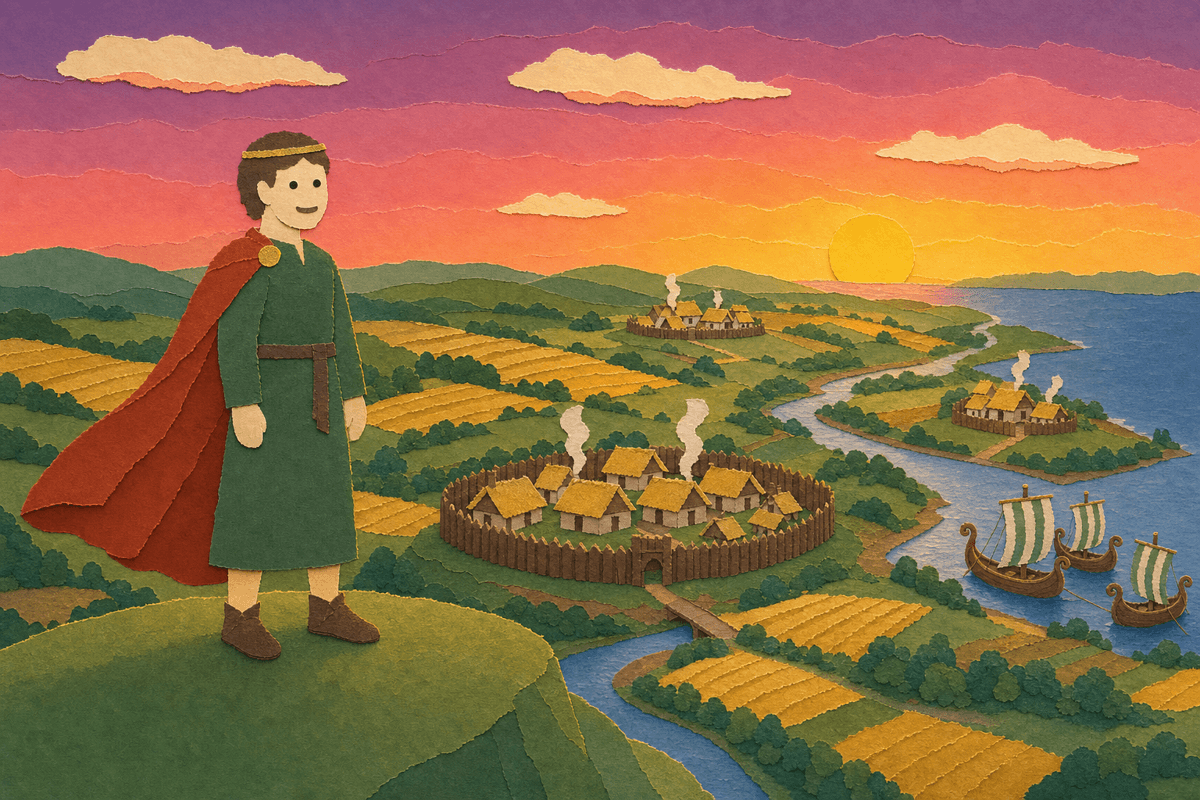
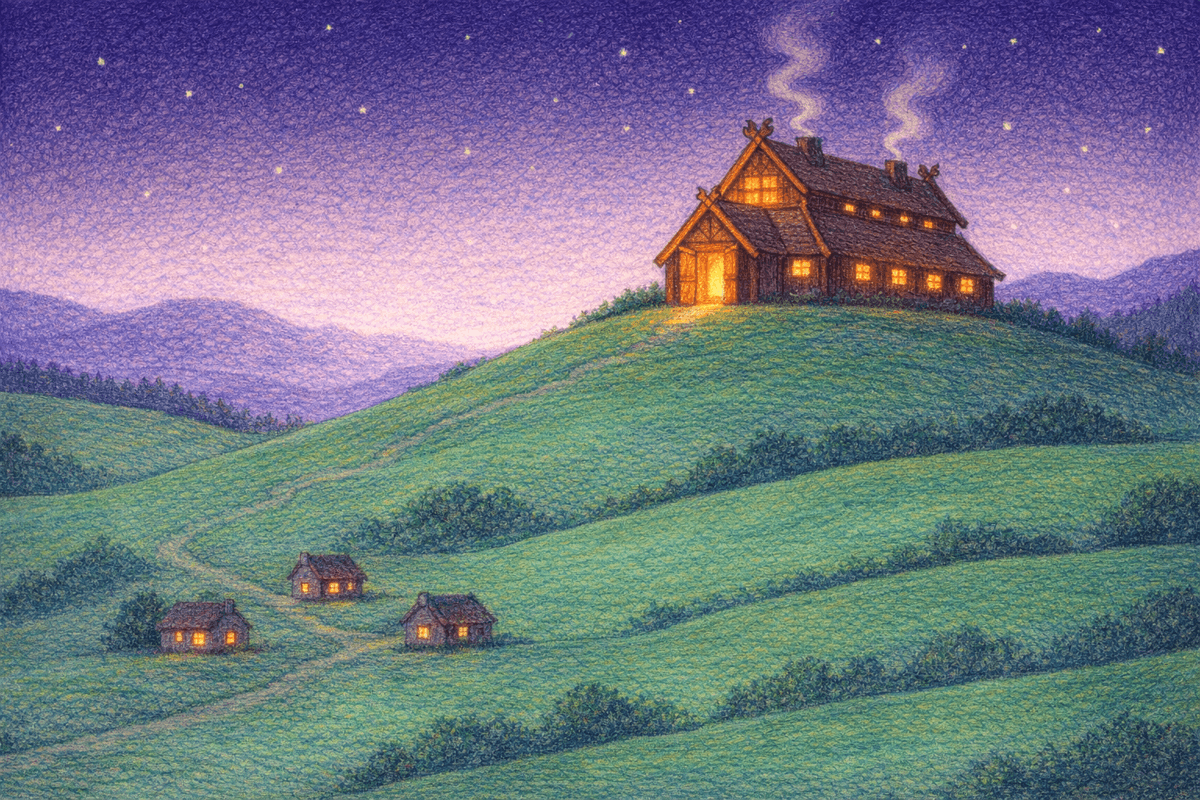
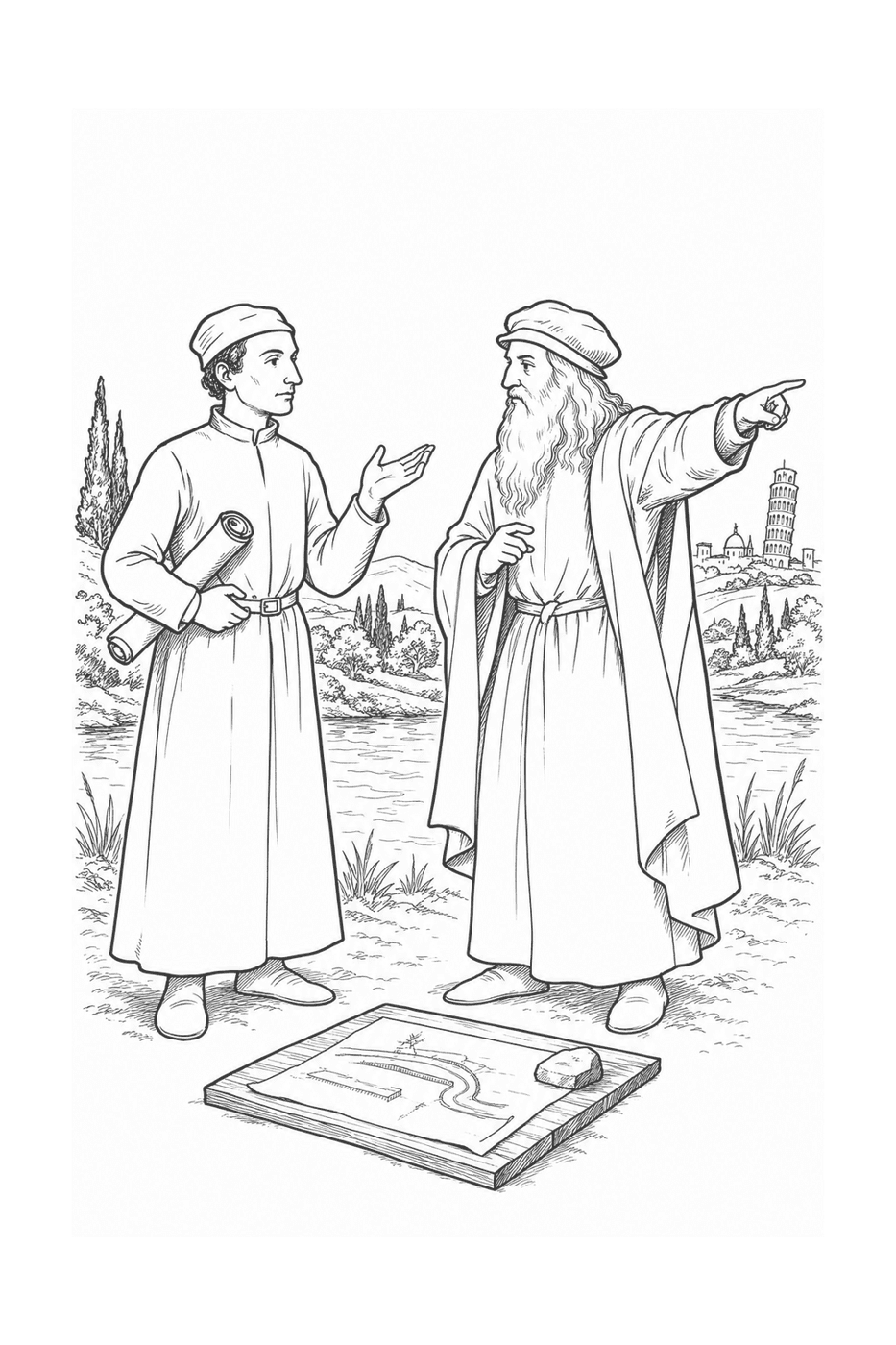
A page from Alfred the Great: The Comeback King
Our books are made to be outgrown.
Your child can meet Don Quixote, Beowulf or Cleopatra at two, again at five, and again at eight. Each retelling goes further into the story than the last.
Here's our bet: a child who keeps meeting these stories while growing up will be ready for the originals sooner, and will open them gladly, because they already know the story and want the rest of it. We'd rather start at two than at seventeen. Families will tell us whether we're right.
01
Read to them
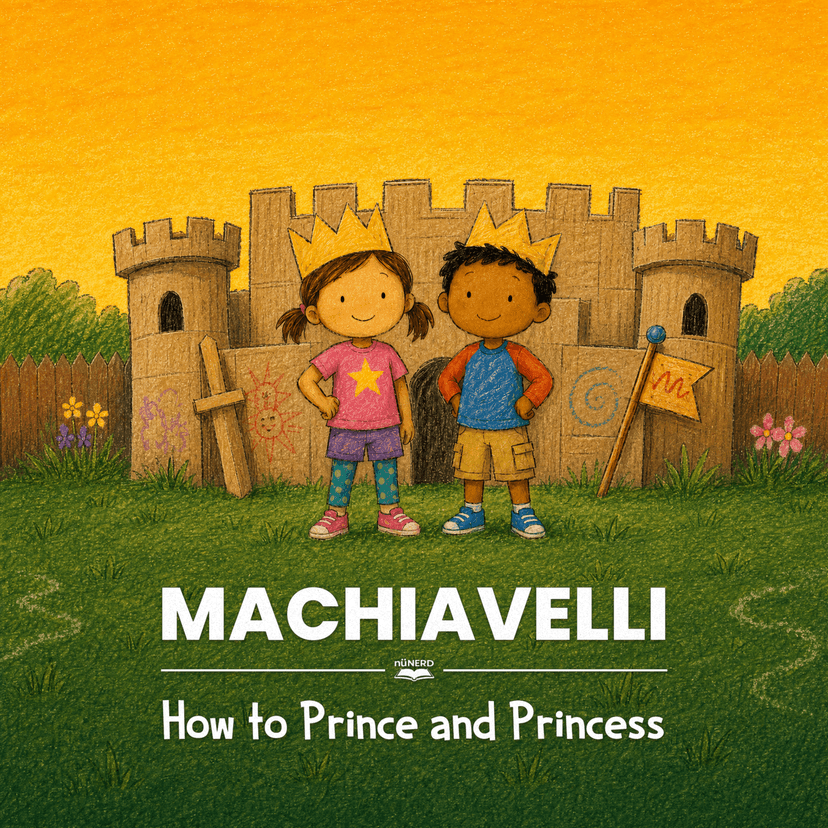
A first meeting with the subject: big pictures, few words, one idea.
02
Read together
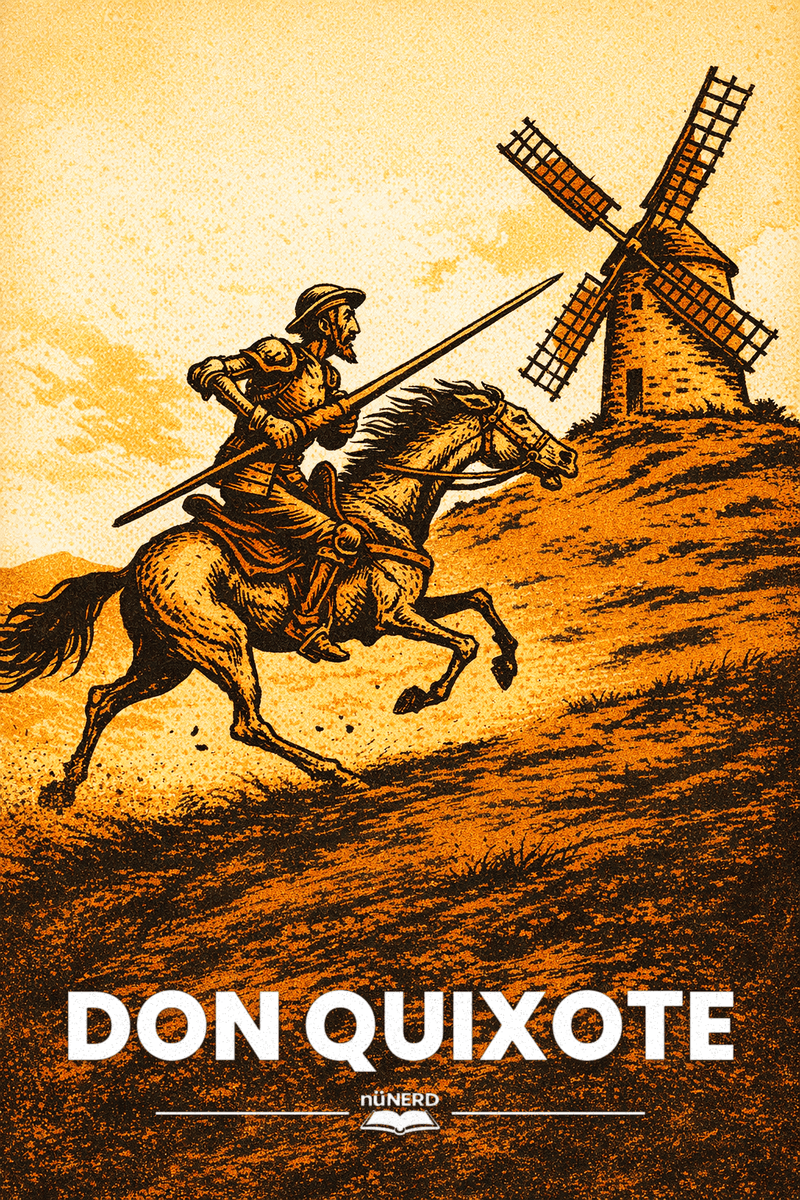
One story from the subject, told start to finish, with a picture on every page.
03
They start reading alone
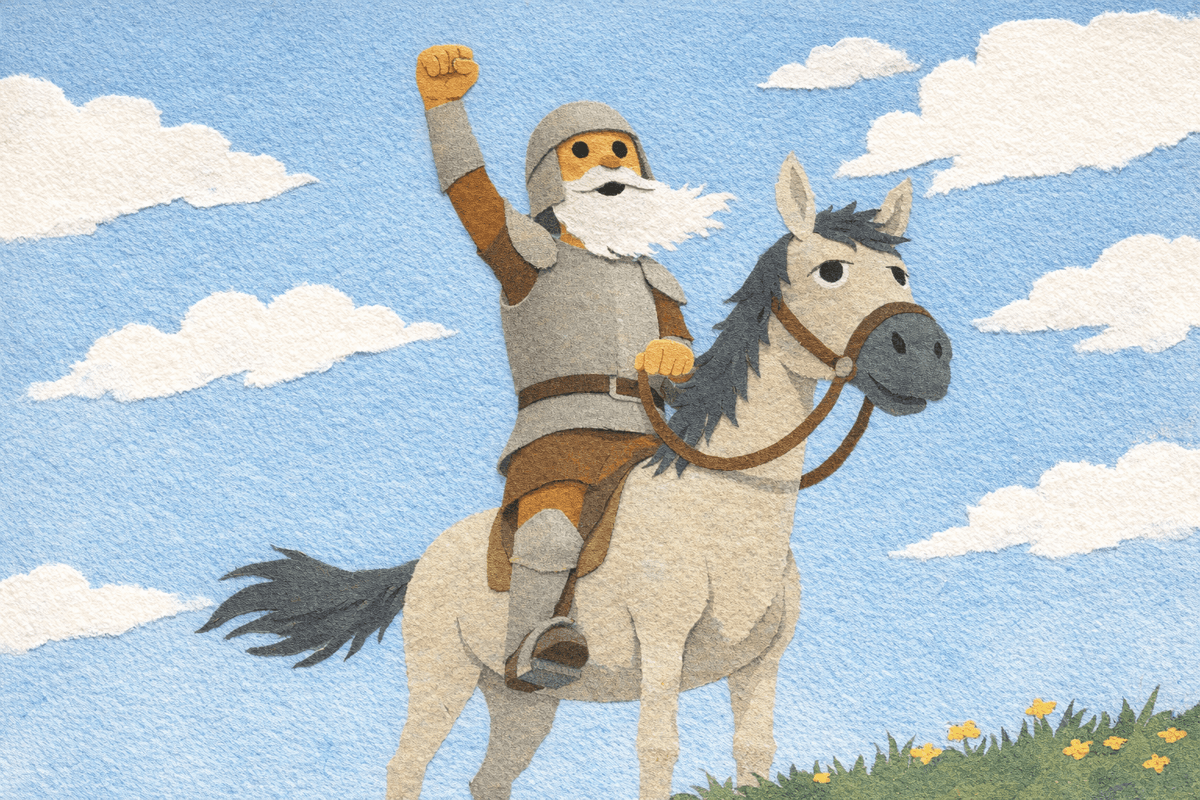
The full story in chapters, with the people, places and turns the picture books had to leave out.
04
Ready for Plutarch
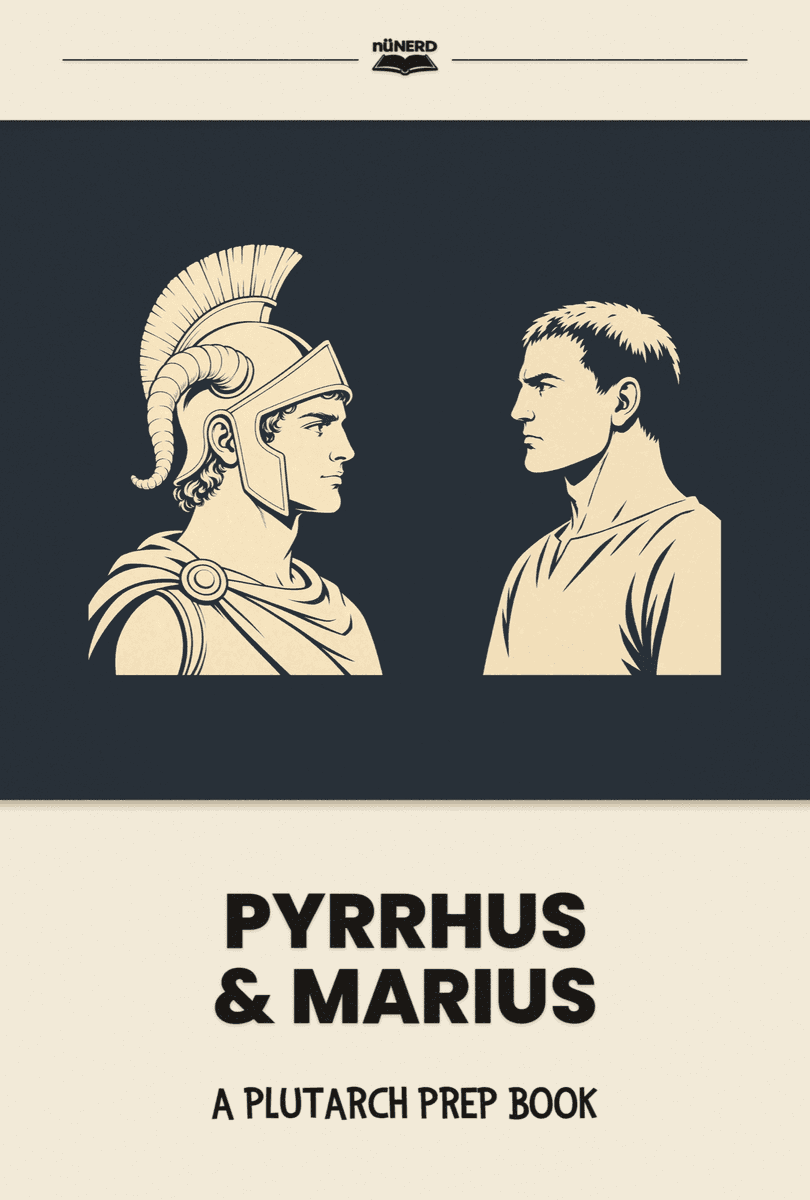
Both lives weighed question by question, the way Plutarch built his comparisons. Only the Plutarch pairs have a prep book.
The day your child puts down our last book, ready for the original, we've done our job.
View Books by Age Band
Inside the books
Explore Our Library
Every topic we've published, newest first. Pick one to see all its reading levels.
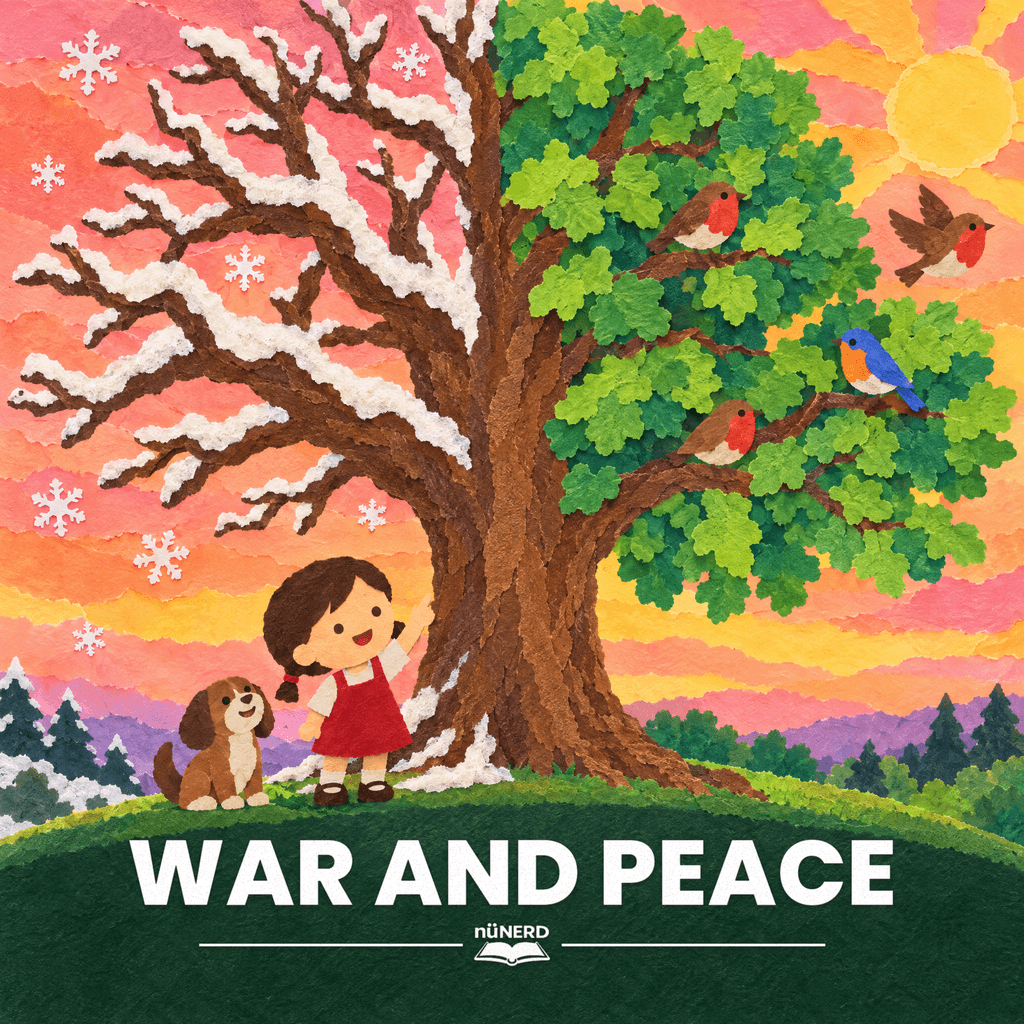
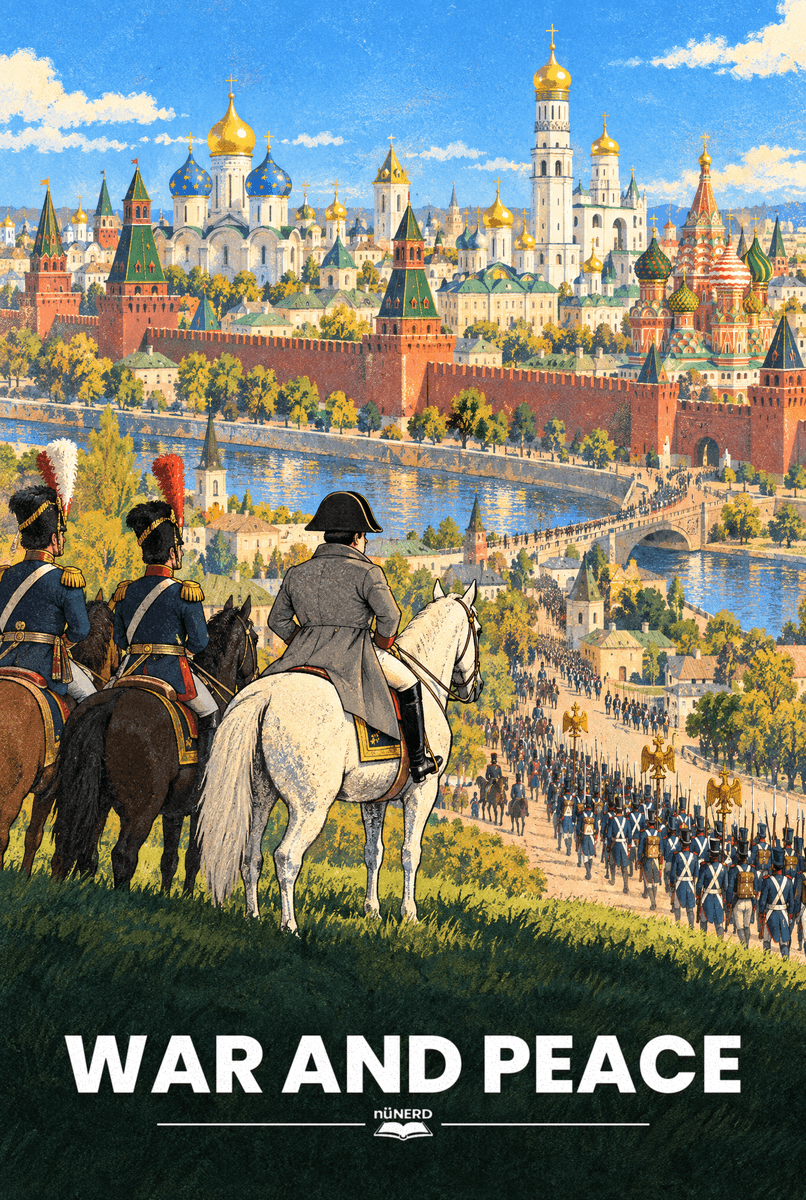
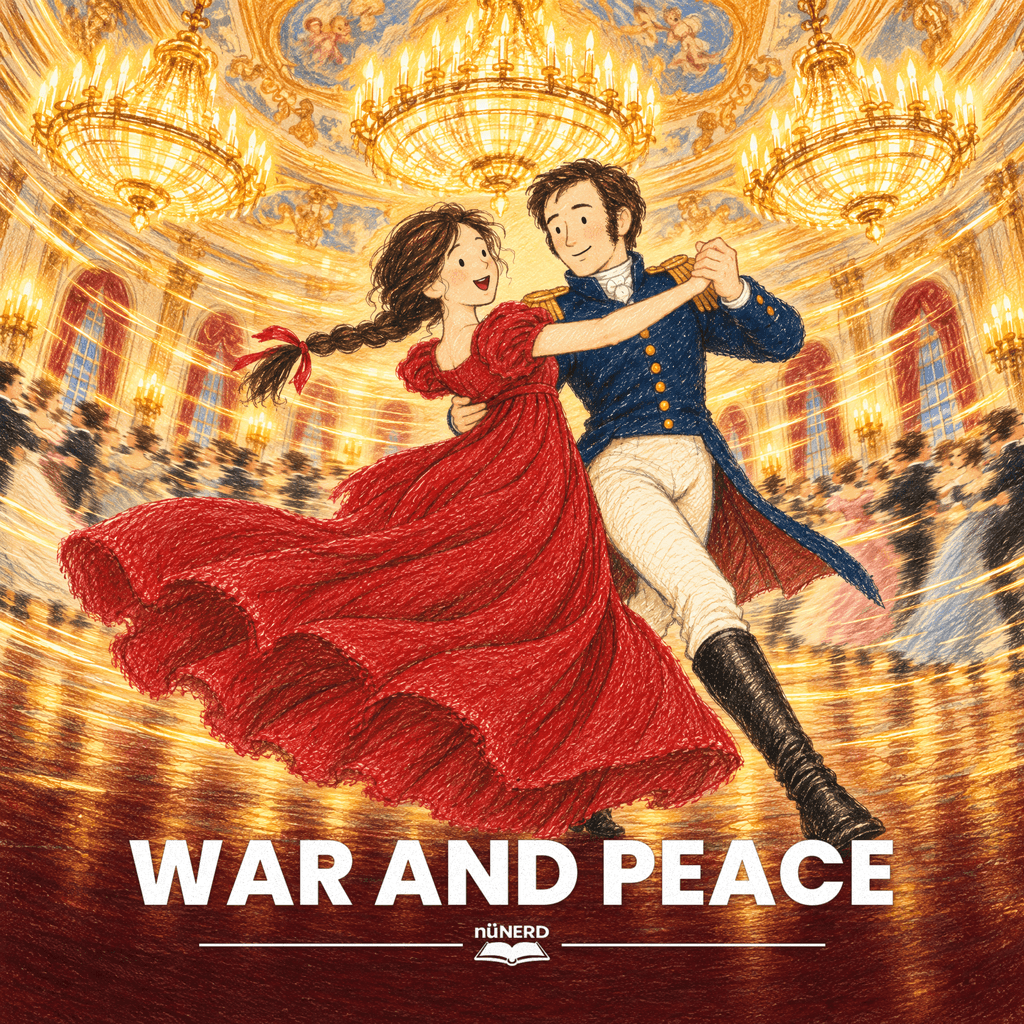
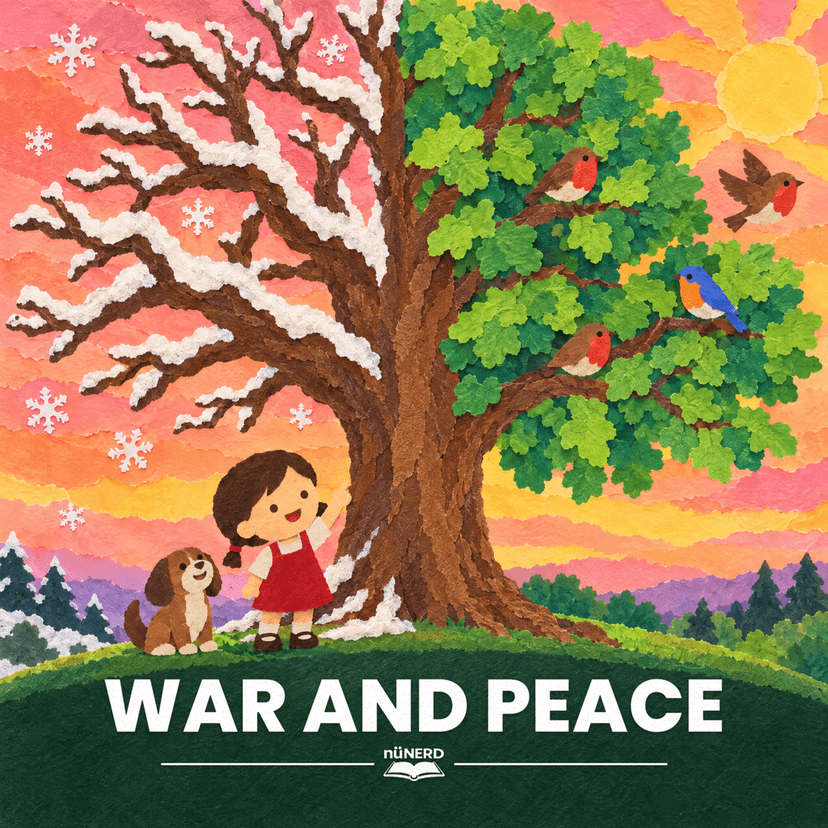
War and PeaceNew
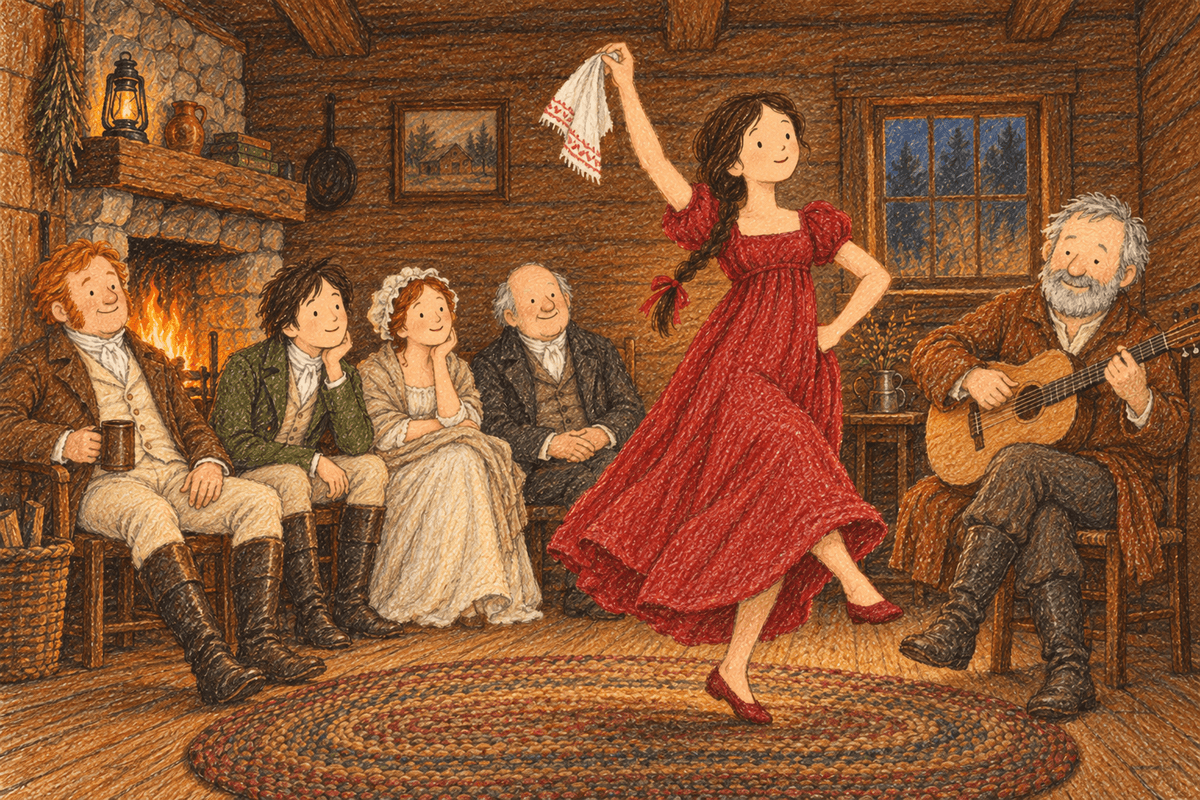
At her first ball, Natasha stands by the wall trying not to cry, until Pierre tells his friend Andrei to go and ask her to dance.
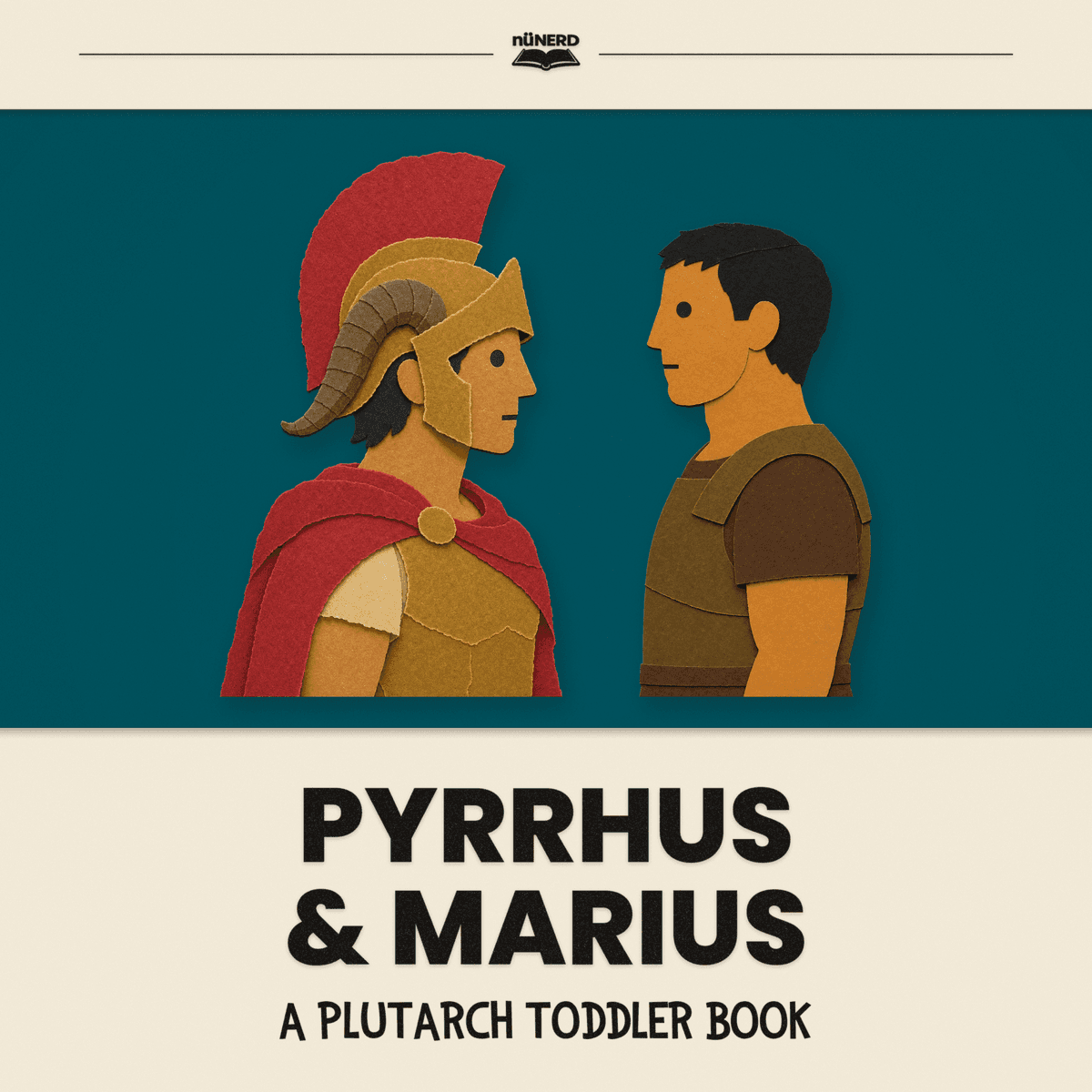
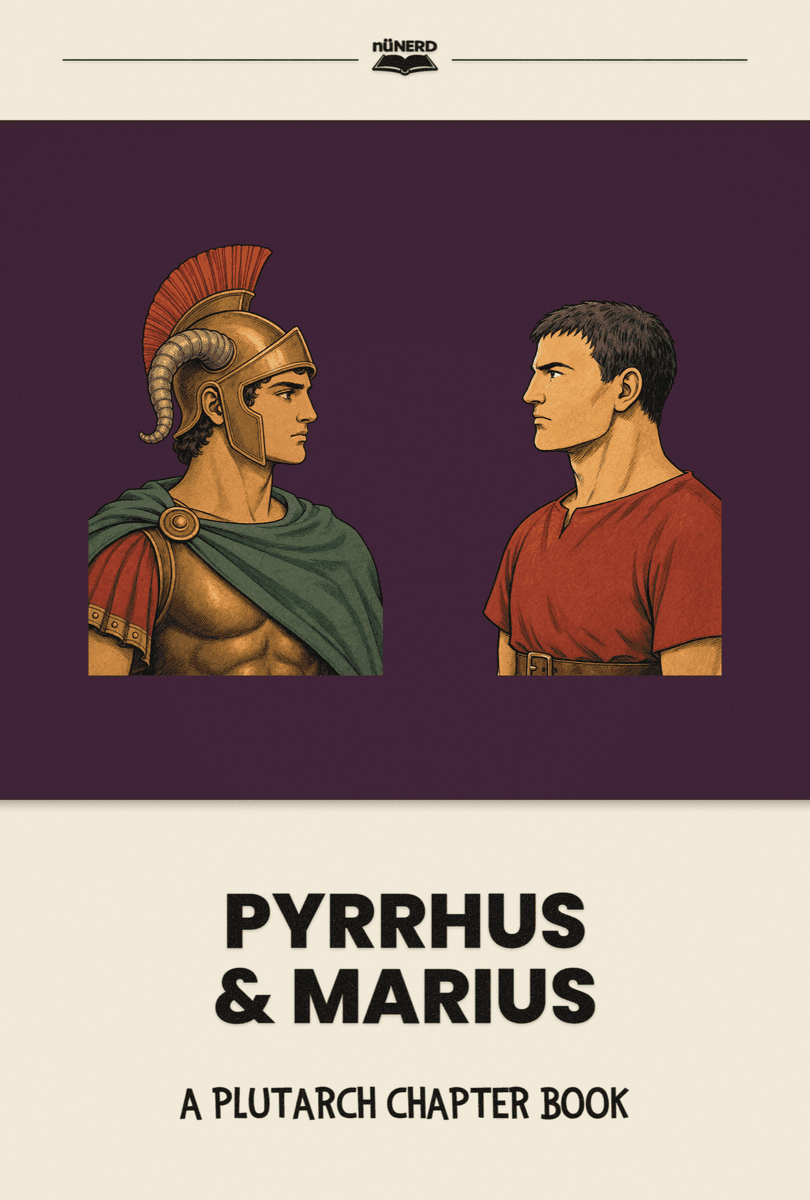
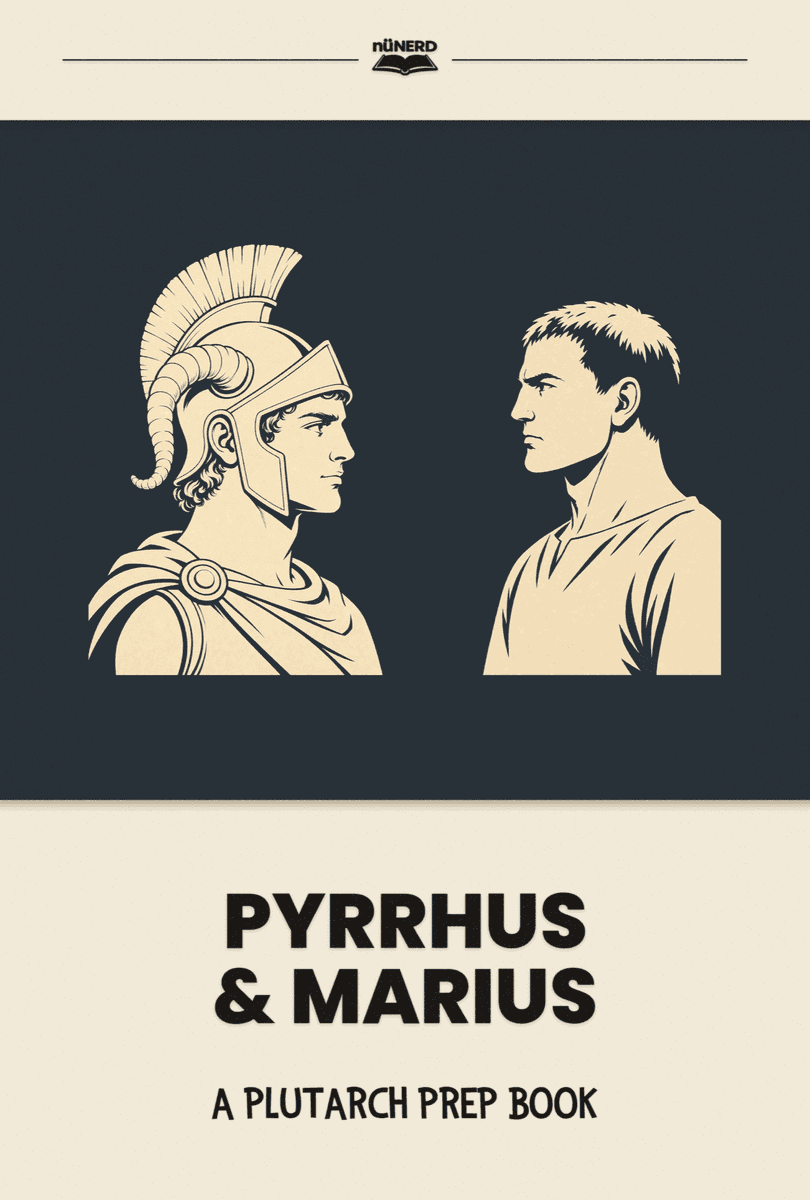
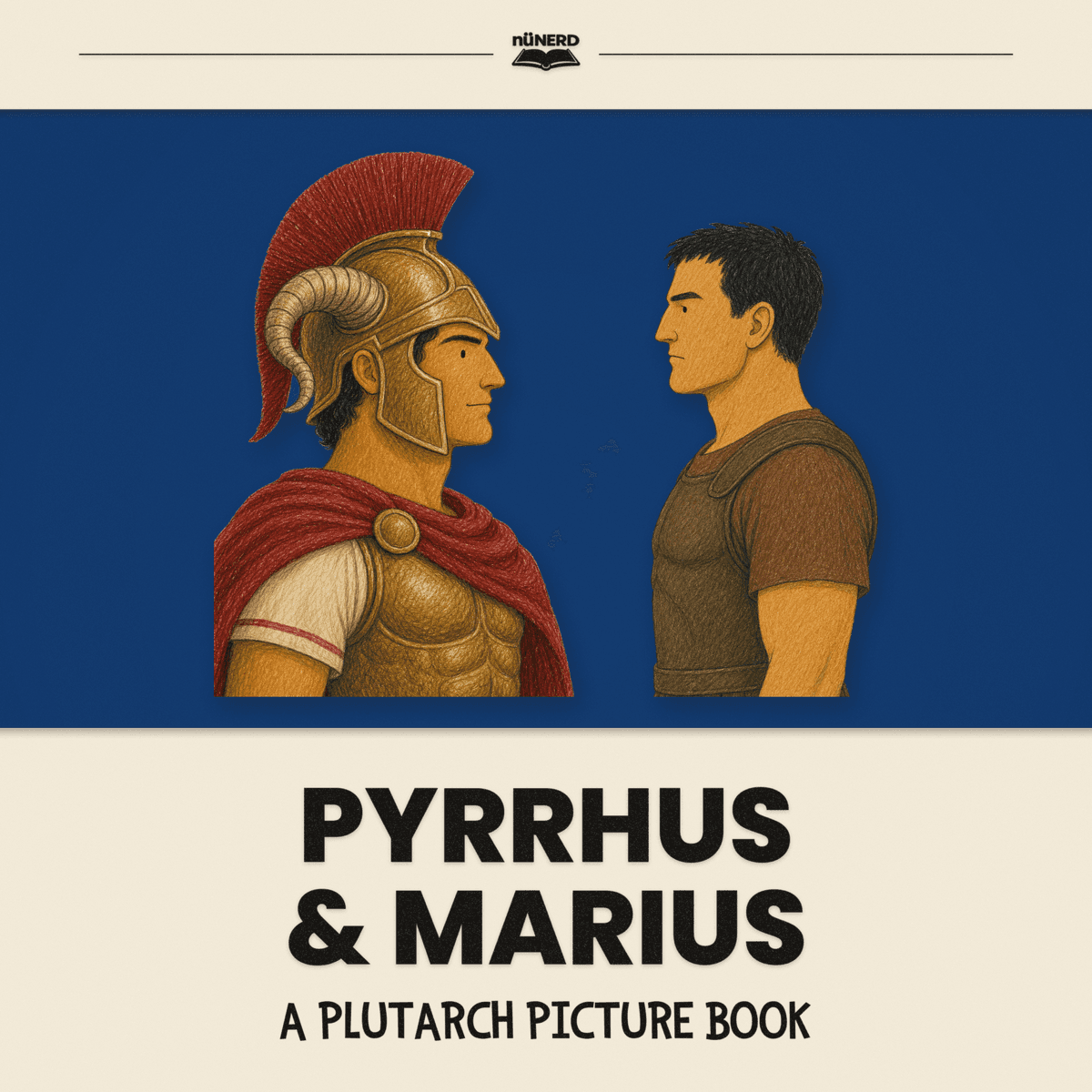
Pyrrhus & Marius
A Greek king whose wins cost so much that we still say “Pyrrhic victory,” and a Roman from a country town who was elected consul seven times.
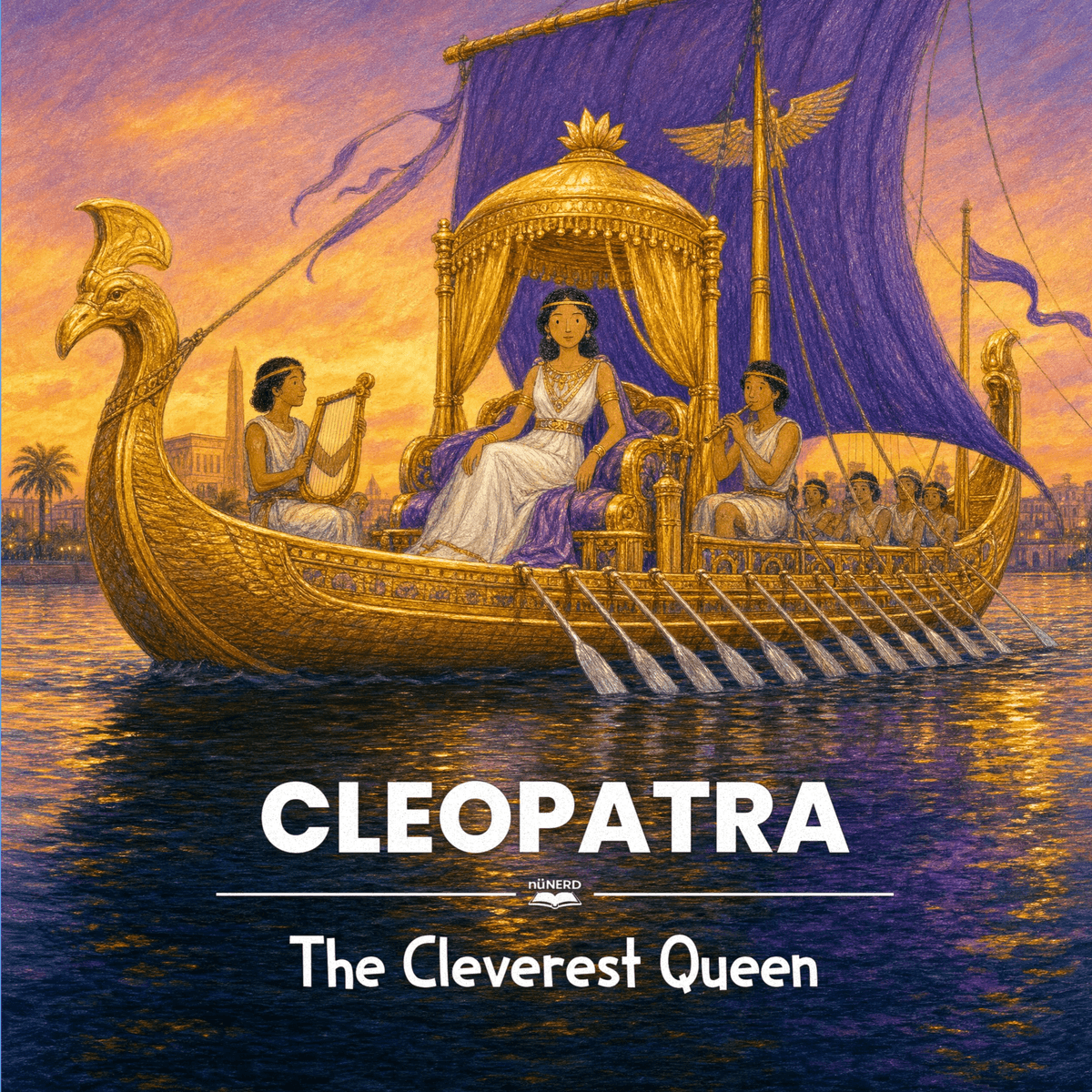
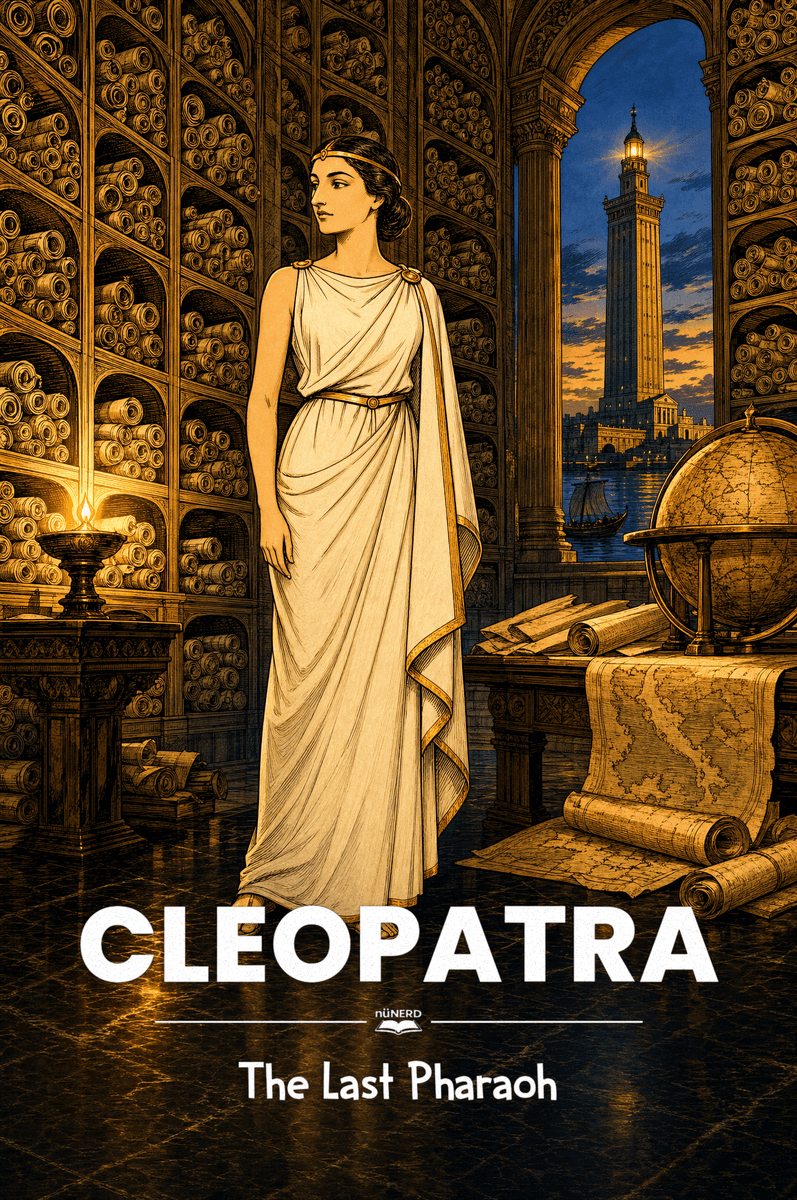
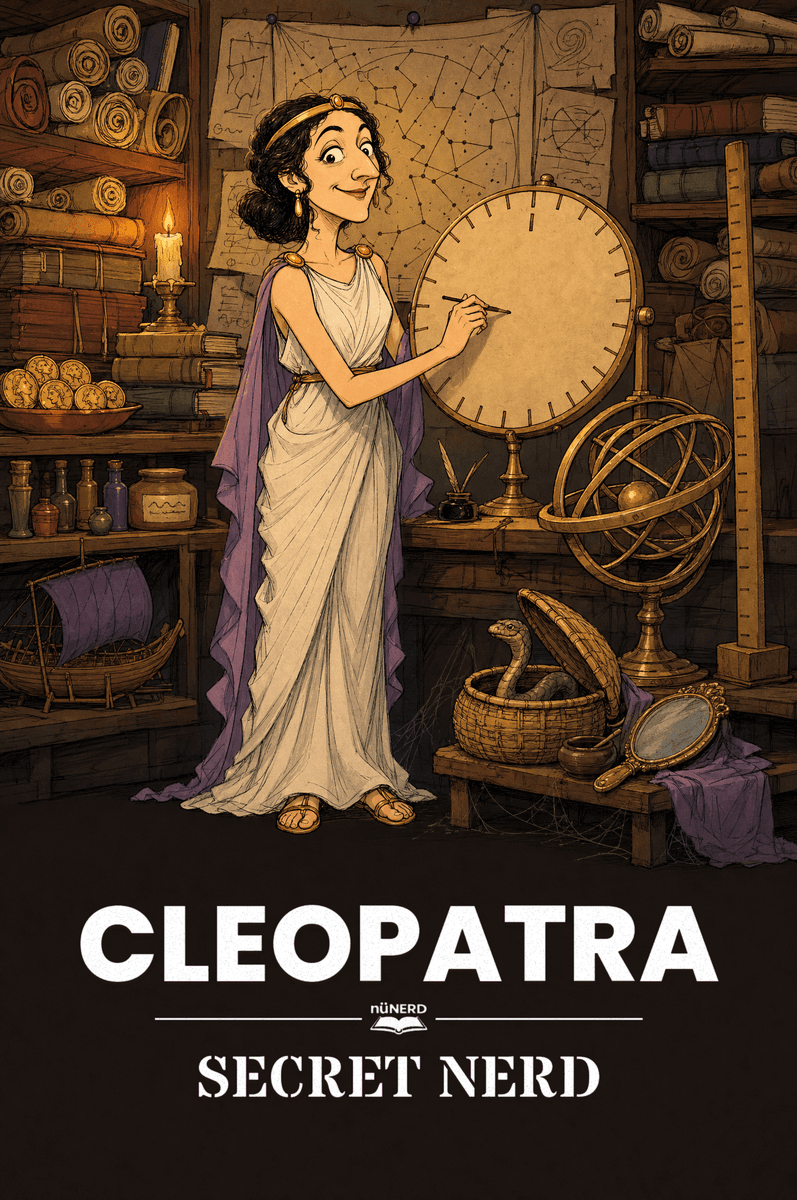
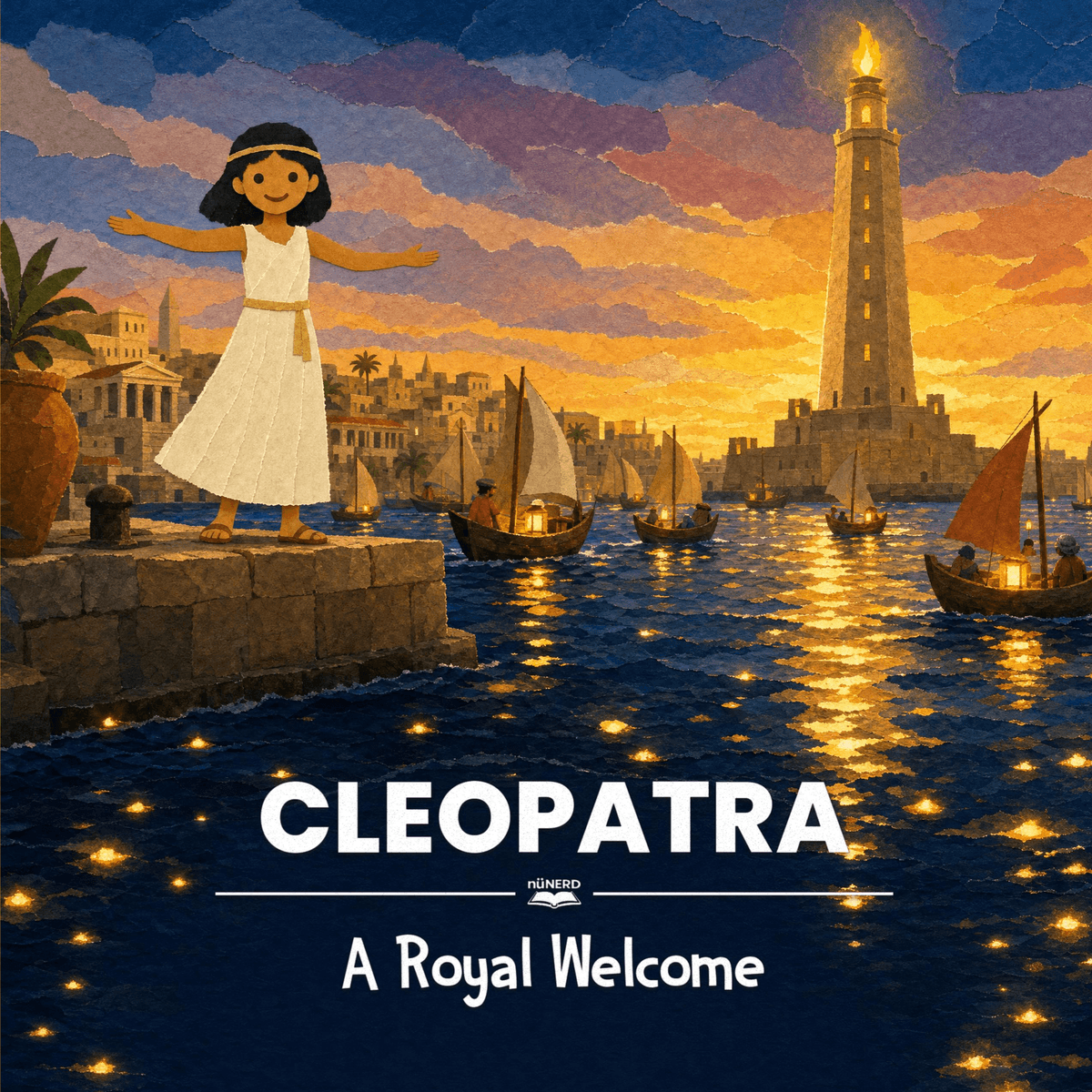
Cleopatra
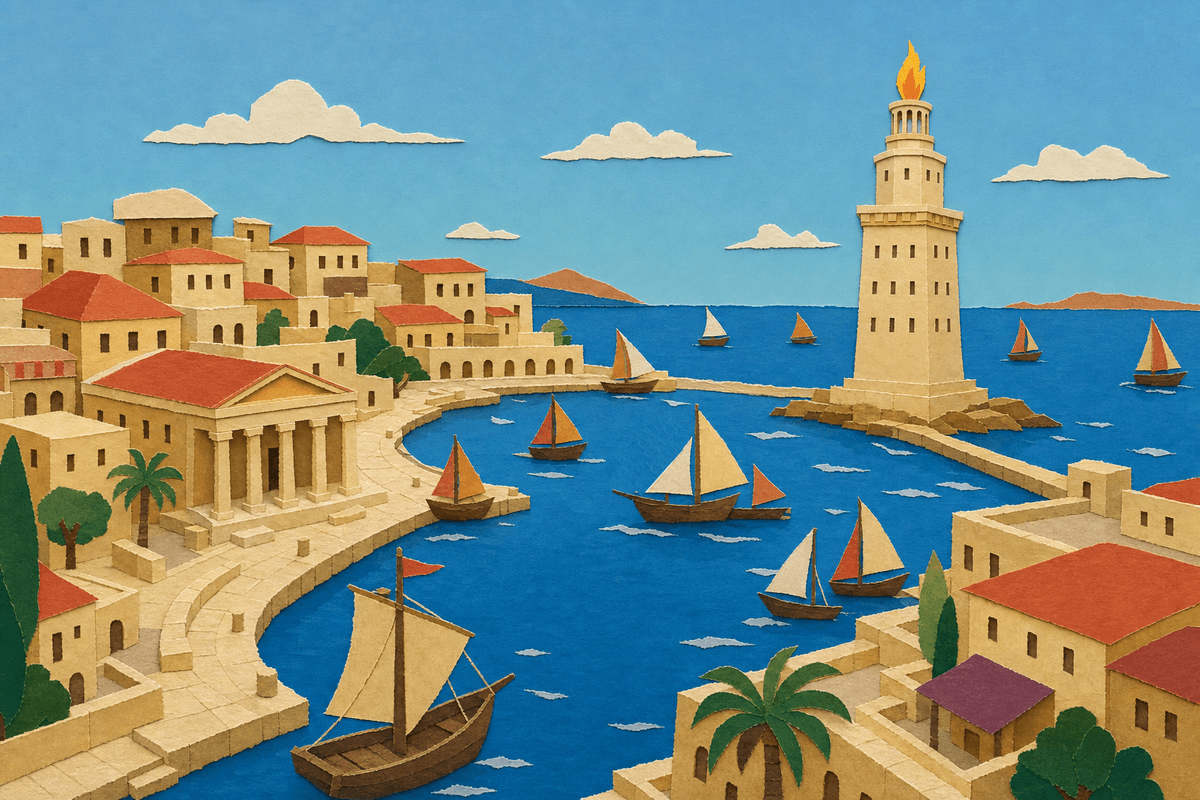
Plutarch says her looks were not what made her unforgettable. It was her conversation, and she could speak to most visitors in their own language.
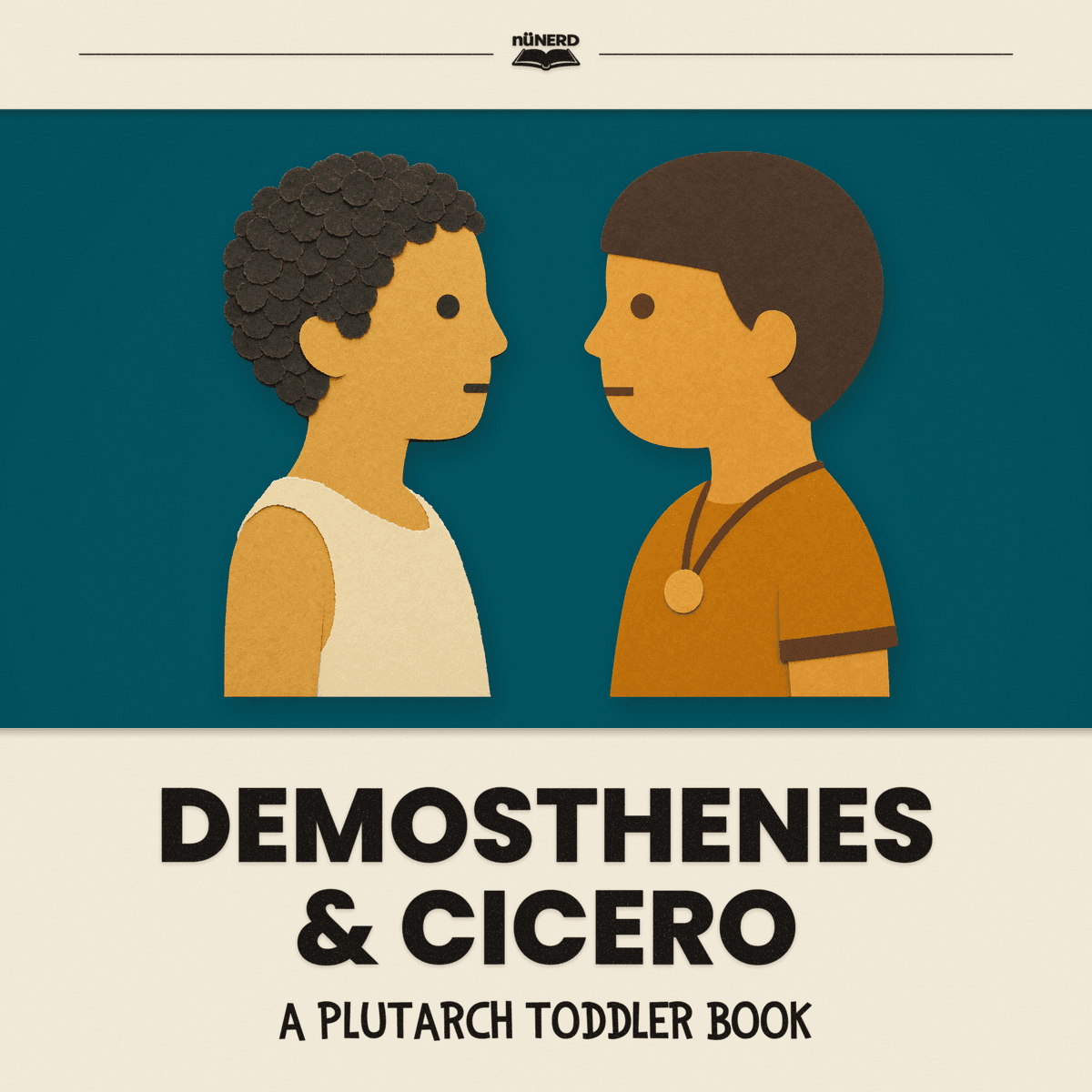
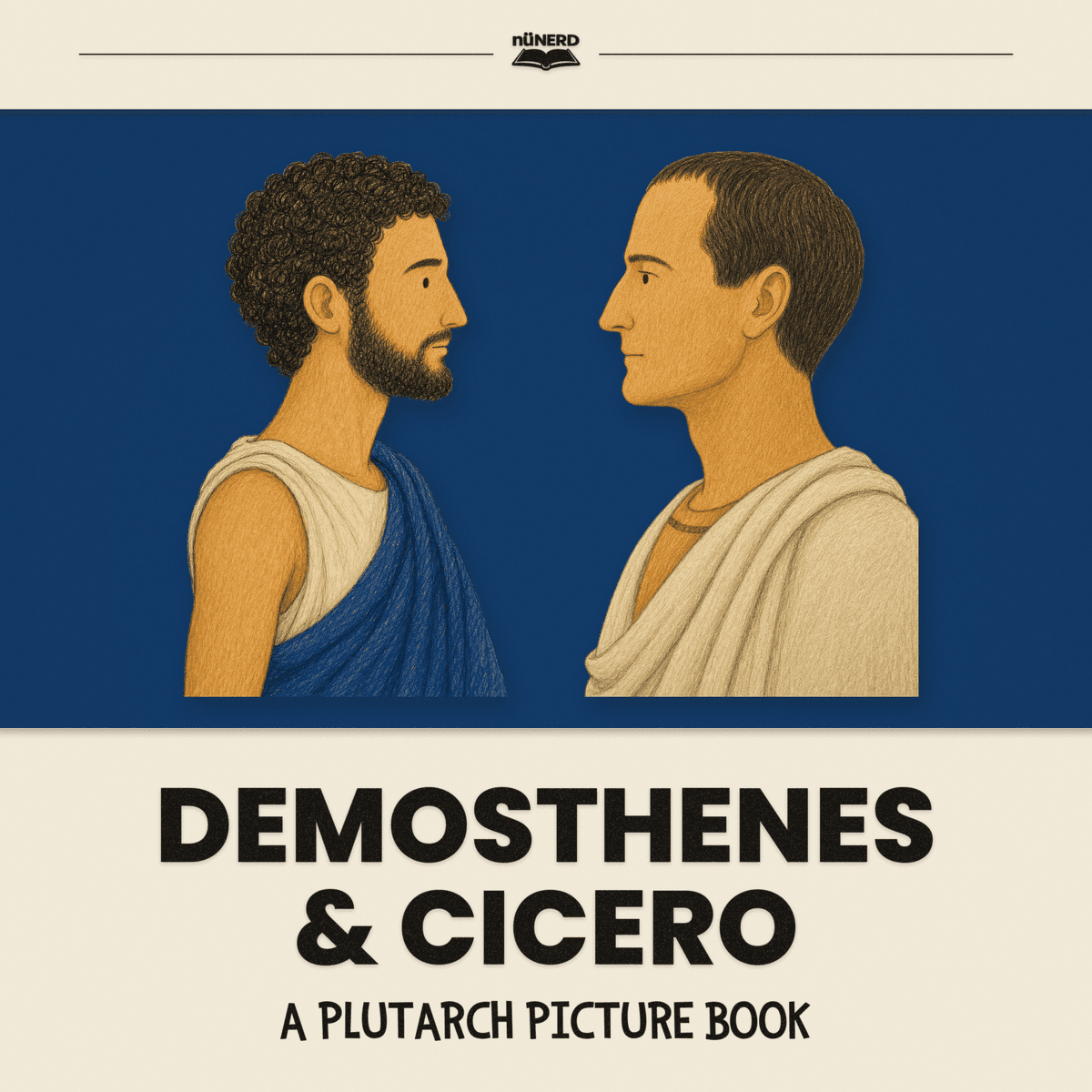
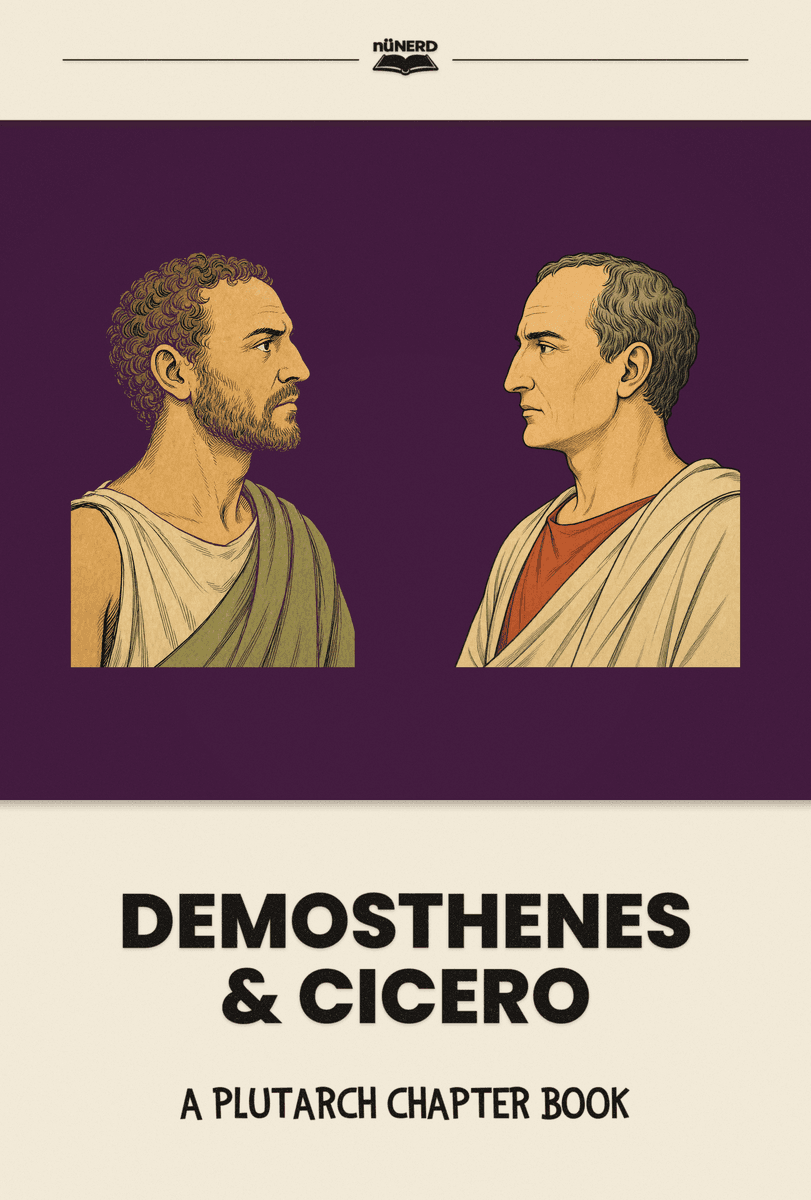
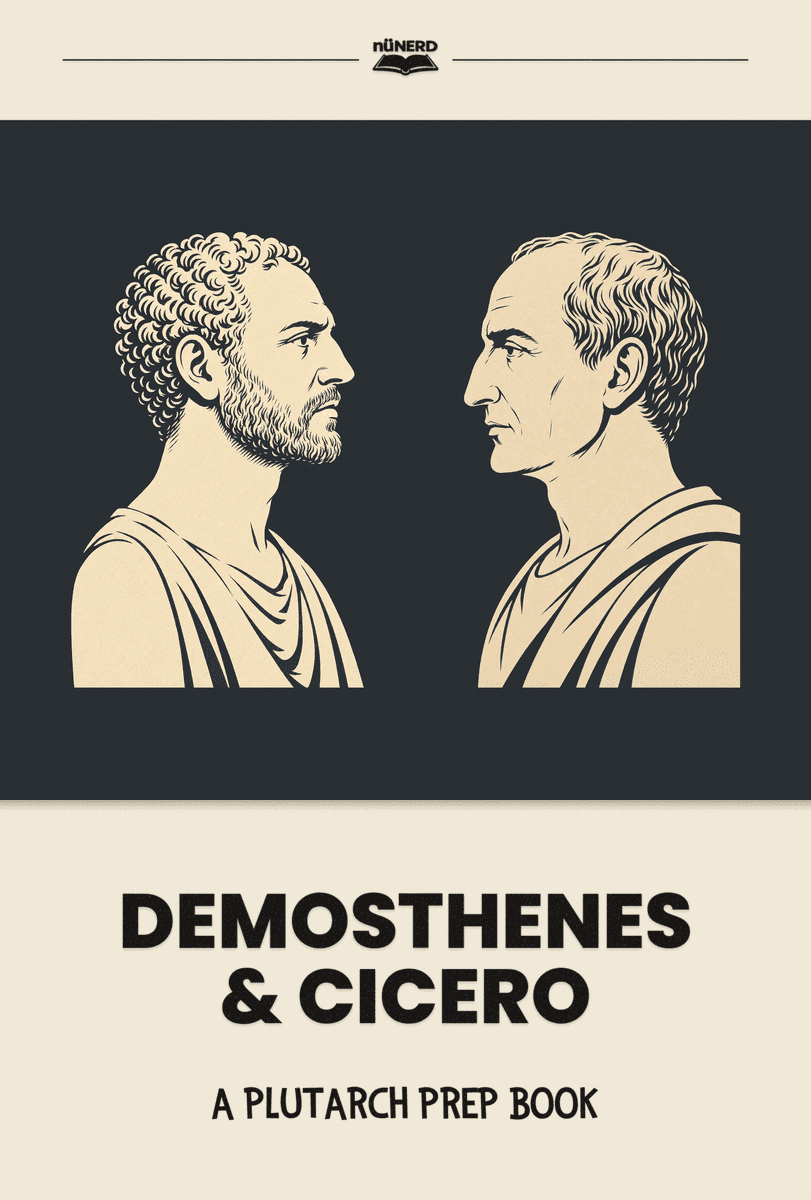
Demosthenes & Cicero
The most famous speakers of Greece and Rome, who each used words to fight for a free city, and each died for it.
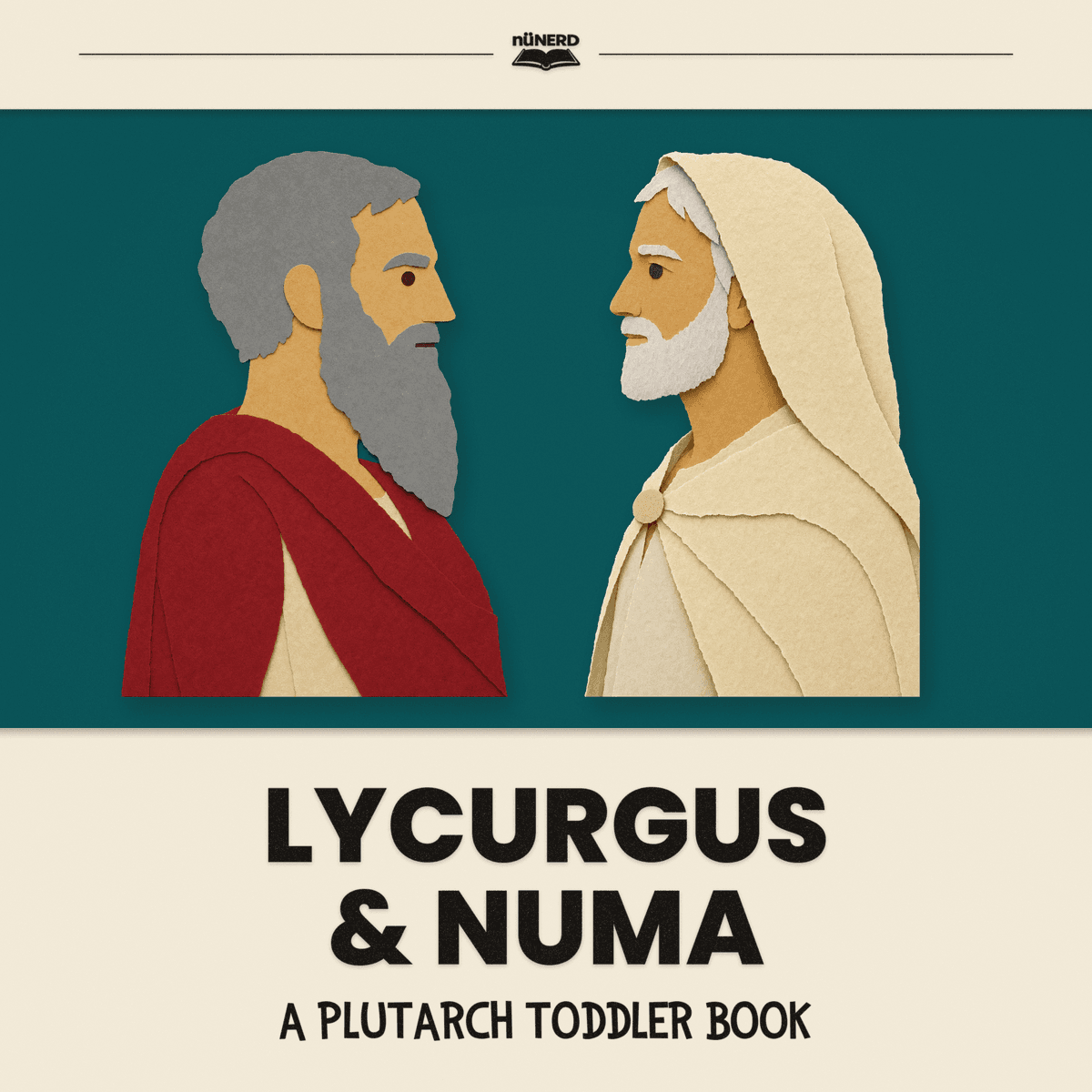
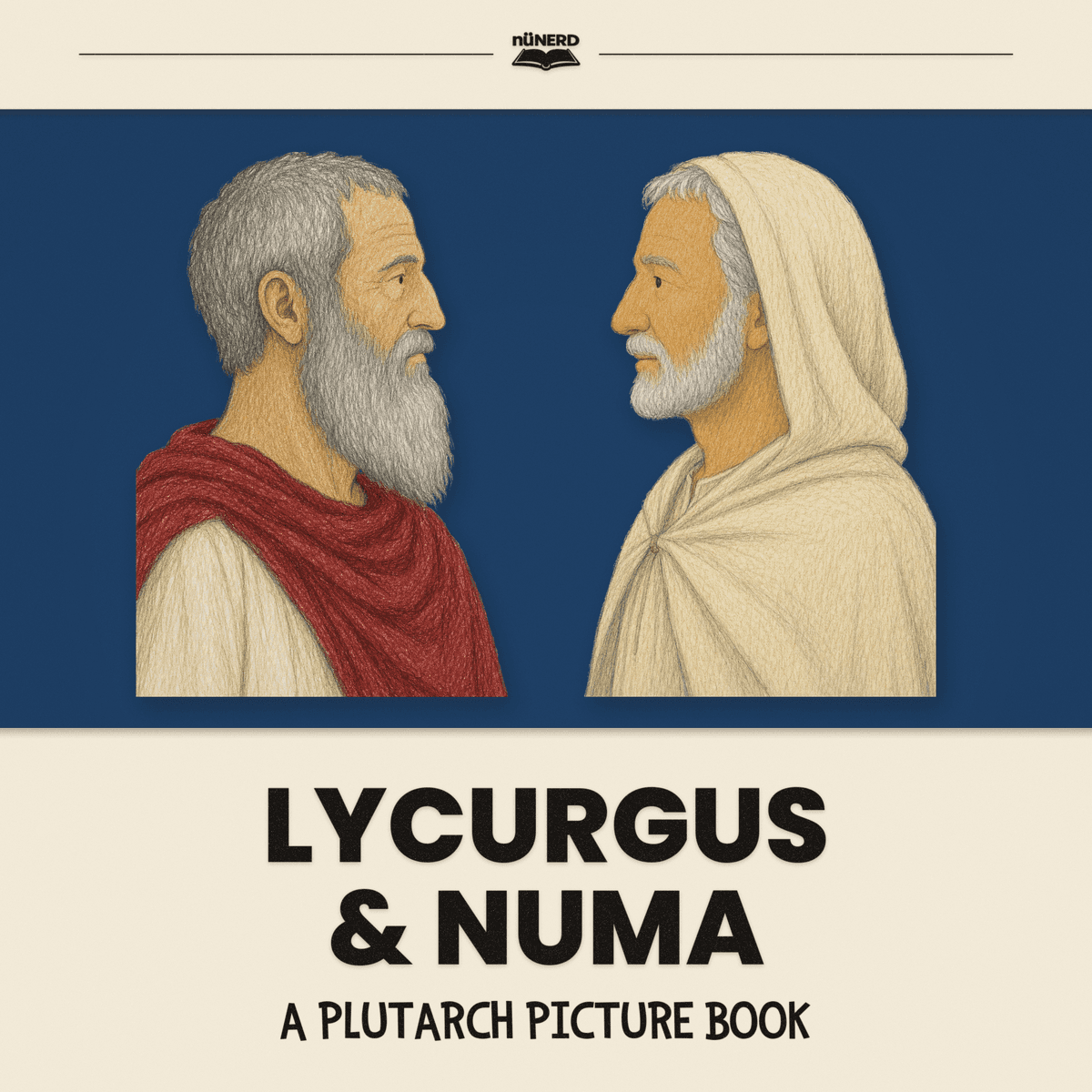
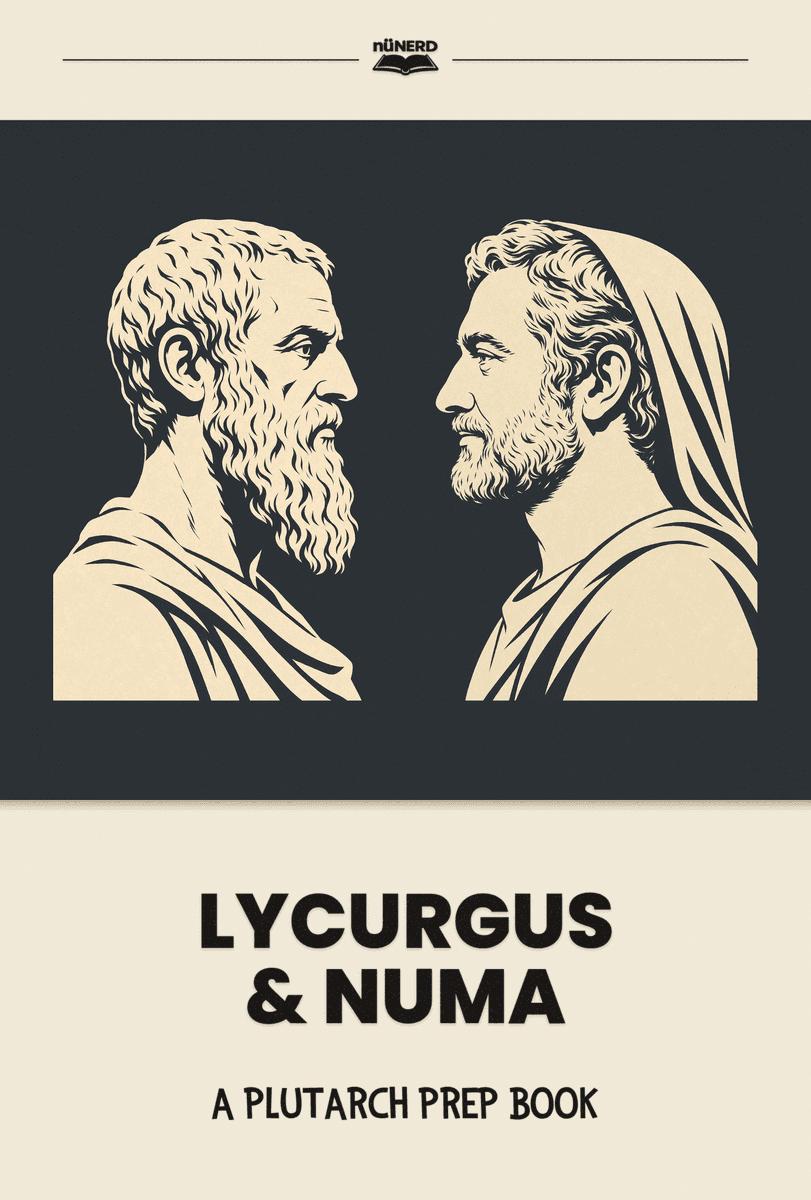
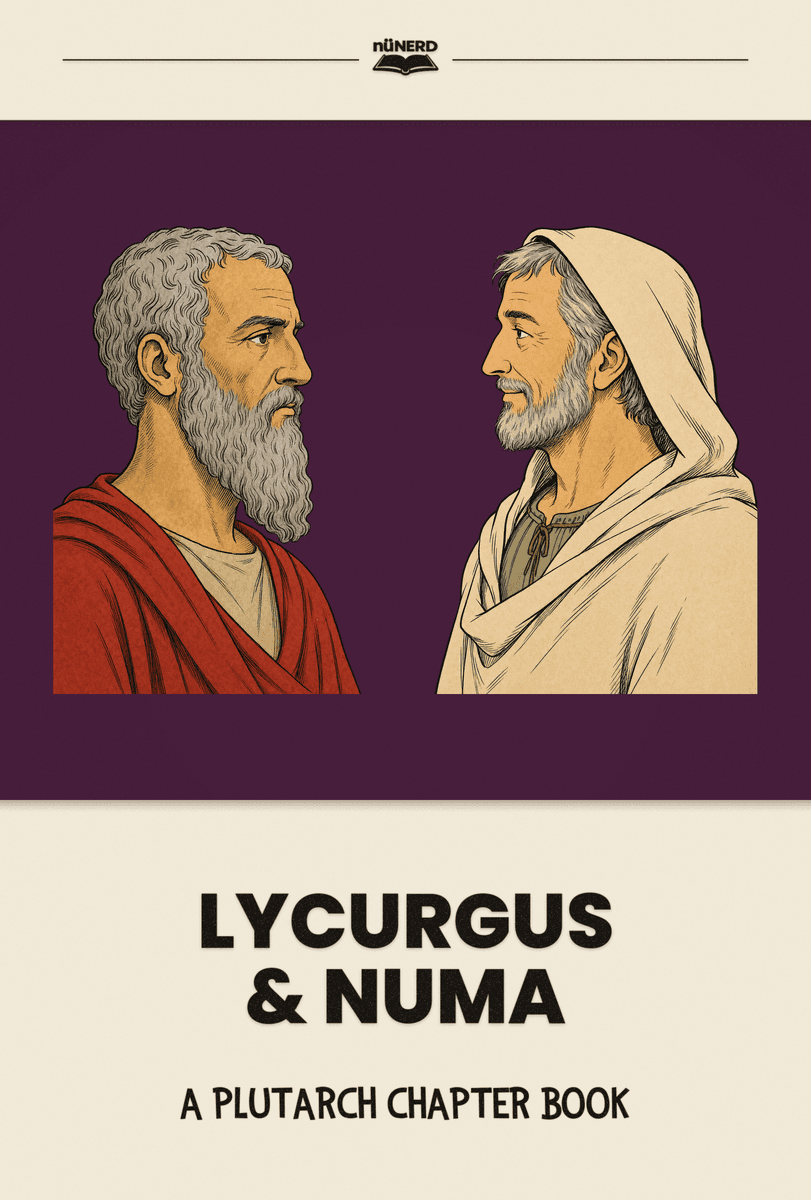
Lycurgus & Numa
The lawgivers of Sparta and Rome. One built a city around war; the other taught a warlike city to keep the peace.
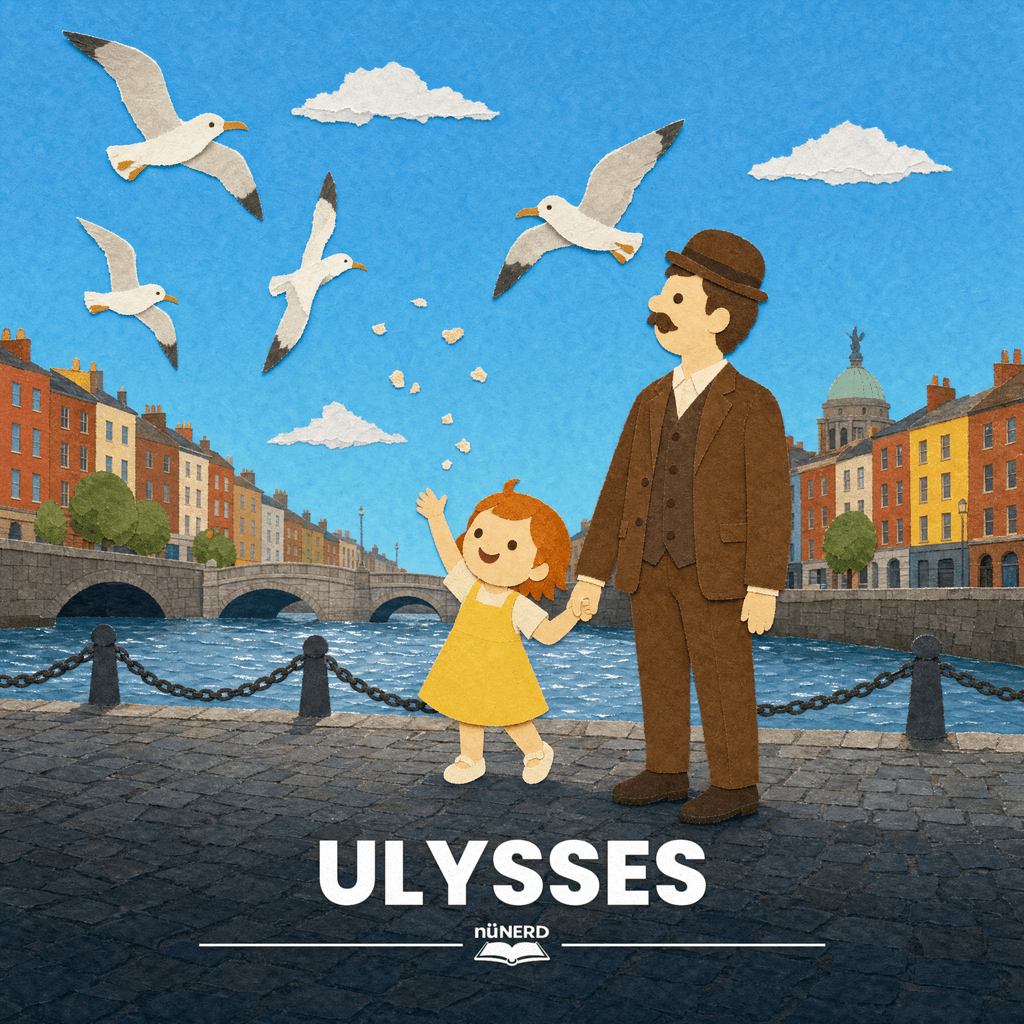
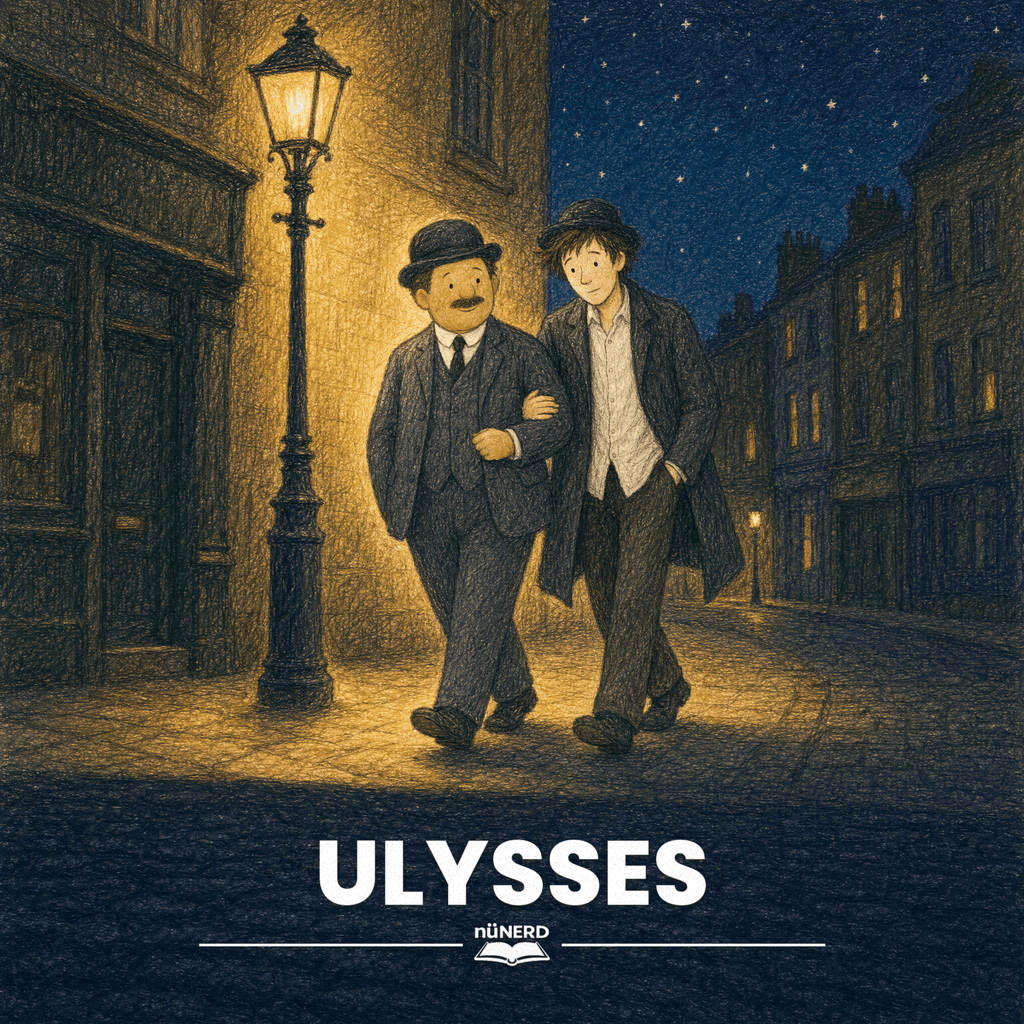
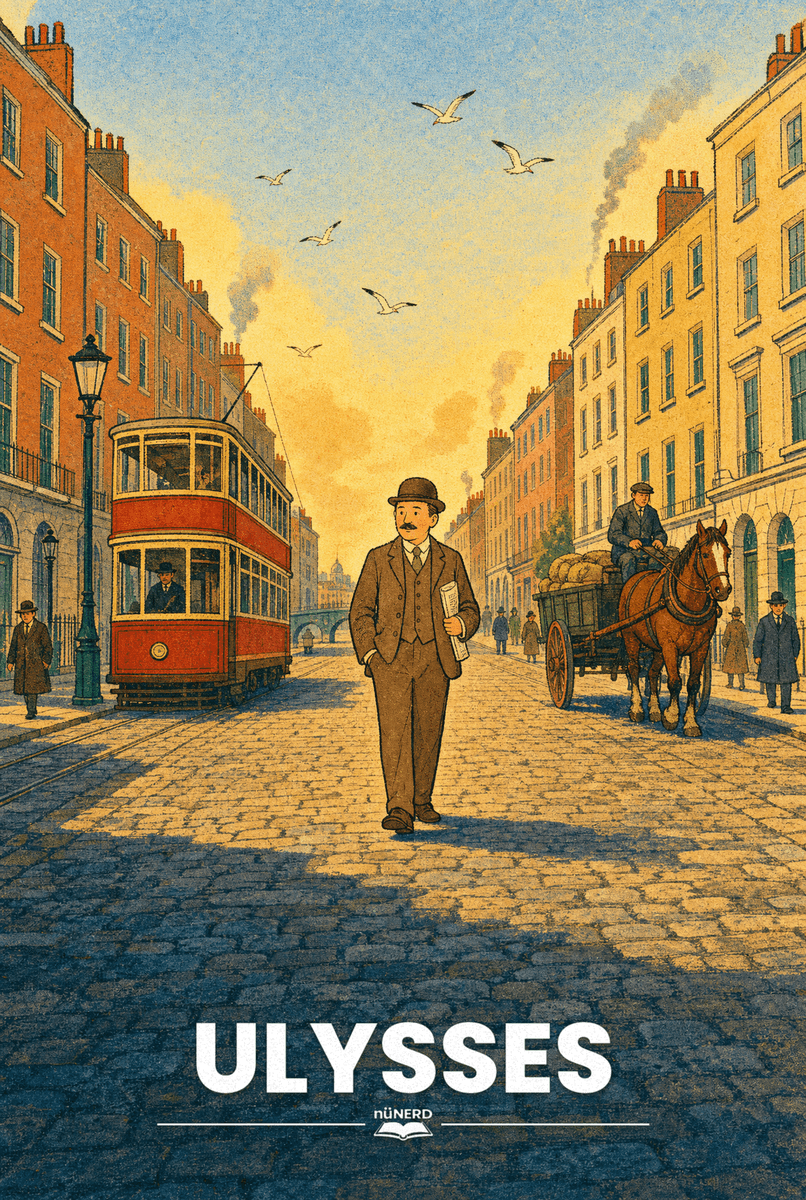
Ulysses
The whole novel takes place on one ordinary day in Dublin, June 16, 1904, and readers still celebrate that date every year.
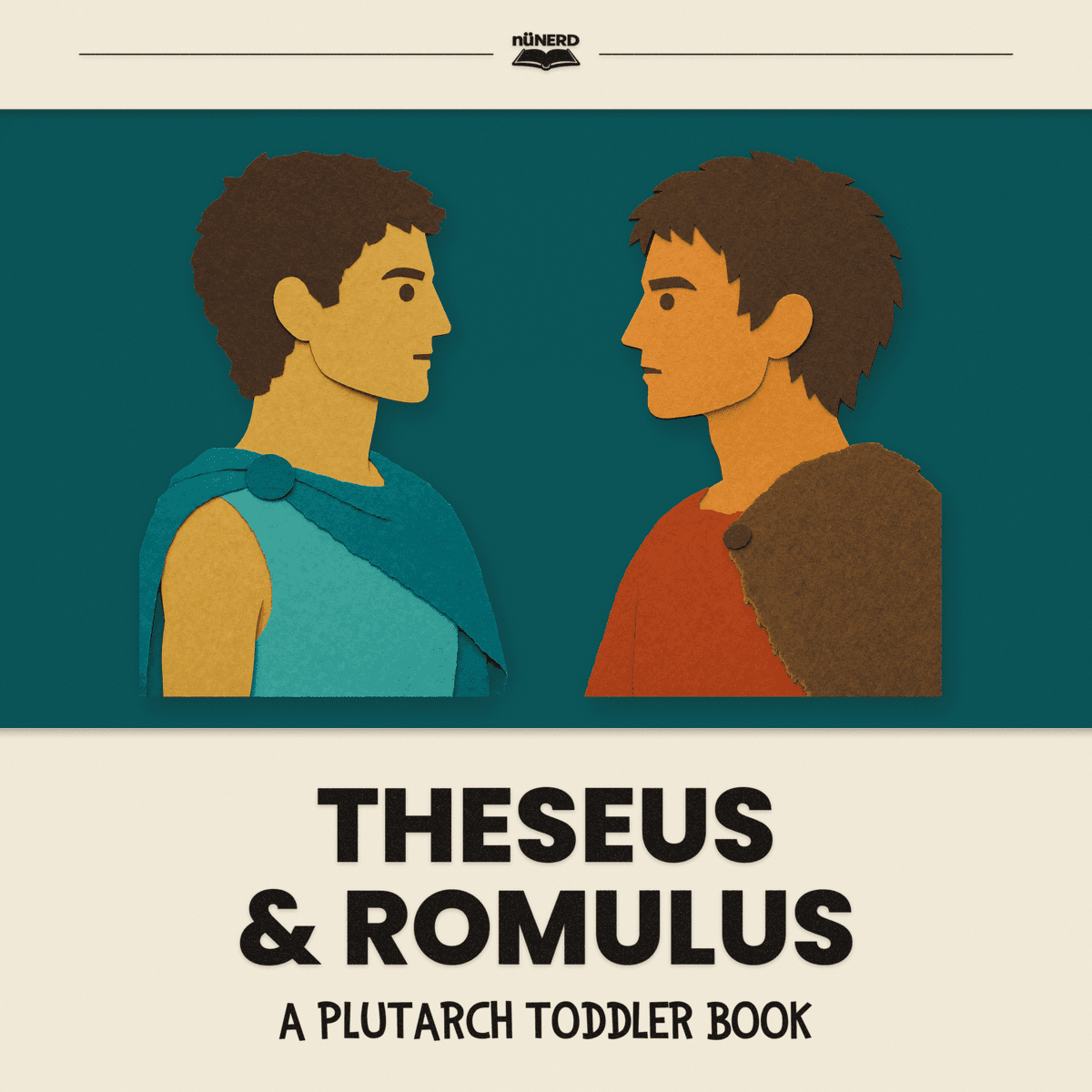
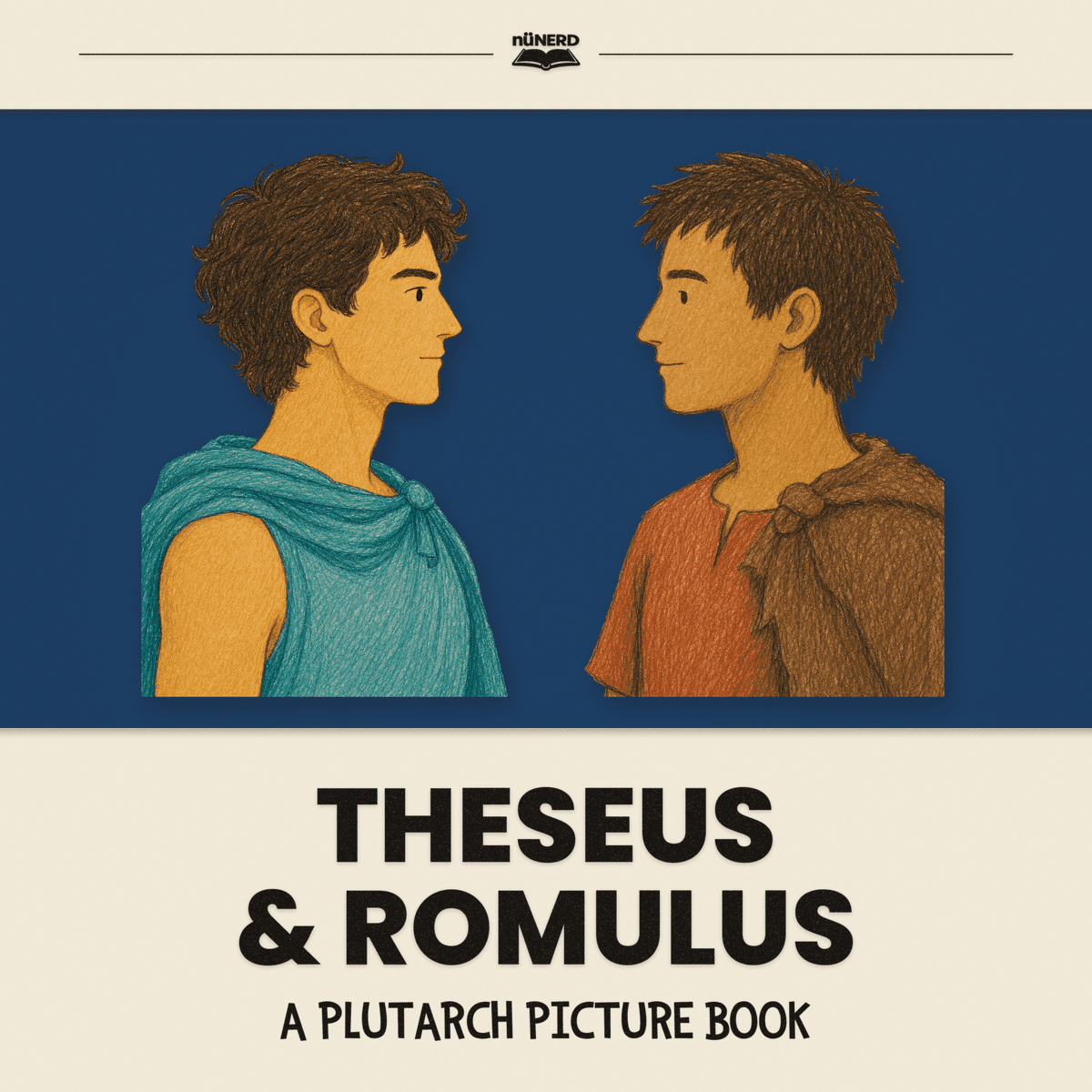
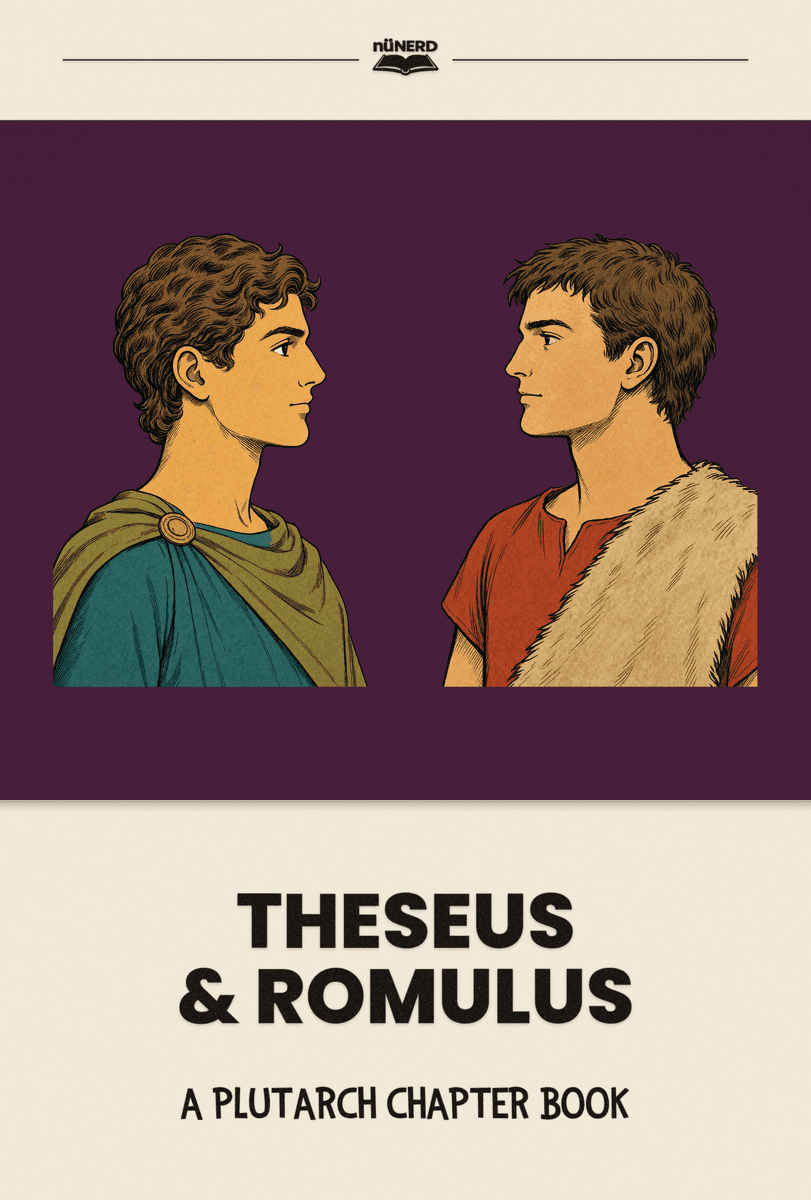
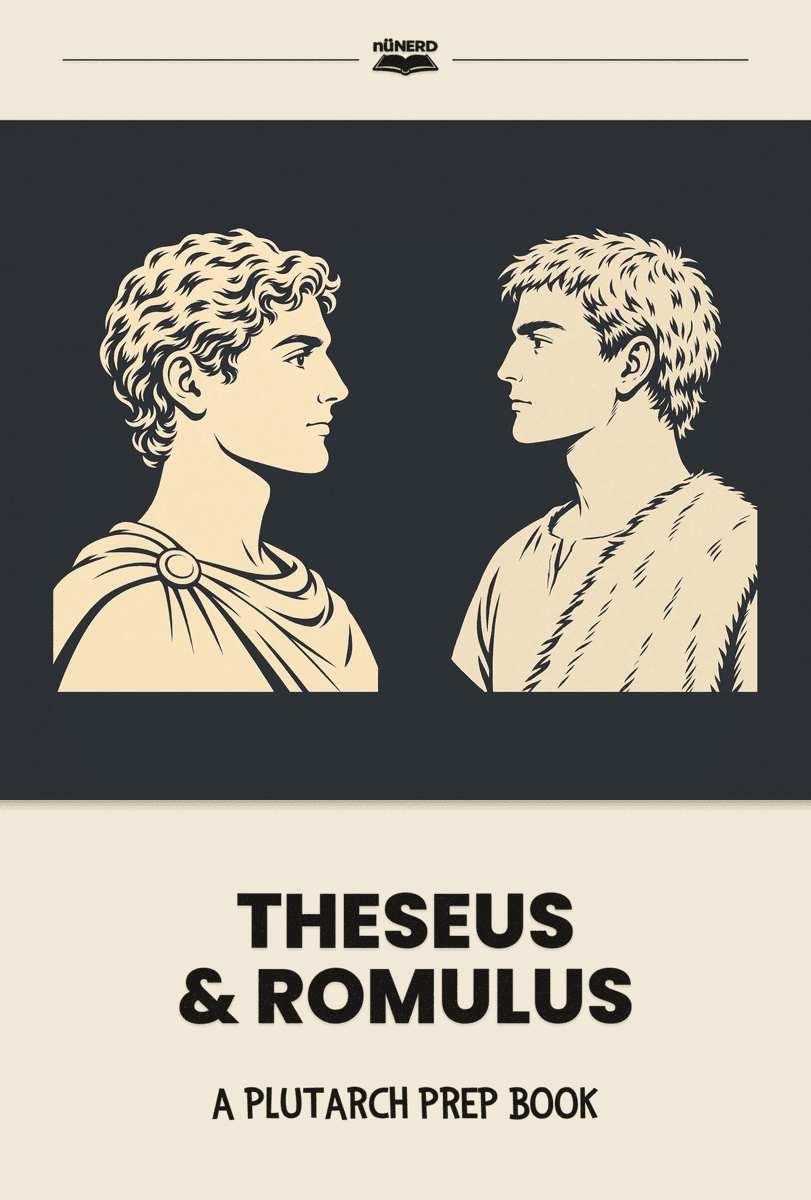
Theseus & Romulus
Theseus talked the scattered villages around Athens into becoming one city. Romulus filled his new city by welcoming anyone who had nowhere else to go.
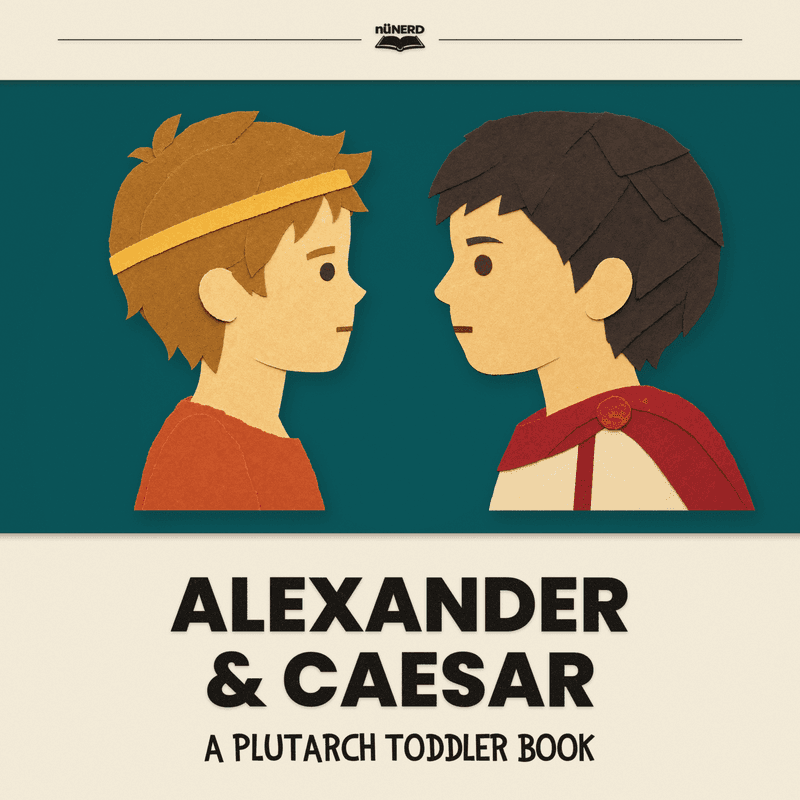
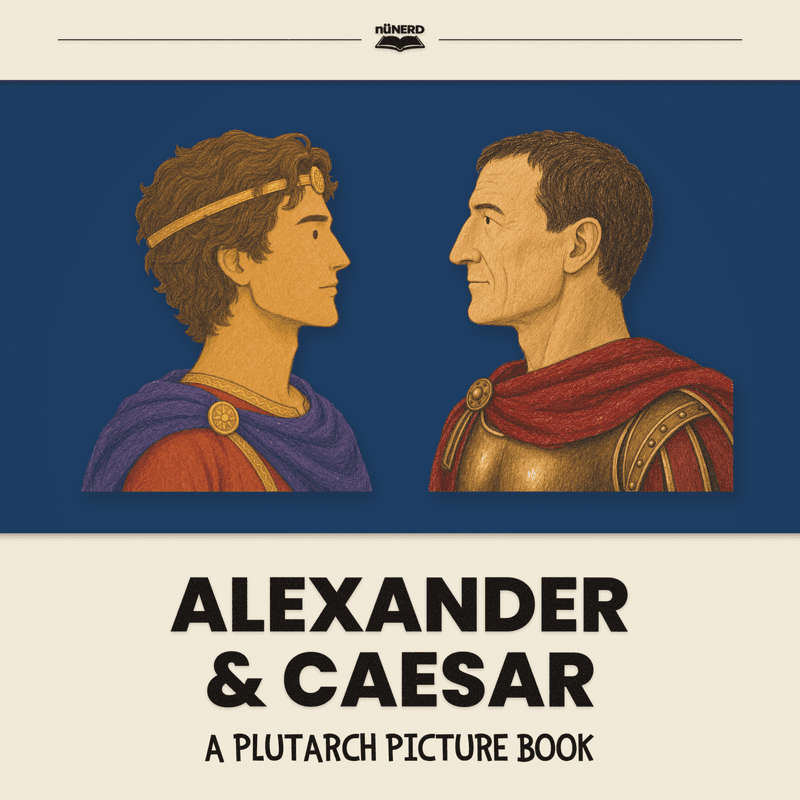
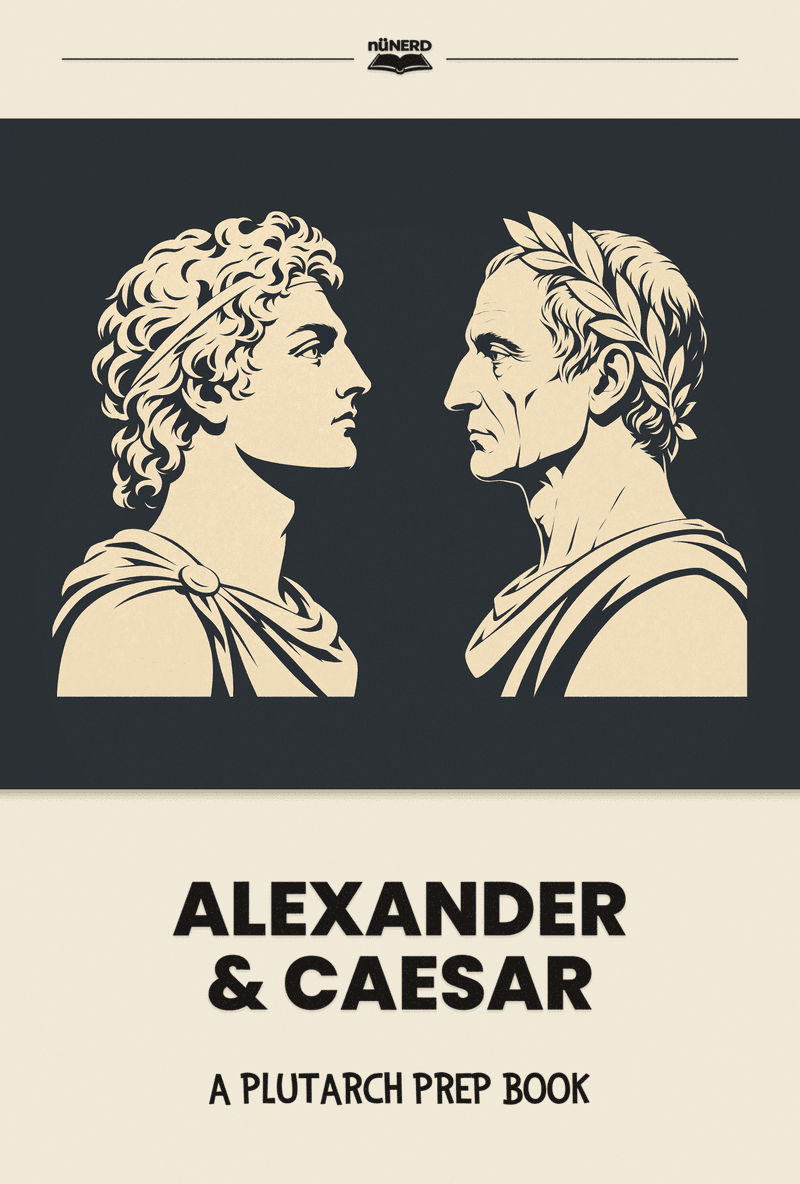
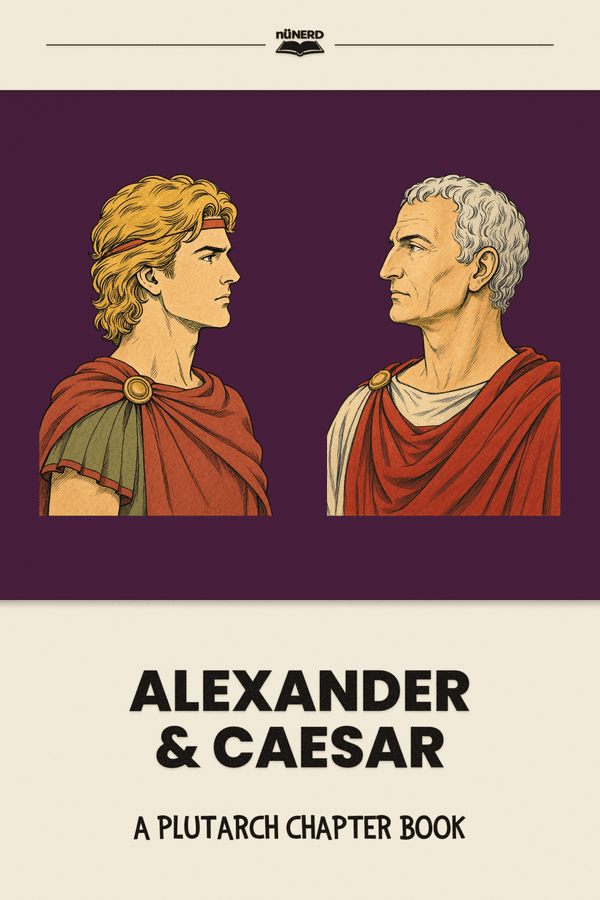
Alexander & Caesar
Caesar once wept reading about Alexander: at the same age, Alexander had conquered much of the world, and Caesar had done nothing memorable yet.
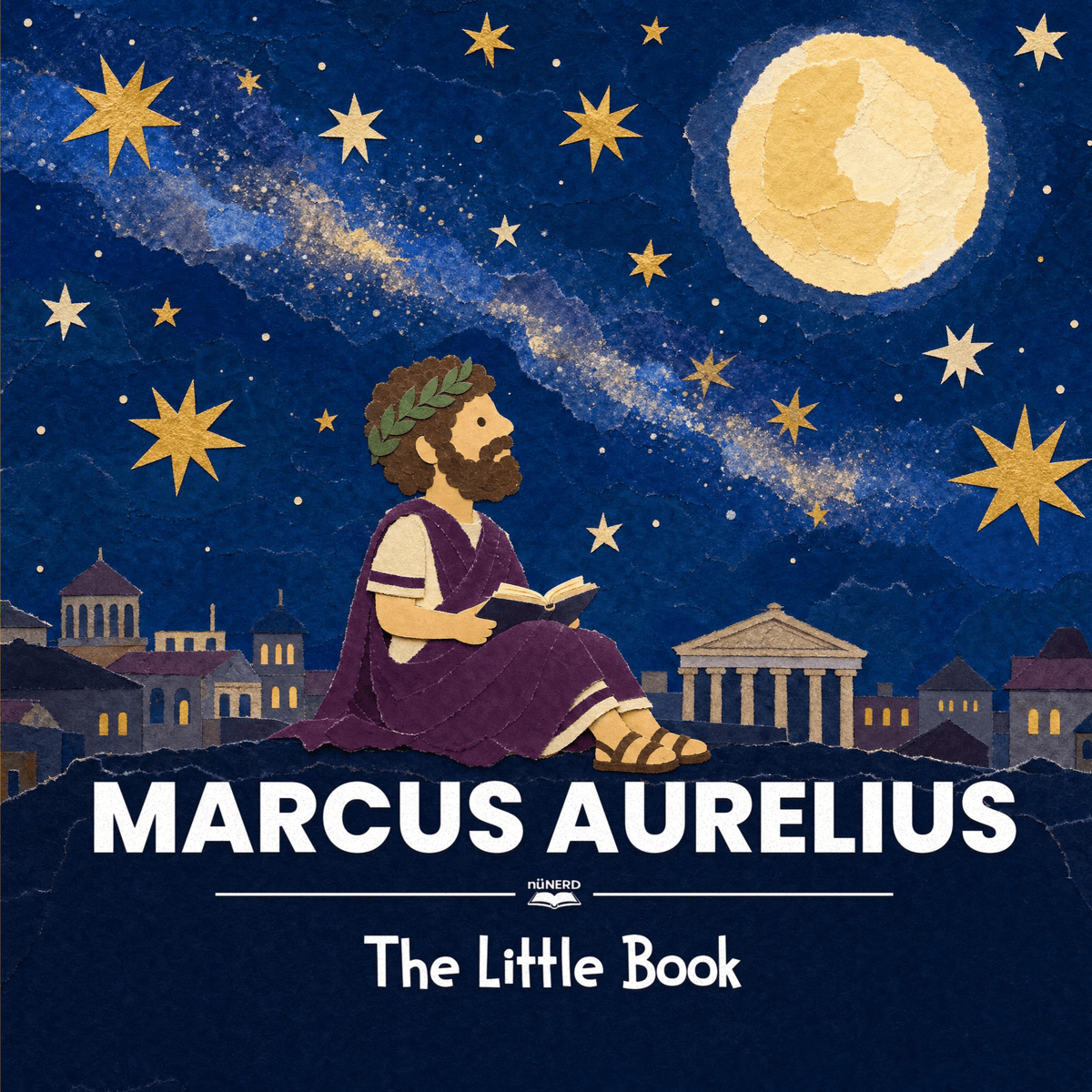
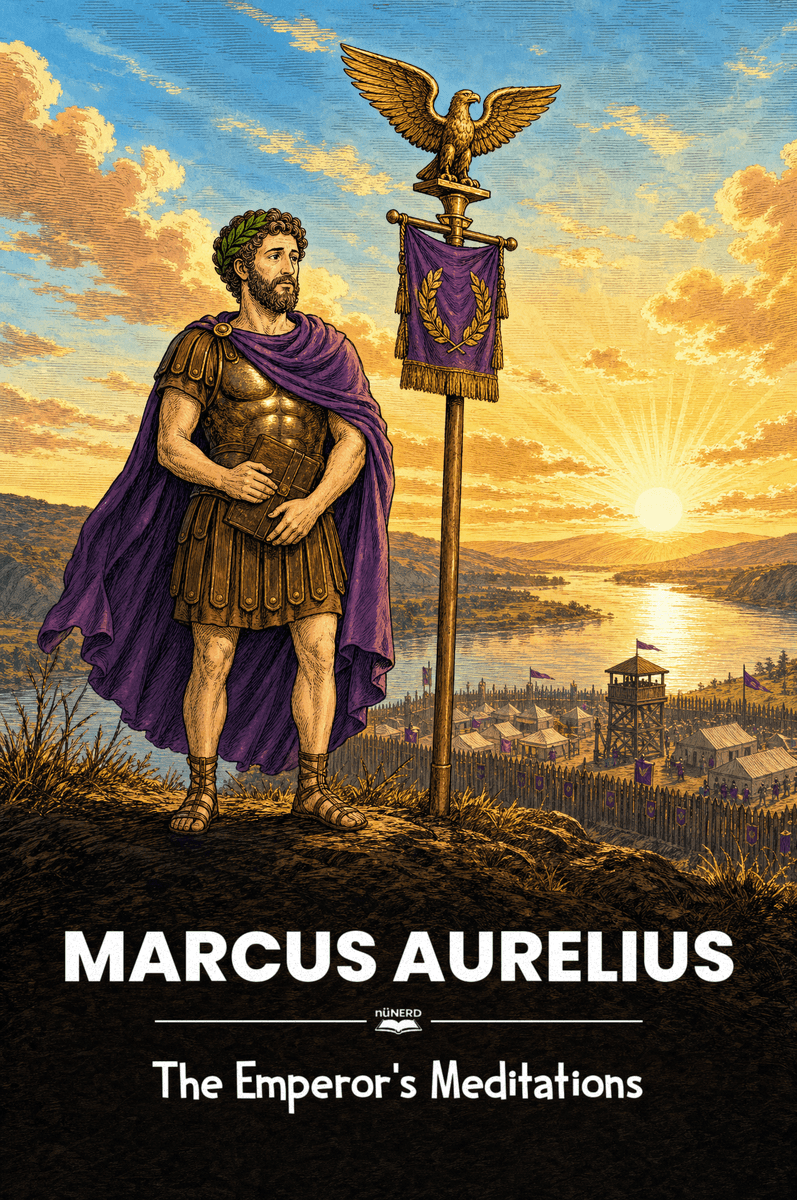
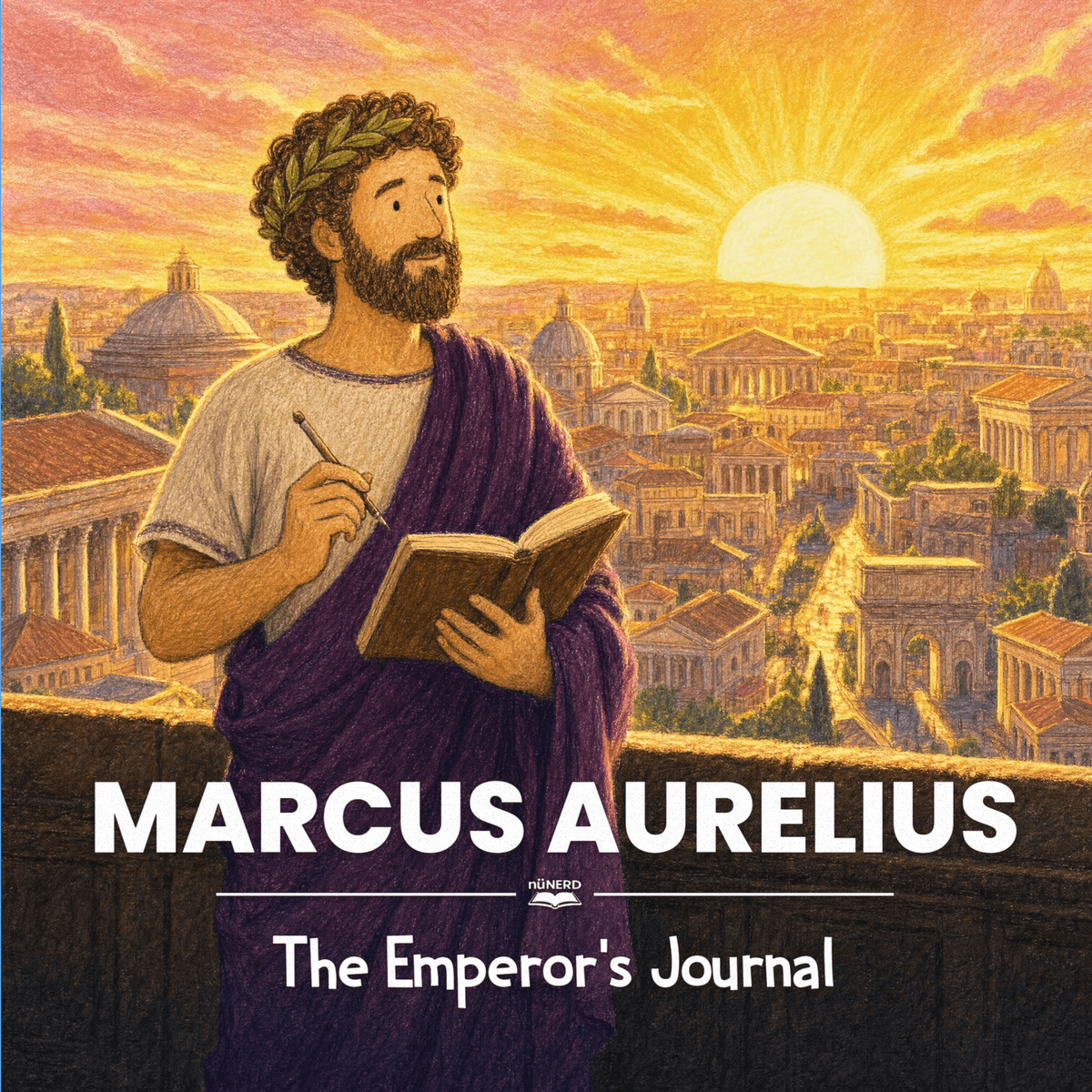
Marcus Aurelius
A Roman emperor kept a private notebook of reminders to be patient, fair and calm, and probably never meant anyone else to read it.
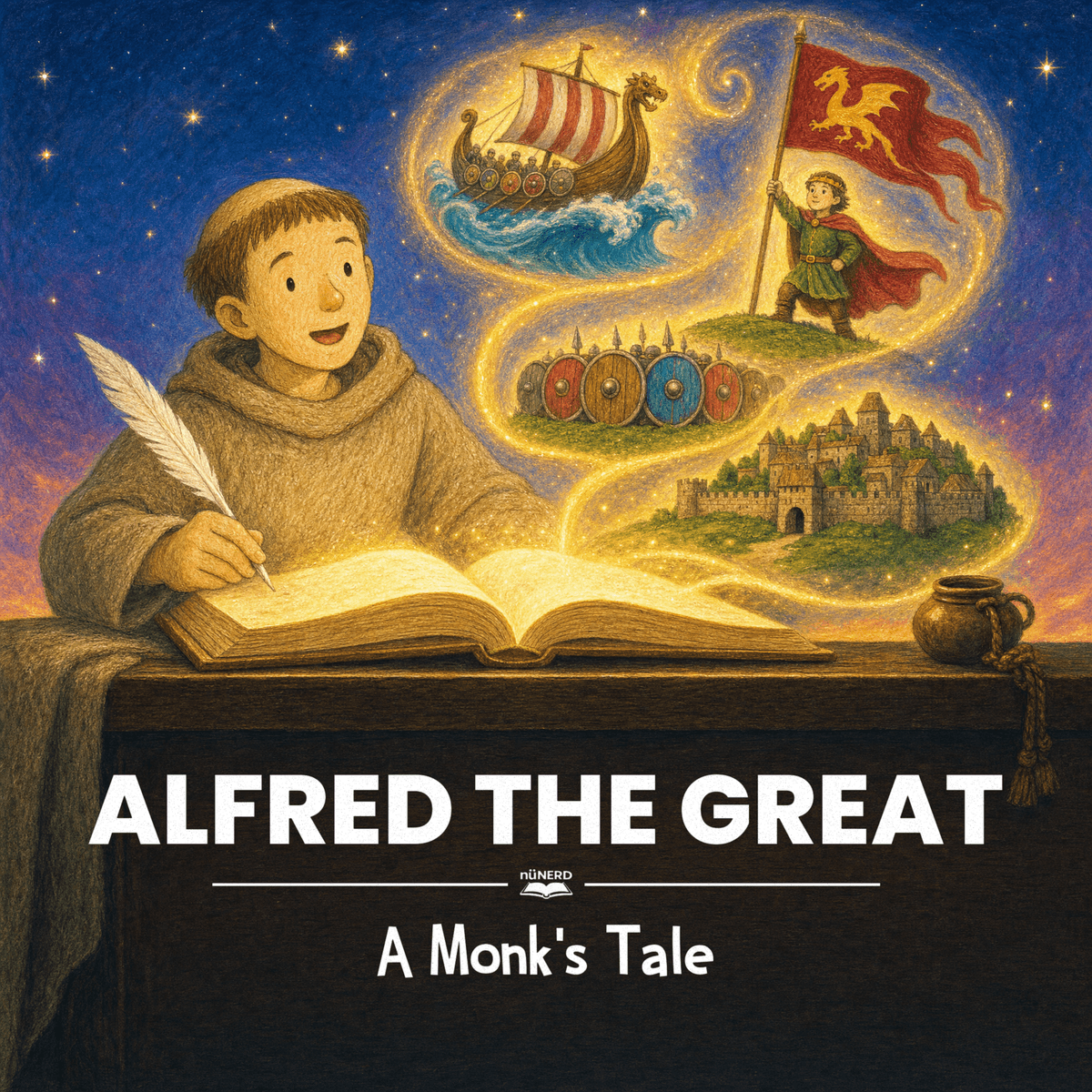
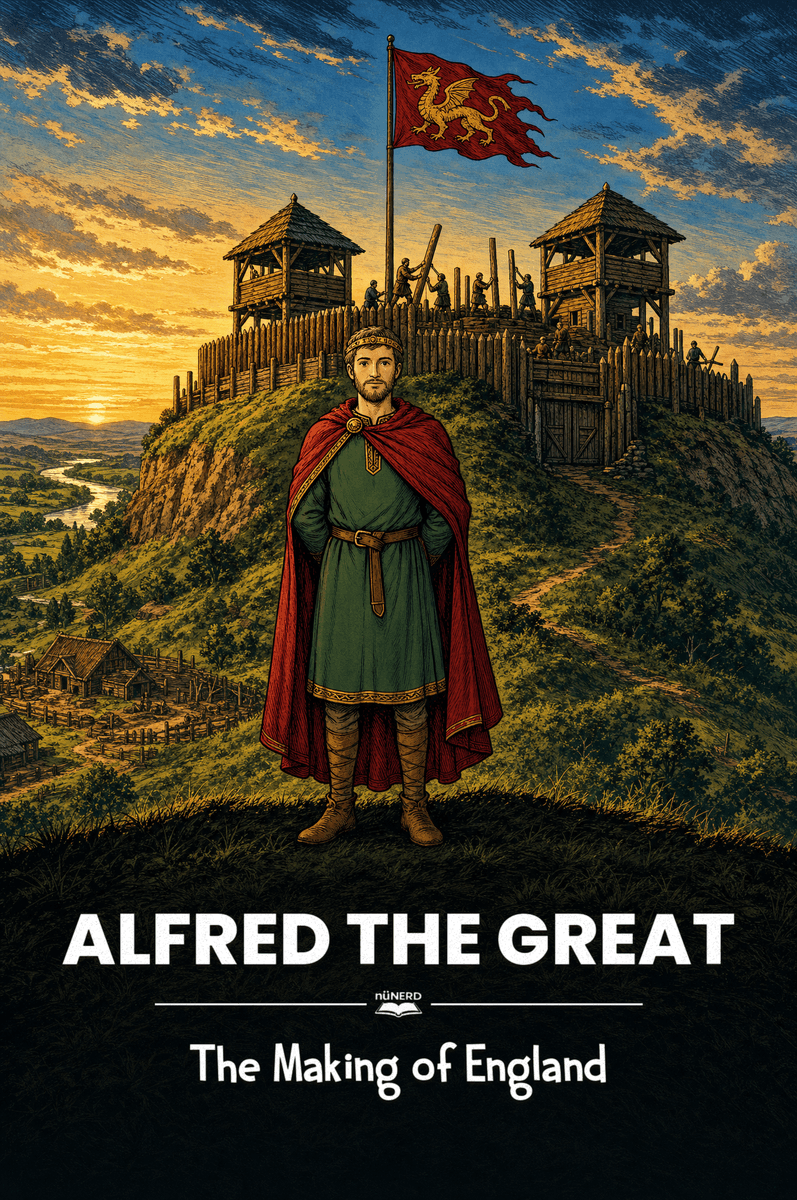
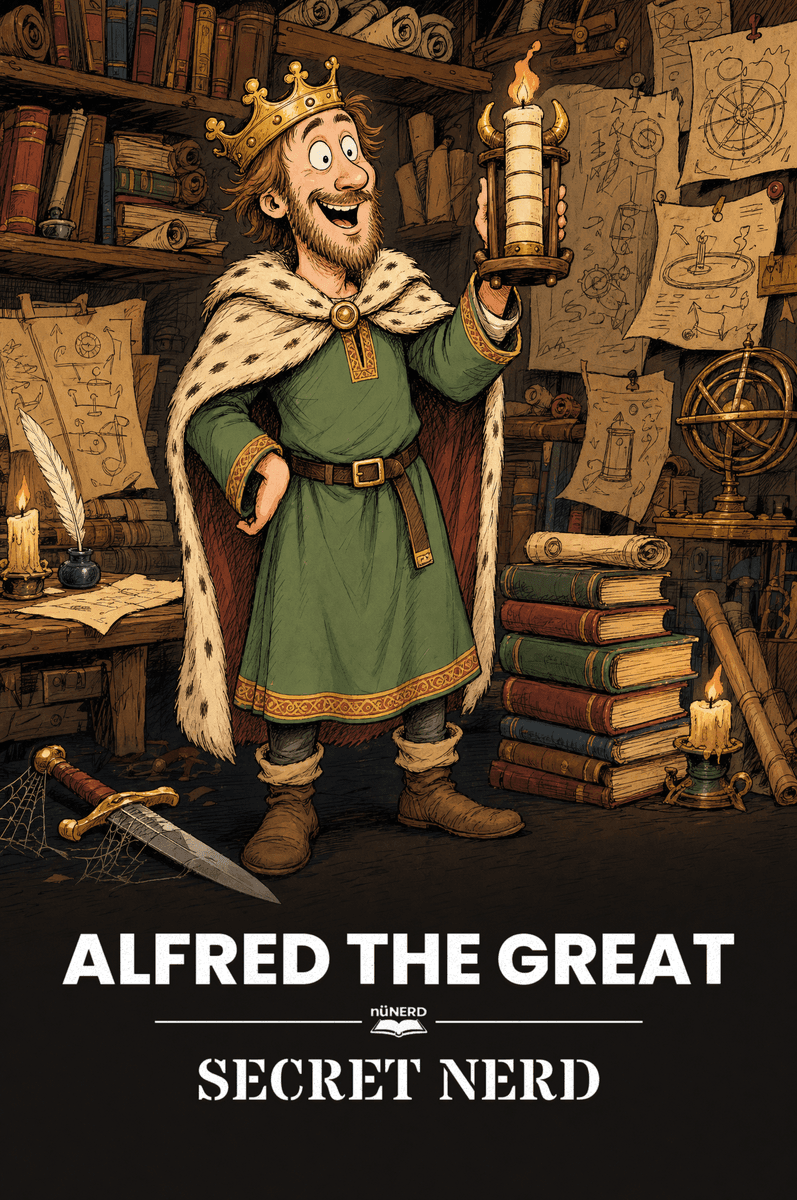
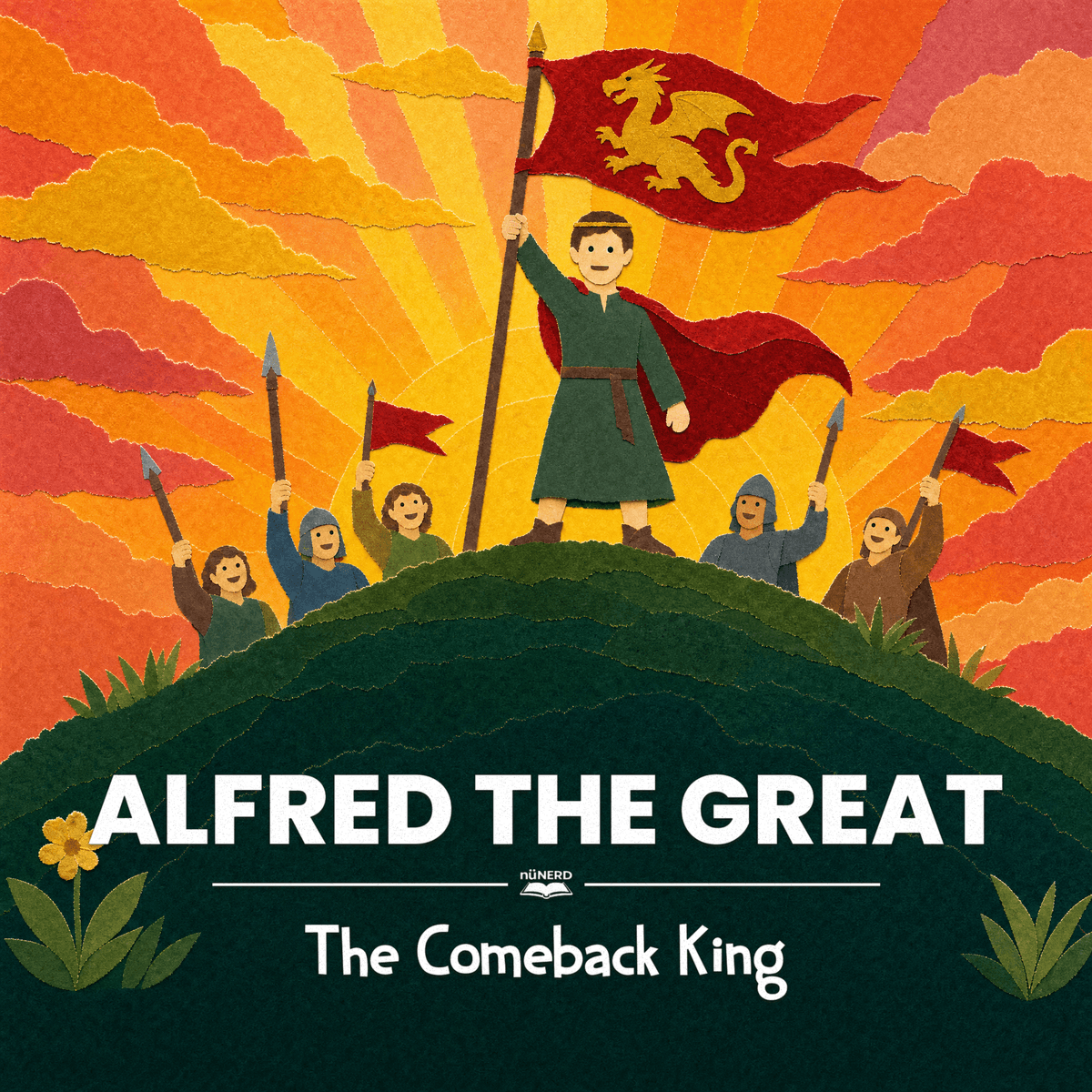
Alfred the Great
A king hides in a swamp, burns a stranger's bread (so the legend goes), comes back to save his kingdom, and spends the peace on schools and books.
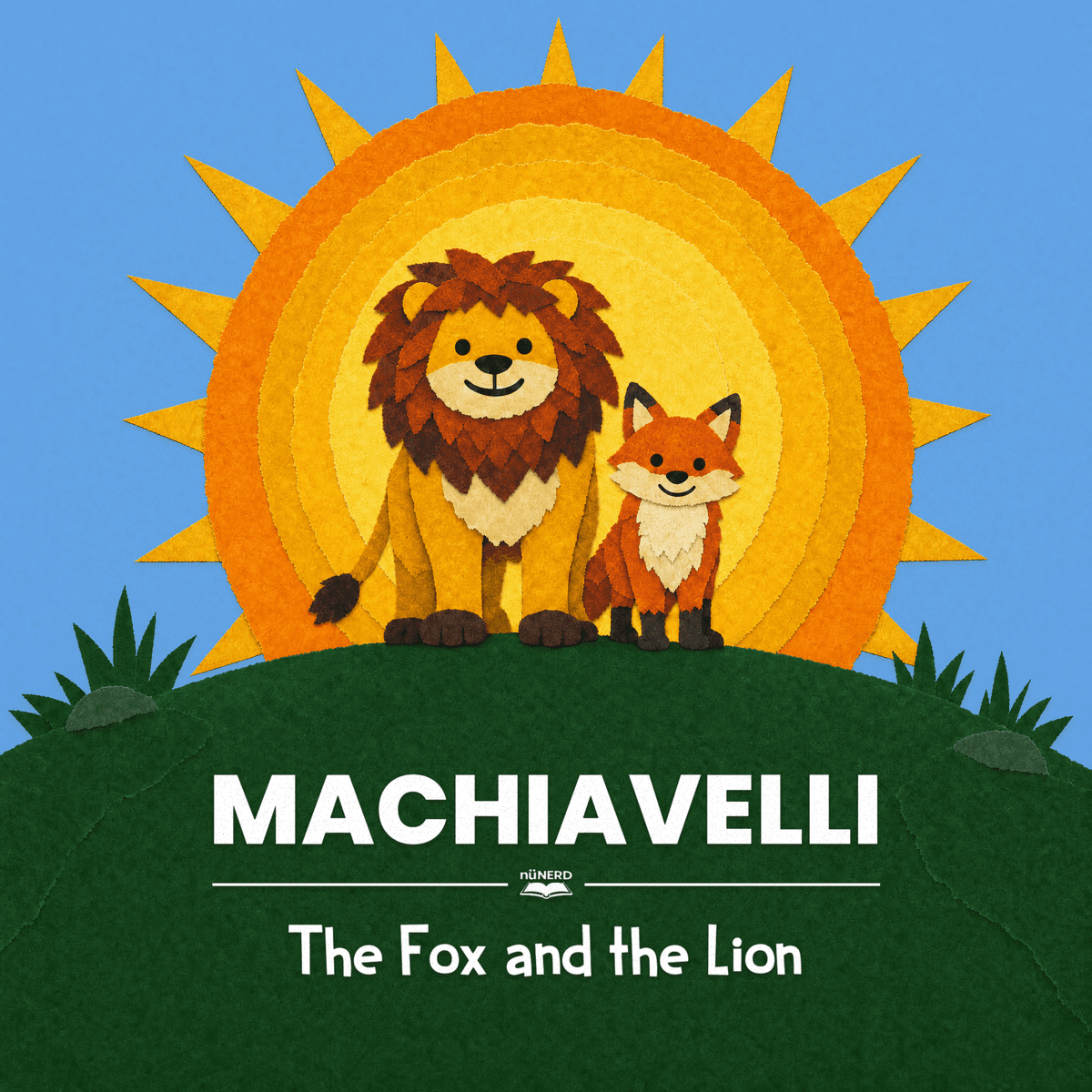
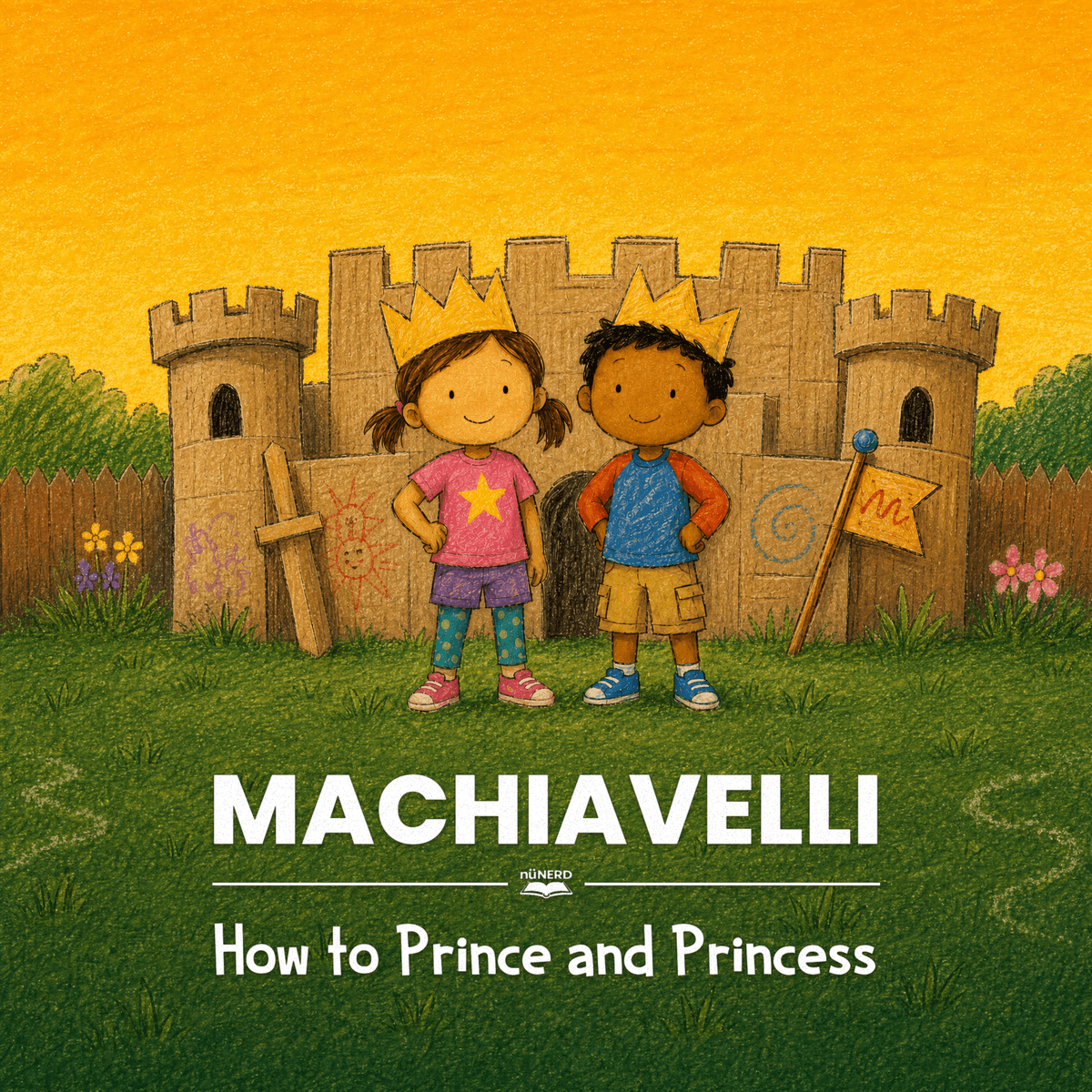
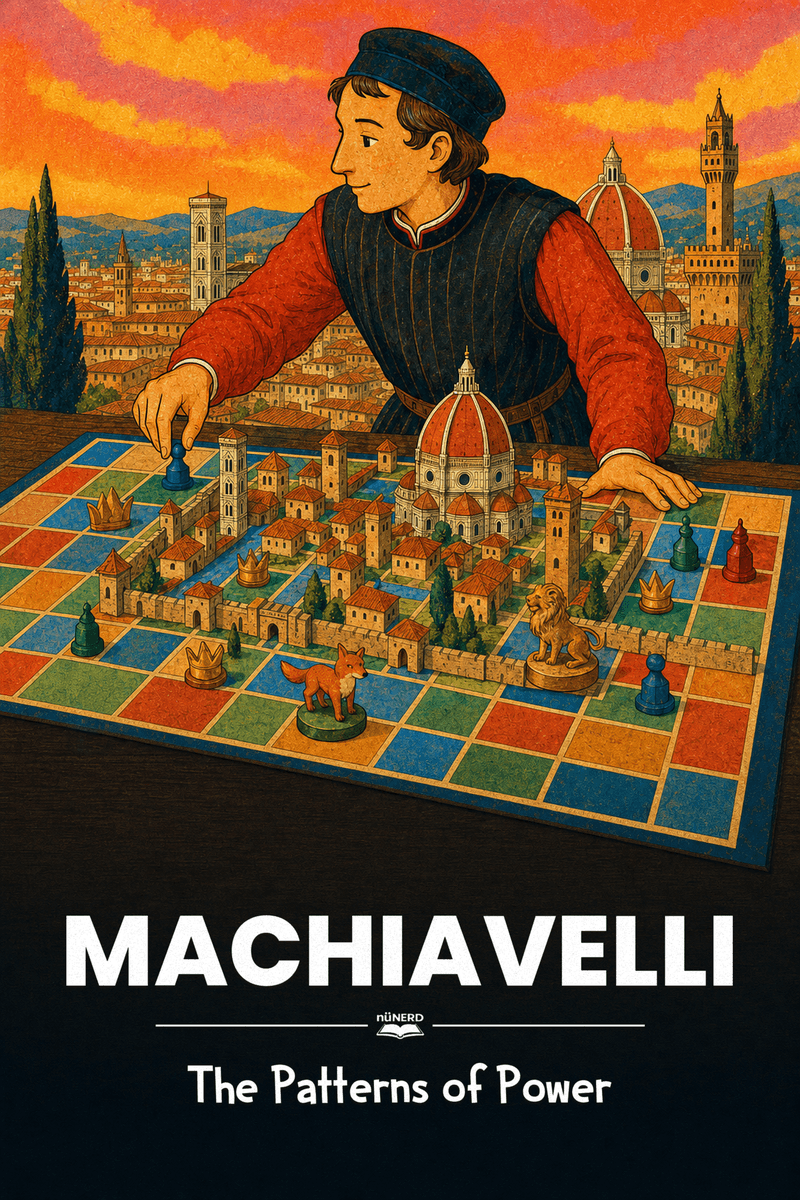
Machiavelli
For centuries “Machiavellian” has meant sneaky and untrustworthy. The man behind the word served a republic, was jailed and tortured when it fell, and wrote a book in praise of republics.
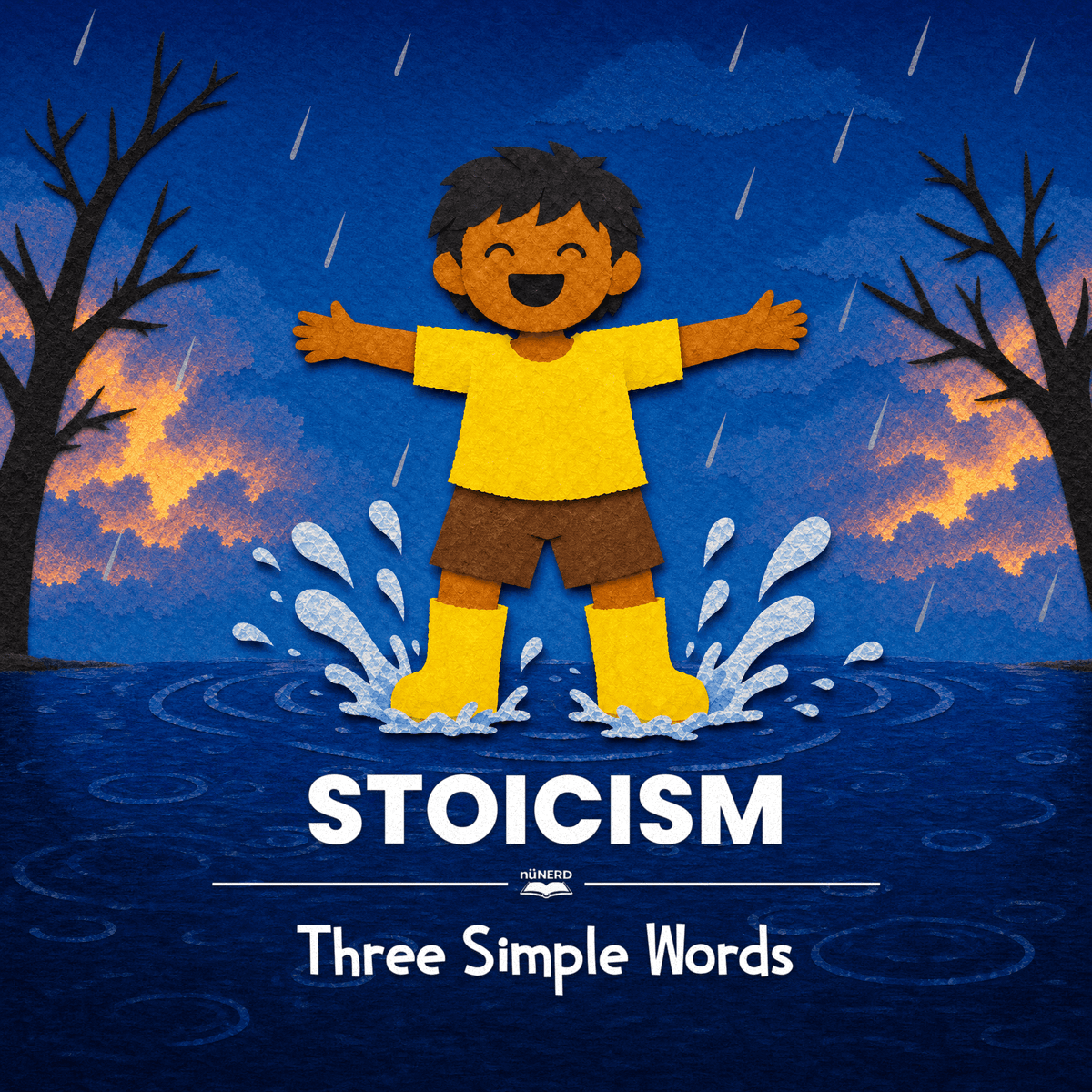
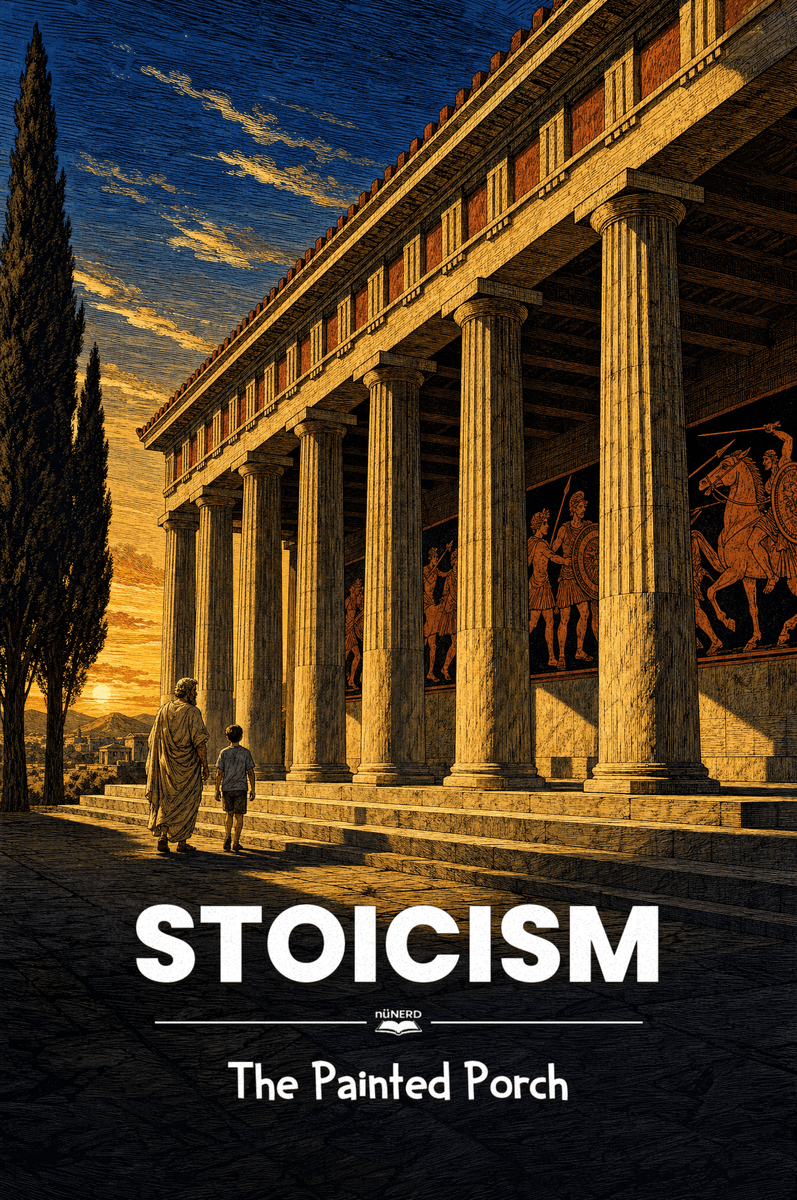
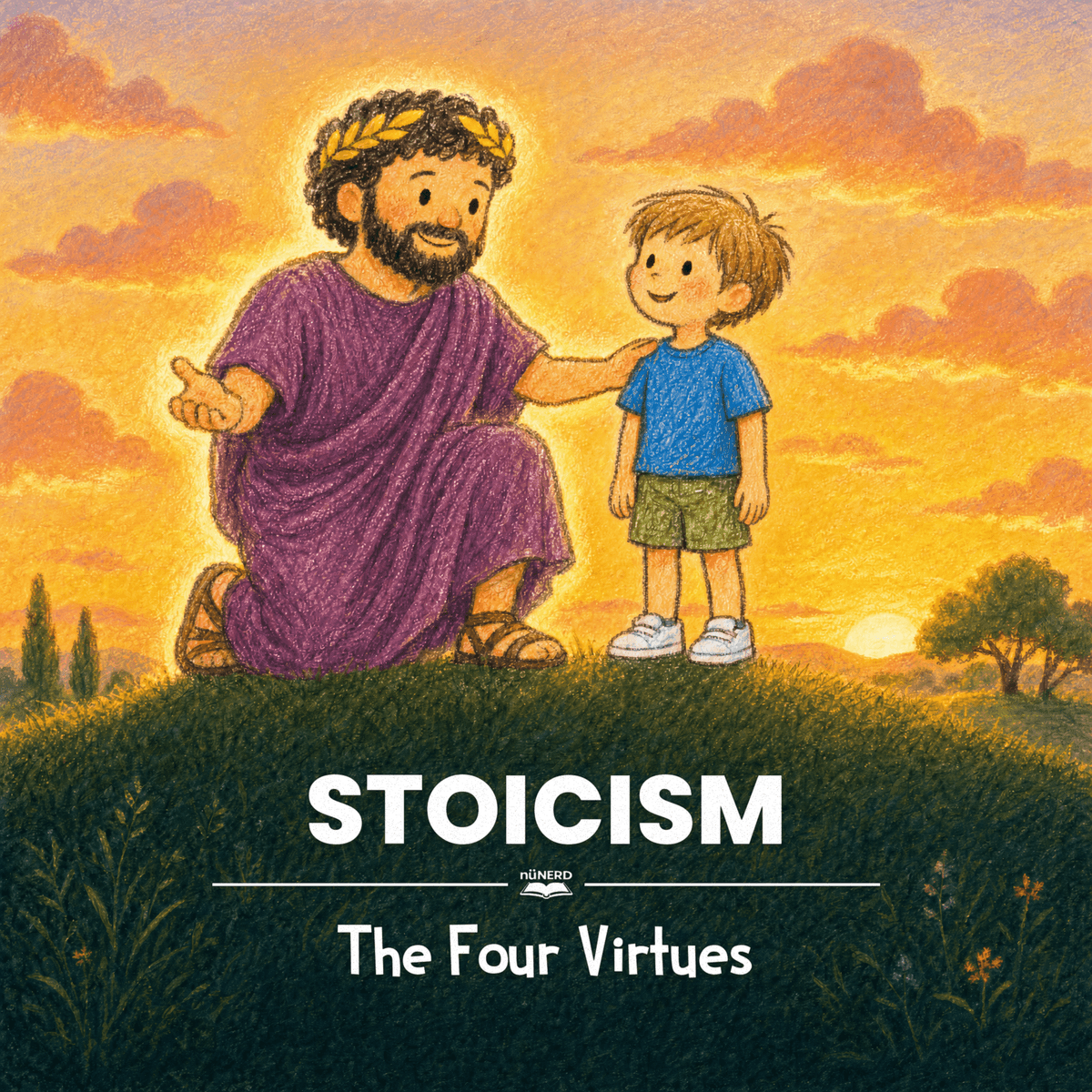
Stoicism
Epictetus's handbook opens by sorting the world into what we control and what we don't. Our toddler book asks the same question about a toppled block tower.
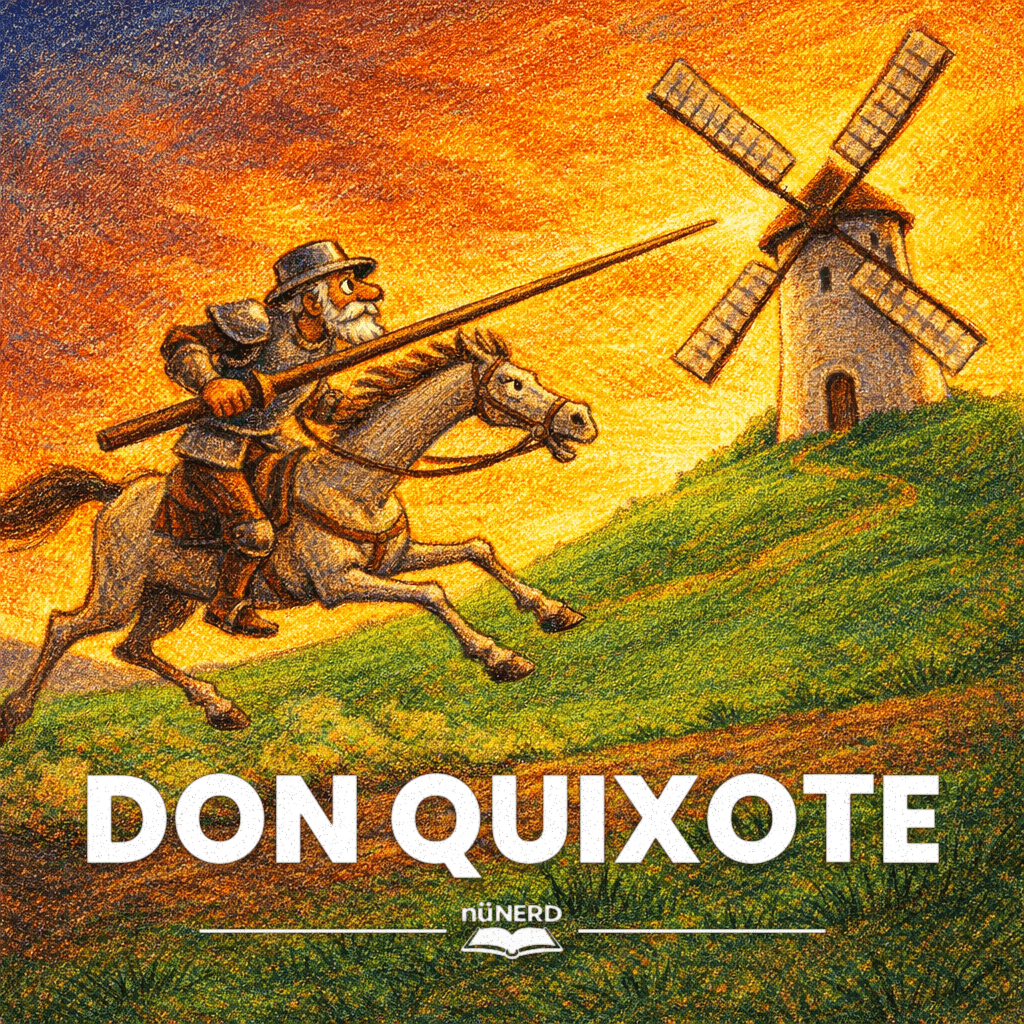
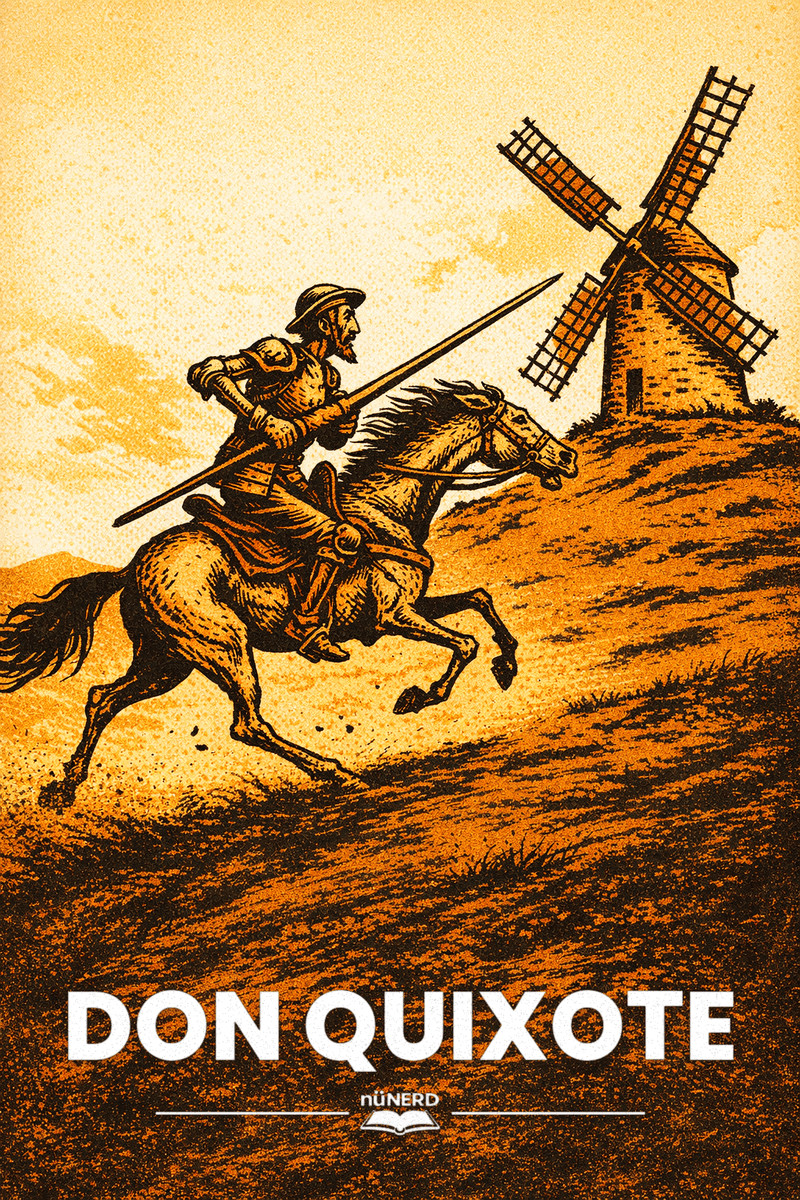
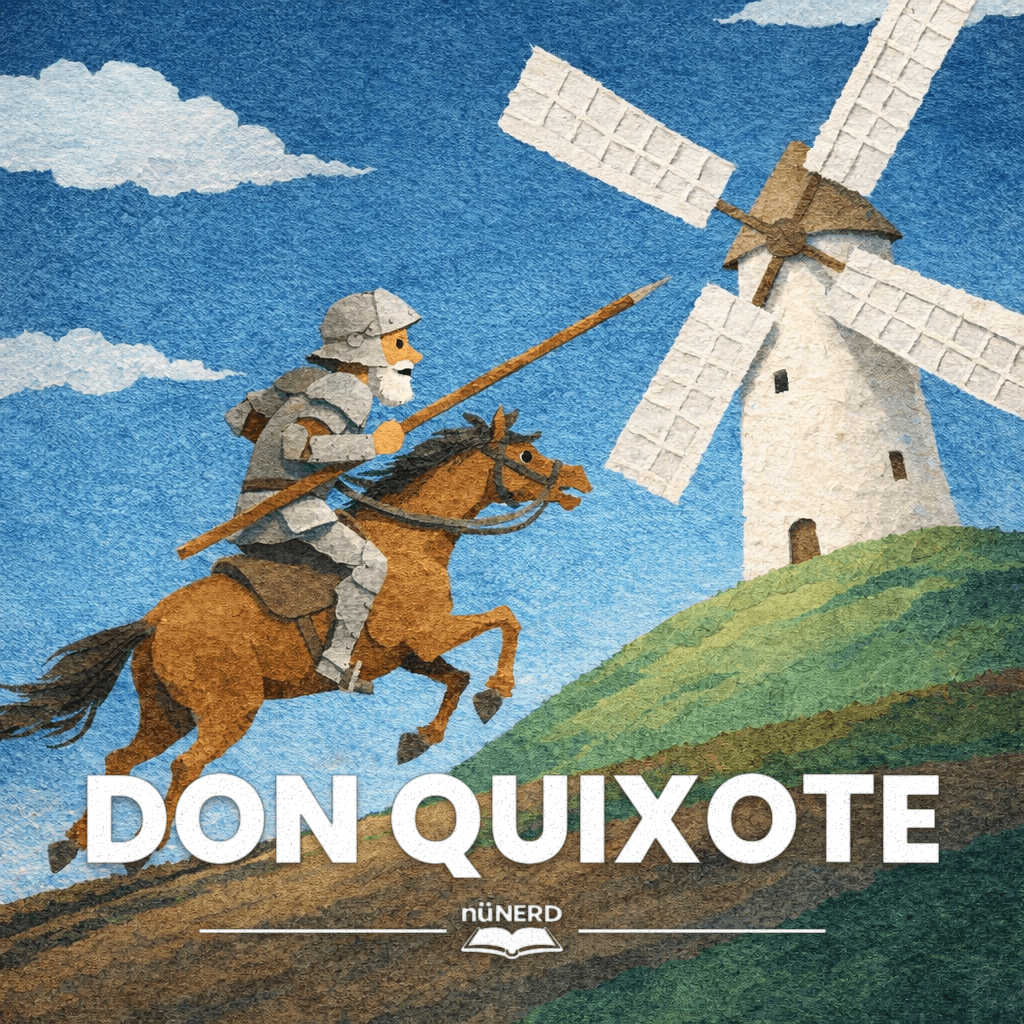
Don Quixote
A man reads so many adventure stories that he sets out to become a knight, and fights windmills he thinks are giants.
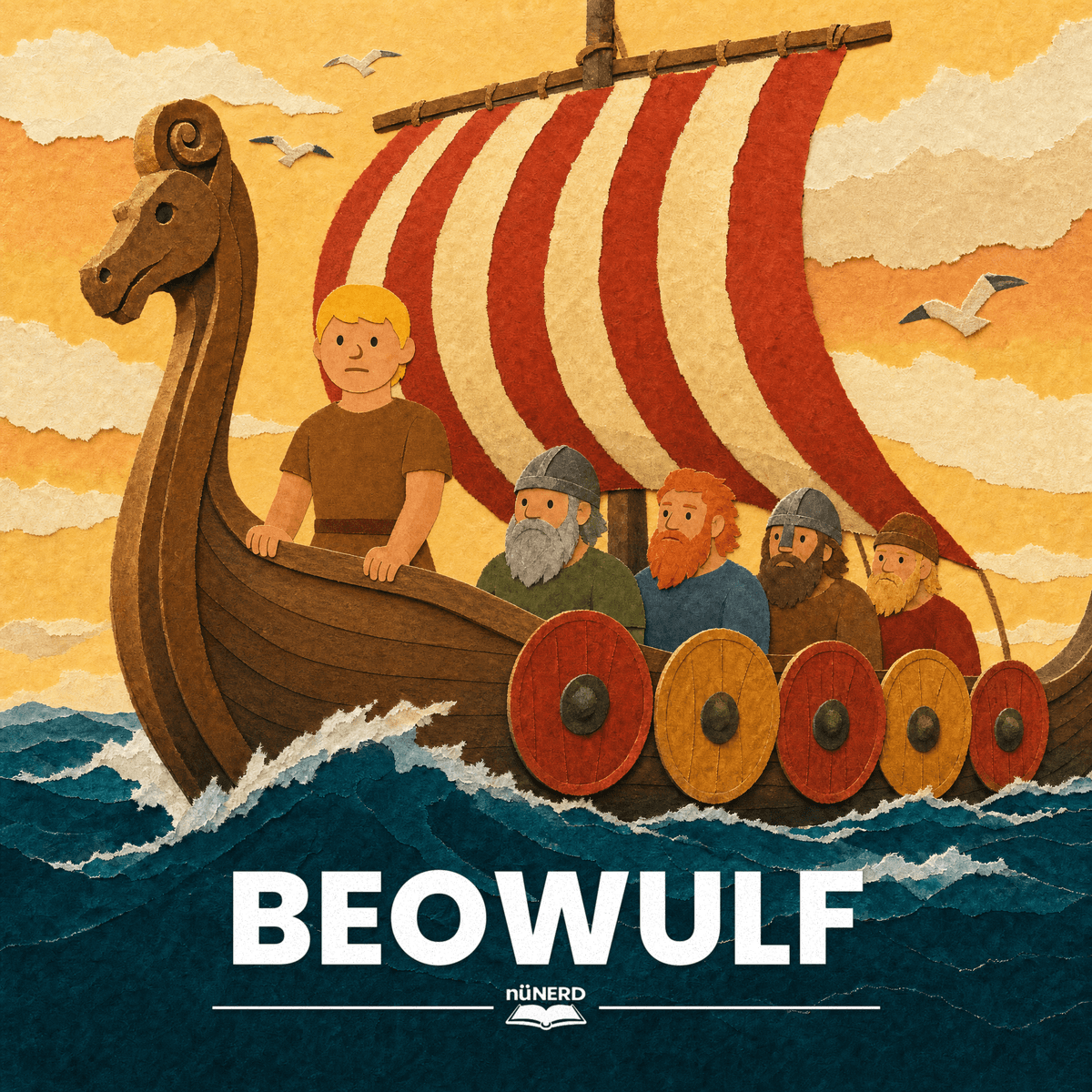
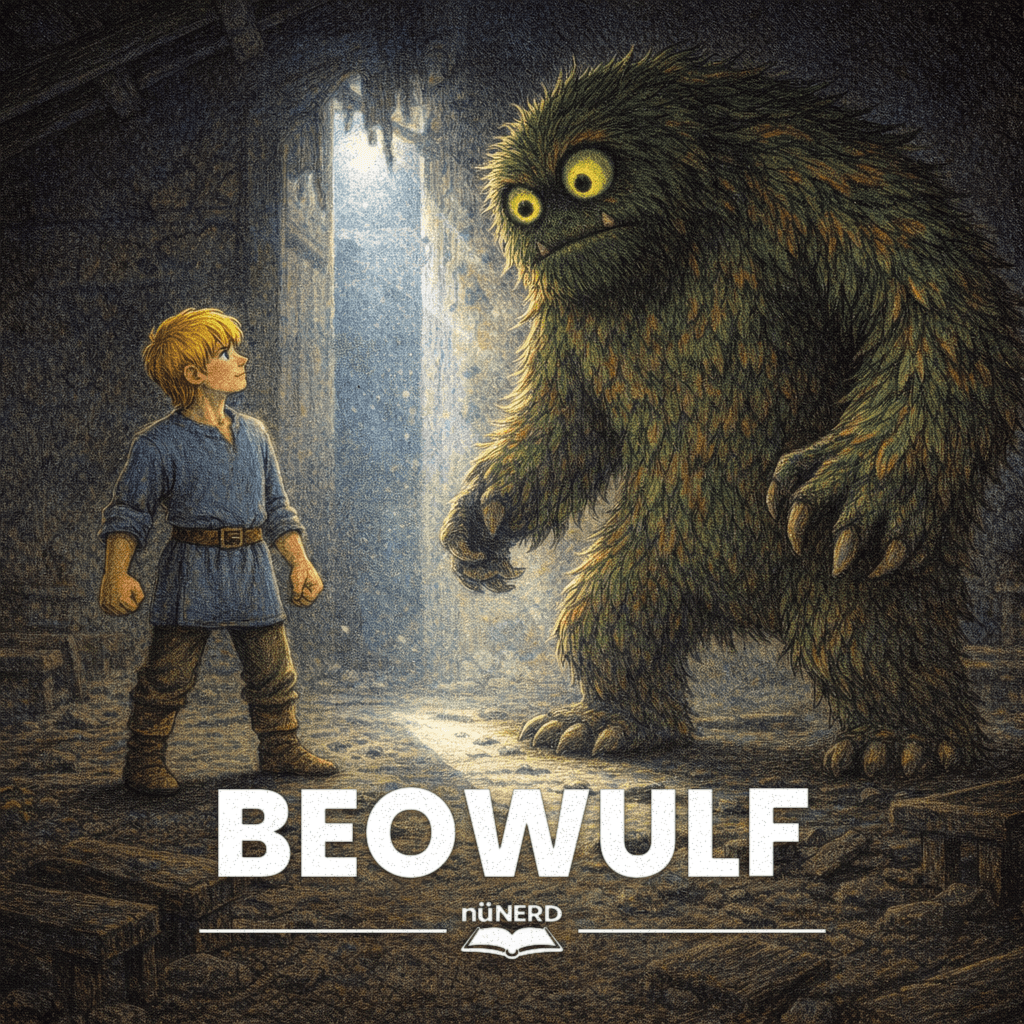
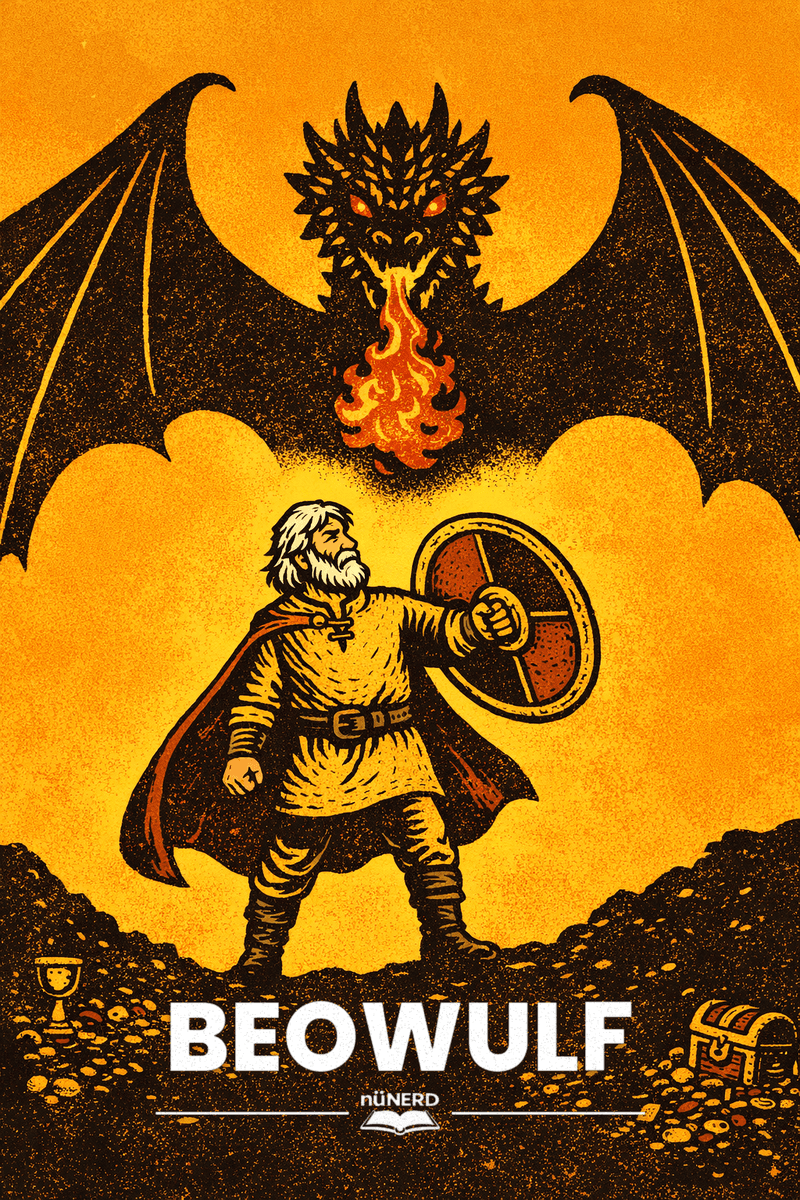
Beowulf
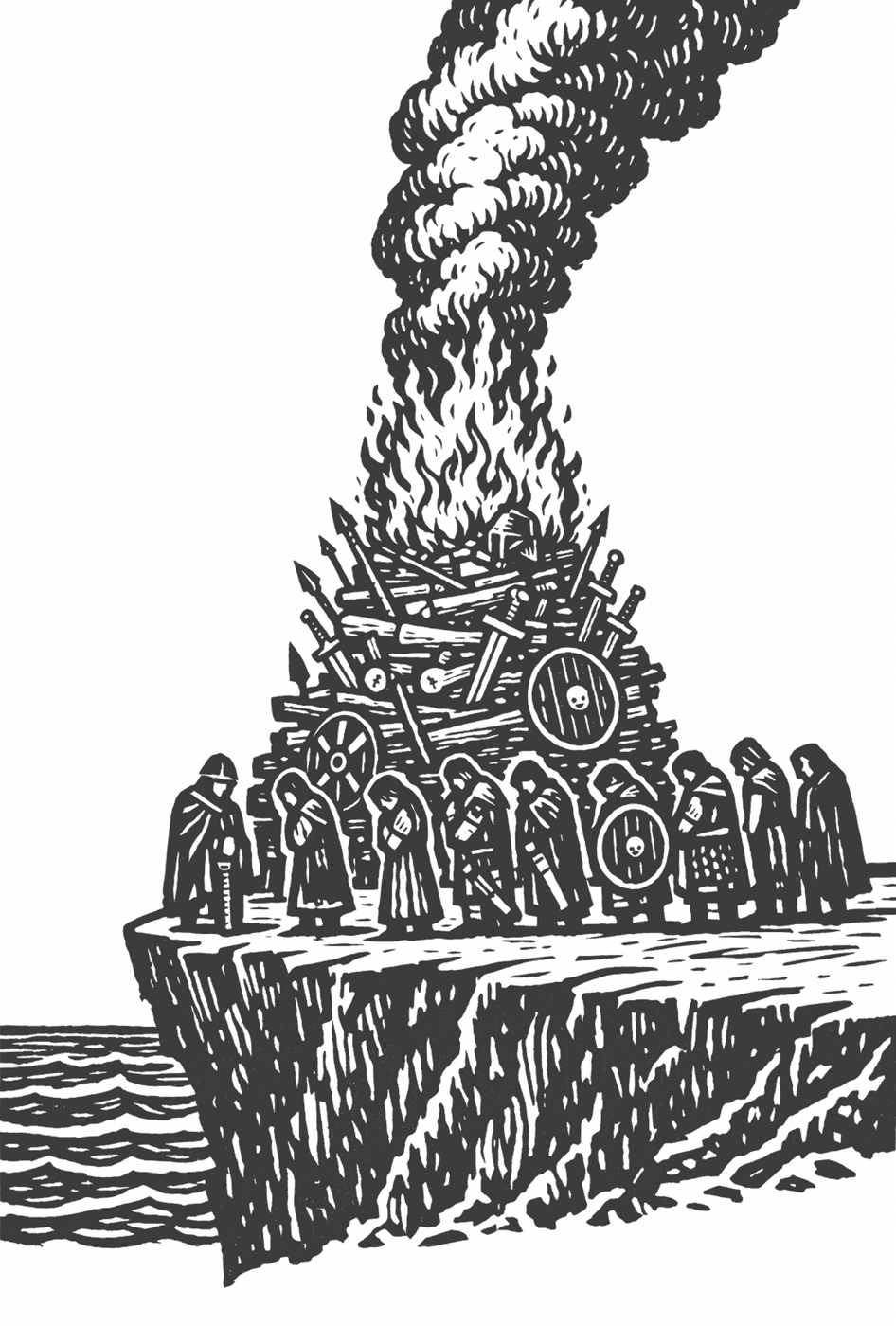
The only copy of Beowulf nearly burned in a library fire in 1731 and came through with its edges scorched.
Who makes them
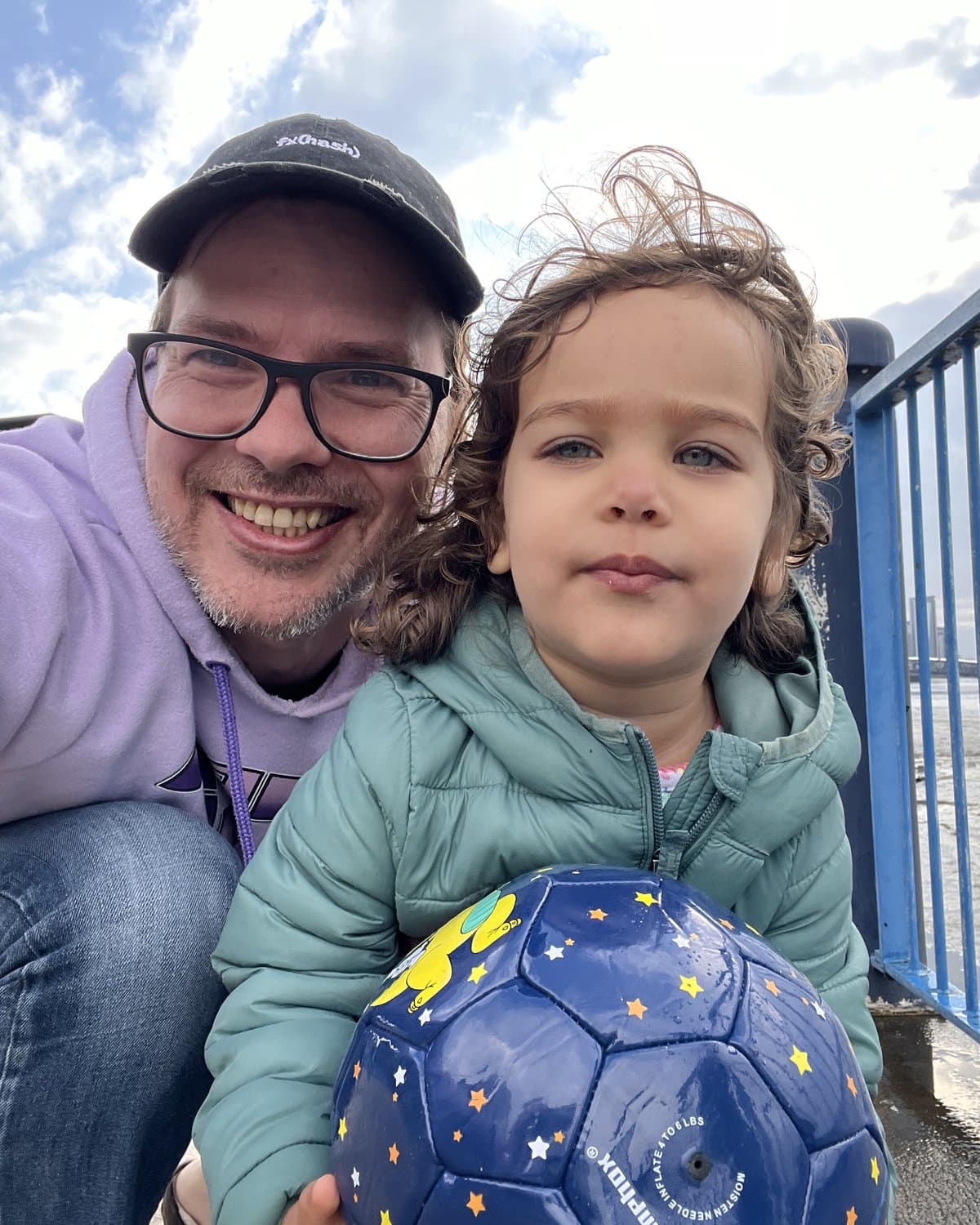
Noah Watkins
Noah is a UK-based small business owner and history enthusiast. nüNERD is his passion project. When he couldn't find the books he wanted for his daughter, he started making them himself.
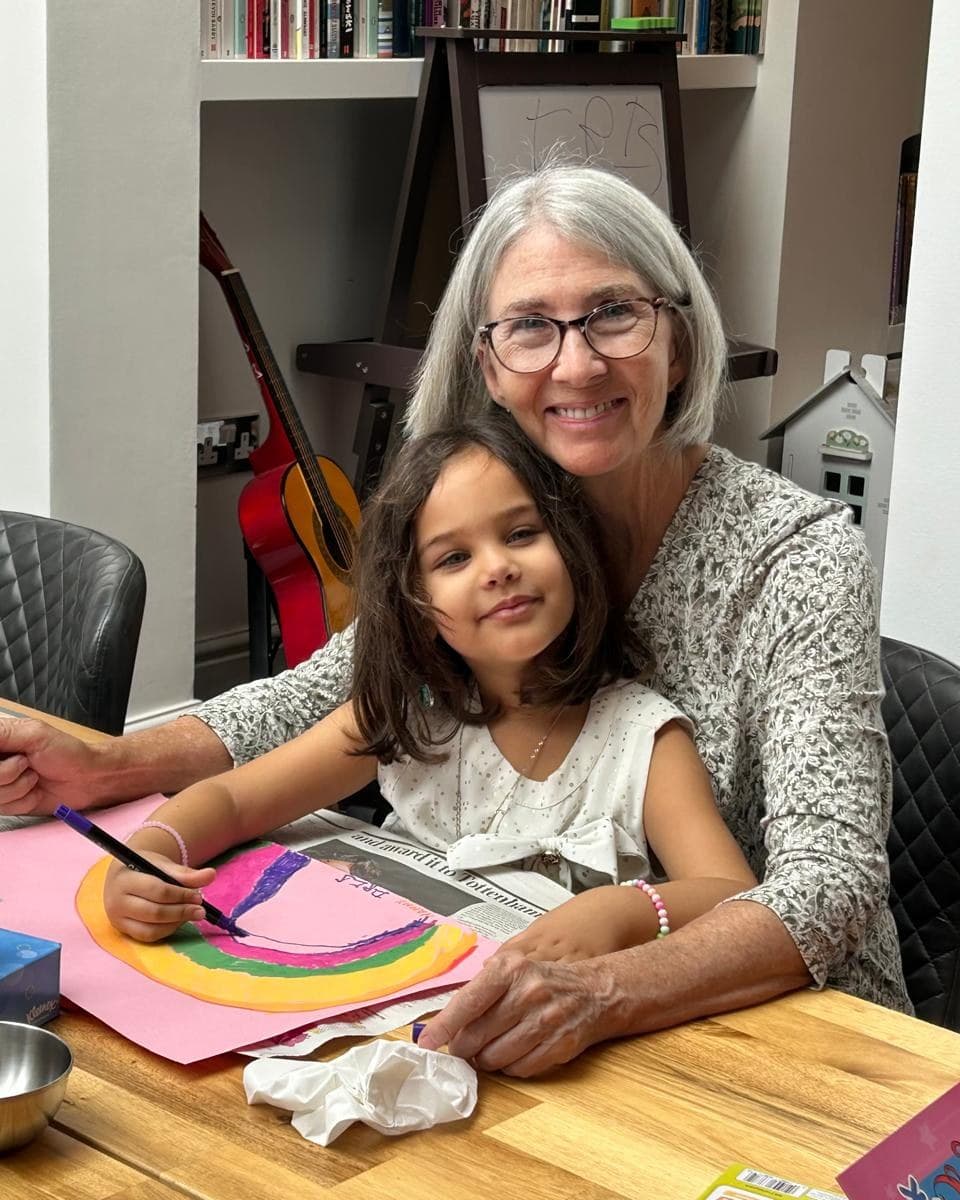
Karen Gregory
Karen spent thirty years in education, first in the classroom, then as a principal and district administrator. She edits every nüNERD manuscript, and she's also Noah's mom.
Two people. 49 books.
We’re transparent about how and why we use AI, and about the checks every book goes through before it ships.
How we use AI