June 23, 2026
Who Was Plutarch, and What Is the Parallel Lives?
Plutarch was a Greek writer and priest who lived from about AD 46 to some time after 119, and his best-known work is the Parallel Lives, written in the early second century AD. It is a set of biographies in pairs. Each pair sets a famous Greek beside a famous Roman, tells each life in full, and in most pairs ends with a short chapter called a synkrisis (Greek for "comparison") that weighs the two men against each other. Twenty-two pairs survive, and eighteen of them still end with that comparison. Plutarch wrote to show character more than to record battles and dates, and once the Lives were translated in the Renaissance, teachers used them for centuries to show young people what a good life, and a wasted one, can look like.
Where and when did Plutarch live?
He was born around AD 46 in Chaeronea, a small town in the Greek region of Boeotia, northwest of Athens, and he stayed loyal to it his whole life. He studied in Athens, traveled, lectured in Rome, and became a Roman citizen, but he spent his later decades at home, serving as a local magistrate and, for many years, as a priest at the oracle of Delphi. He died some time after 119. He never wrote his own life. What we know comes in scraps from his essays, like the letter of comfort he wrote his wife when their small daughter died.
Every topic, its own book at each reading level
History, philosophy, and classic literature for kids ages 0–14.
What did Plutarch write?
Two large bodies of work survive. The Parallel Lives is the one homeschool families meet first. The Moralia is a collection of more than seventy essays and dialogues on everything from how to tell a friend from a flatterer to how a young man should read poetry. He did not invent biography (Xenophon and Cornelius Nepos wrote lives before him), but his are the lives later readers kept coming back to.
How does the pairing work?
Plutarch chose two lives that invite comparison: two founders, two lawgivers, two orators, two conquerors. Each man gets his own biography, full of the small moments Plutarch liked best: a joke at dinner, a kindness to a prisoner, a temper that gave him away. He explains why at the start of his Life of Alexander: he is writing lives, not histories, and a small thing like a remark or a joke often shows more of a man's character than a battle where thousands die. Then, in the synkrisis, he sets the two men side by side and asks who faced the harder road and who deserves more credit.
From the books
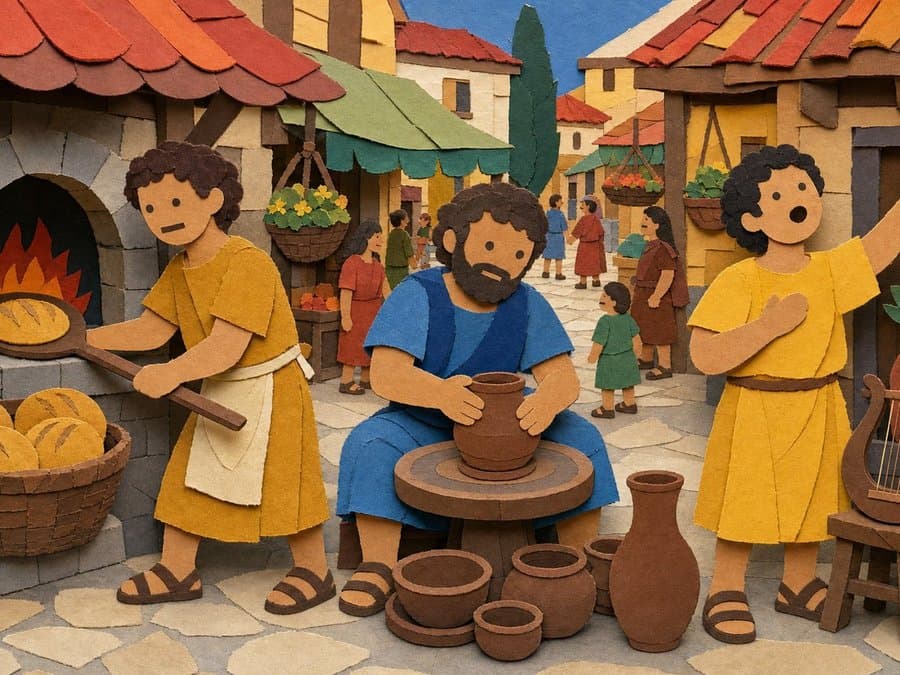
Toddler book, ages 0–4
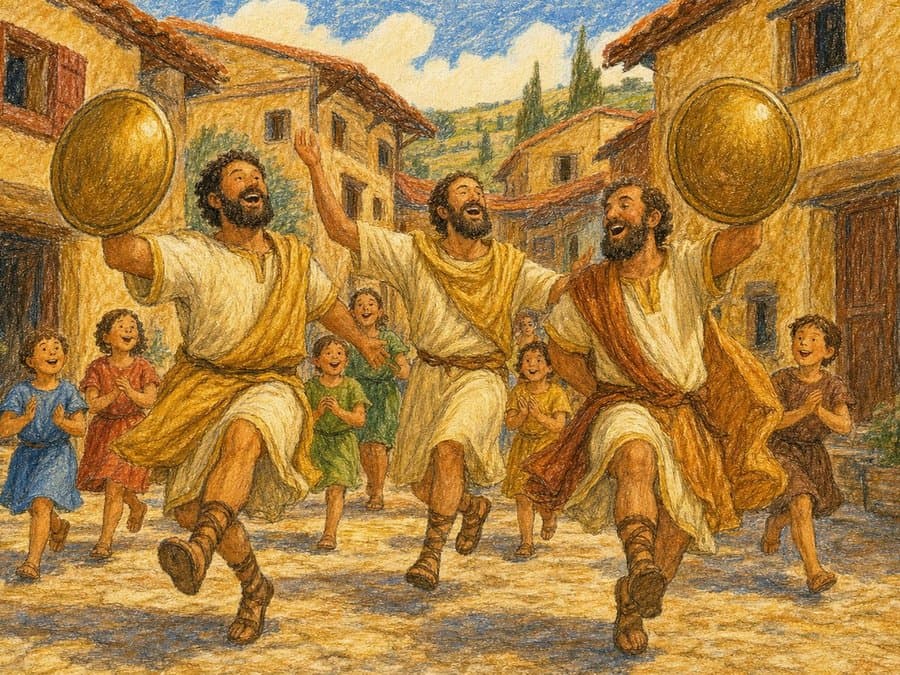
Picture book, ages 3–7
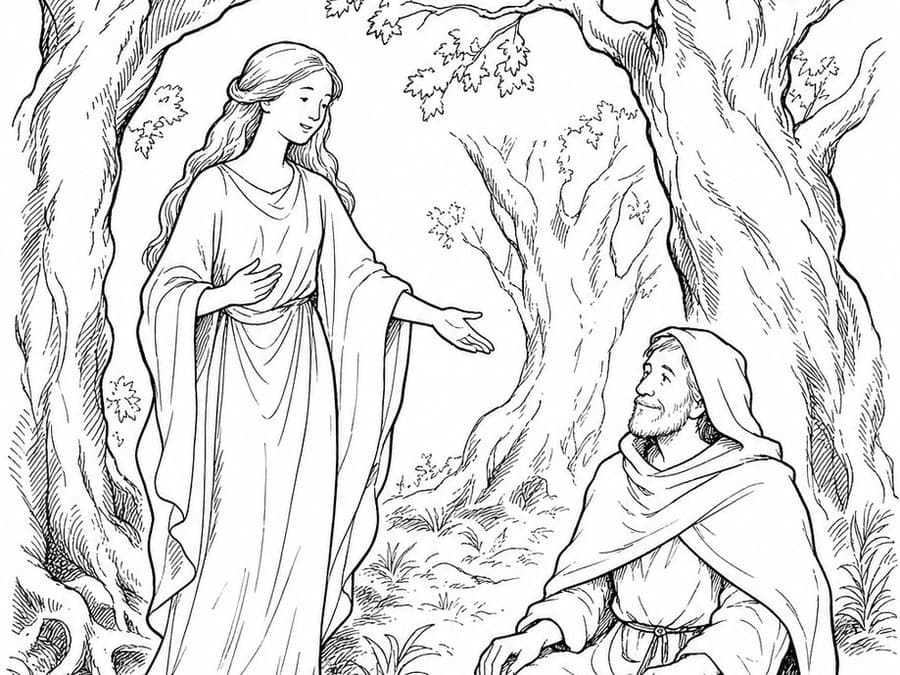
Chapter book, ages 6–10
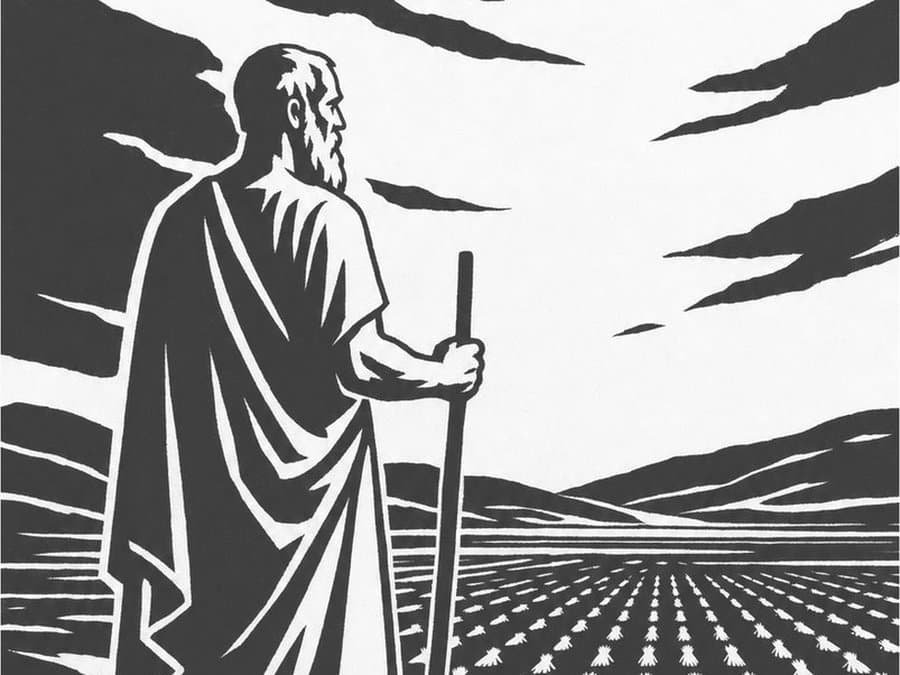
Prep book, ages 10–14
Which pairs are in the Parallel Lives?
These are the twenty-two pairs that survive, in the order of the Loeb edition. A twenty-third pair, Epaminondas and Scipio, is lost. Four single lives also survive: Artaxerxes, Aratus, Galba and Otho.
| Greek | Roman | Comparison survives? |
|---|---|---|
| Theseus | Romulus | Yes |
| Lycurgus | Numa | Yes |
| Solon | Publicola | Yes |
| Themistocles | Camillus | No |
| Aristides | Cato the Elder | Yes |
| Cimon | Lucullus | Yes |
| Pericles | Fabius Maximus | Yes |
| Nicias | Crassus | Yes |
| Alcibiades | Coriolanus | Yes |
| Lysander | Sulla | Yes |
| Agesilaus | Pompey | Yes |
| Pelopidas | Marcellus | Yes |
| Dion | Brutus | Yes |
| Timoleon | Aemilius Paullus | Yes |
| Demosthenes | Cicero | Yes |
| Alexander | Julius Caesar | No |
| Eumenes | Sertorius | Yes |
| Phocion | Cato the Younger | No |
| Demetrius | Antony | Yes |
| Pyrrhus | Marius | No |
| Agis and Cleomenes | Tiberius and Gaius Gracchus | Yes |
| Philopoemen | Flamininus | Yes |
The linked names are the pairs we have published so far as Plutarch's Lives for Kids.
Why do homeschool families read Plutarch?
Charlotte Mason made Plutarch a regular lesson in her schools, as a way to teach citizenship, and AmblesideOnline, the free Charlotte Mason curriculum, schedules a Plutarch life each term from Year 4, around age nine, with Anne White's free study guides as the usual companion. Later writers built on him too. Shakespeare took the plots of Julius Caesar, Antony and Cleopatra, and Coriolanus from Plutarch, in Thomas North's 1579 English translation. The authors of the Federalist Papers signed themselves Publius, after the Roman Publicola, whose life Plutarch paired with Solon's.
The comparison is the part children's versions tend to lose. The classic retellings for children, such as F. J. Gould's and W. H. Weston's, keep the stories and leave out the synkrisis, which is the part that asks a young reader to judge.
How can younger kids start?
The stories work long before the formal weighing does. Our Plutarch's Lives for Kids takes one pair at a time from a toddler book up to a prep book for ages 10 to 14 that teaches the comparison itself. For what to read at which age, see reading Plutarch with kids, age by age. Free translations, audiobooks and study guides are collected on our Plutarch resources page.
Like the Plutarch pairs, our classic-literature books give each reading level its own book: Don Quixote and Beowulf each come as a toddler book, a picture book and a chapter book.
Frequently asked questions
Was Plutarch Greek or Roman?
Greek. He was born in Chaeronea, in the region of Boeotia, and spent most of his life there, though he also held Roman citizenship and gave Greeks and Romans equal room in the Lives.
What does synkrisis mean?
It is Greek for "comparison." In the Parallel Lives it is the short closing chapter where Plutarch sets the Greek and the Roman side by side and weighs them.
How many Parallel Lives are there?
Twenty-two pairs survive, forty-six lives in all, because one pair sets two Spartan kings, Agis and Cleomenes, against the two Gracchus brothers. Four single lives also survive, and one pair, Epaminondas and Scipio, is lost.
What age should kids start Plutarch?
AmblesideOnline, the free Charlotte Mason curriculum, starts in Year 4, around age nine, and the stories can be read aloud to much younger children. Our guide to reading Plutarch with kids, age by age has the details.