19 posts
Blog
Why we make these books, how we make them, and how to read them with your kids.
September 23, 2026
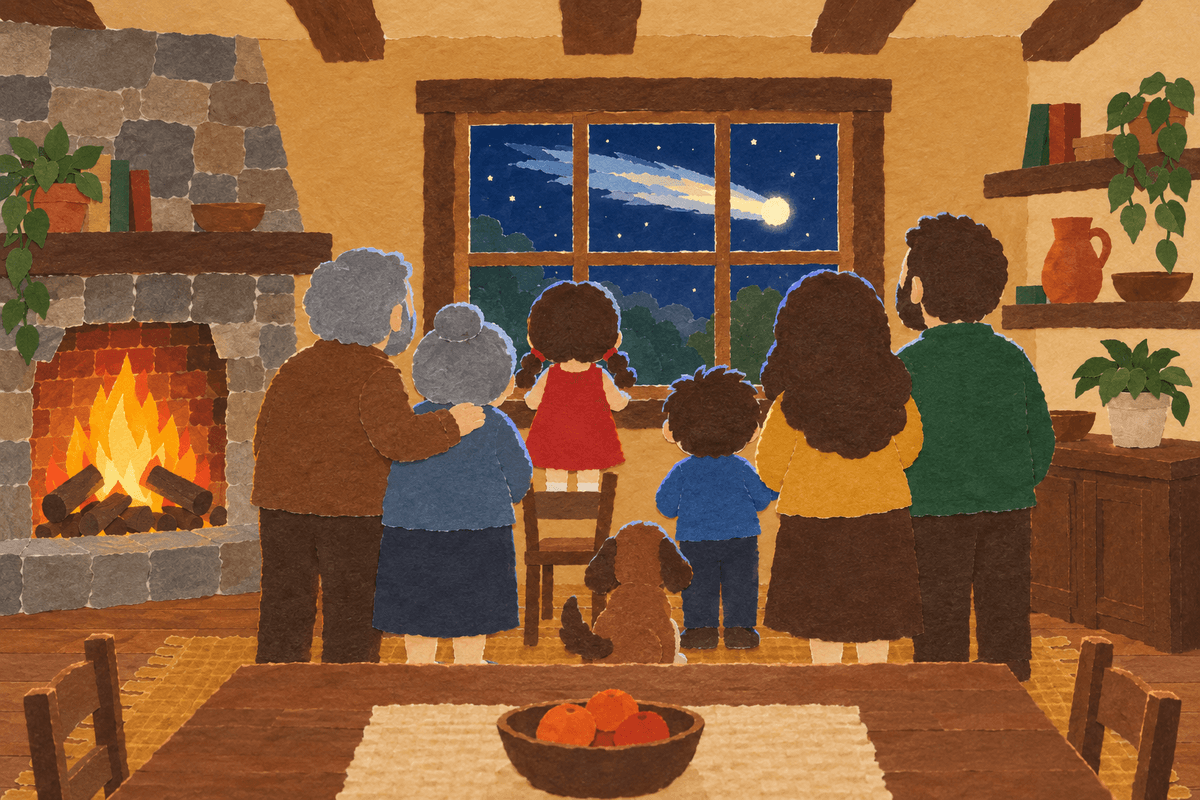
Why We Made War and Peace for Kids
War and Peace runs to more than 1,200 pages, and we adapted it anyway: a toddler book and a picture book now, with a chapter book on the way.
August 26, 2026
Why Plutarch Paired Pyrrhus with Marius
Pyrrhus of Epirus and Gaius Marius could win almost any battle and never knew when to stop, and no comparison of the two by Plutarch has survived.
August 20, 2026
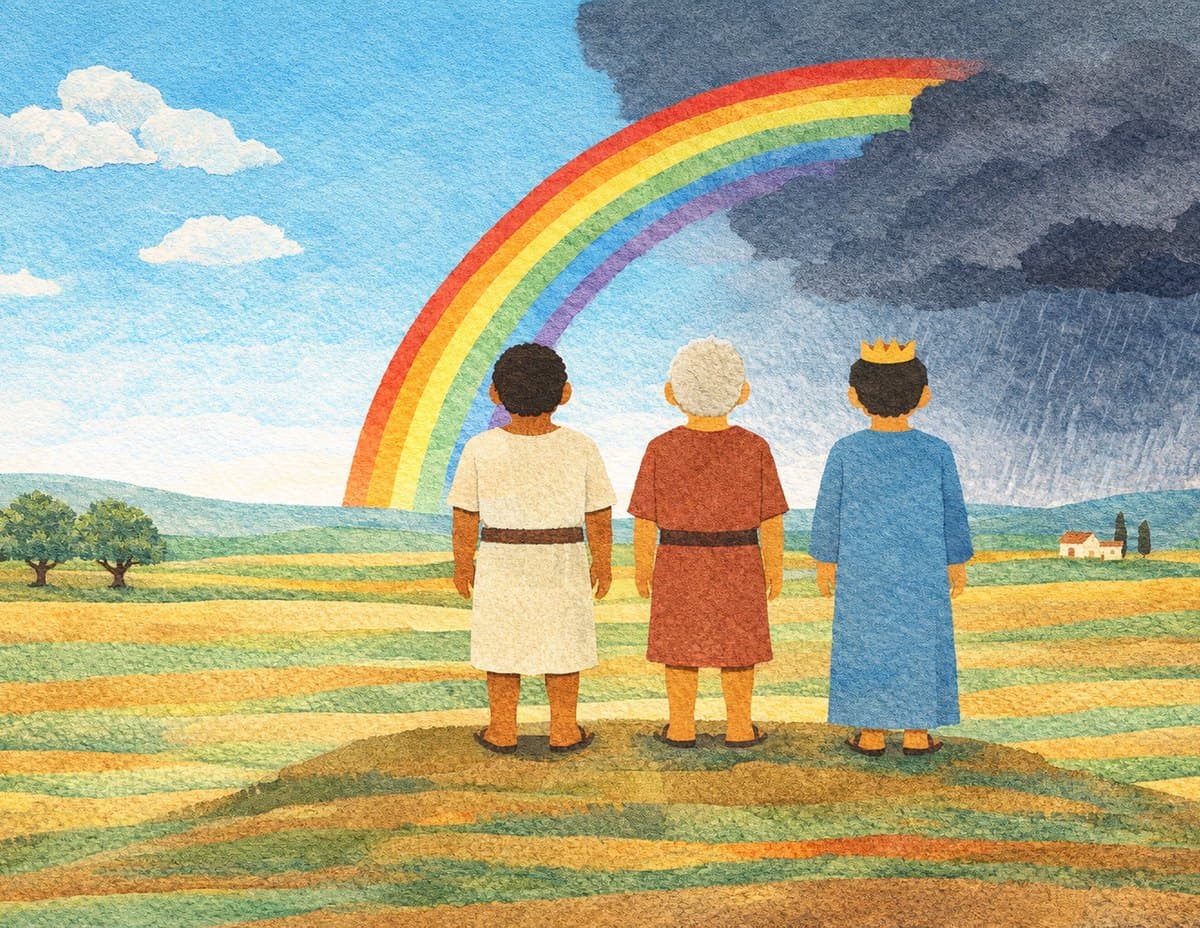
How to Teach Kids Philosophy, and the Books We Made for It
Children can do philosophy when it comes as small questions ("what is up to me?"), and our Stoicism, Marcus Aurelius and Machiavelli books teach it that way.
August 19, 2026
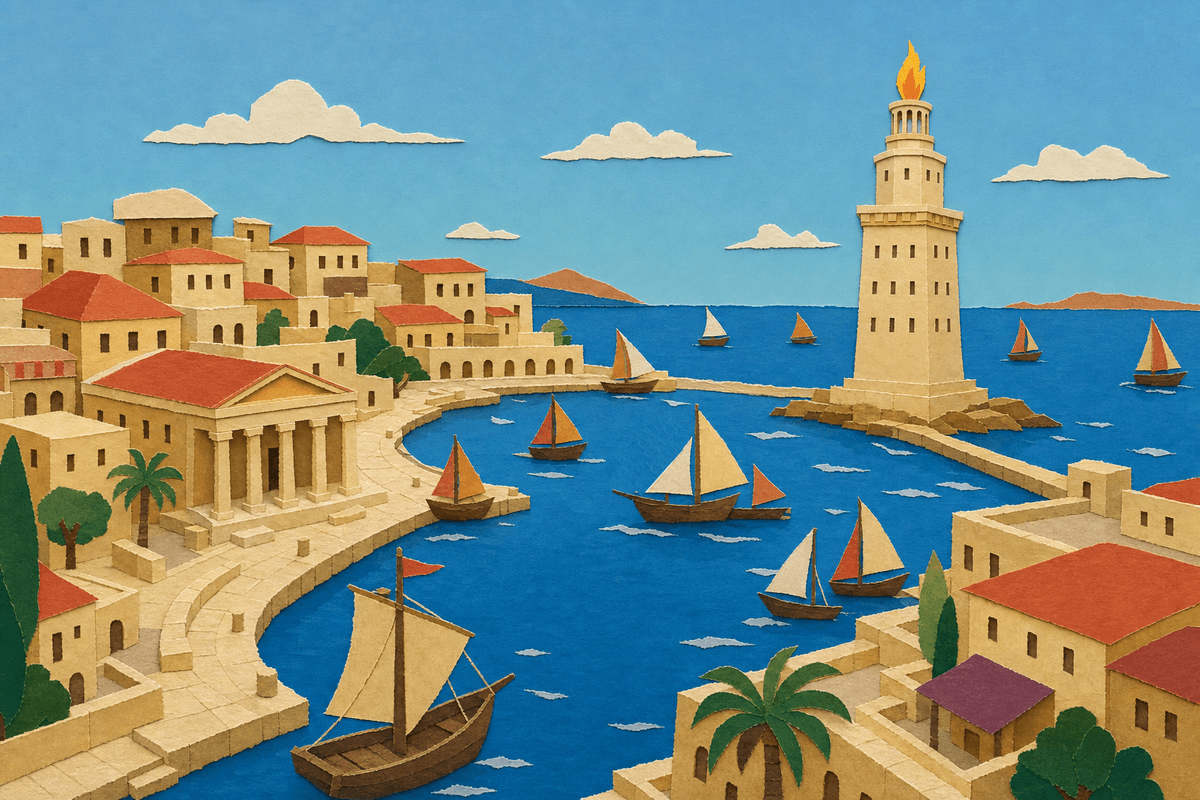
Why We Made Cleopatra for Kids
Cleopatra was a scholar-queen who ran Egypt for about twenty years, and our four books tell her story apart from the legend her Roman enemies left behind.
August 17, 2026
How to Start Plutarch in Your Homeschool
Starting Plutarch at home takes one life, a free study guide and an evening of your own reading, and this guide covers which life to begin with and why.
August 13, 2026
Why Plutarch Paired Demosthenes with Cicero
Demosthenes and Cicero, the great speakers of Athens and Rome, each used his voice to warn a free city about one man, and Plutarch set the two side by side.
August 9, 2026
Plutarch for Middle Schoolers and Teens: The Prep Books
The Plutarch prep books are for ages 10 to 14: each one takes a pair from the Parallel Lives and teaches a middle schooler to weigh the two lives side by side.
August 1, 2026
Lycurgus & Numa: Two Lawgivers, One Impossible Question
Plutarch paired Lycurgus of Sparta with Numa of Rome to ask what kind of rules make a good city, a question our Lycurgus & Numa books put to ages 0 to 14.
July 14, 2026
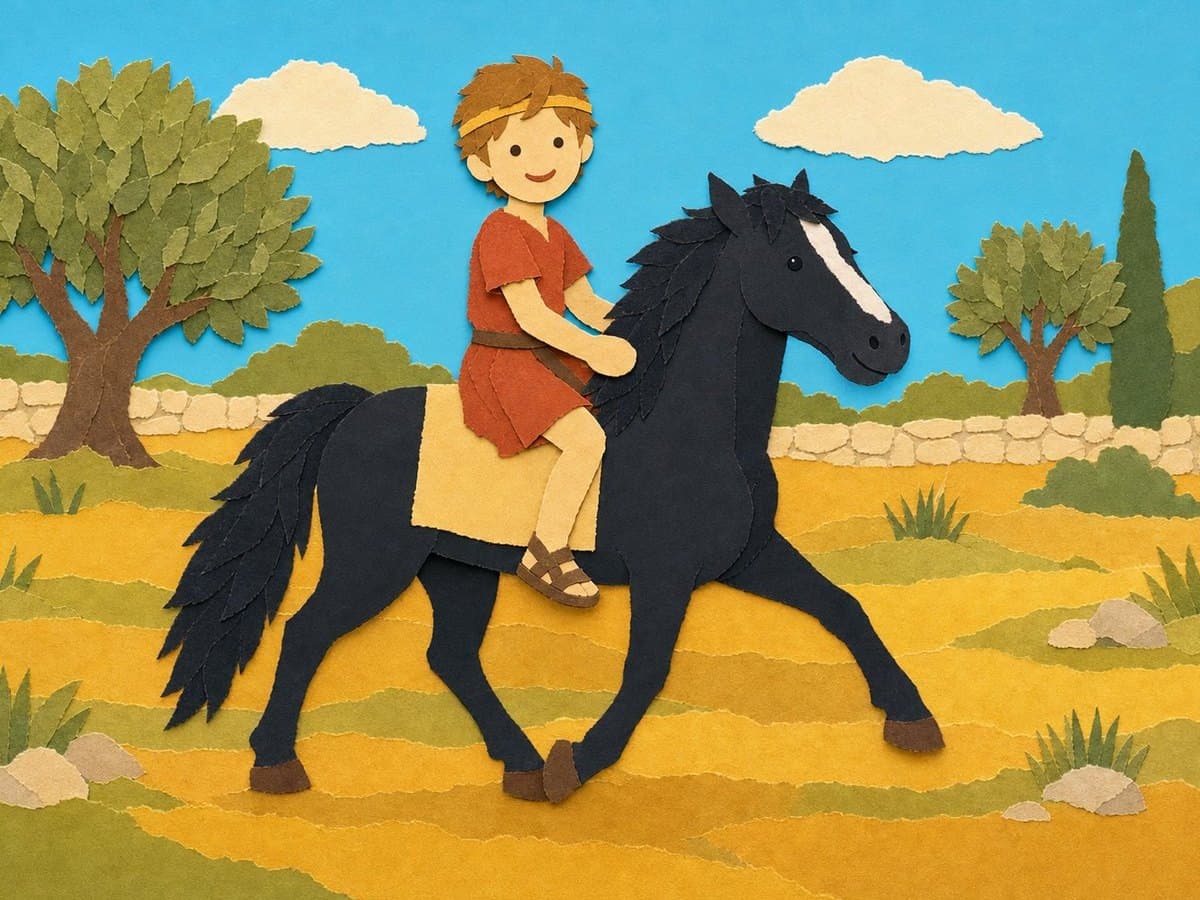
How to Read Plutarch with Kids, Age by Age (0–14)
Charlotte Mason curricula start Plutarch around age nine, and this guide sets out what to read with children at each age, from picture books to the Lives.
July 6, 2026
Why We Made Ulysses for Kids (Yes, That Ulysses)
James Joyce's Ulysses follows Leopold Bloom through one ordinary June day in Dublin in 1904, and that one day is what our books for children keep.
July 1, 2026
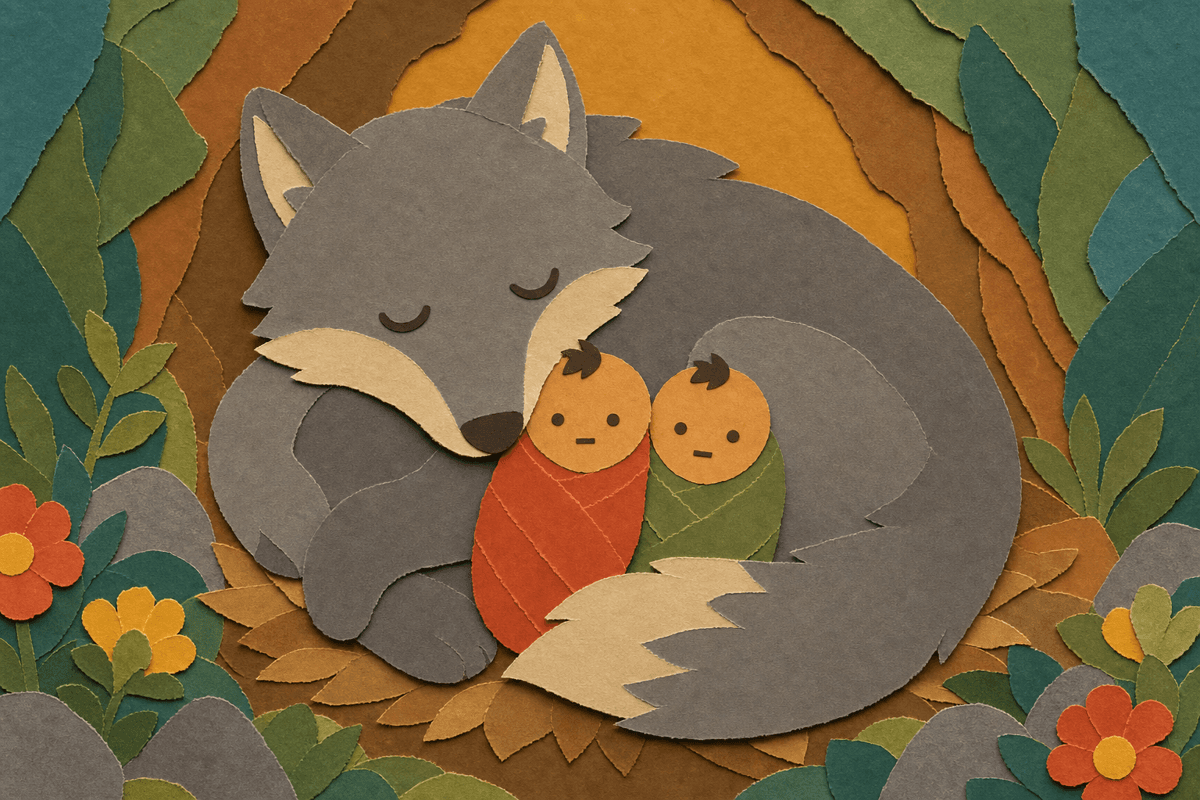
Why Plutarch Paired Theseus with Romulus
Theseus and Romulus each gathered scattered people into one city, Athens and Rome, and Plutarch's closing comparison of the two founders survives.
June 30, 2026
Why Plutarch Paired Alexander with Caesar
Plutarch paired Alexander, born to a throne, with Julius Caesar, who built his power from an old family name, and Plutarch's verdict on the two is lost.

June 23, 2026
Who Was Plutarch, and What Is the Parallel Lives?
Plutarch was a Greek writer of about AD 46 to 120 whose Parallel Lives sets a famous Greek beside a famous Roman and then weighs the two against each other.
June 14, 2026
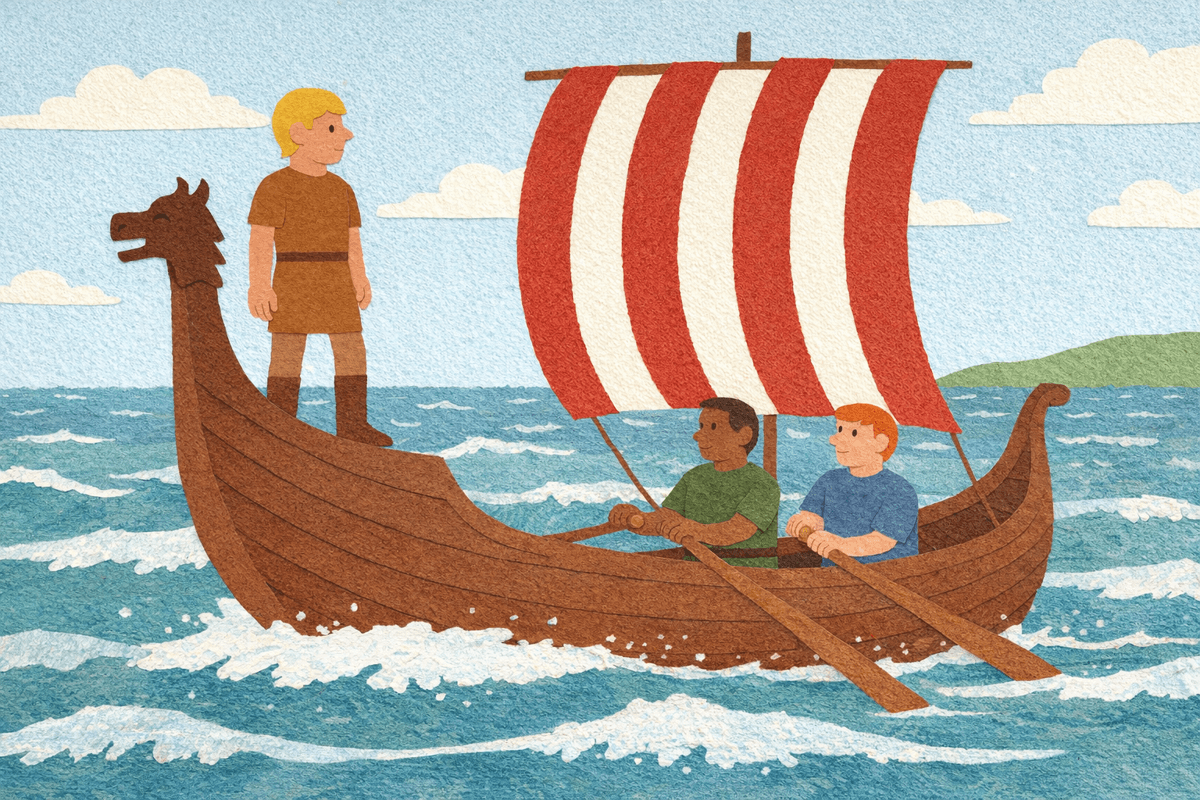
Why We Made Beowulf for Kids
A hero and three monsters, the last a dragon: Beowulf starts in our books as a toddler read-aloud and ends as a chapter book for ages 6 to 10.
June 11, 2026
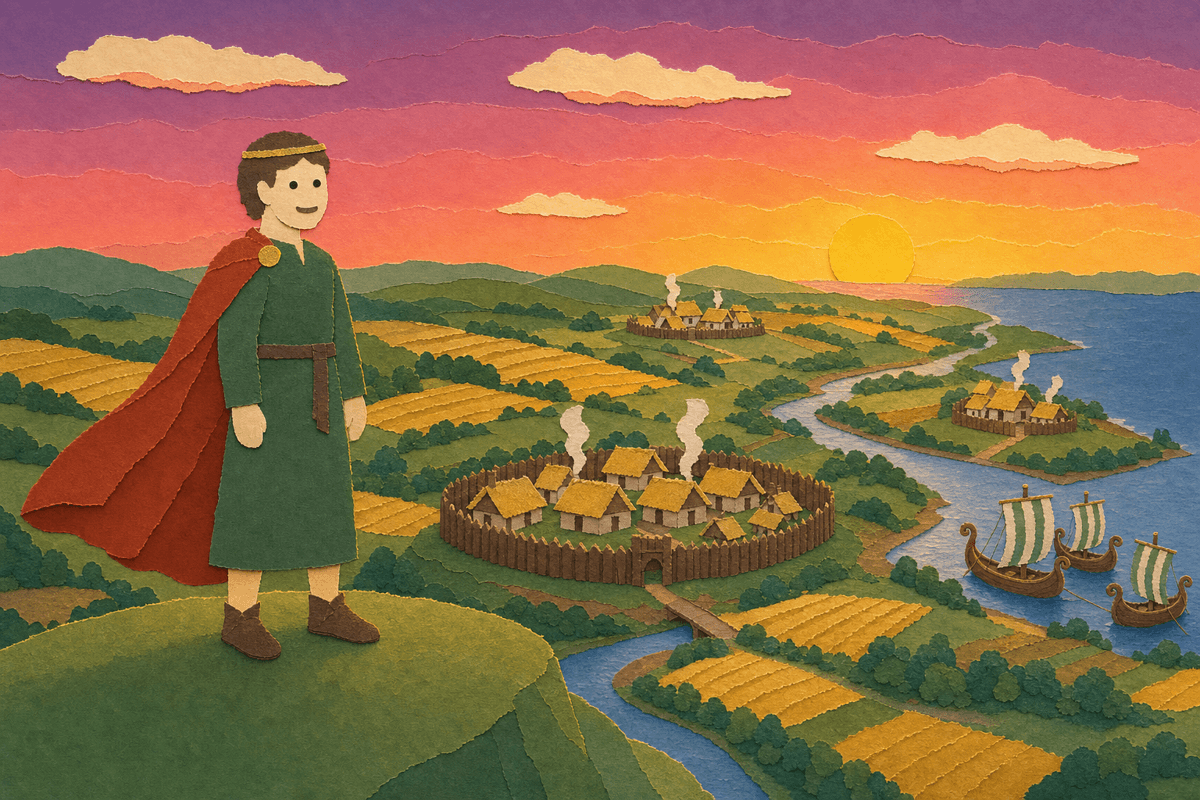
Why We Made Alfred the Great for Kids
Alfred the Great lost nearly his whole kingdom to the Vikings and won it back, a comeback we tell from a toddler read-aloud to a book for ages 9 to 12.
June 6, 2026
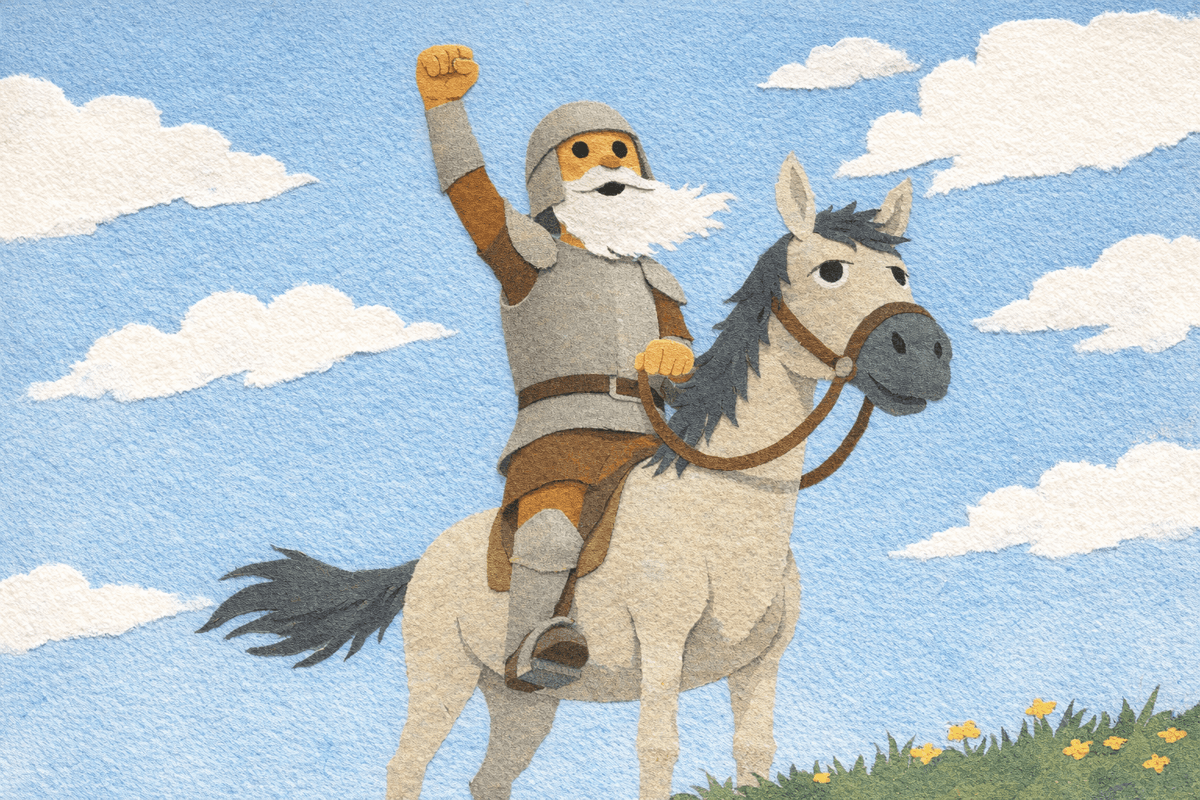
Why We Made Don Quixote for Kids
Cervantes' novel of an old man who decides he is a knight and charges windmills he takes for giants is retold in our three books for children ages 0 to 10.

May 29, 2026
Why We Made Machiavelli for Kids
Machiavelli was a Florentine diplomat before his name became an insult, and his fox and lion give a child a usable idea about two kinds of strength.
May 21, 2026
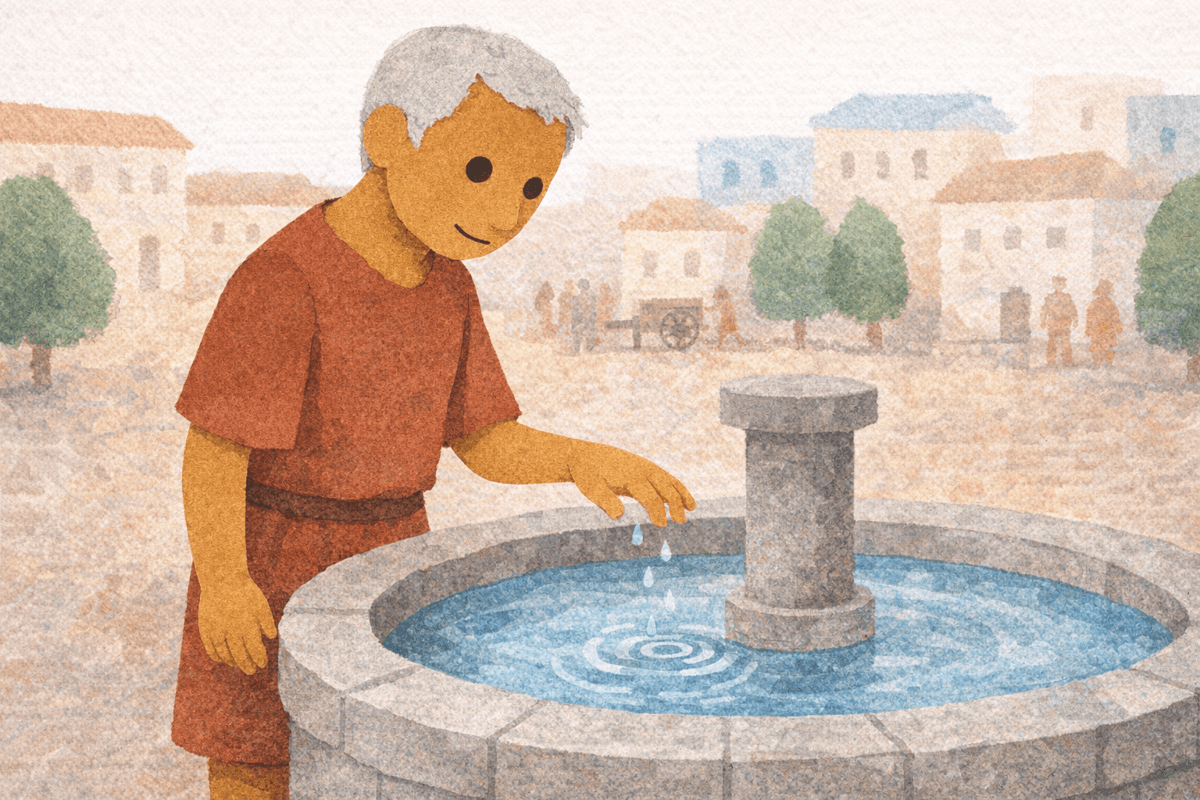
Why We Made Stoicism for Kids
Stoicism gives a child one question for when things go wrong, what is up to me and what is not, and our books teach it from the toddler read-aloud on.
May 13, 2026
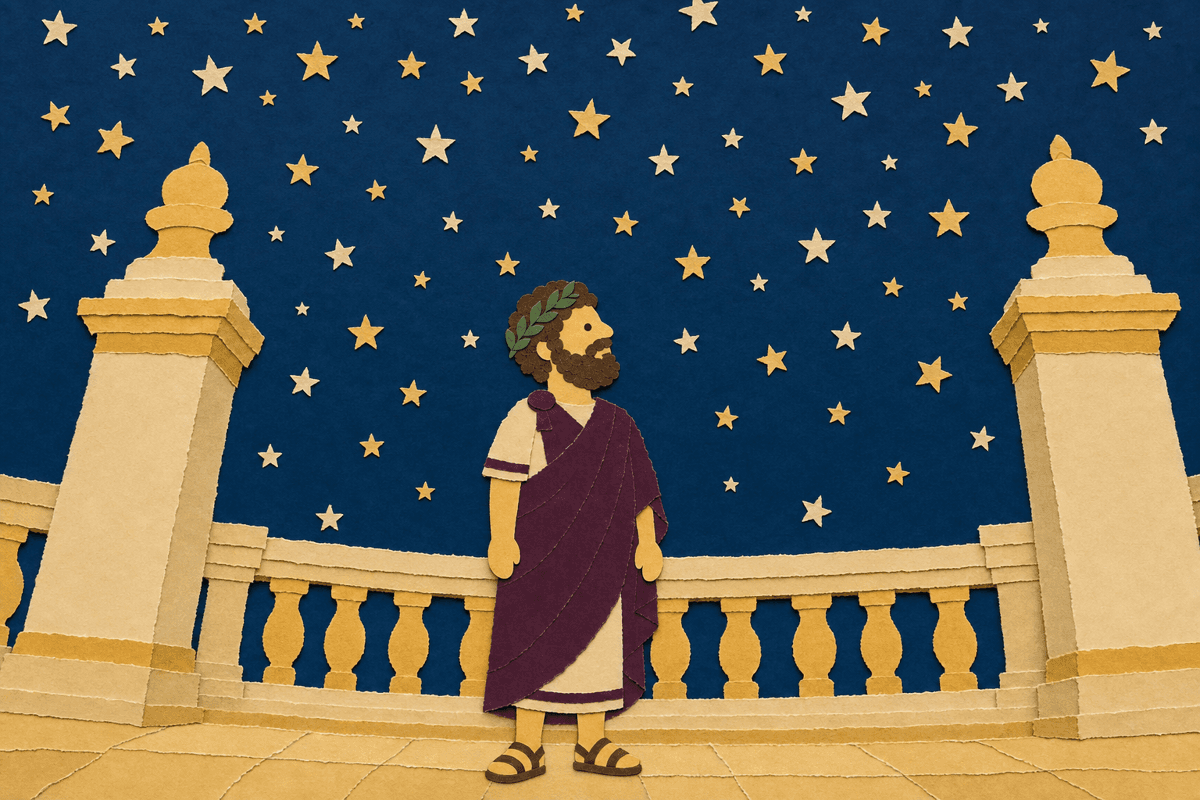
Why We Made Marcus Aurelius for Kids
Marcus Aurelius wrote the Meditations as a private notebook, and our three books turn its habit of taking stock of yourself into a bedtime ritual for kids.