July 1, 2026
Why Plutarch Paired Theseus with Romulus
Plutarch paired Theseus with Romulus because each man did the same impossible thing: he took a crowd of scattered, quarreling strangers and turned them into a city. Theseus drew the separate towns of Attica together into one Athens; Romulus built Rome from a hilltop of runaways and shepherds. These are the founders of the two cities the Western world still traces itself back to, and theirs is the pair printed first in most editions of the Parallel Lives.
What did the two founders have in common?
The city was never the hard part. The people were. Both men are remembered for walls and monsters, a labyrinth and a she-wolf, but their real work was holding a mob of separate strangers together long enough to become one nation. And both did something genuinely cruel along the way. That is the pattern Plutarch wants a reader to sit with: the same hands that build a wonder can also do a wrong, and the wrong does not cancel the wonder or the other way around.
Every topic, its own book at each reading level
History, philosophy, and classic literature for kids ages 0–14.
How were they different?
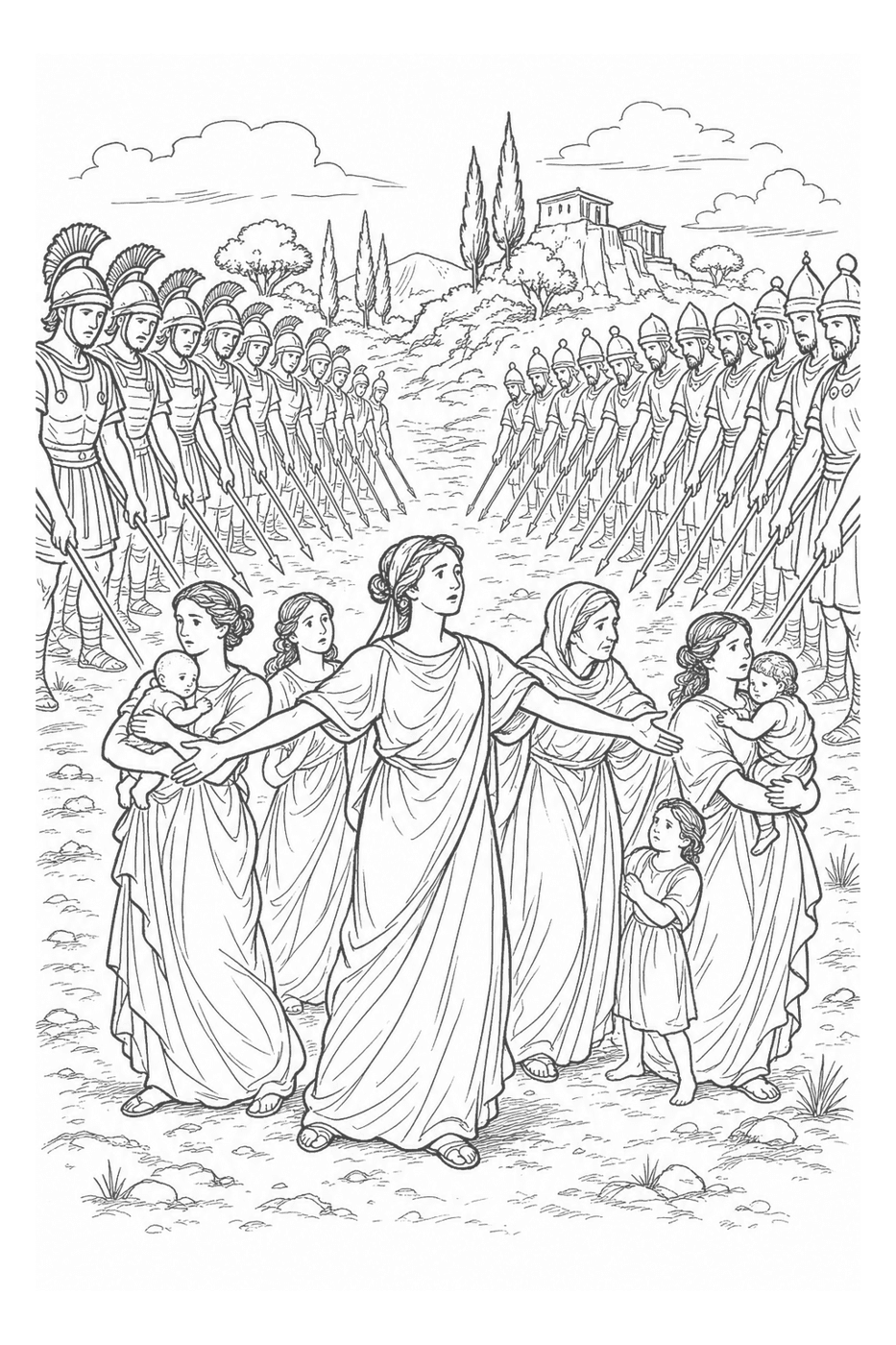
Theseus founded by drawing people together, and later gave up some of his own power to the city he had made. Romulus founded Rome as its first king, and his twin brother, Remus, was killed for leaping its first wall, some say by Romulus's own hand. One question runs under the whole pair: what is a founder allowed to do in the name of the thing he is building?
From the books
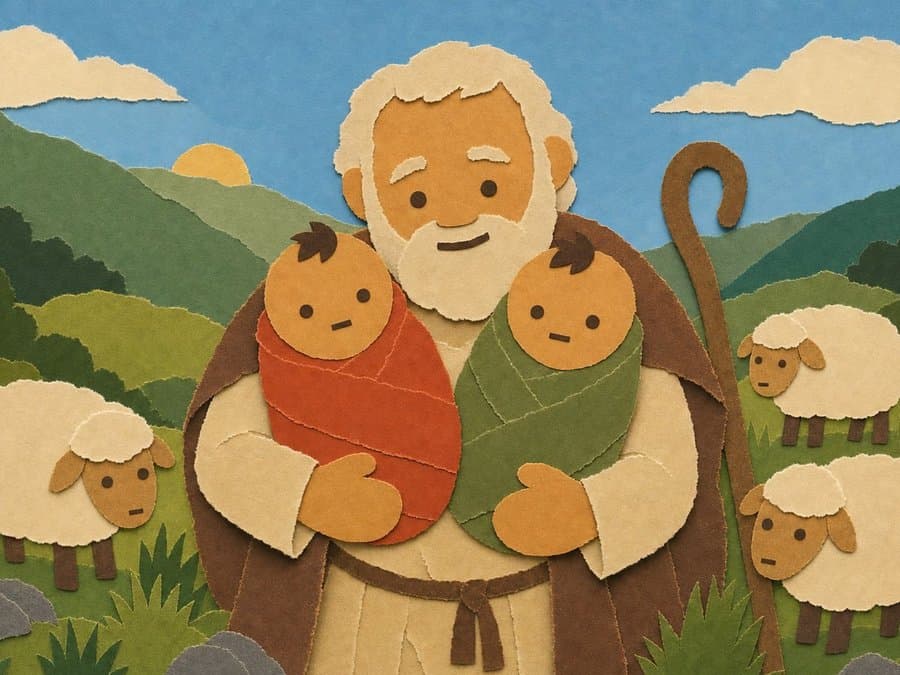
Toddler book, ages 0–4
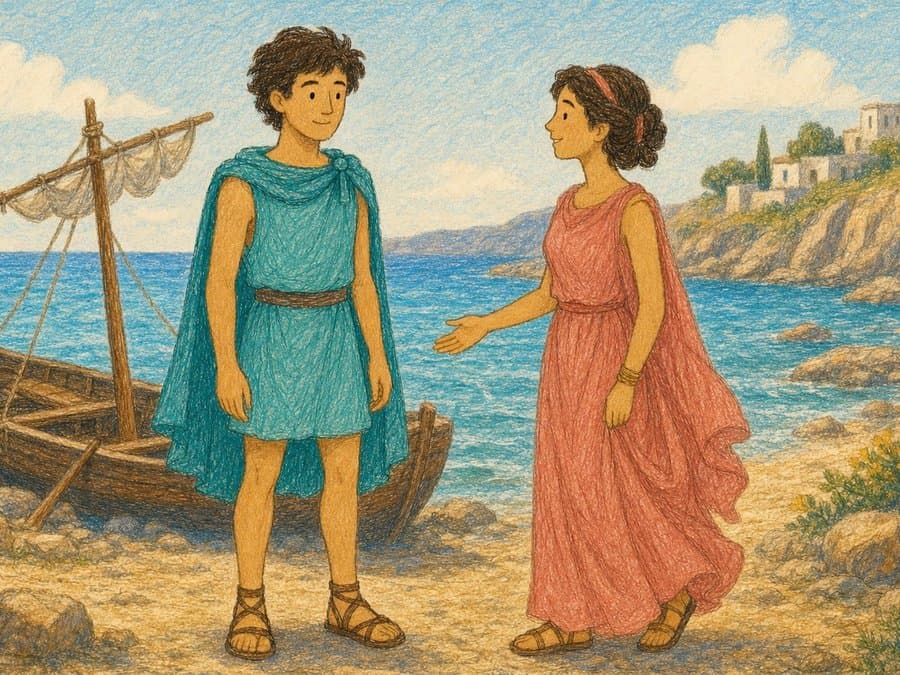
Picture book, ages 3–7
Chapter book, ages 6–10
Prep book, ages 10–14
Plutarch's closing comparison, for older readers to argue with
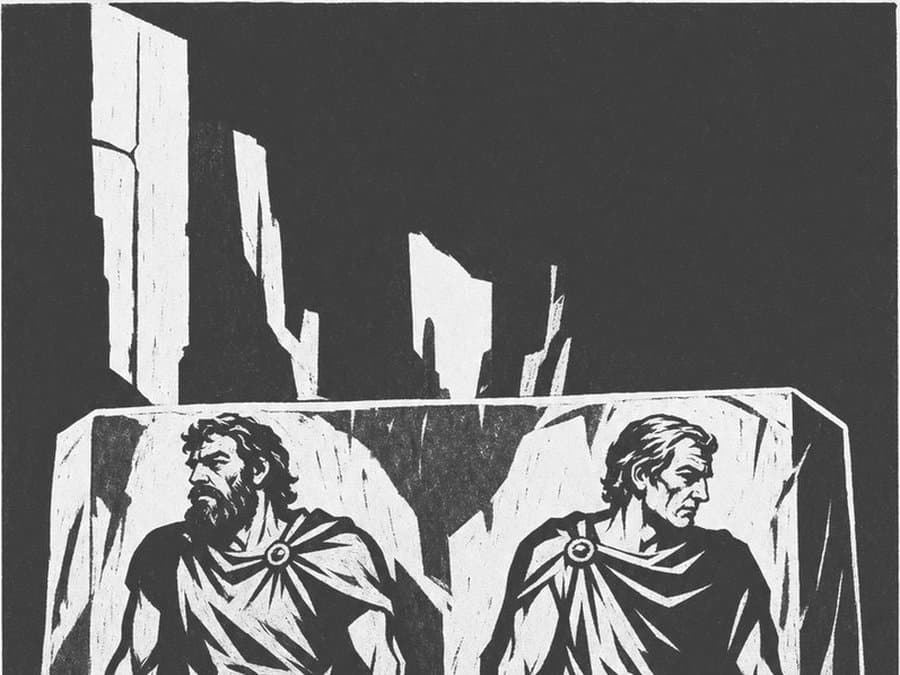
Plutarch ended most of his pairs with a synkrisis, a short closing chapter that weighs the two men against each other. For Theseus and Romulus, the pair that opens the whole book, it survived. So an older reader can reach their own verdict on two lives, then open Plutarch's own and argue with the master exactly where his judgment does not hold up.
Meeting them with your kids
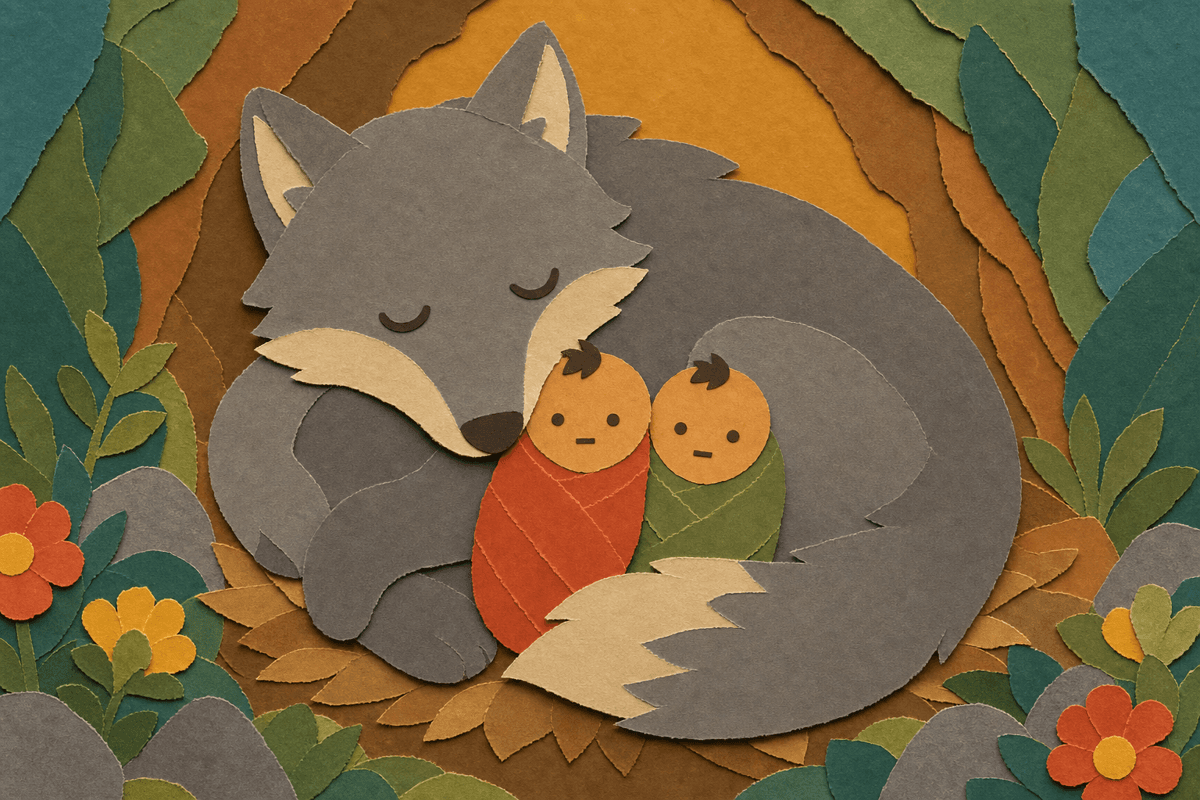
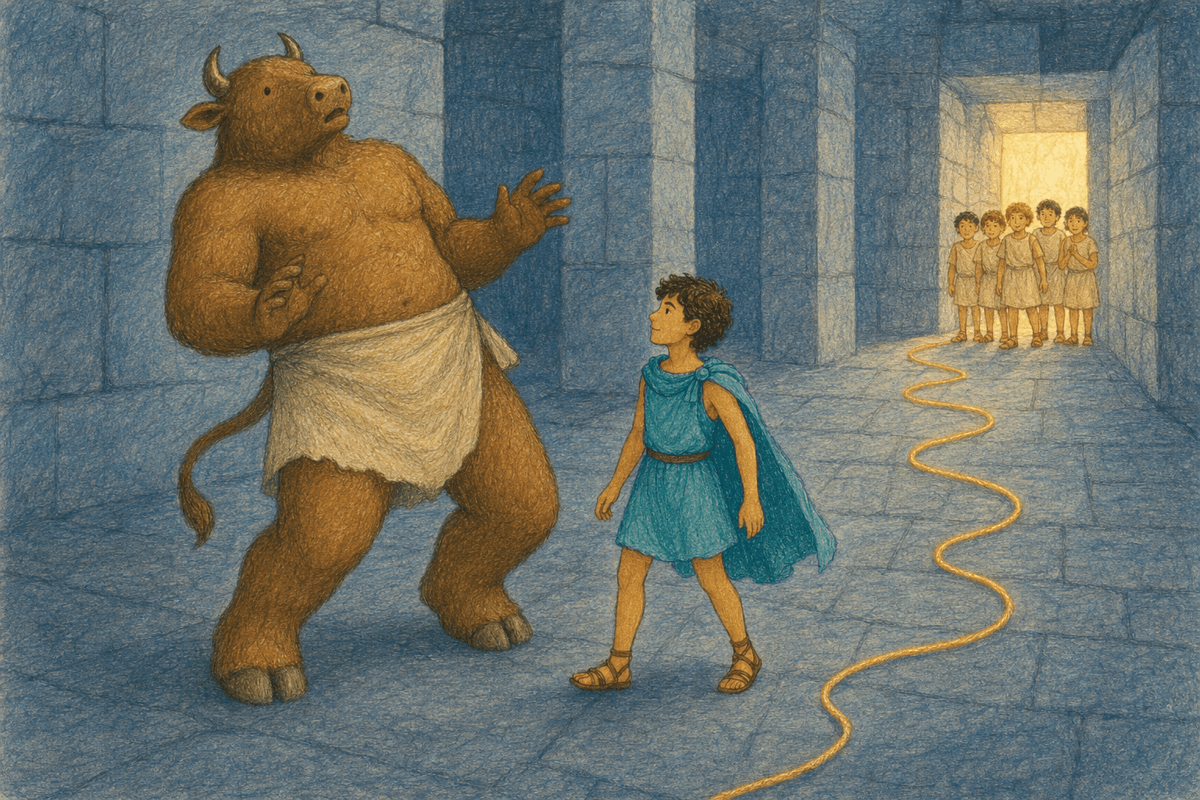
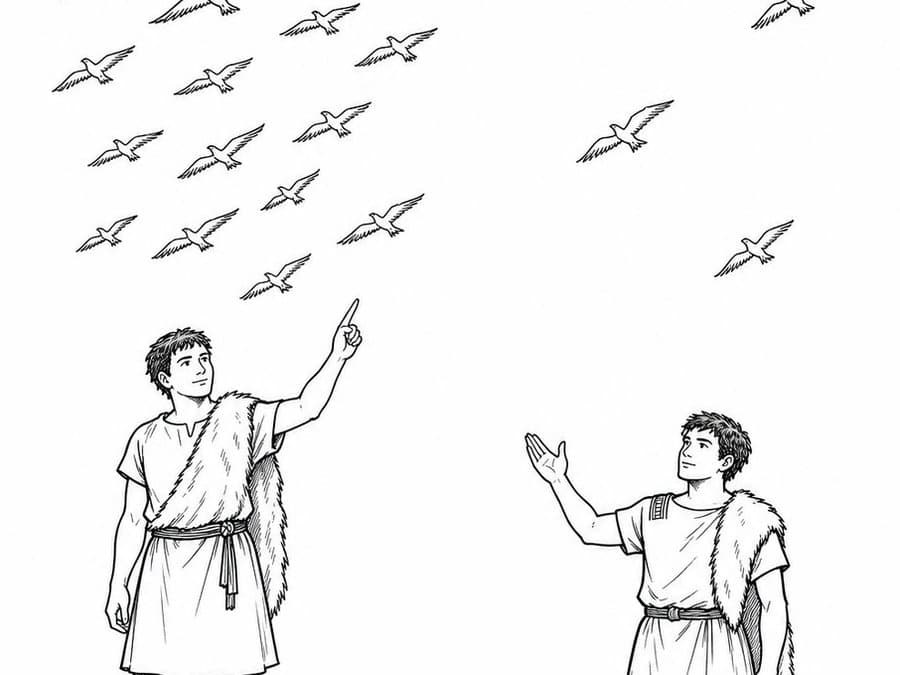
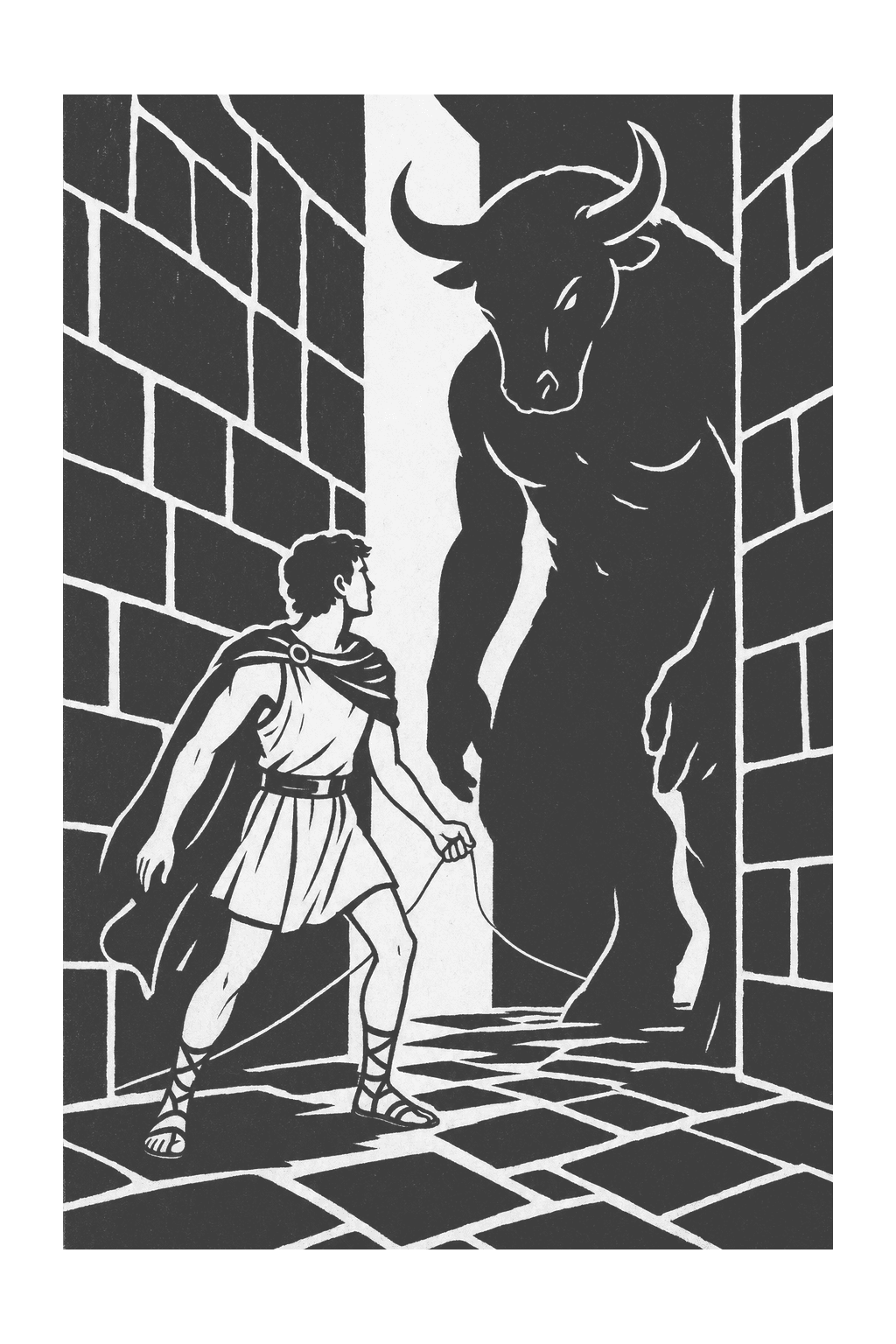
Theseus & Romulus is a nüNERD Plutarch pair, built at four reading levels, ages 0 to 14. The toddler and picture books plant the unforgettable scenes: a boy who walks out of the labyrinth on a single thread, a baby saved from the river by a wolf. The chapter book tells both lives in full, falls included, and weighs them the way Plutarch did. And because this pair's comparison survived, the prep book hands an older reader the master's own verdict and the standing to argue back.
For Plutarch's own text, free translations and audiobooks are collected on our Plutarch resources page.
Like the Plutarch pairs, our classic-literature books give each reading level its own book: Don Quixote and Beowulf each come as a toddler book, a picture book and a chapter book.
The books
Theseus & Romulus on Amazon
Frequently asked questions
Why did Plutarch pair Theseus and Romulus?
Each was the legendary founder of a great city, Athens and Rome, and Plutarch paired them to weigh one founder's character against the other's.
Did Plutarch's comparison of Theseus and Romulus survive?
Yes. The closing comparison that weighs Theseus against Romulus is still part of the text.
Who were Theseus and Romulus?
Theseus is the legendary founder-hero of Athens, famous for the labyrinth and the Minotaur; Romulus is the founder of Rome, saved as a baby by a she-wolf.
What did each founder do wrong?
Theseus abandoned Ariadne, the girl whose thread had saved his life, on an island; Remus, Romulus's twin, was killed over the founding of Rome, some say by Romulus himself.