Big Ideas
Theseus & Romulus
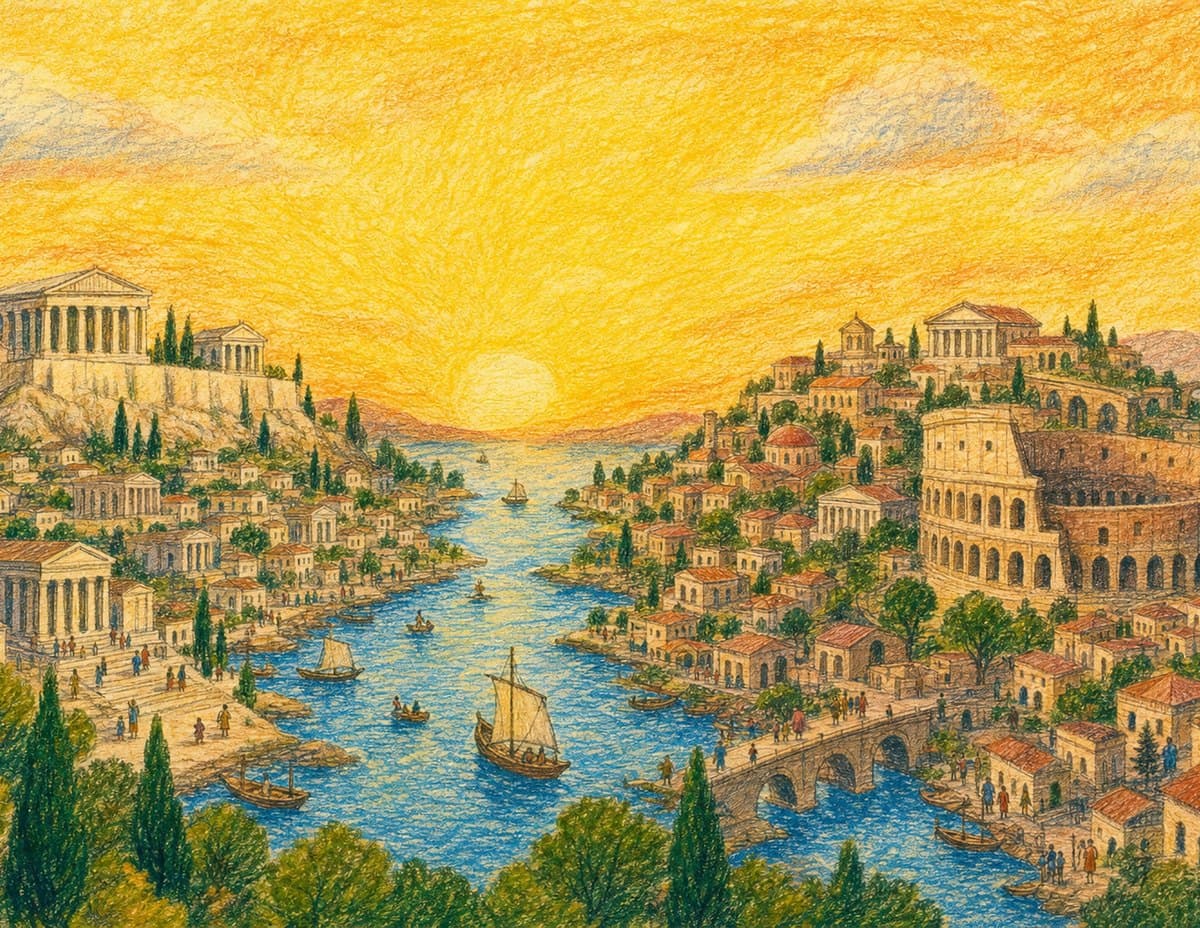
Two young men, born centuries and a sea apart, each took a crowd of quarreling strangers and turned them into a city: one built Athens, one built Rome, and both have outlived their founders by three thousand years. Nineteen hundred years ago Plutarch placed this pair first in his great book, because founding a city is where everything else begins, and then weighed the two lives to ask not what happened but what it revealed about character. We hand a child that exact way of thinking, one reading level at a time, years before a classroom will, and this is the rare pair whose final verdict survived, so a reader can grade their own judgment against the master's.
Why we love it
- The same two founders at four reading levels, so a family can start a child at two and still be handing them the same pair at thirteen, each book built for how a child actually reads at that age.
- Most children meet Theseus and Romulus as myths, or as names in a textbook. Here they meet them as two of the best stories ever told, and then learn to weigh them as two real lives.
- The chapter book does the thing nearly every other children's version skips: it tells the falls too, and then weighs the two founders against each other instead of cheering for one.
- This is the rare pair whose final comparison survived, so the prep book can do something almost no classroom offers: let a reader build a verdict, then grade it against Plutarch's own, and find that some of his calls do not hold up.
Why it matters
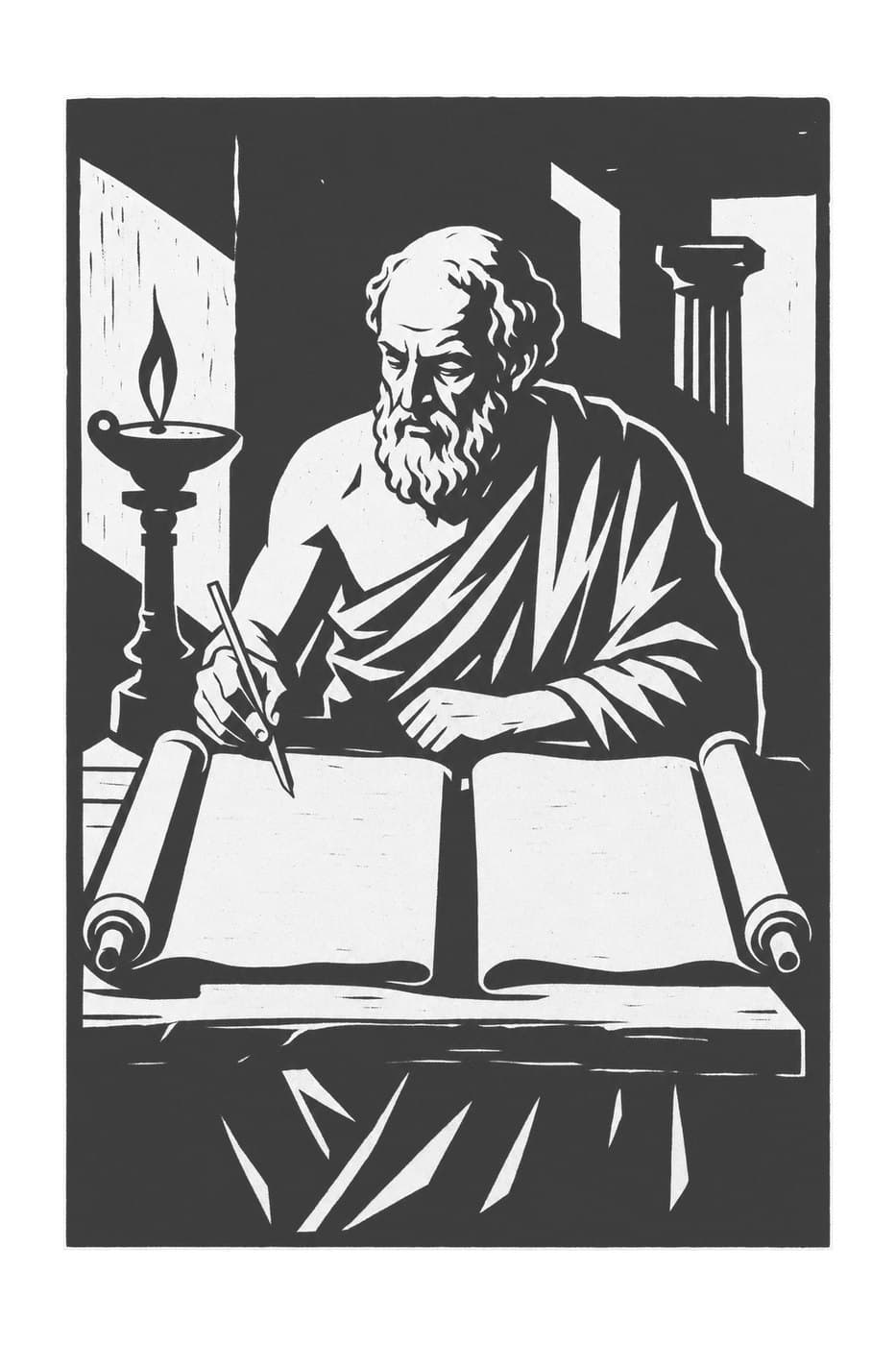
Plutarch's Parallel Lives is one of the most influential books in the Western tradition. Around 100 AD he paired a famous Greek with a famous Roman, told both lives, and then weighed them against each other to ask not what happened but what it revealed about character. He placed Theseus and Romulus first, the legendary founders of Athens and Rome, because founding a city is where a people's whole story begins. The comparison itself, which Plutarch called the synkrisis, is the move that made the book matter, and for most of his pairs that final verdict was lost in antiquity. For Theseus and Romulus it survived, which means a reader can do something rare: build the case, reach a verdict, and then read Plutarch's own and argue with it on the evidence. Shakespeare, Montaigne, and many of the pen names in the fight over the American Constitution came straight off his Lives; every classical curriculum still reads him, usually starting around age nine. Most students do not meet Plutarch until high school, if at all.

Ages 0–4 · Read TO
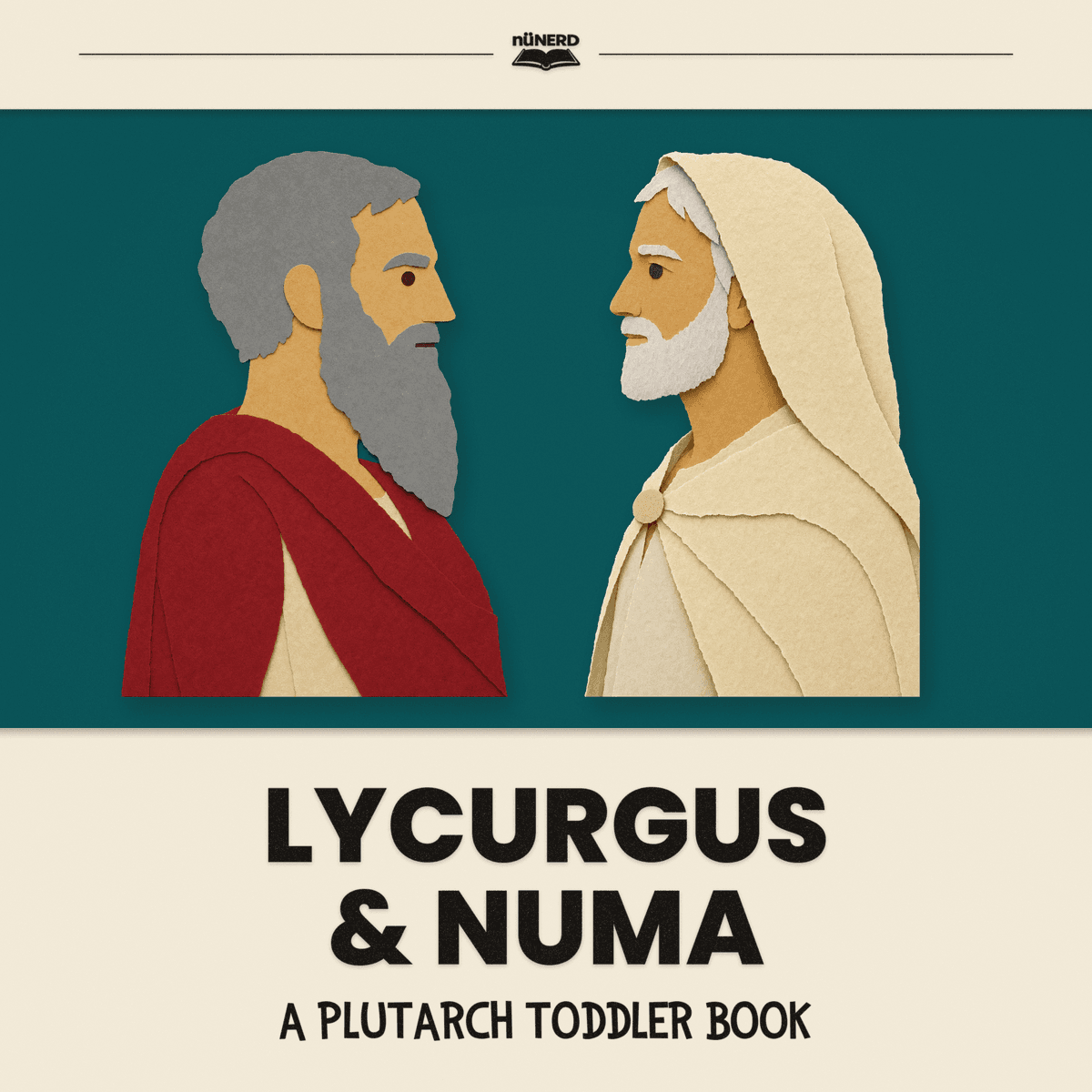
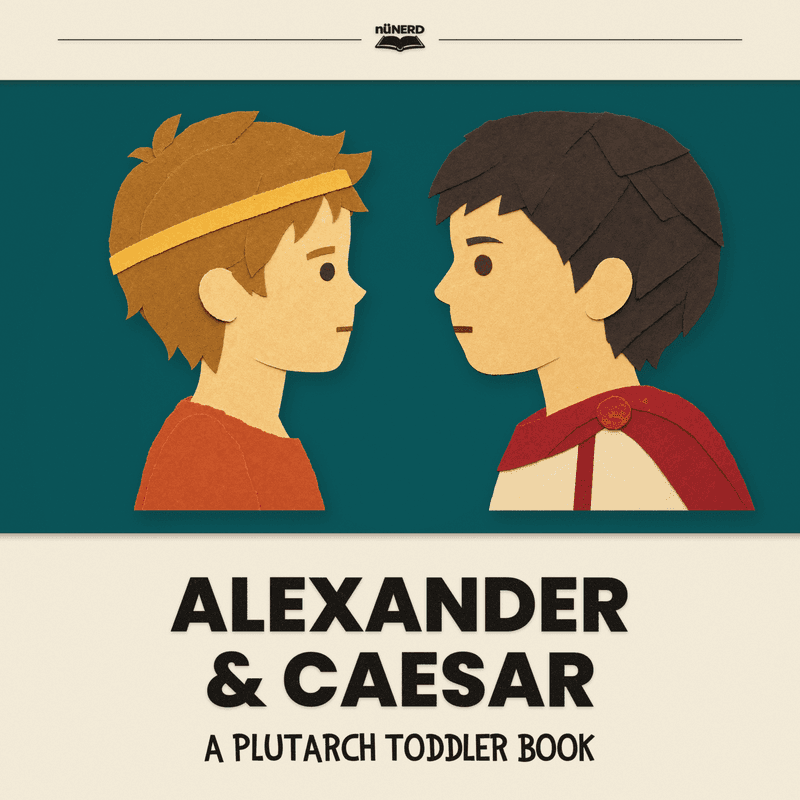
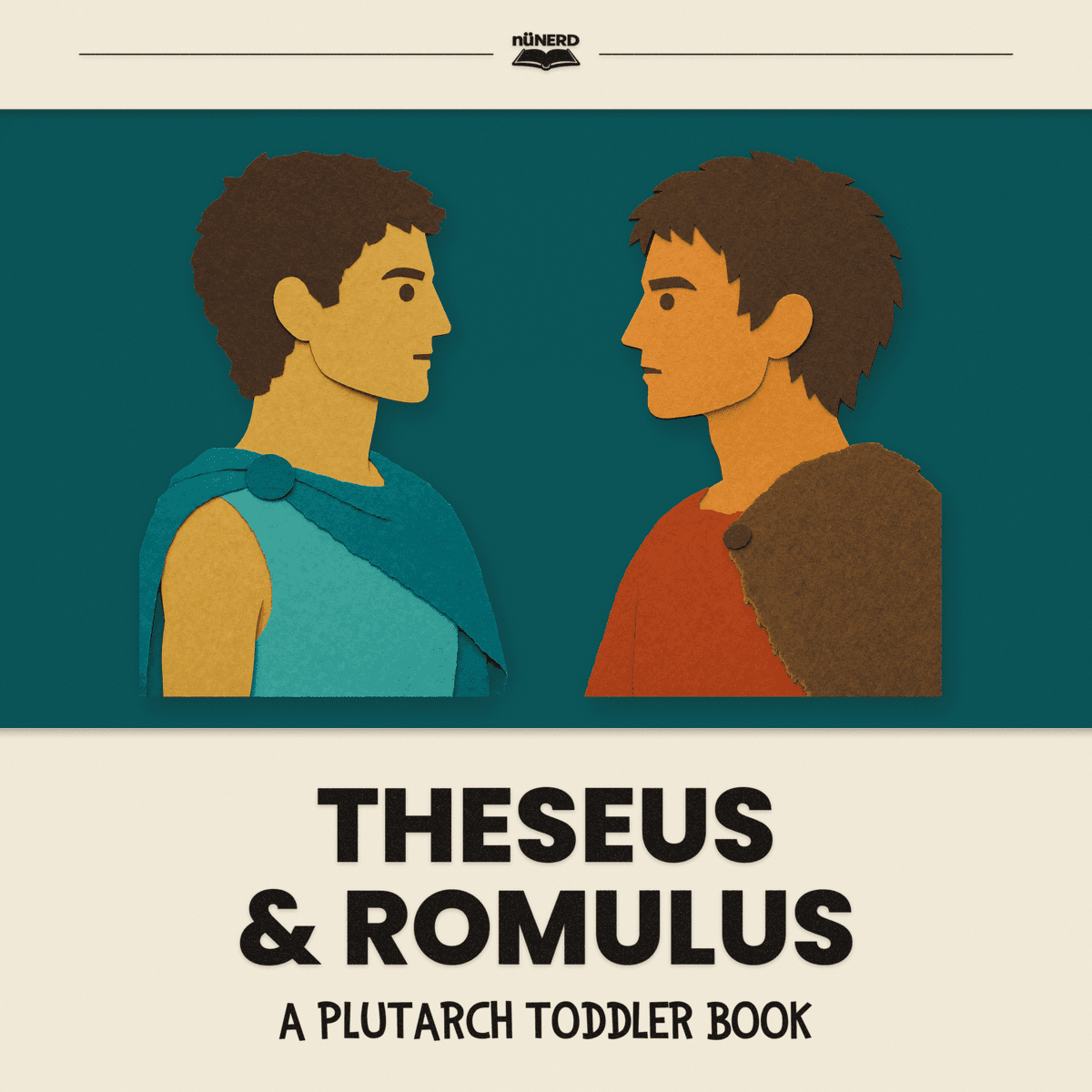
A Plutarch Toddler Book
Picture Book (8.5" × 8.5") · Full Color Cut-Paper Collage
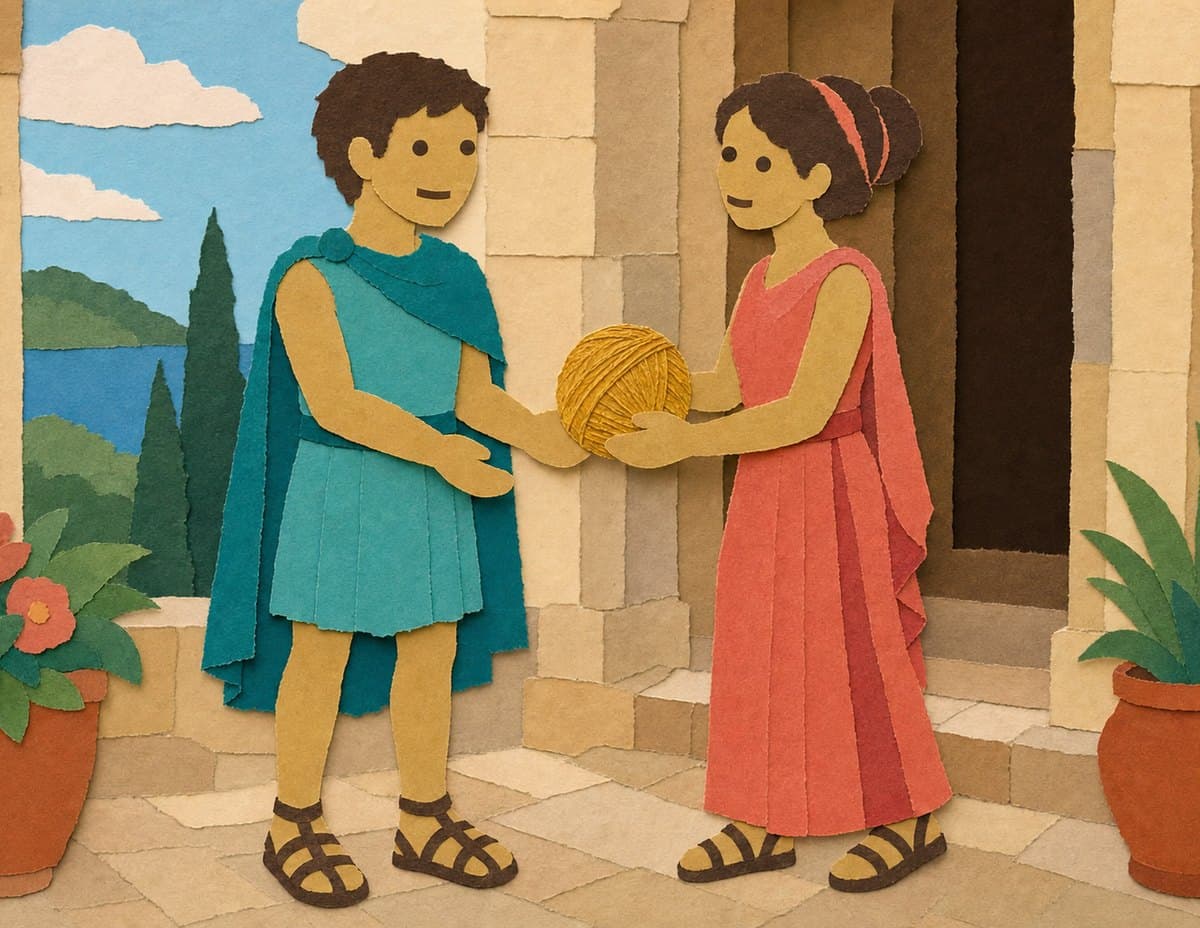
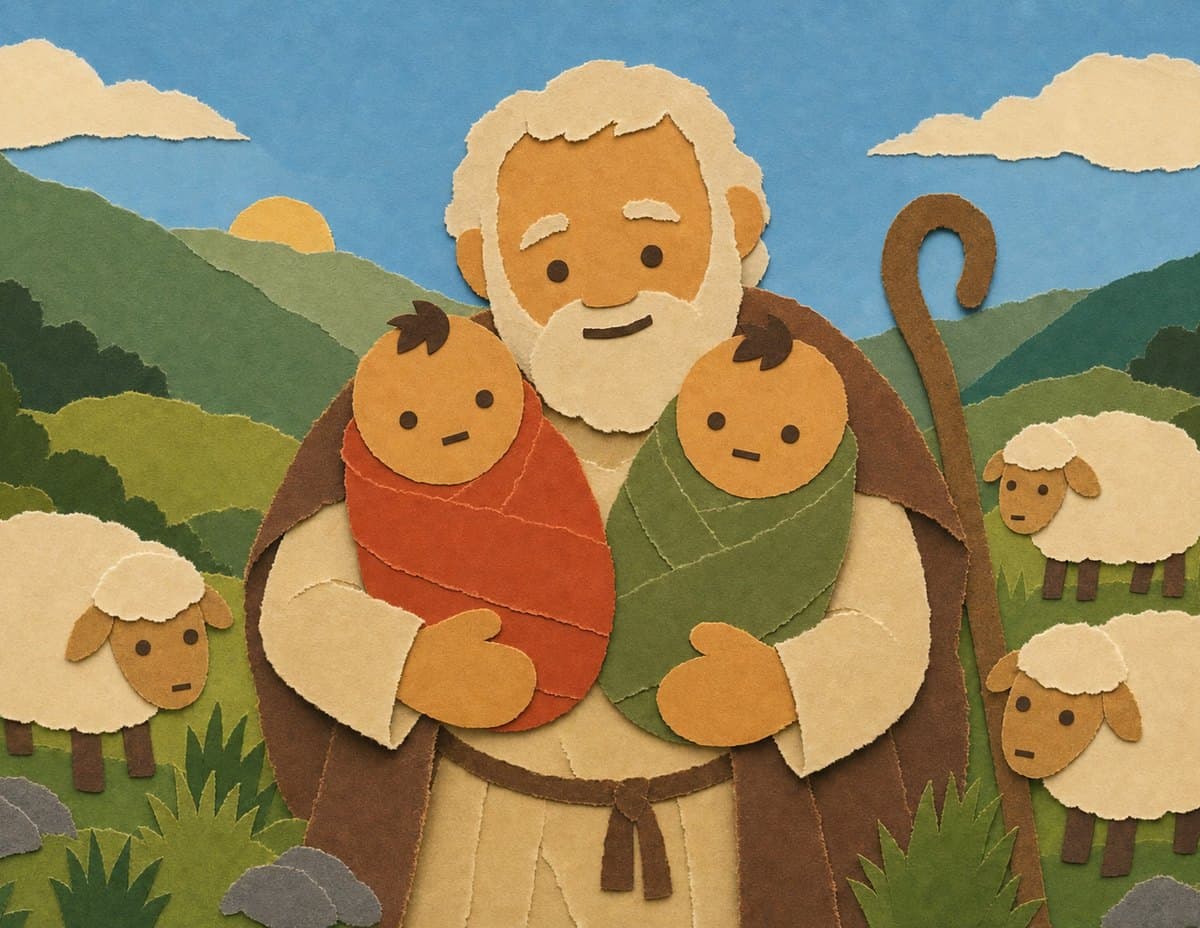
Two of the greatest cities in history each began with a single young man on an empty hill, and this is the very first time your child meets them. One is a clever boy who walks into a twisting maze and beats the monster at its heart, then finds his way back out on nothing but a ball of thread. The other is a baby who should have drowned in a river and lived only because a wolf took pity on him. One clever, one brave, a felt difference a toddler can carry long before a single date. A picture on every page.
Buy on Amazon
Ages 3–7 · Read WITH
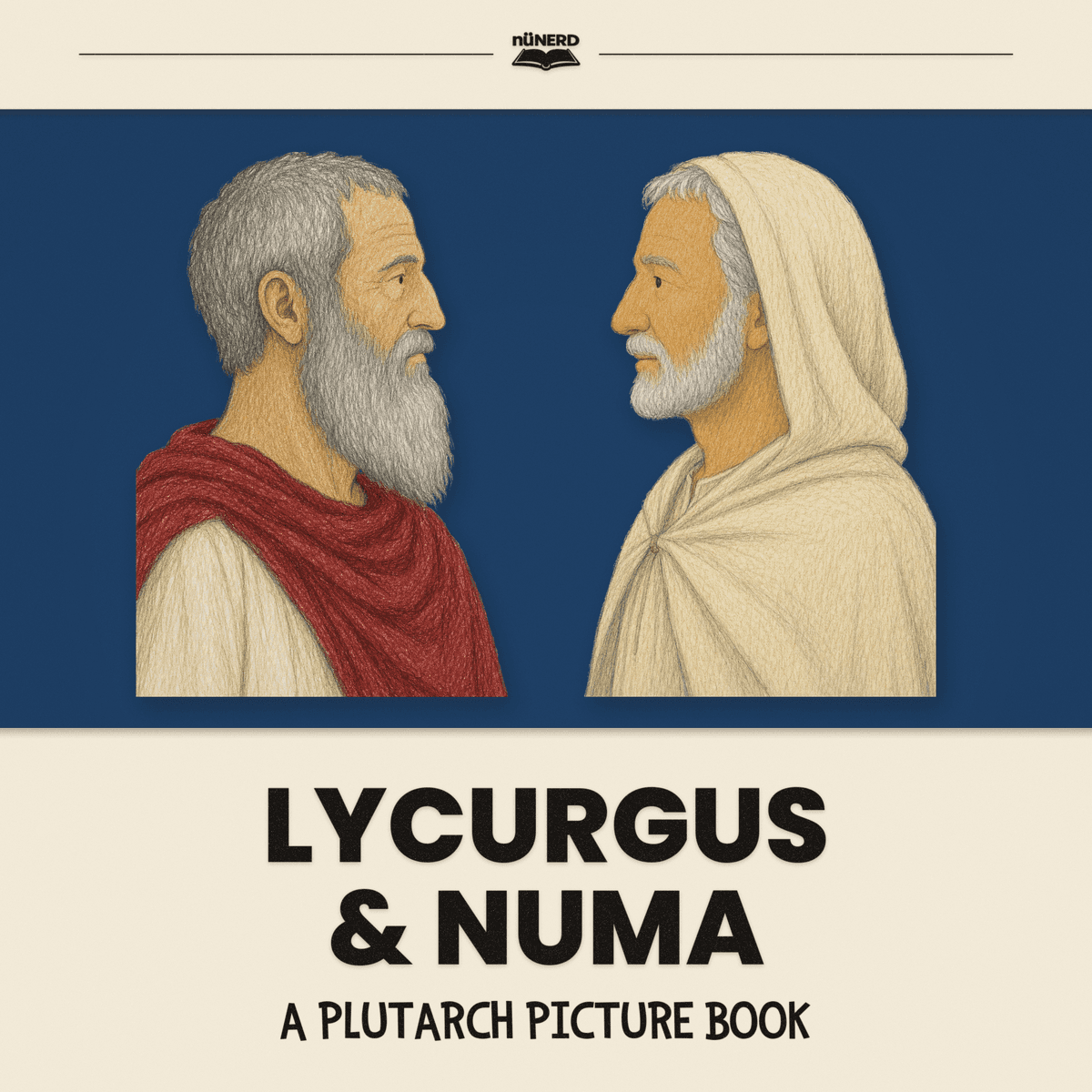
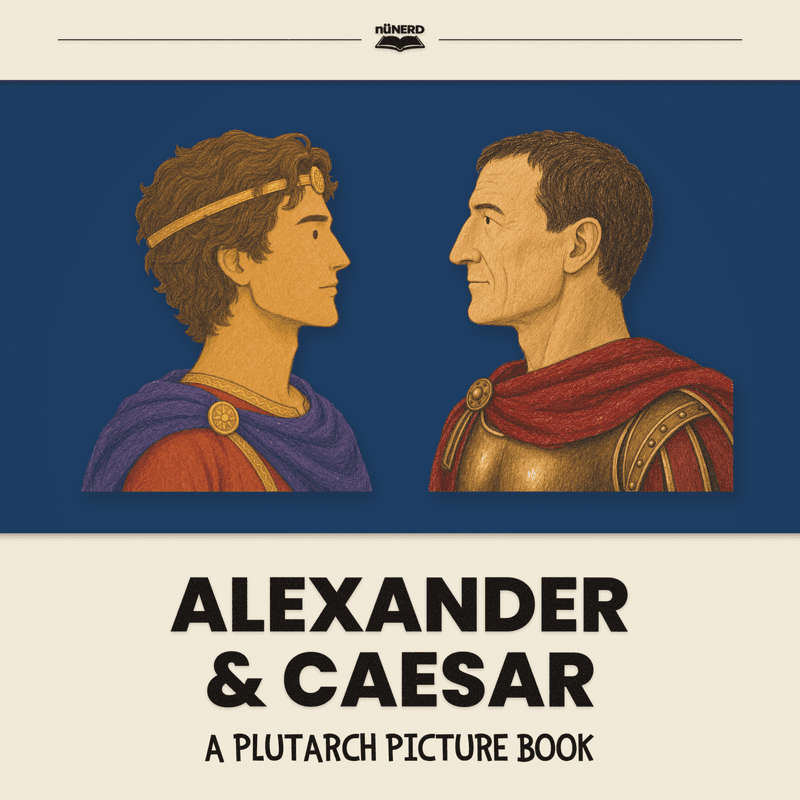
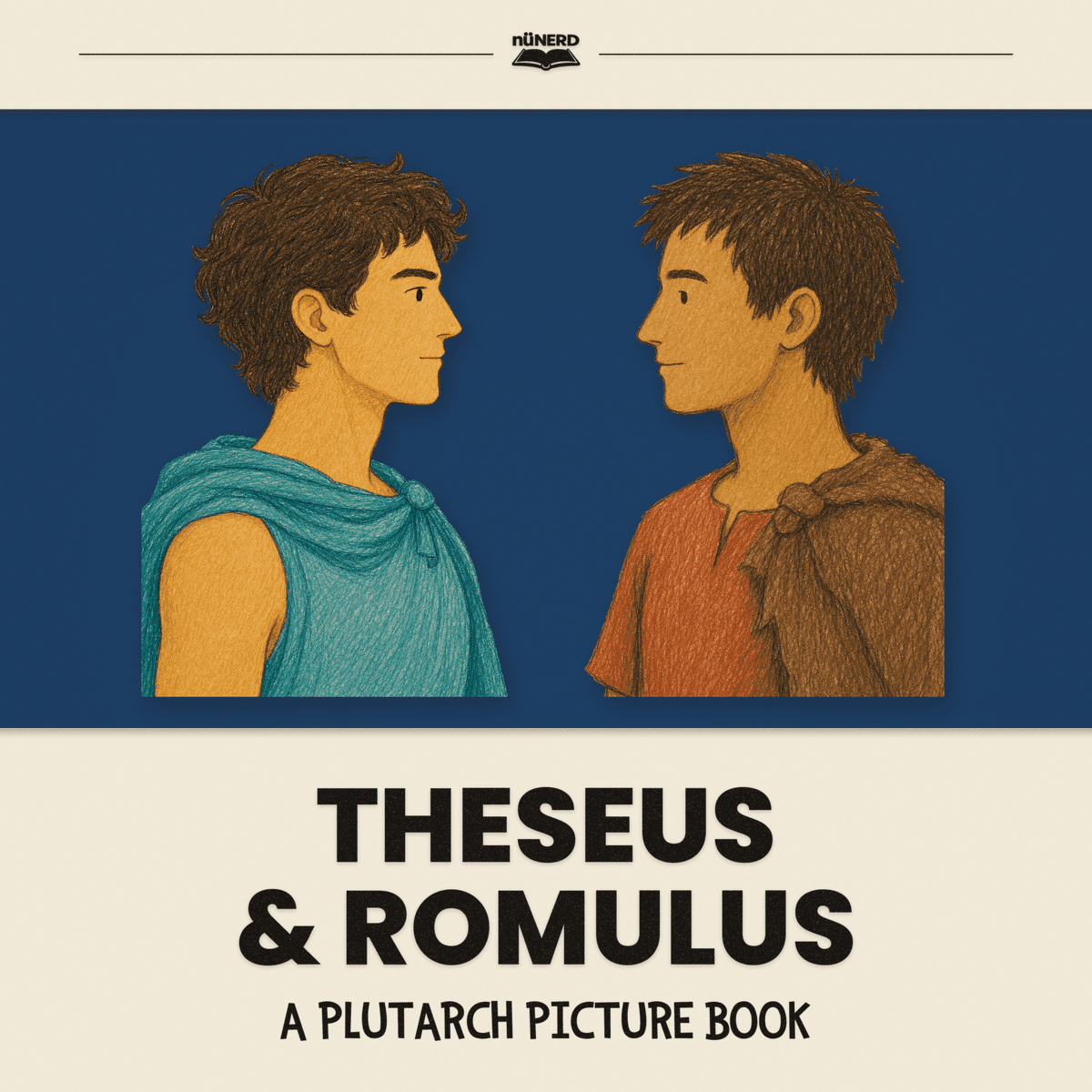
A Plutarch Picture Book
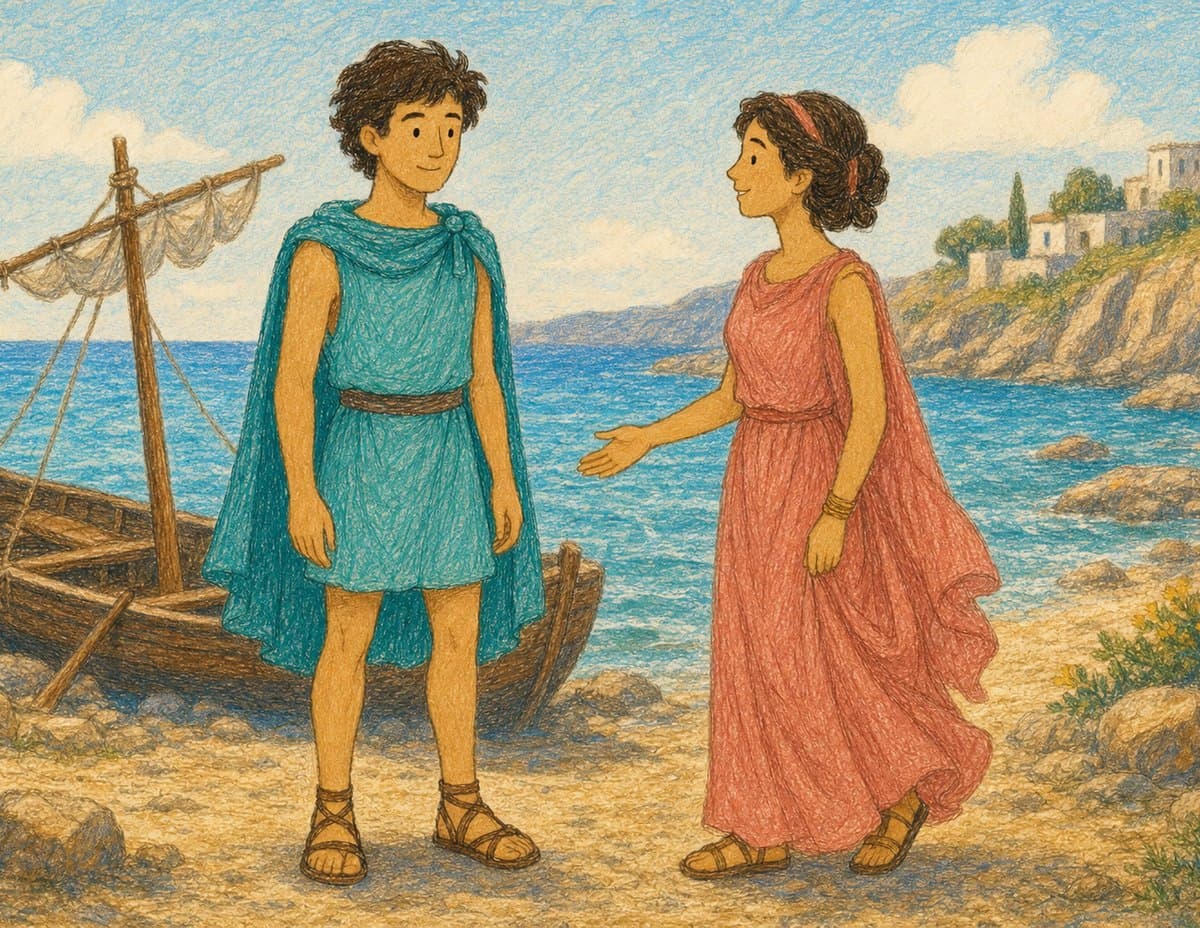
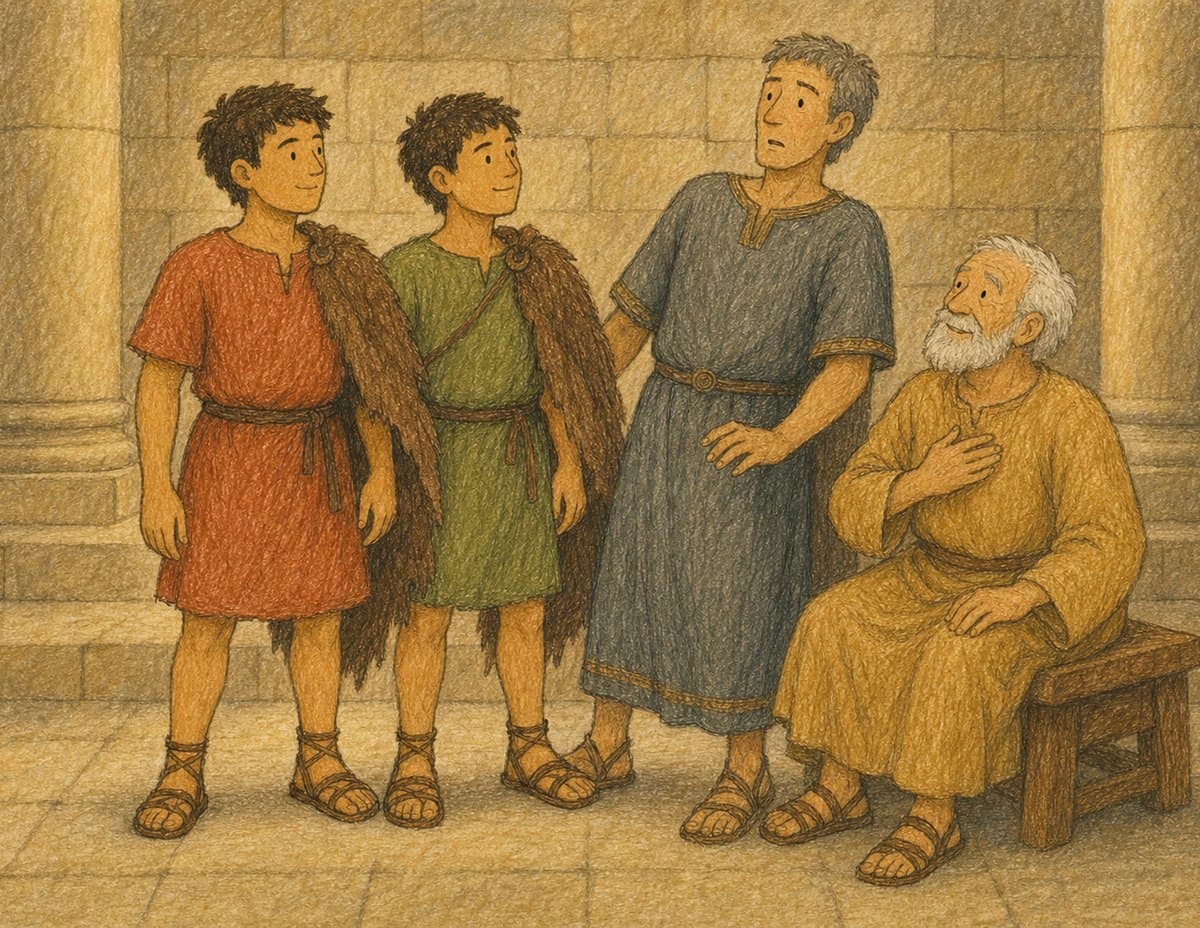
Picture Book (8.5" × 8.5") · Full Color Soft Crayon
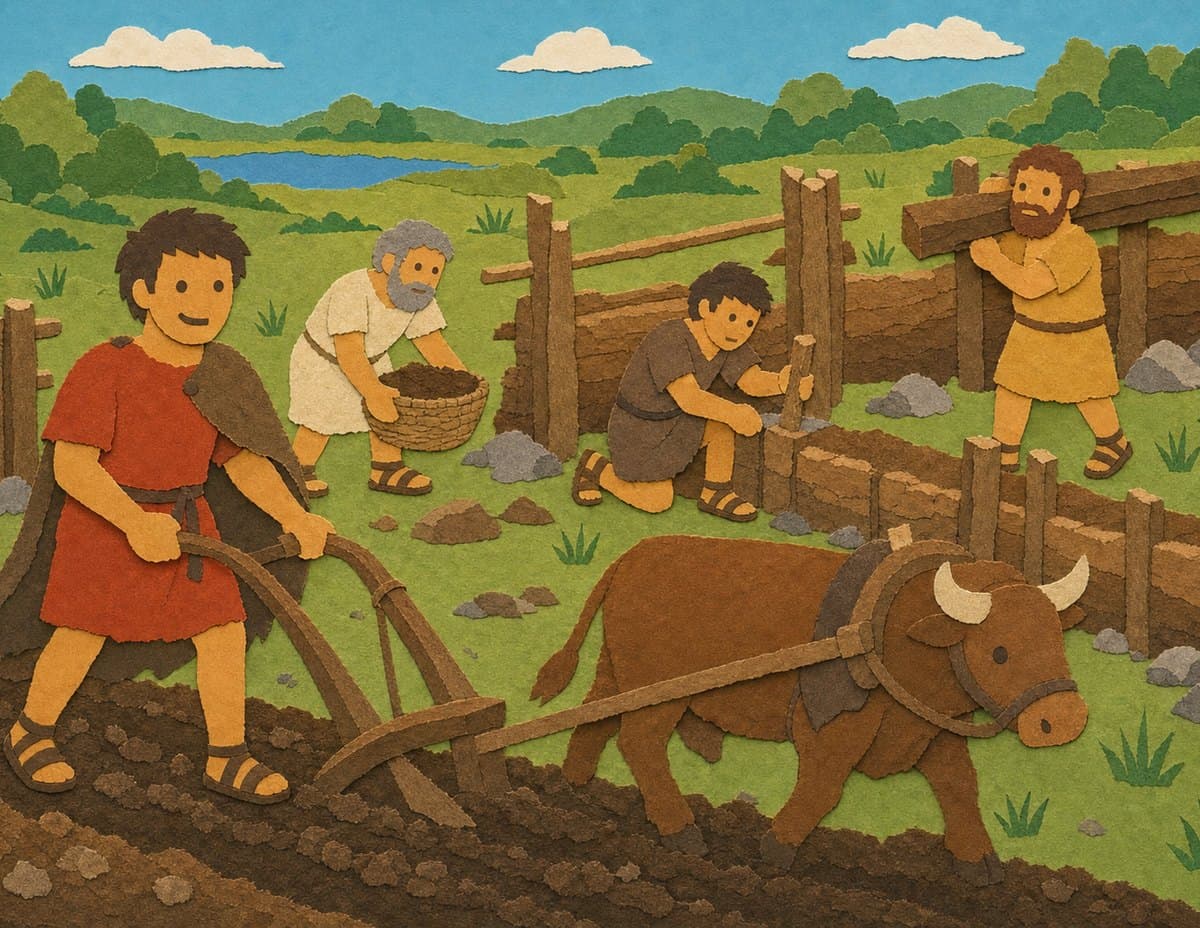
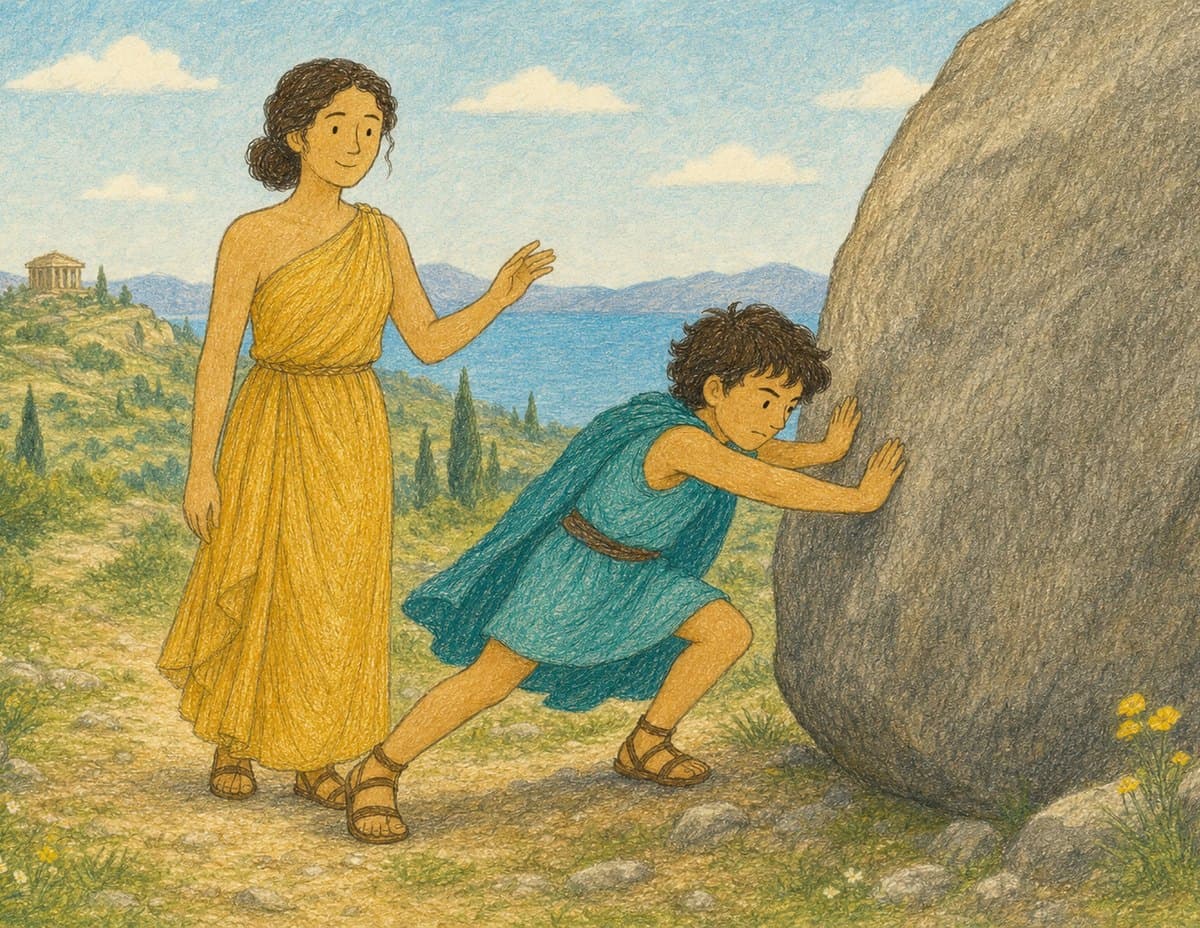
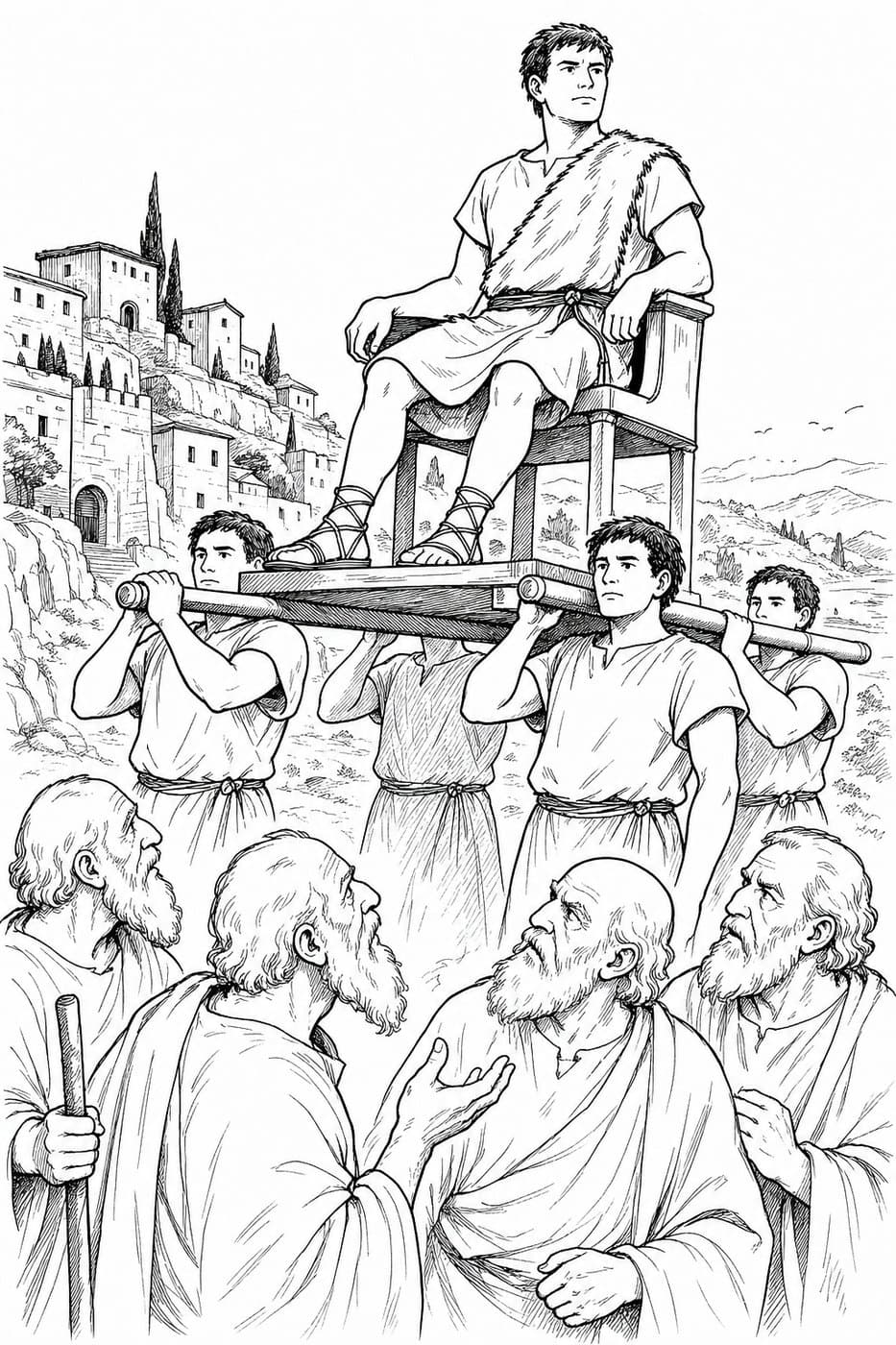
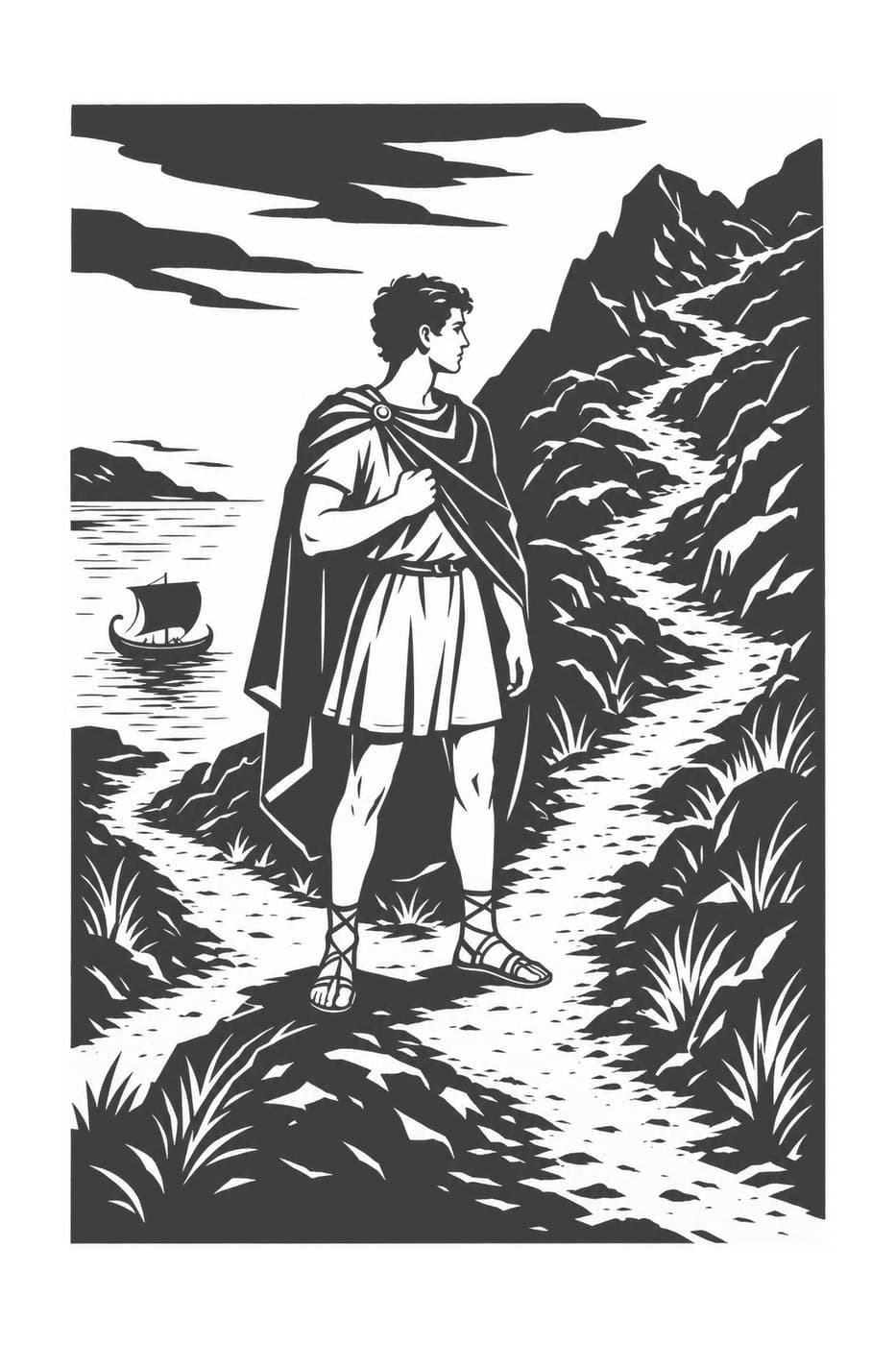
Two boys, born in two faraway lands, who each grew up to do the same astonishing thing: take a crowd of separate, quarreling people and turn them into a single great city. The picture book sets Theseus and Romulus side by side so a young child can feel how alike and how different two famous lives can be, and the question underneath the adventure, that the hard part was never the building, it was the people. Read aloud and early independent reading.
Buy on Amazon
Ages 6–10 · Early Independent
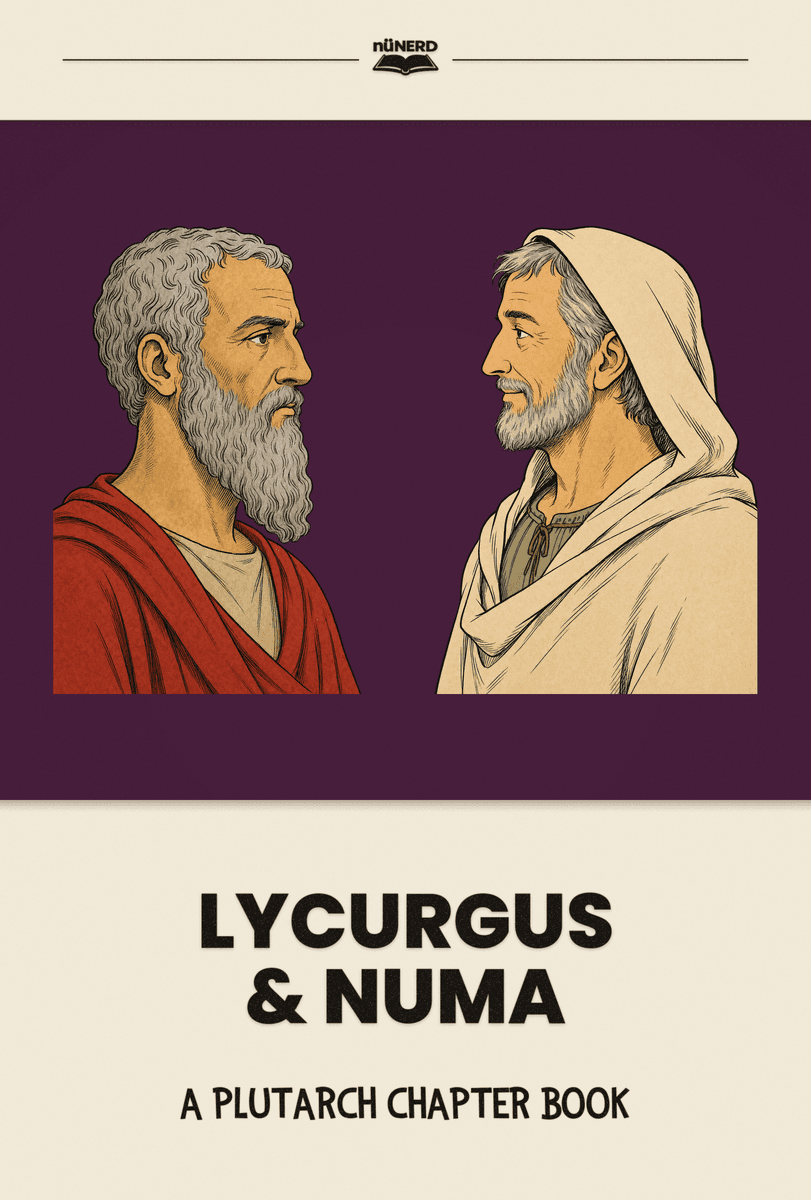
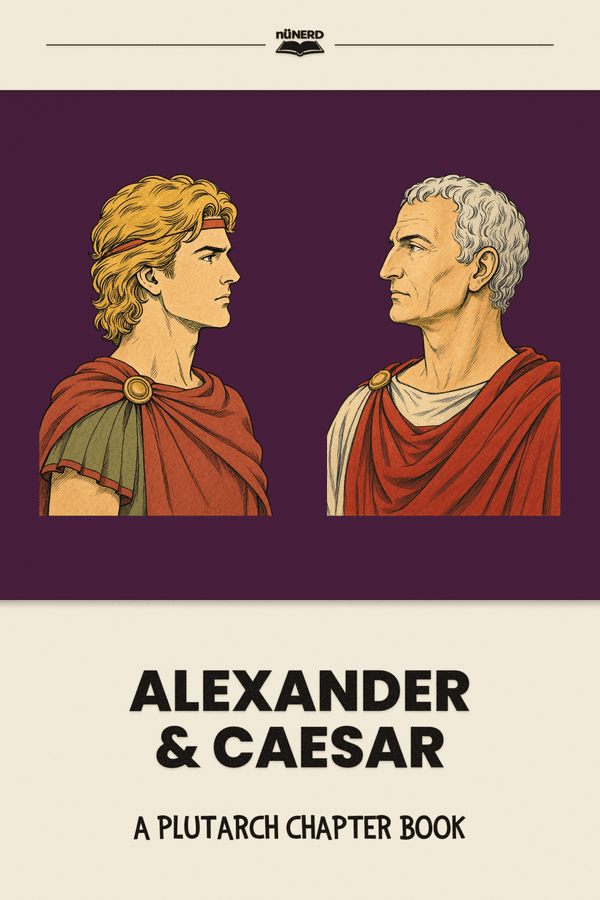
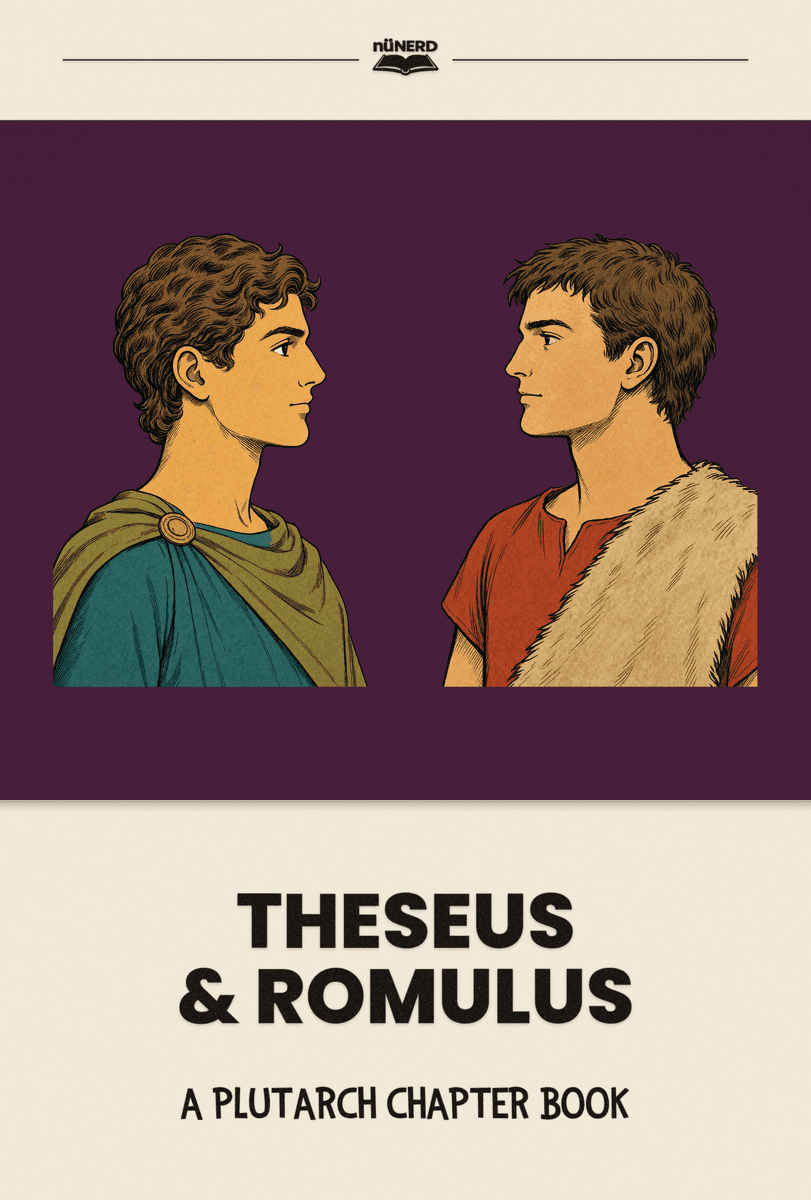
A Plutarch Chapter Book
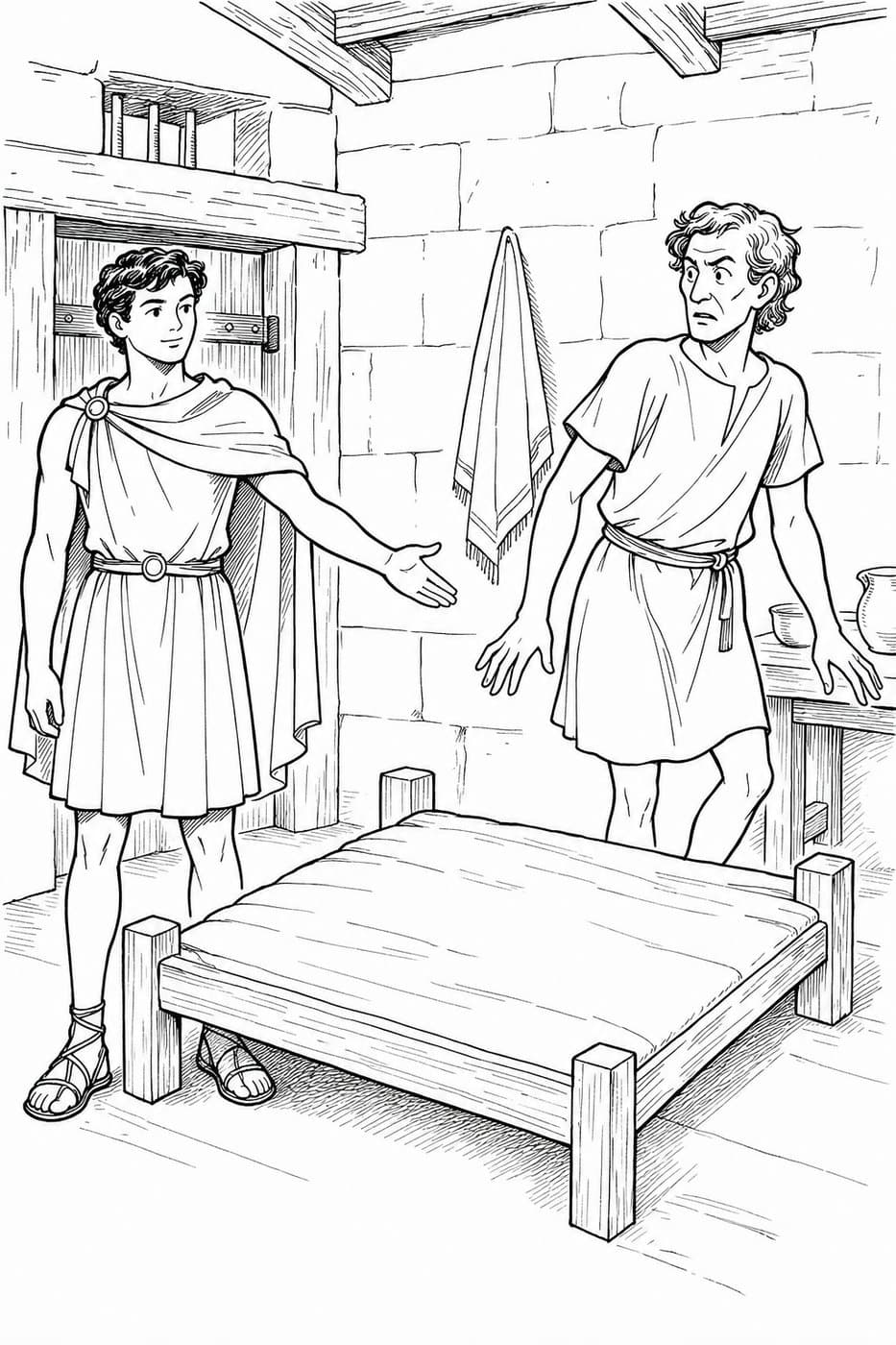
Chapter Book (6" × 9") · Black & White Illustrations
Both lives in full, a great Greek and a great Roman, including the falls the younger books leave out, and then the part other versions skip: the weighing. Your child learns to read a life the way Plutarch did, and meets the hardest truth in both stories, that greatness is not the same thing as goodness and a wrong always leaves a debt someone has to pay. Real history with its hard edges named, not dramatized, with vintage black-and-white illustrations.
Buy on Amazon
Ages 10–14 · Independent
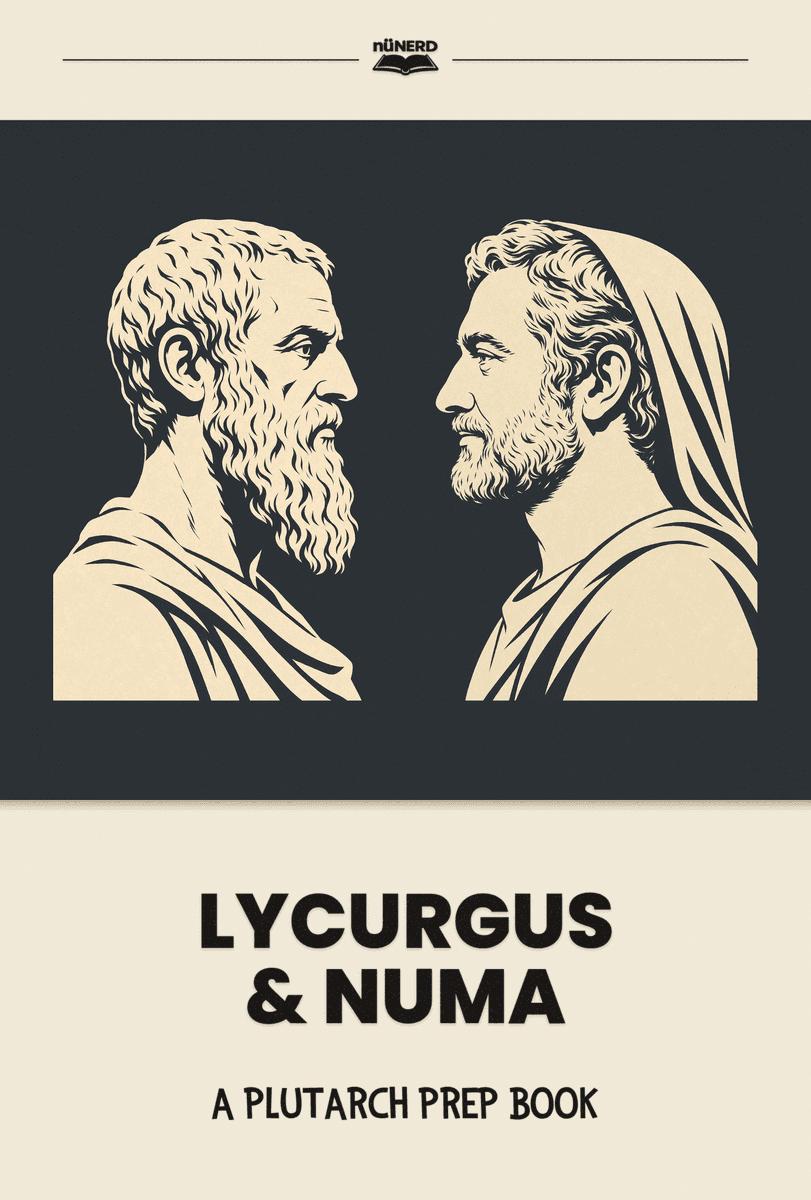
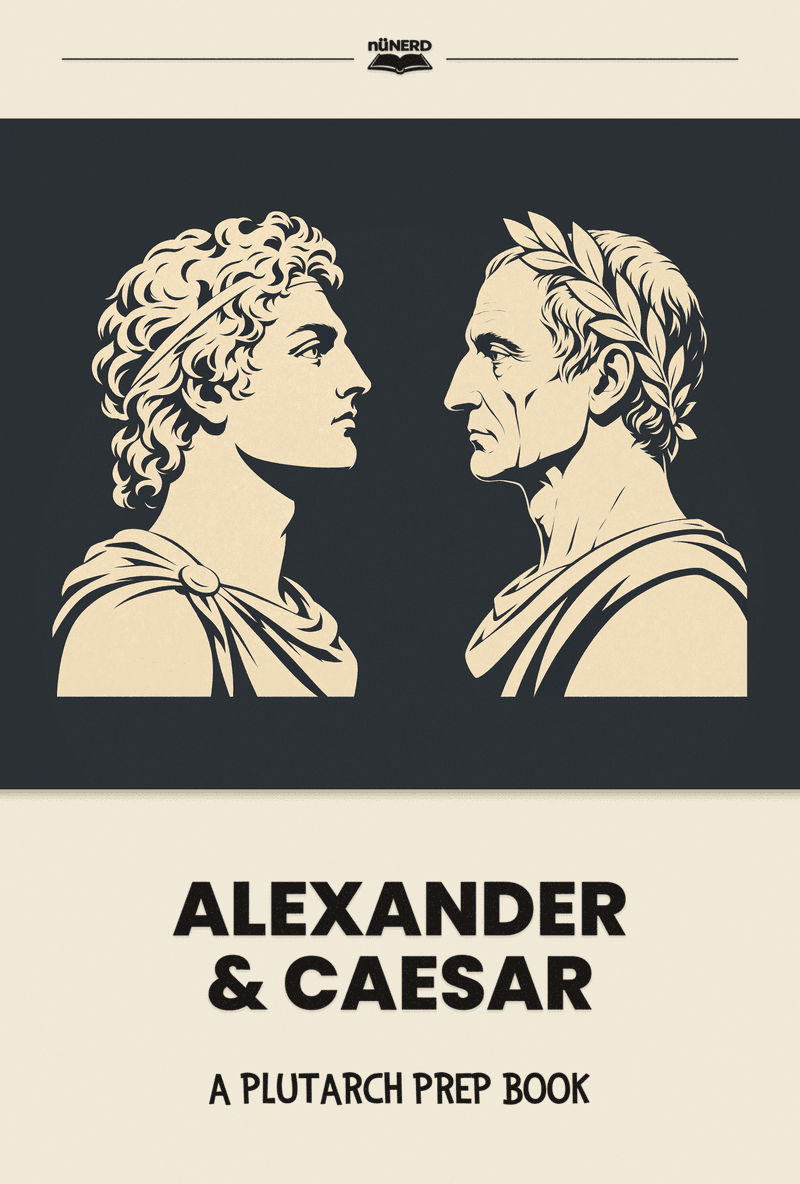
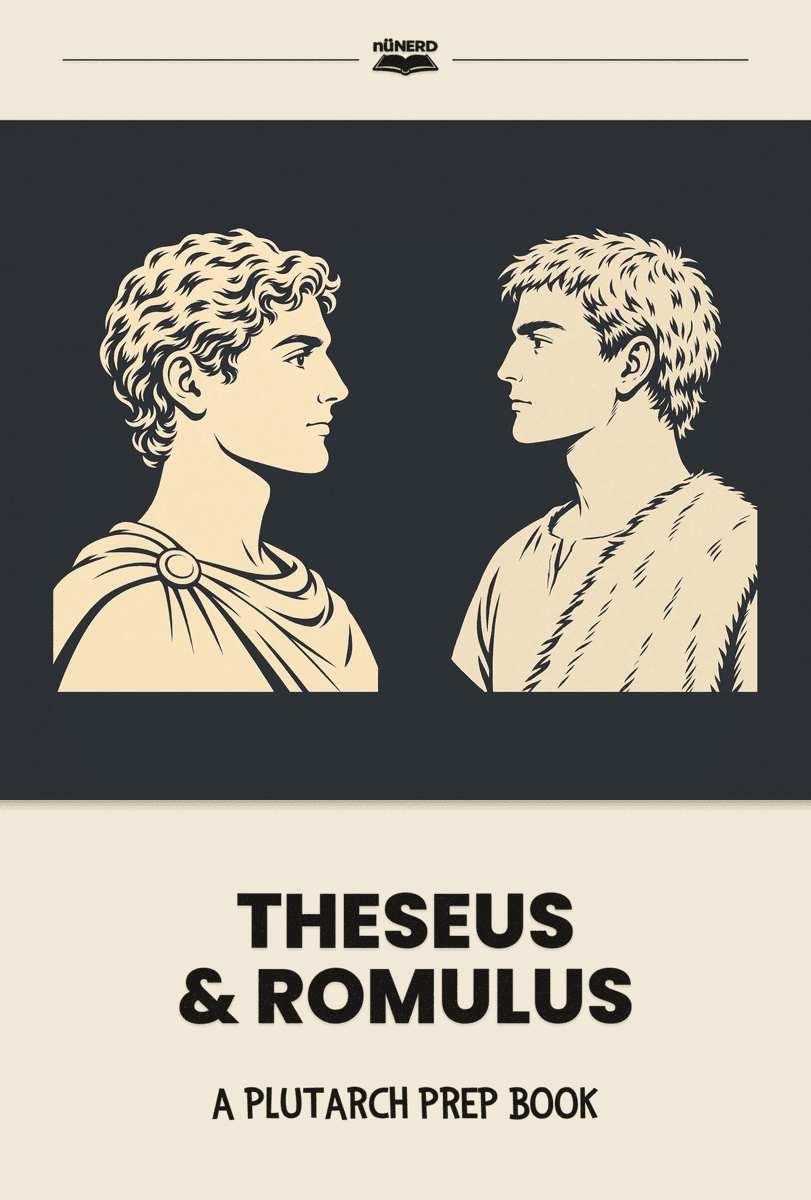
A Plutarch Prep Book
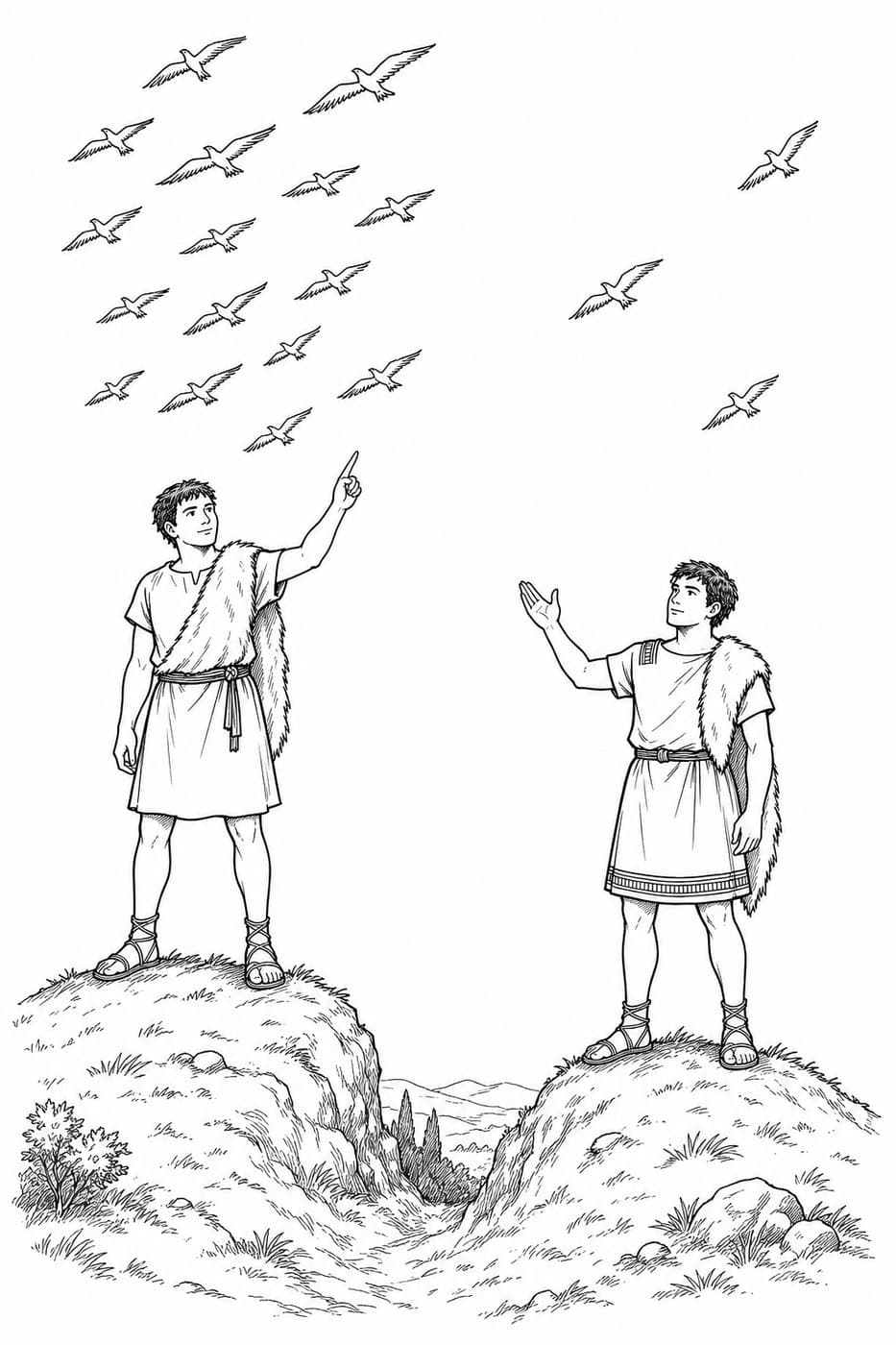
Prep Book (6" × 9") · Black & White Woodcut
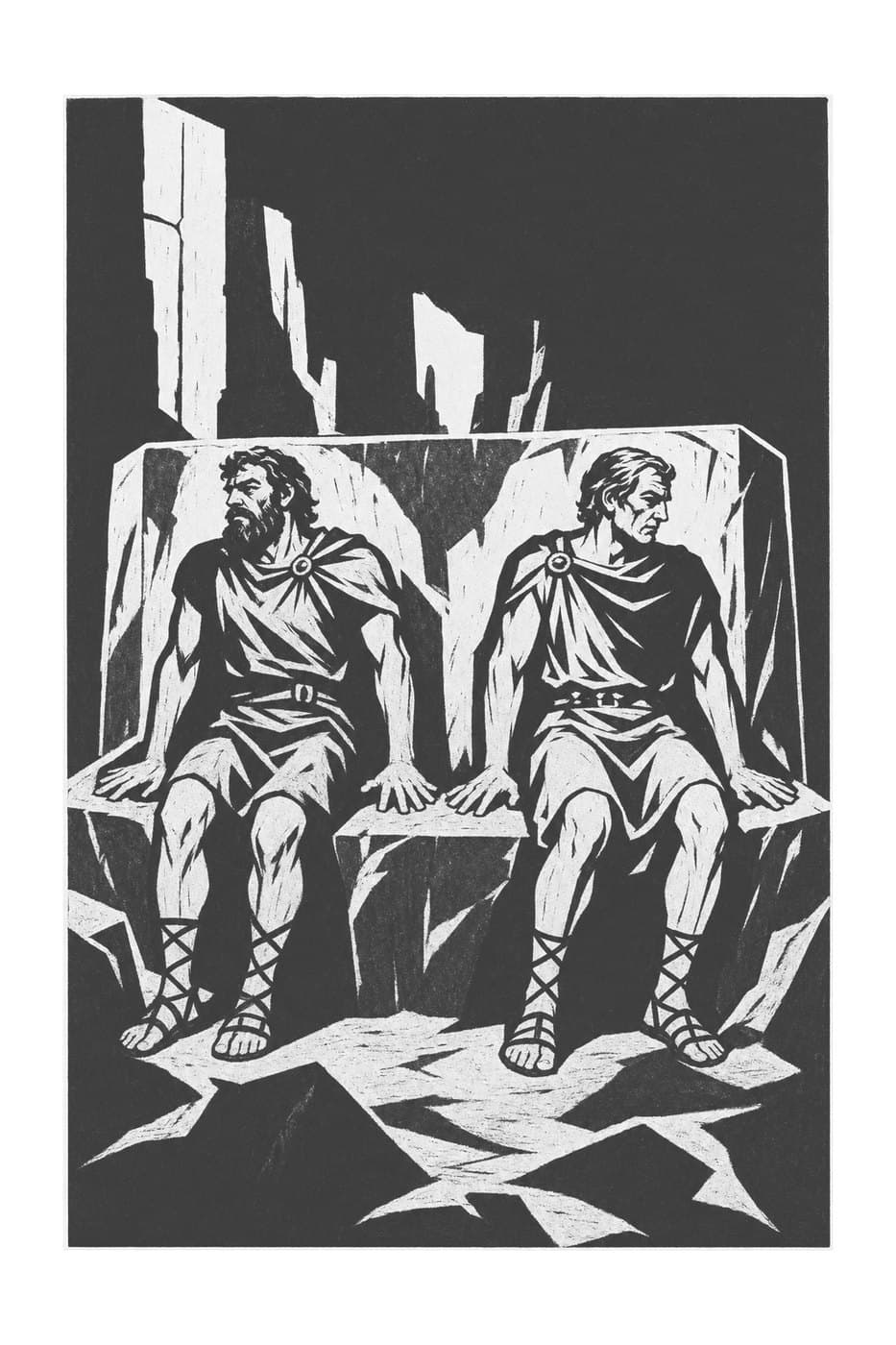
Plutarch ended every pair with a verdict, and for almost every pair that final chapter is lost; for Theseus and Romulus, the first pair he ever wrote, it survived. The prep book teaches a ten- to fourteen-year-old to weigh two lives the way a historian does, handle sources that disagree, and then do the bravest thing a student of a great book can do: build a verdict, open Plutarch's own, and argue carefully where his calls do not hold up. It hands a reader the lost art of comparison and the standing to argue back.
Coming soonFree resources
Read Theseus & Romulus free
Our books are built to get kids ready for the real thing. When they are, here is the real thing, free: the public-domain text, a volunteer-read audiobook, and background worth a parent’s time.
Read Plutarch free (complete translations)
- Project Gutenberg: Lives of the Noble Grecians and Romans (Dryden/Clough)
The complete Parallel Lives, free in every e-reader format, including the lives of Theseus and Romulus and the surviving comparison between them. The Dryden translation revised by Clough is the classic English one.
- LacusCurtius: Parallel Lives (Perrin/Loeb translation)
A clean, reliable online text of every Life, side by side with the Greek. Handy for looking up a single life like Theseus or Romulus without buying anything.
Listen free (audiobook)
- LibriVox: Plutarch's Lives (multi-volume audiobook)
Free volunteer recordings of the public-domain Lives. Good for a school run, or for an older child who wants to hear the real thing after the chapter book.
Classic children's retelling (free)
- The Boys' and Girls' Plutarch (John S. White) at Project Gutenberg
A century-old retelling of the Lives for young readers, free in full. A nice companion once a child has met Theseus and Romulus in our books.
Background for parents and teachers
- Livius.org: Who was Plutarch?
A clear, authoritative overview of who Plutarch was, how he worked, and why the Parallel Lives matter. The grown-up briefing before you hand the stories to a child.
- AmblesideOnline: Plutarch study guides (Charlotte Mason)
Anne White's free study guides walk an older student through Plutarch's actual text, life by life. The natural next step after the prep book, for a classical or Charlotte Mason home.