May 29, 2026
Why We Made Machiavelli for Kids
Niccolò Machiavelli (1469–1527) was a Florentine government secretary who spent fourteen years in office, was sent on missions to kings, popes, and generals, and wrote The Prince in 1513, after the returning Medici family had put him out of his job. Several of his ideas are within a child's reach. A leader needs to be both a fox, clever enough to spot a trap, and a lion, strong enough to scare off wolves. About half of what happens to us, he wrote, is fortune, which he compared to a flooding river that you build banks against while the weather is calm. Each of our three Machiavelli books, for ages 0–4, 3–7, and 6–10, takes a different piece of him.
His name turned into an insult quickly. The Prince was printed in 1532, five years after he died, and by the late 1500s "Machiavel" was a stage villain in English plays: in Christopher Marlowe's The Jew of Malta, written around 1590, a character called Machevil speaks the prologue. Our chapter book introduces a different man: a secretary who sent long letters home from Cesare Borgia's court, and who argued, in the Discourses on Livy, that republics outlast kingdoms.
We made these books because the man behind the insult is worth meeting: a government secretary who watched how power worked and wrote down what he saw. What a child can take from him is the habit of looking at what people actually do, preparing while things are calm, and knowing when to be clever and when to be strong.
Every topic, its own book at each reading level
History, philosophy, and classic literature for kids from toddlers to teens.
What's in each of our Machiavelli books?
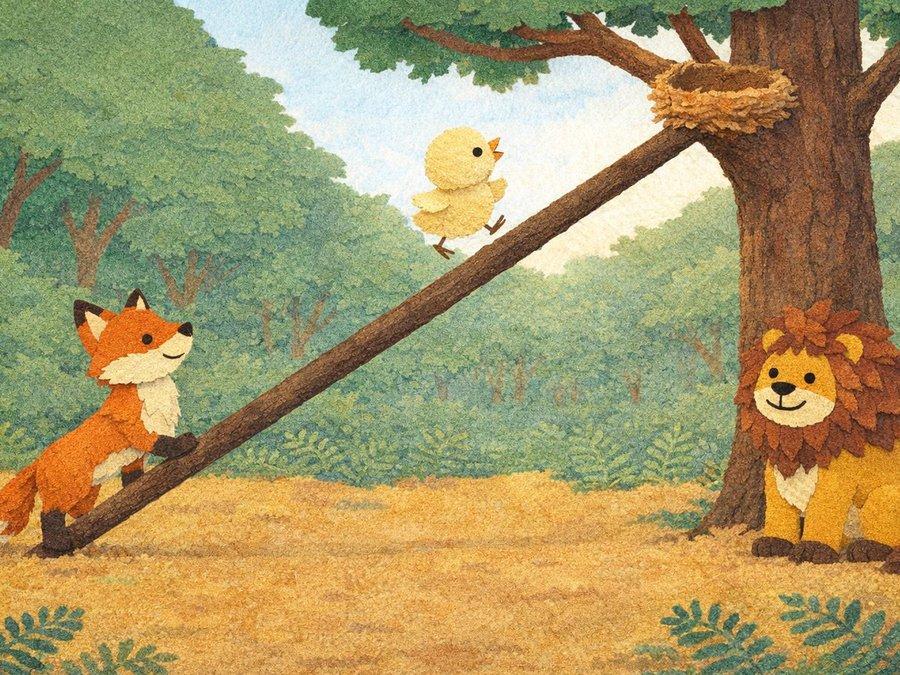
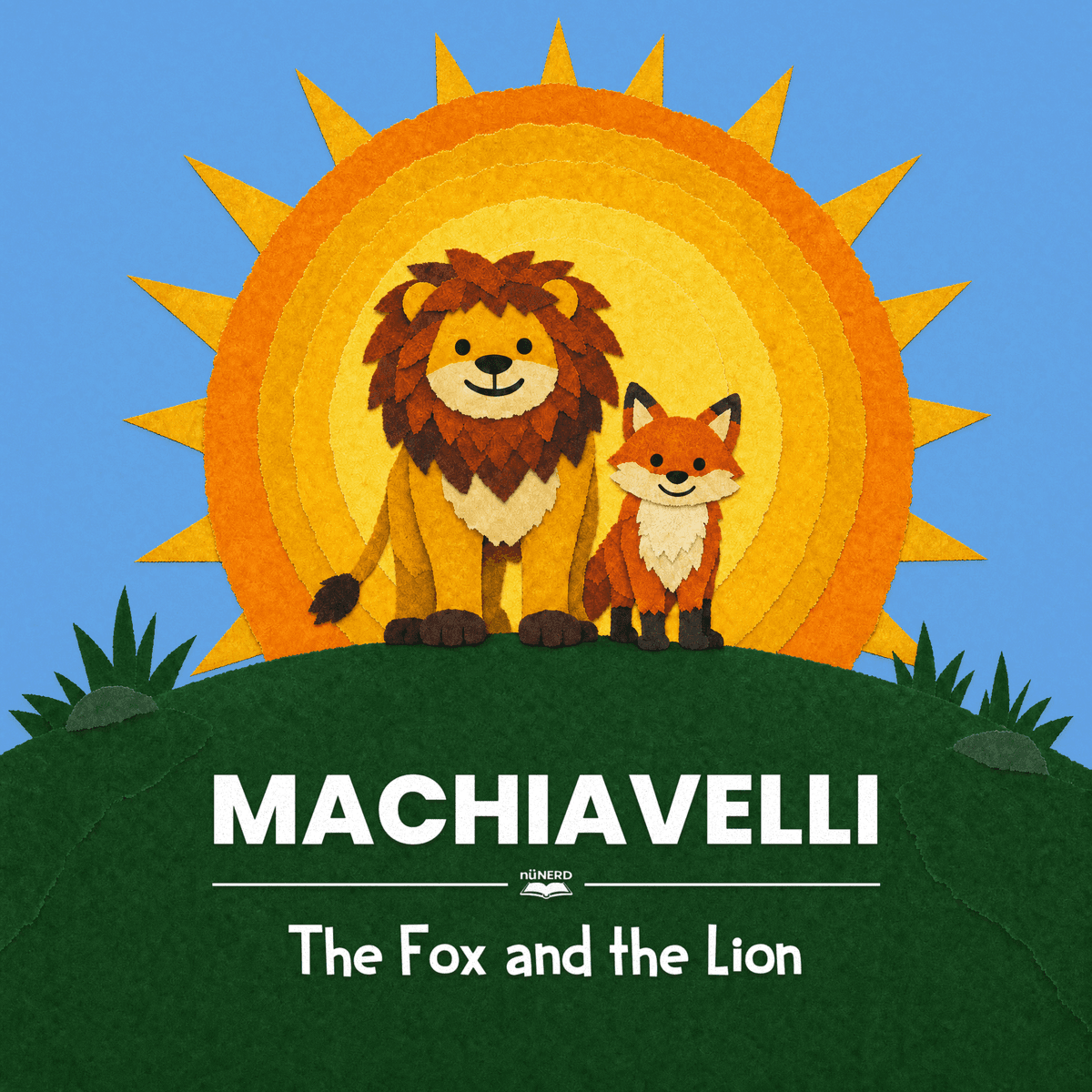
The toddler book, The Fox and the Lion, keeps the image from chapter 18 of The Prince and leaves out the prince. The lion pushes at a log that will not budge, and the fox finds a way around it. The fox tries to sneak past a grumpy goose and gets chased right back ("Clever doesn't work here"), so the lion walks straight up and roars. At a tangle of thorns, the fox spots the one vine holding it together and the lion pulls it loose. Neither animal wins every time.
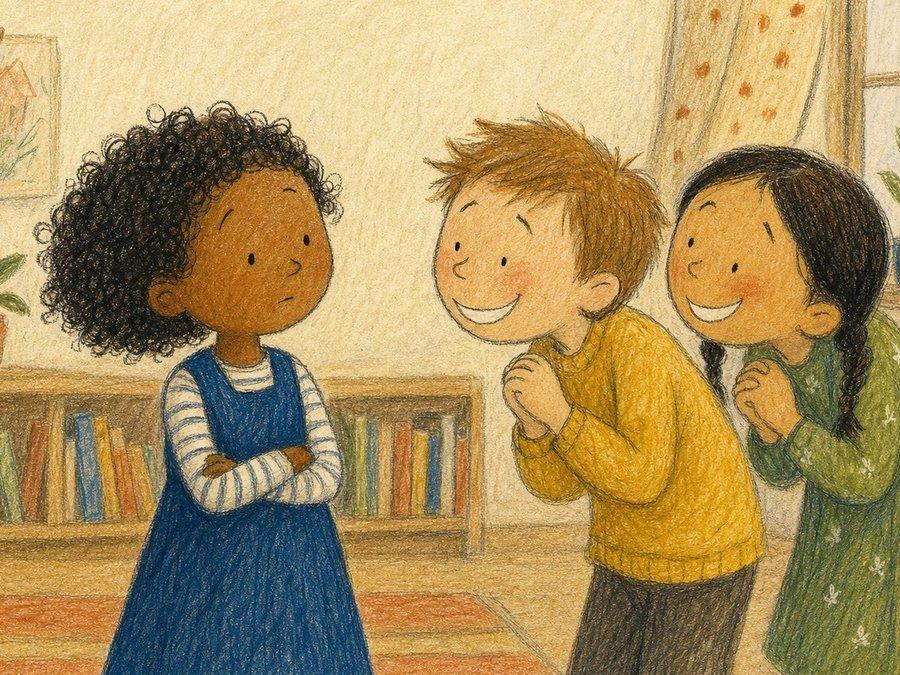
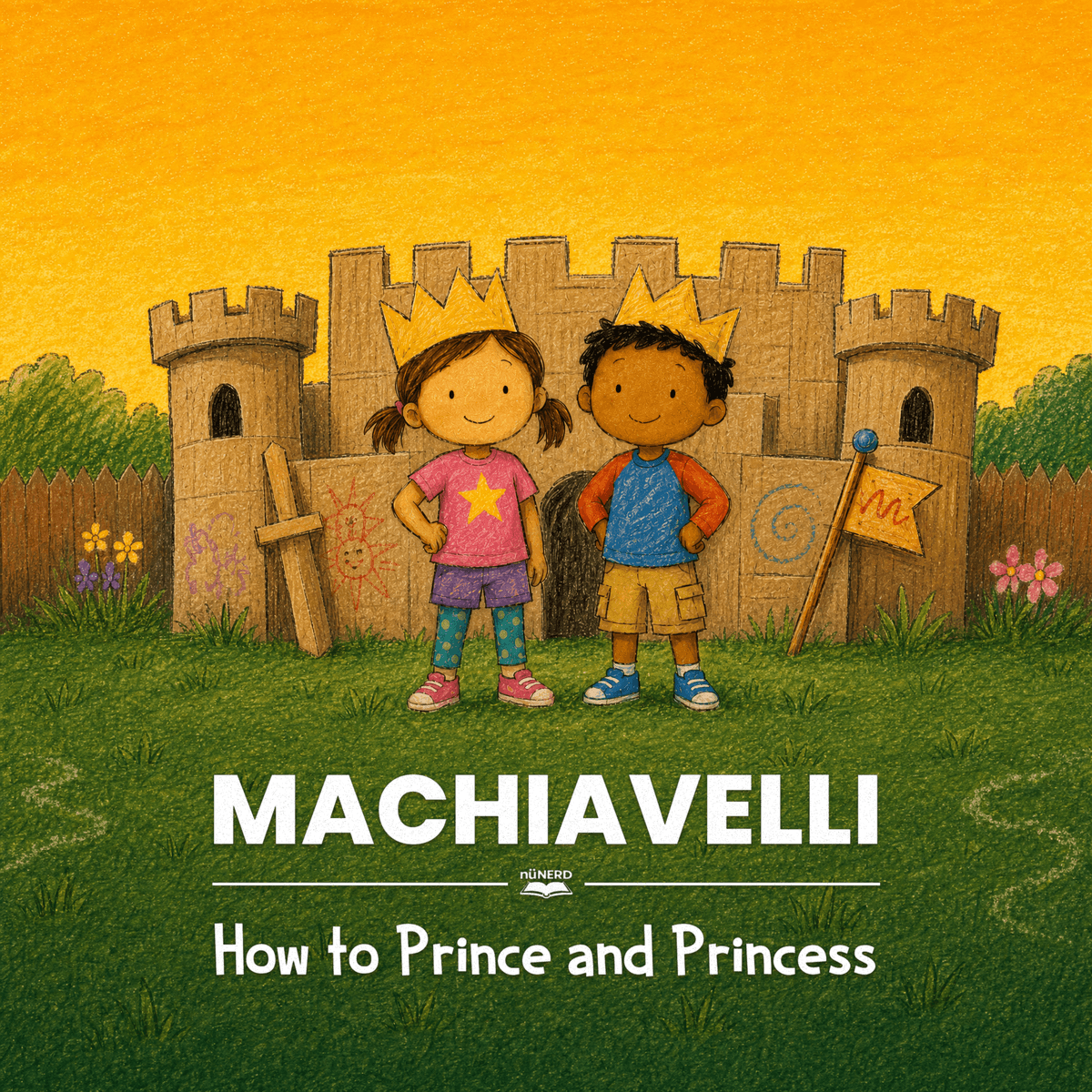
The picture book, How to Prince and Princess, gives the reader, a prince or princess in training, "six little rules" in rhyme: prepare while it is calm, study the world, mean what you say, hold your ground against sweet-talkers, know when to be the fox and when to be the lion, and know that half of life is not up to you. Each rule starts somewhere ordinary: preparing means packing "the snacks and the jackets and shoes," and studying the world starts with "the signs at the store." Five of the six have a source in The Prince: preparing in calm weather and fortune's half from chapter 25, studying the land and reading history from chapter 14, the flatterers from chapter 23, and the fox and the lion from chapter 18. The sixth rule, "Mean the words that you say," is ours, not his. In chapter 18, the fox-and-lion chapter, Machiavelli argues that a prince need not keep his word when keeping it would work against him. We chose not to hand that one to a five-year-old.
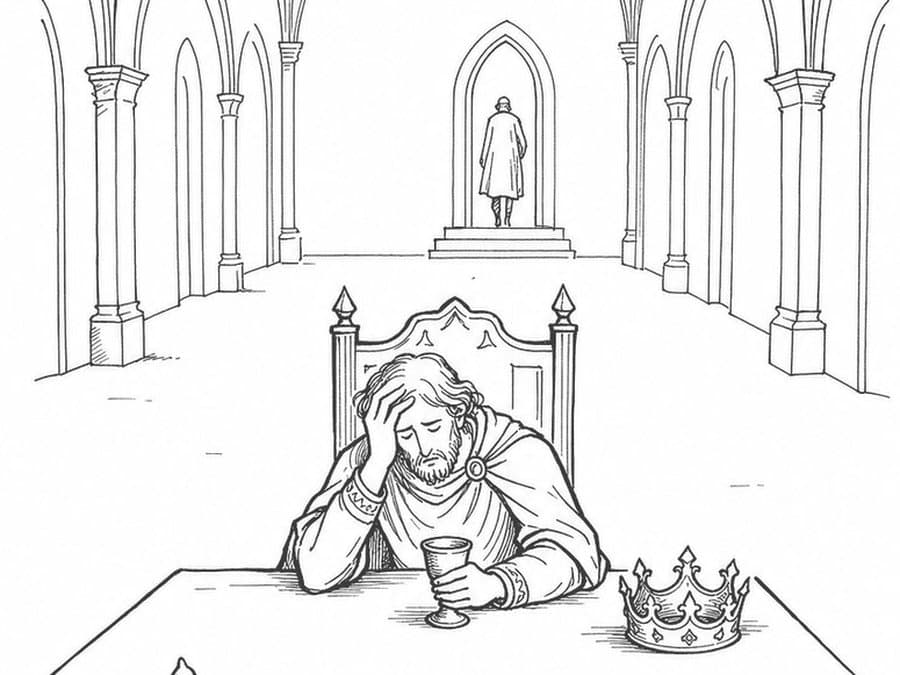
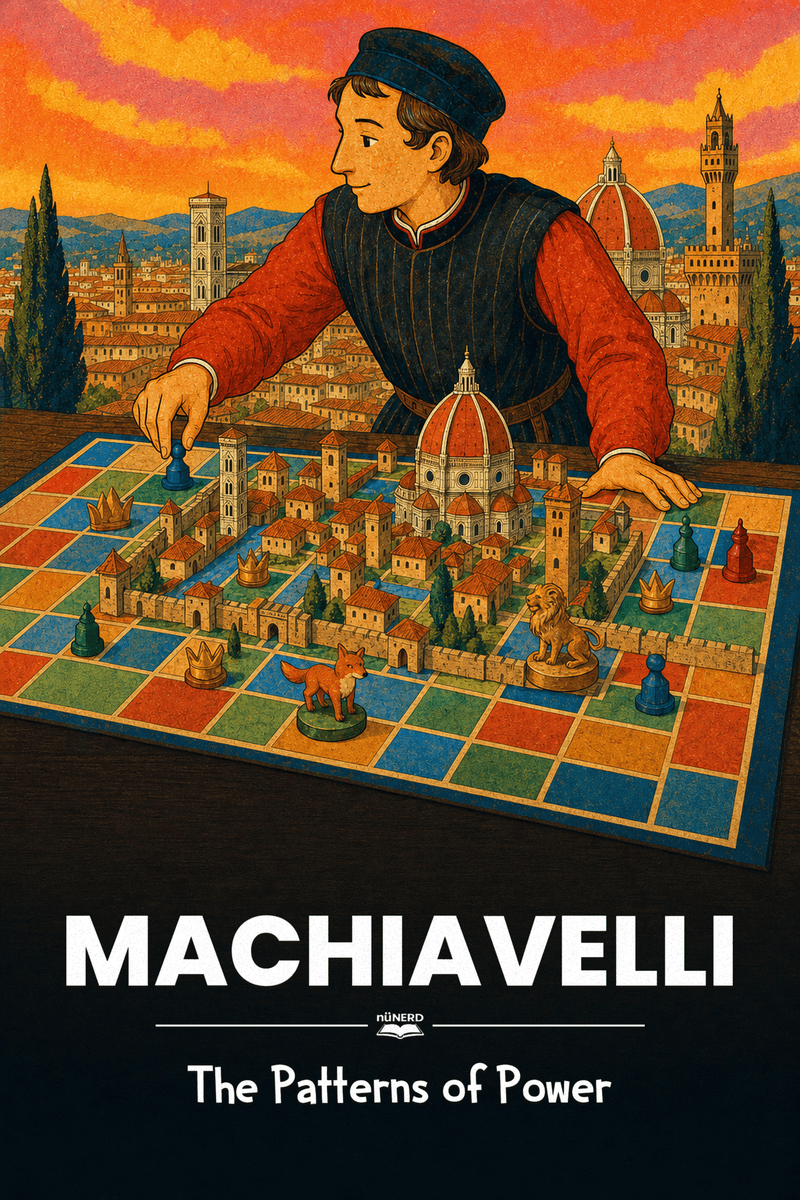
The chapter book, The Patterns of Power, is about the man himself. It follows him to Cesare Borgia's court, where Borgia invites the captains plotting against him to a peace conference and smiles and shakes their hands while his men close every exit. It ends on the farm where he wrote The Prince, where he put on his best clothes at night to sit with his books. Many of the ideas come with an example from a kid's own world: the classmate who keeps taking pencils even after the teacher says "be kind and share" shows why a plan has to start from what people do, and a class president with three pieces of bad news has to decide whether to tell the class all at once or spread it over three weeks.

What age are the Machiavelli books for?
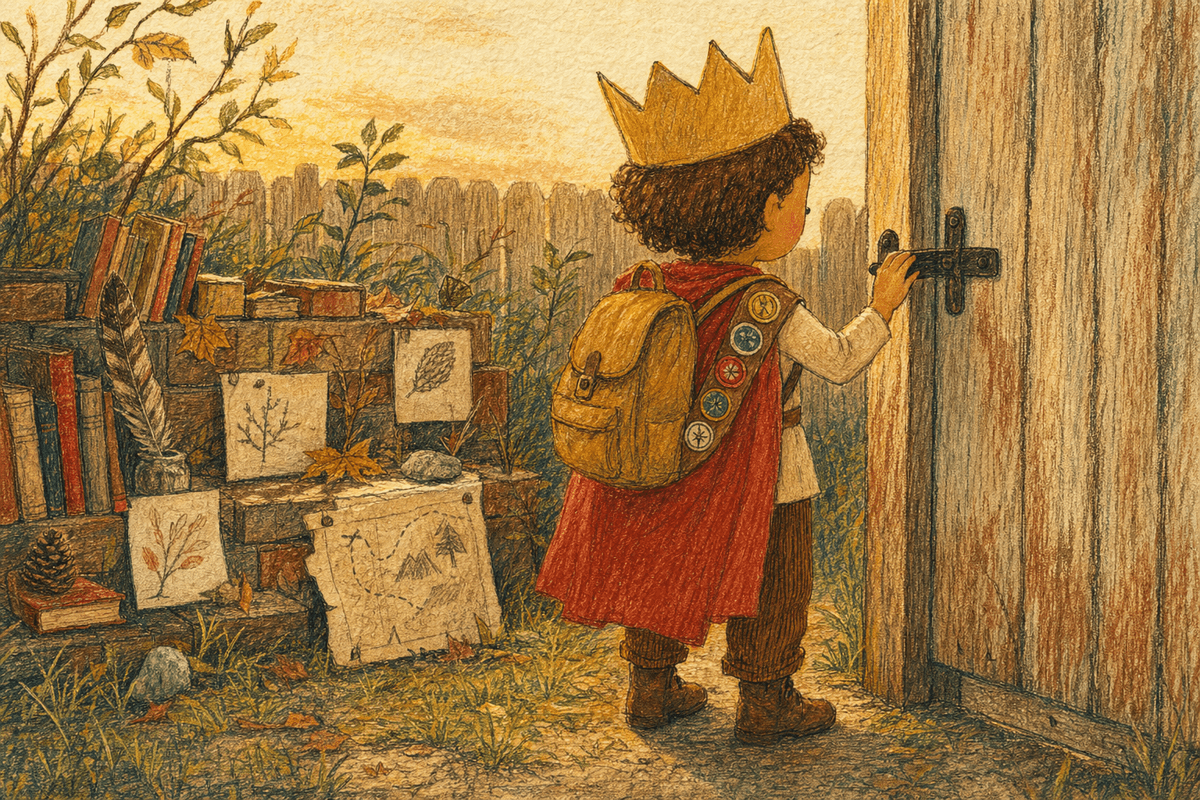
The Fox and the Lion is for ages 0–4, and How to Prince and Princess is for ages 3–7. The Patterns of Power is for ages 6–10, as a read-aloud for the younger children and on their own for confident readers. The Prince itself was written for adults and suits older teenagers and grown-ups. You can find the three books on the Machiavelli page.
From the books
Toddler book, ages 0–4
Picture book, ages 3–7
Chapter book, ages 6–10
How did Machiavelli and Leonardo da Vinci try to move a river?
In 1503 Florence had been at war with Pisa for nine years, and the plan was to dig channels that would turn the Arno away from Pisa, leaving the city without its river route to the sea. Leonardo da Vinci surveyed the ground outside Pisa in the summer of 1503. Machiavelli, as secretary to the government's war committee, wrote the letters that ran the work. Digging began in August 1504. The ditches came out shallower than planned, the banks caved in, and autumn storms flooded the works; by October the project was abandoned. Our chapter book tells the ending: "The plan was bold and clever. It did not work. The river would not cooperate."
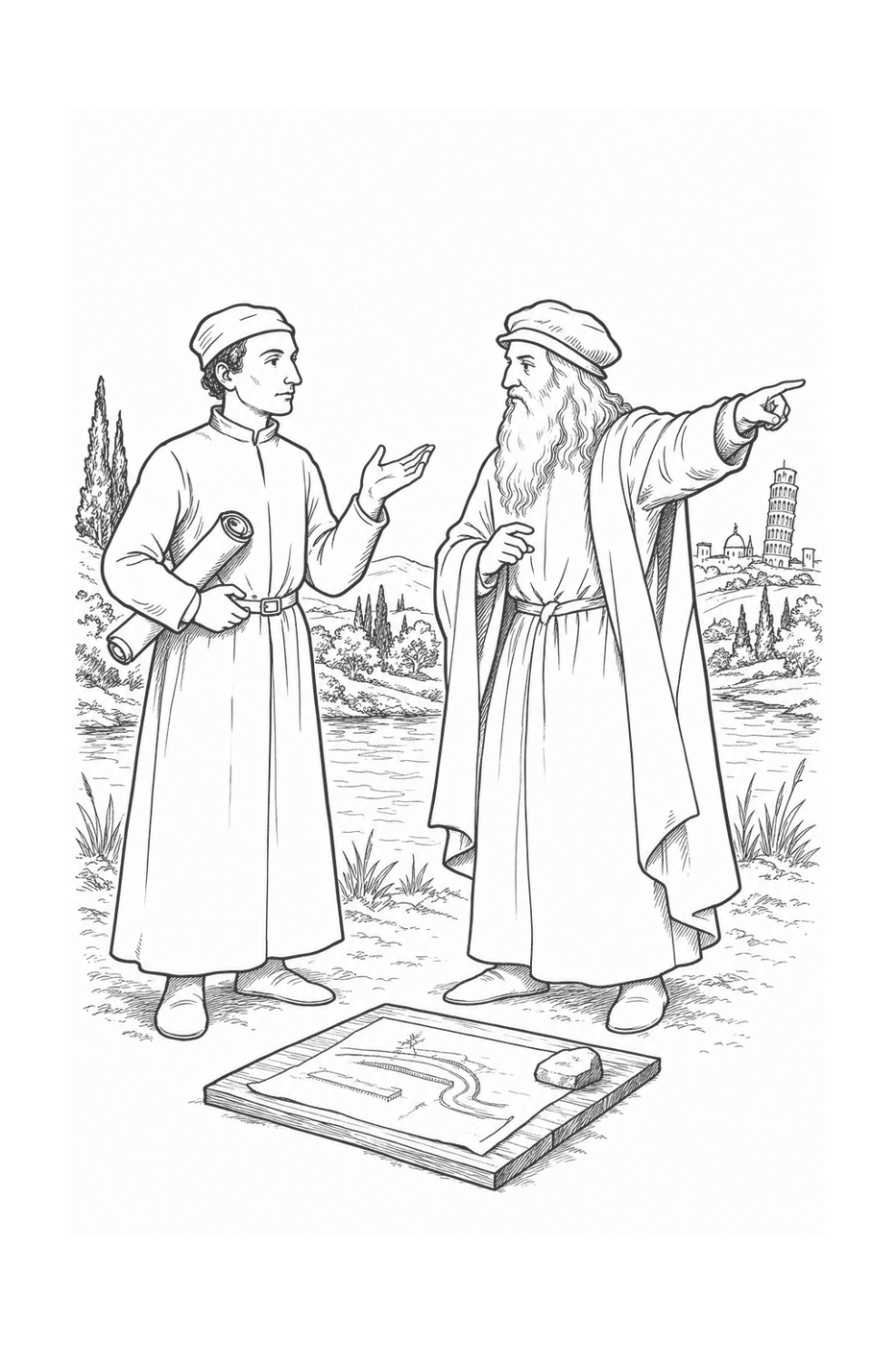
Nine years later, in chapter 25 of The Prince, Machiavelli compared fortune to a violent river that floods the plains, and said that in quiet times people can prepare against it with embankments and dikes. He does not say whether he had the Arno in mind. The political scientist Roger Masters argued that he did, in a 1998 book called Fortune Is a River. The picture book and the chapter book both use the river: the picture book tells a child, "So you build when it's sunny, you stock when it's clear," and the chapter book says that when the river is calm, "that is the time to build levees."
Reading the Machiavelli books aloud
In the toddler book, stop at each new problem and ask your child who should try first, the fox or the lion. Sometimes the first one to try gets it wrong, as the fox does with the goose. Sometimes it takes both of them: at the thorns, the fox finds the vine and the lion pulls. With the chapter book, stop at the class president and ask which way your child would tell the bad news.
Each of our Machiavelli books is made to be outgrown: your child finishes one level and moves up to the next, where the same ideas go further.
The books
Machiavelli on Amazon
Frequently asked questions
What format is each Machiavelli book?
The toddler book, The Fox and the Lion, is an 8.5-inch square read-aloud of under 400 words with cut-paper collage pictures. The picture book, How to Prince and Princess, is about 770 words of rhyming verse in the same square format, with soft crayon illustrations. The chapter book, The Patterns of Power, is a 6-by-9-inch book of about 7,400 words with black-and-white illustrations, and it gives pronunciations for names like Medici and Borgia.
Do the Machiavelli books teach kids to be sneaky?
No. In the toddler book, the one time the fox tries to sneak, the goose chases her right back ("Clever doesn't work here"), and the rest of her cleverness goes into finding a way around a log and tipping a branch up to a baby bird's nest. The chapter book tells how Cesare Borgia trapped the captains plotting against him, but it says plainly that Niccolò "knew Borgia had done things that were wrong," and that he studied Borgia "the way a scientist studies a storm: not to admire it, but to understand it."
Did Machiavelli prefer kings or republics?
He wrote about both, to answer different questions. The Prince advises a single ruler on how to hold power; the Discourses on Livy, which he worked on in the same years, argues that republics, where power is shared, are stronger and last longer, with ancient Rome as the main example. He credited Rome's strength partly to the constant quarrels between the patricians and the plebeians, which our chapter book explains as a tug-of-war that neither side ever wins.
Where can I find free Machiavelli resources?
Our Machiavelli page links these free resources: What Machiavellian really means (TED-Ed), The Prince (Project Gutenberg), Machiavelli (Internet Encyclopedia of Philosophy), and The people's prince (Aeon).