

Philosophy · Ages 0–10

Machiavelli

Niccolò Machiavelli told rulers that a prince sometimes has to break his word, and in the same small book warned that one who takes his people's property makes enemies for life. He wrote down what he saw, the ugly parts included.

The lion and the fox rest side by side on a hilltop at sunset, in cut-paper collage

A page from Machiavelli: The Fox and the Lion

Why we love it

A fox and a lion.

In chapter 18 of The Prince, Machiavelli says a lion cannot protect itself from traps and a fox cannot fight off wolves, so a ruler has to be both. In our toddler book a goose proves it: the fox's sneaking fails, and the lion's roar works.

Toddler book, ages 0–4 ↓

Fortune's river.

Machiavelli compares fortune to a river that floods the plains and tears down trees and houses, and says the time to build banks and dikes is while the weather is calm. In our picture book it becomes packing the snacks and shoes before you go.

Picture book, ages 3–7 ↓

His best clothes.

Out of work and stuck on his farm in 1513, Machiavelli wrote to a friend that every evening he took off his muddy clothes, put on courtly robes, and went in among the ancient writers to ask them questions. For four hours, he said, he forgot every trouble.

Chapter book, ages 6–10 ↓

Which book for your child?

Cover of Machiavelli: The Fox and the Lion, for ages 0–4

Ages 0–4 · Toddler book · Read to them

Machiavelli: The Fox and the Lion

Two animal friends move through a forest together. Fox is clever, she watches, waits, finds another way. Lion is brave, he stands tall, pushes through, roars when the moment demands it. Five hundred years ago, Machiavelli wrote that a real leader carries both. This book hands that idea to a 0-to-4-year-old, before the world tells them they have to pick one.

24 pages · about 370 words · cut-paper collage

Good to know
The lion yelps “OW!” when he pushes into a tangle of thorns, and the fox finds the one vine that pulls it apart. Machiavelli is never named in the story.
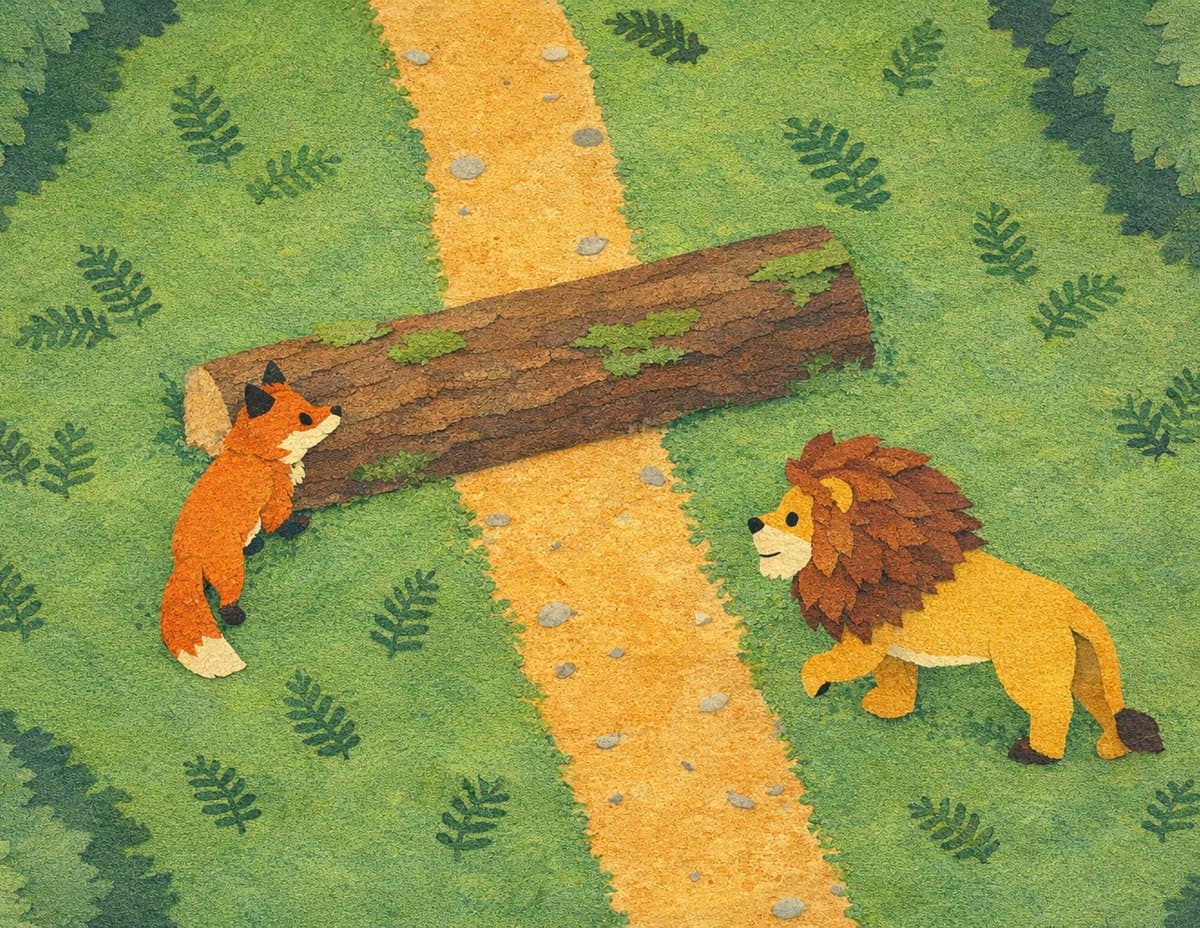
Seen from above, the fox slips around the end of a fallen log while the lion waits on the path, in cut-paper collage
The fox does not push. She looks carefully and finds a way around it! The lion follows her lead.
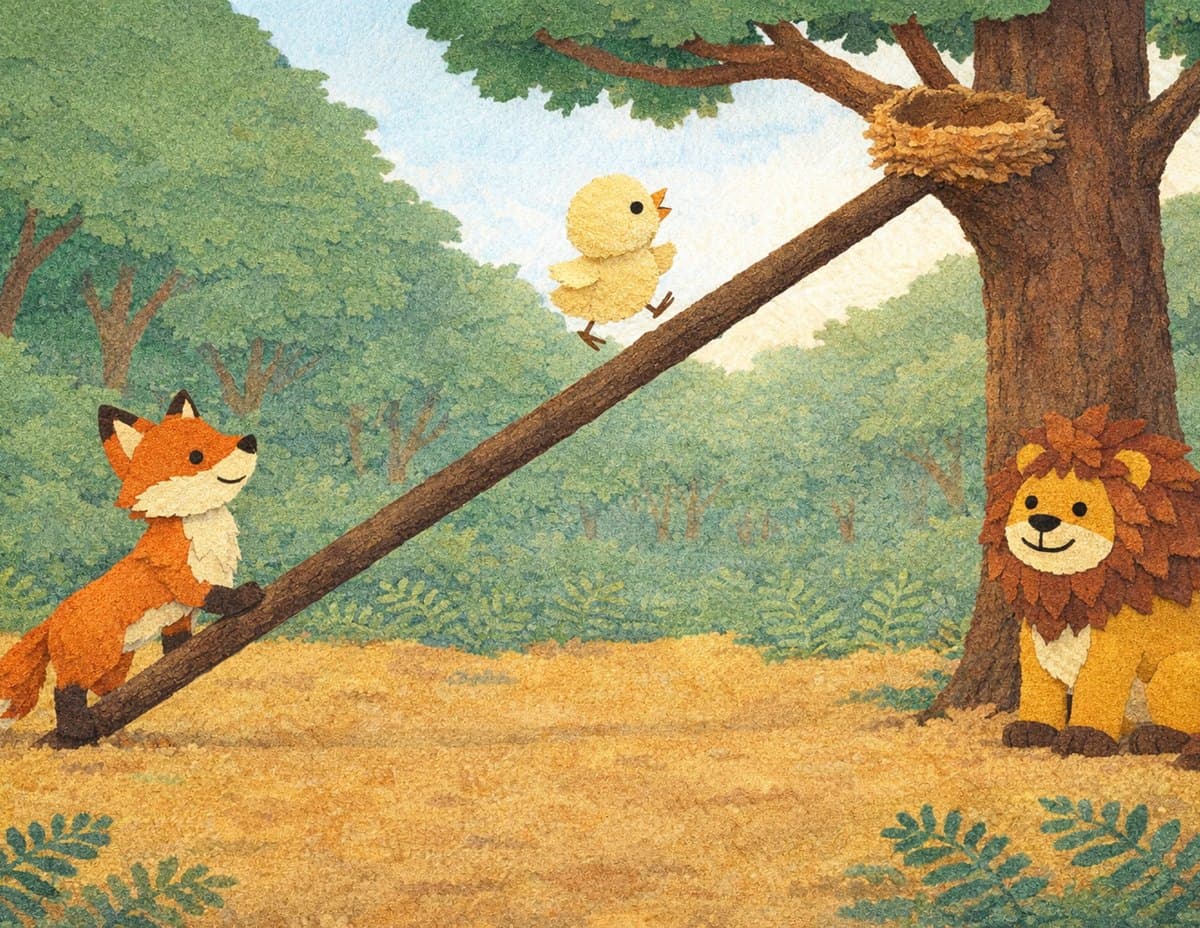
The fox leans a long branch up to a nest in a tree as a baby bird hops up it and the lion sits watching, in cut-paper collage
The fox sees a long branch and tips it to the nest. The baby bird hops right up!
The lion splashes through a rushing river beside a line of stepping stones while the fox waits on the far bank, in cut-paper collage
The lion just walks right through. SPLASH! SPLASH! The water cannot stop him.
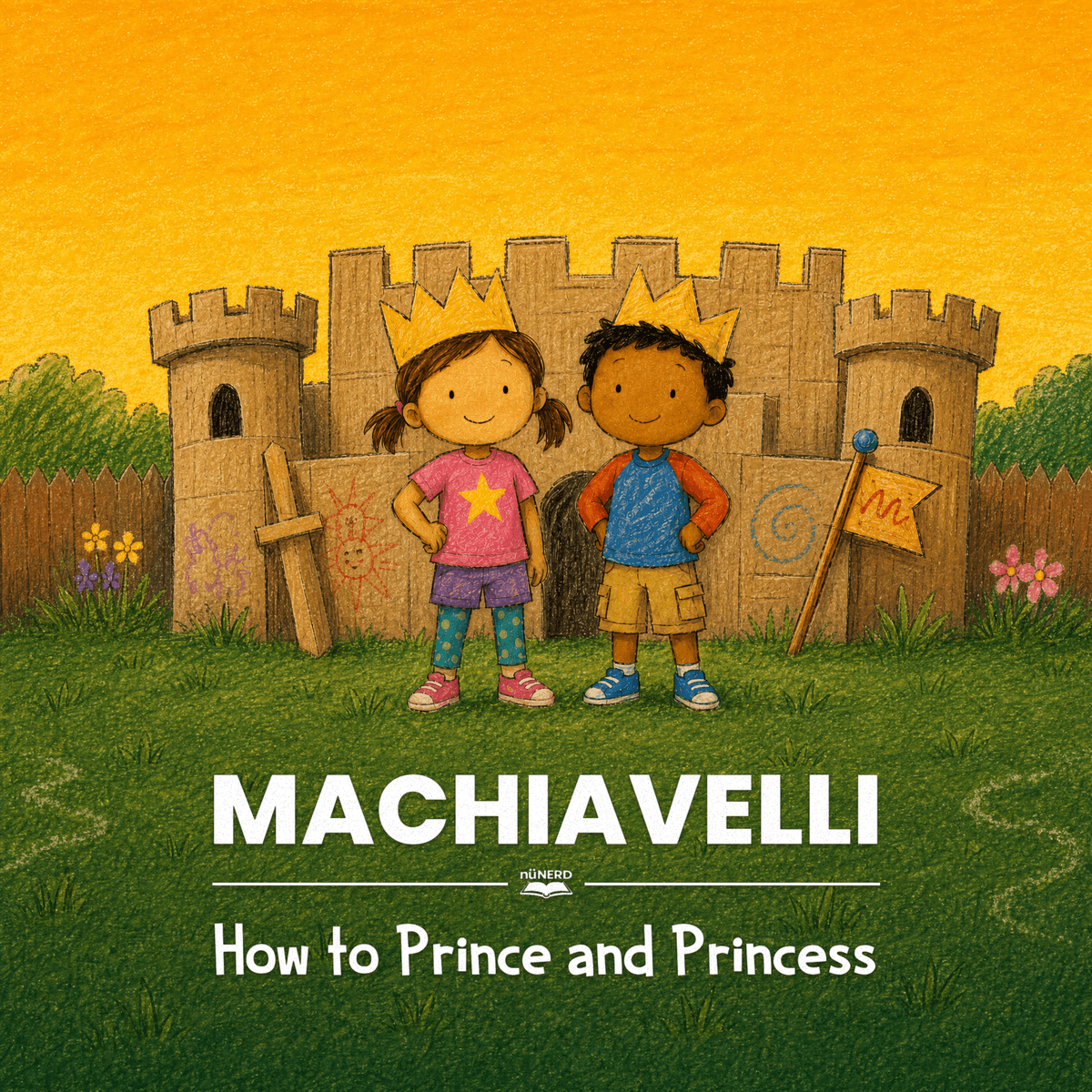
Cover of Machiavelli: How to Prince and Princess, for ages 3–7

Ages 3–7 · Picture book · Read together

Machiavelli: How to Prince and Princess

Five hundred years ago, Machiavelli watched closely what separates leaders who last from leaders who fall. This book turns what he saw into six practices in rhyme, addressed directly to a three- to seven-year-old as a prince or princess in training. Prepare. Pay attention. Mean what you say. Hold your ground. Be a fox sometimes, a lion others. And know that half of what happens isn’t up to you.

36 pages · about 770 words · soft crayon

Good to know
One spread shows a flood, a fire, and a gust of wind side by side. There is no plot to follow; the children change from page to page, at home, at school, and outdoors.
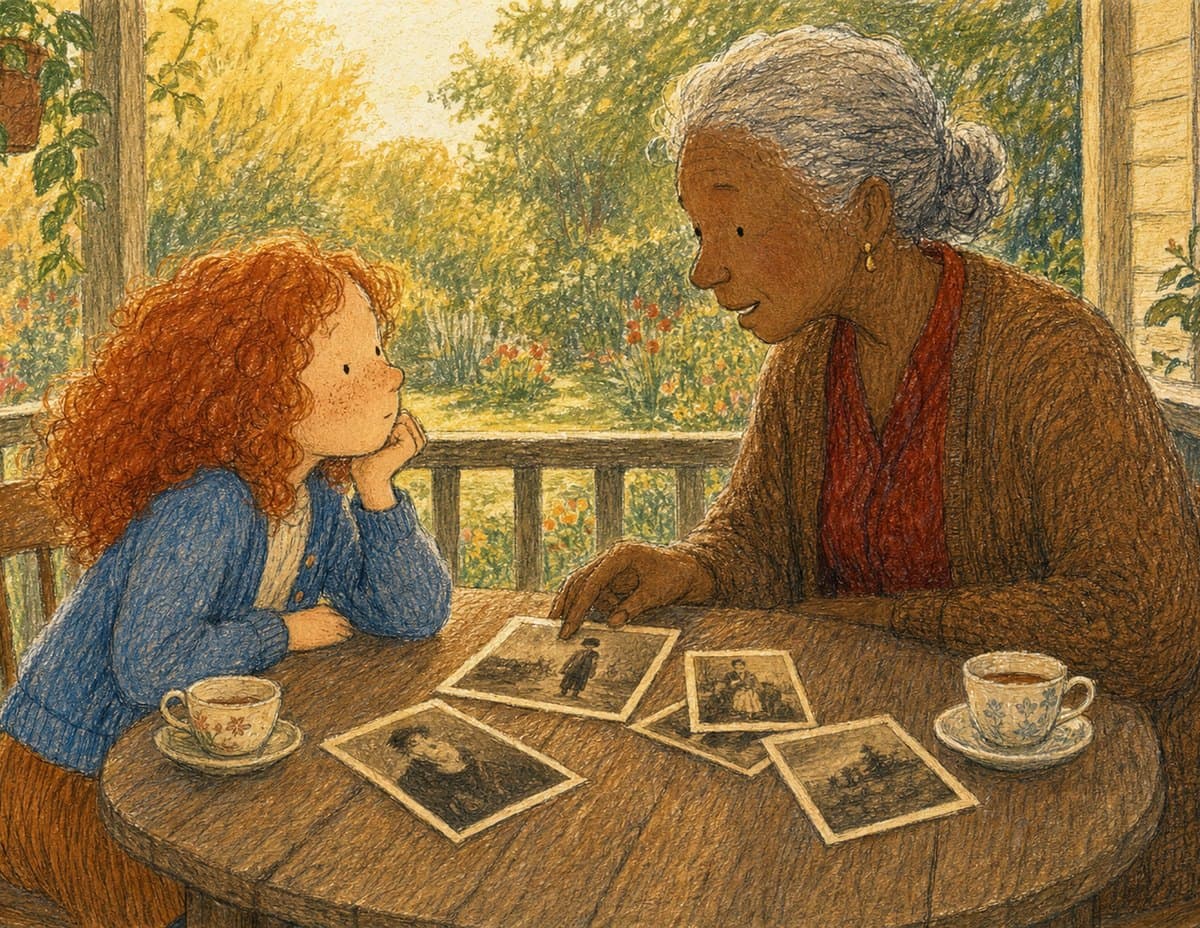
A red-haired girl rests her chin on her hand while an older woman shows her old photographs across a porch table, in soft crayon
And the people who've lived through the things you have not, You should listen, and ask them, and learn what they've got.
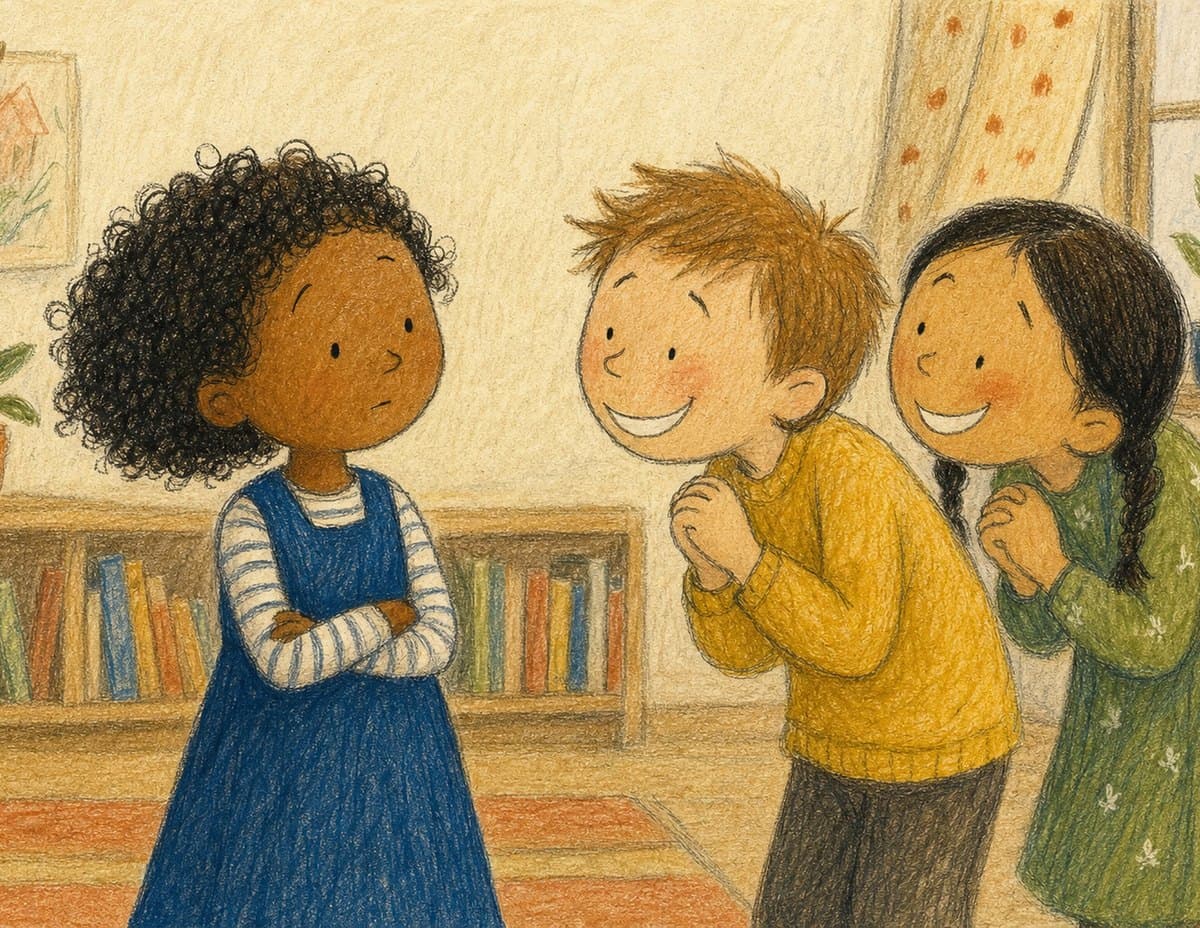
A girl stands with her arms folded while two grinning children lean in toward her with clasped hands, in soft crayon
When you're firm in your kingdom, the sweet-talkers come, With their soft little praises that drip from their tongue.
A smiling girl with a backpack hugs a blanket beside a tent of sticks and blankets on muddy, puddled ground, in soft crayon
So you do what you can. You don't worry the rest. Just be brave, just be ready, a Prince at their best.
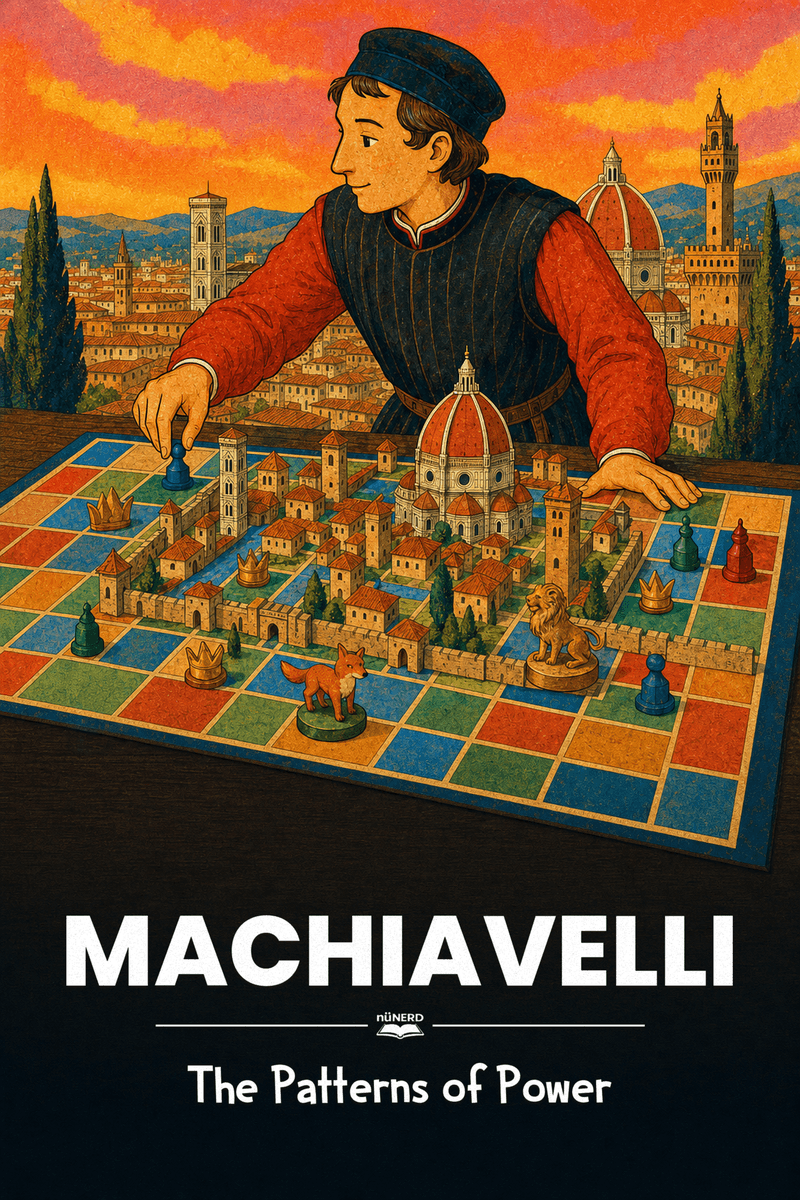
Cover of Machiavelli: The Patterns of Power, for ages 6–10

Ages 6–10 · Chapter book · They start reading alone

Machiavelli: The Patterns of Power

Niccolò Machiavelli spent fourteen years watching power up close, popes, dukes, the Florentine families who ran a city without ever wearing a crown. Then he lost everything, sat down at a small farm by candlelight, and wrote the patterns he’d seen. This book gives a six- to ten-year-old the man, the city, the books, and the patterns of power, before the cultural baggage gets there first.

84 pages · about 7,400 words · 22 black-and-white drawings

Good to know
A group of men attack two brothers from Florence's most powerful family during Mass one Sunday morning while people scream and run, and Machiavelli himself is locked up for a few weeks. One classroom example mentions a class pet that has died.
Also inside
Hard names like Medici and Brunelleschi come with pronunciations, and the last chapter covers the Discourses on Livy and his history of Florence.
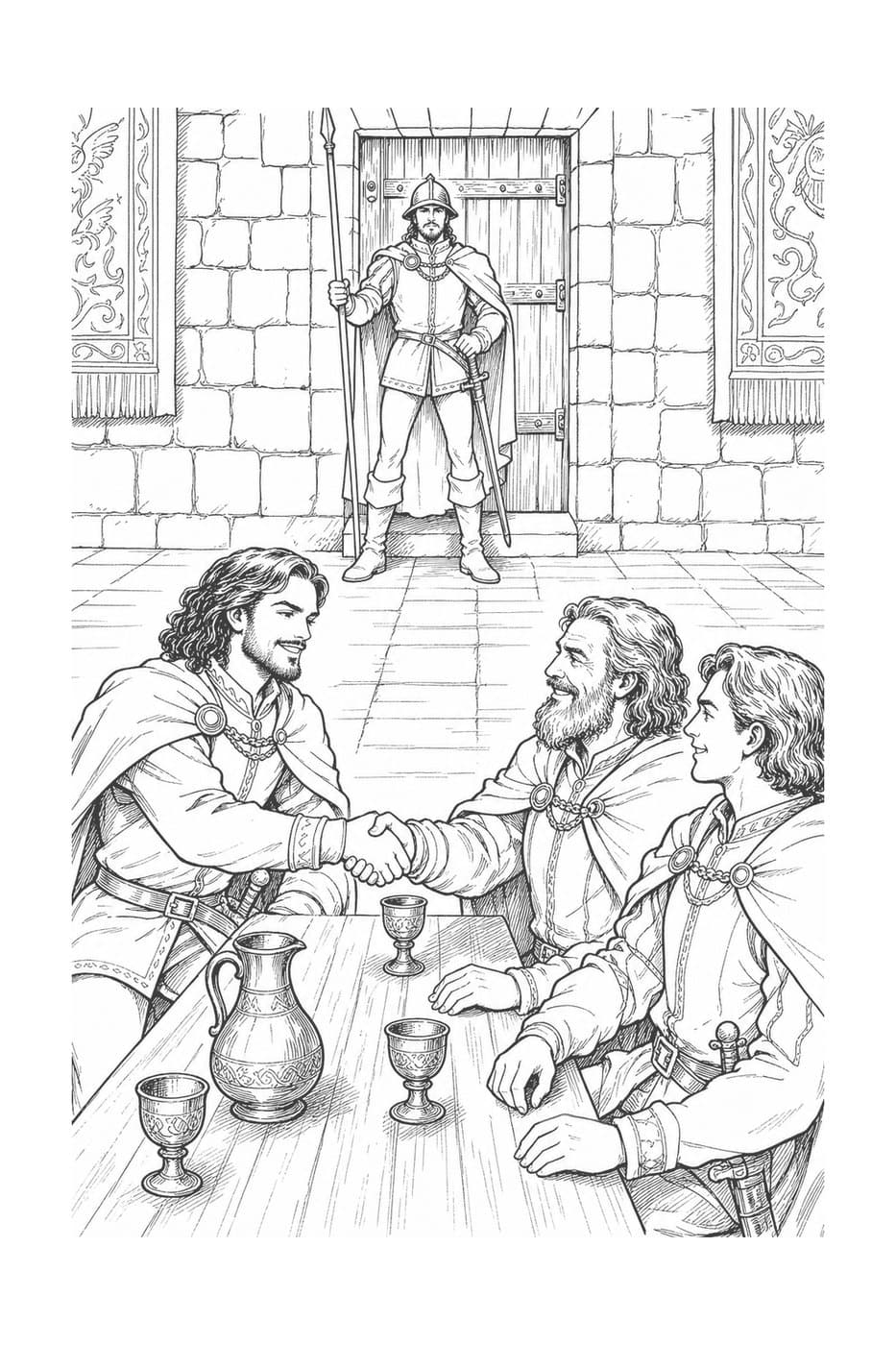
A smiling man shakes hands with guests at a table set with a jug and cups while a guard stands at the closed door behind them, in black-and-white line art
Borgia was friendly. He smiled. He shook their hands.
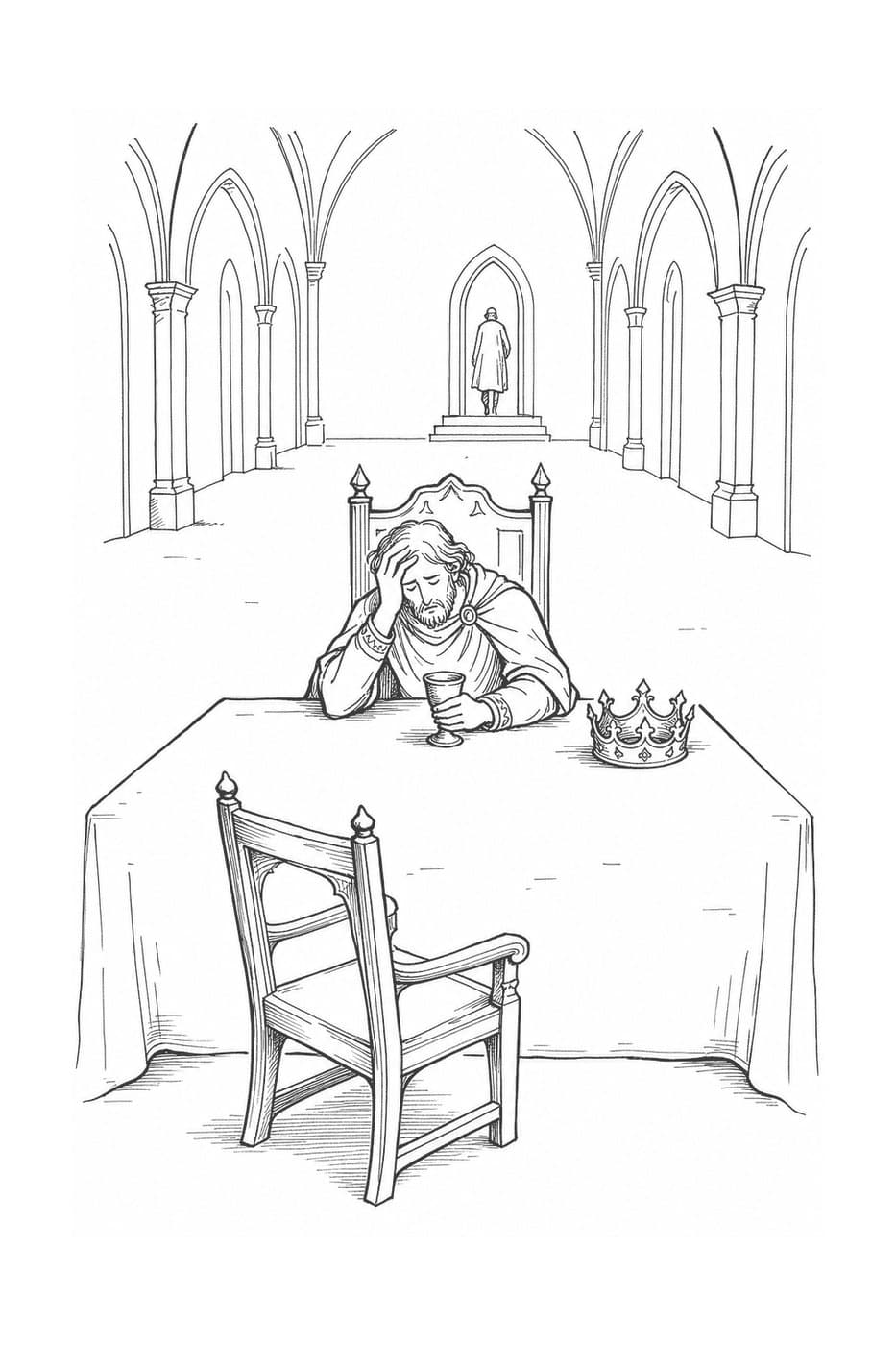
A man sits alone at a long table in a vaulted hall, head in his hand, a crown set down beside his cup and an empty chair in front, in black-and-white line art
The man who tried hardest to be loved ended up the most hated.
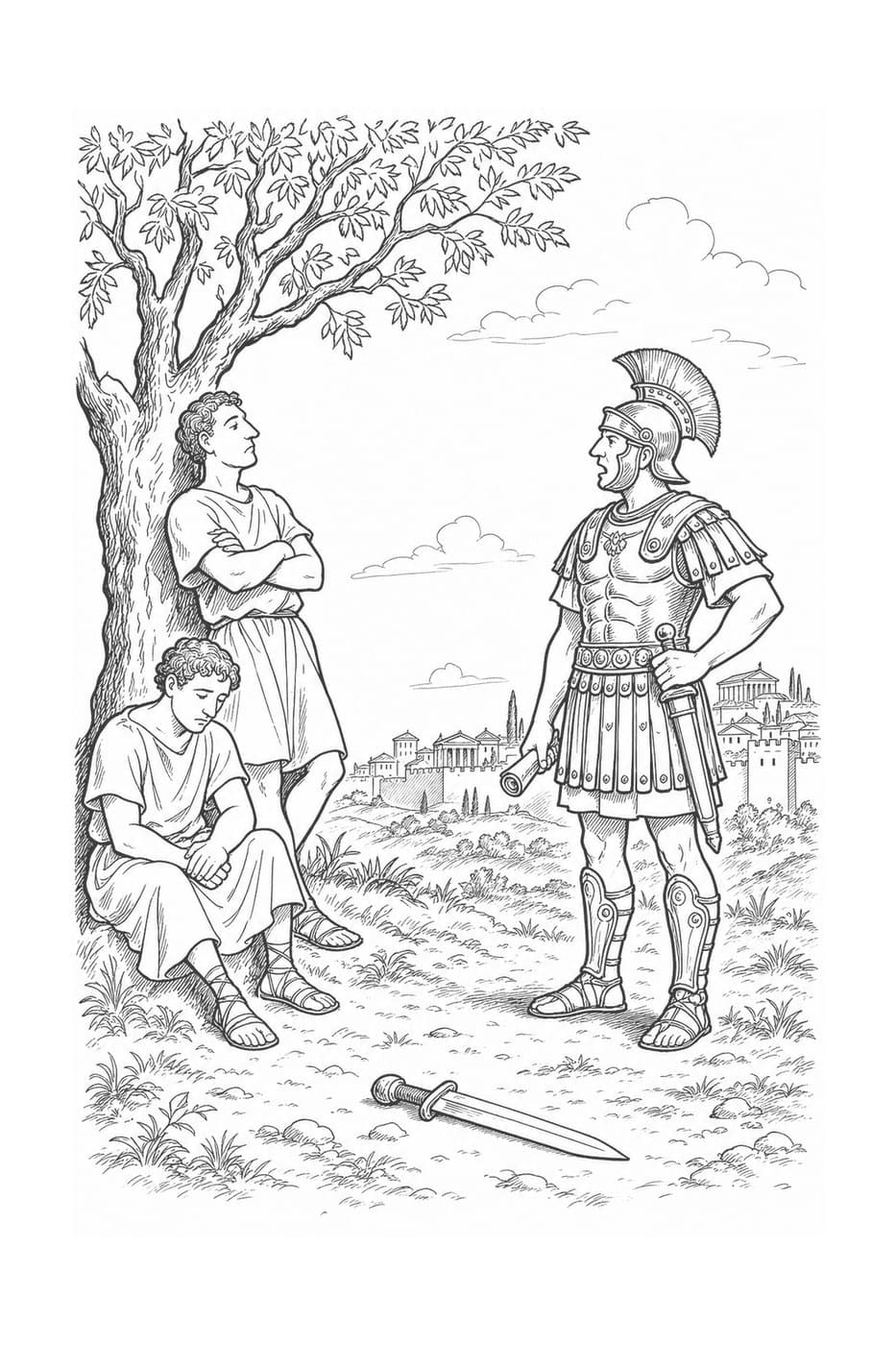
Two men in tunics wait under a tree with a sword lying on the ground at their feet as a Roman soldier in a crested helmet faces them, in black-and-white line art
When the patricians wanted to make a law that helped only the rich, the plebeians refused to fight in the army until the law was changed.

The original

The real Machiavelli

  • Niccolò Machiavelli, 1469–1527
  • The Prince, written in 1513
  • 26 short chapters

Machiavelli served the Florentine Republic as a secretary and envoy from 1498 until the Medici returned in 1512. The Prince went around in handwritten copies and was not printed until 1532, five years after his death.

When you want more