
nüNERD
Books/Stoicism

Big Ideas

Stoicism

A toppled block tower on a Tuesday morning is the exact problem Marcus Aurelius was working out in his journal: what do you do when something you cannot control wrecks your day? Stoicism, born on a painted porch in Athens around 300 BC, has been answering that for 2,300 years, and it still answers it. We put that answer into a child's hands, starting before they can read.

Why we love it

  • A three-year-old whose block tower just collapsed is standing in the exact problem Marcus Aurelius was working out in his journal, and the same answer helps both.
  • It beats “calm down.” Instead of telling a kid to stop feeling, it hands them a real question: what is up to me here, and what is not?
  • The youngest book smuggles the whole philosophy into three words a two-year-old can say: choose, now, try. They won't remember Zeno's name. They'll remember the words.
  • The chapter book casts a shipwrecked merchant, a night-shift water hauler, a senator, a former slave, and a tired emperor. This is the least boring philosophy lineup ever assembled.

Why it matters

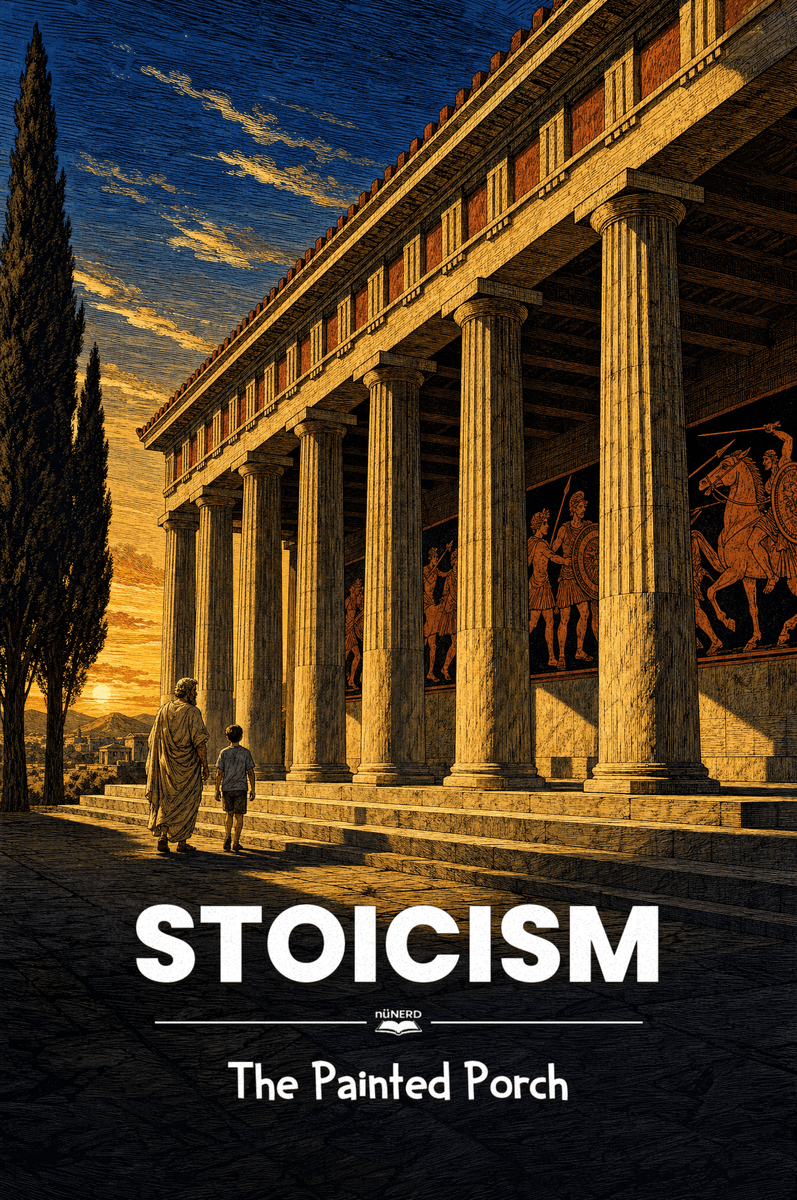
Stoicism began around 300 BC when Zeno of Citium, a merchant who lost everything in a shipwreck, started teaching at the Stoa Poikile, the Painted Porch, in Athens. That porch is where the name comes from. From there it ran through five hundred years and an unlikely cast: Cleanthes, who hauled water at night to fund the school; Cato, who would not bow to Caesar; Seneca, advisor to an emperor; Epictetus, a former slave whose handbook still circulates; and Marcus Aurelius, who ran the Roman Empire and wrote private notes to steady himself. Those notes, the Meditations, are a bestseller today. Few ancient ideas have stayed this alive.

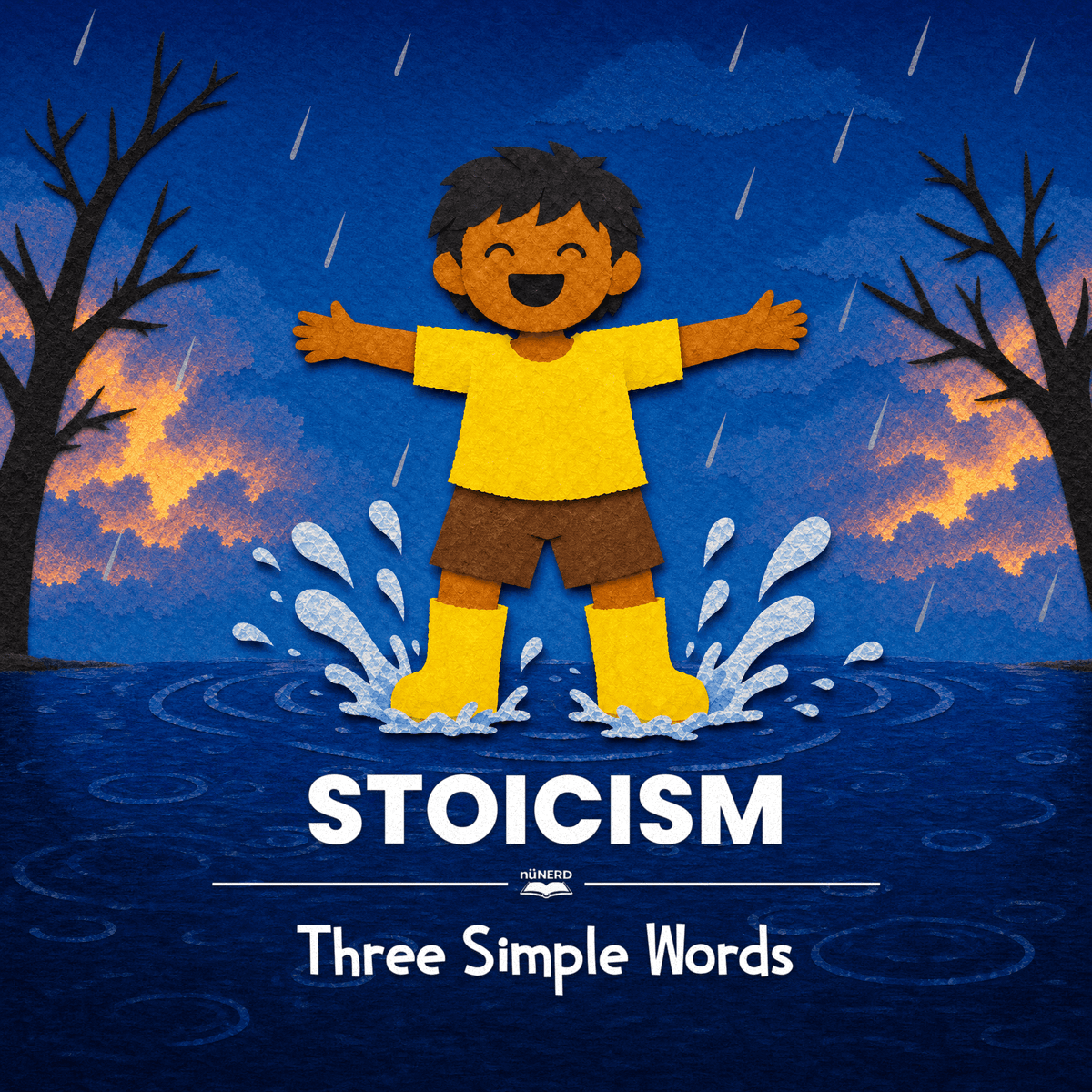
Stoicism: Three Simple Words

Ages 0–4 · Read TO

Three Simple Words

Picture Book (8.5" × 8.5") · Full Color Cut-Paper Collage

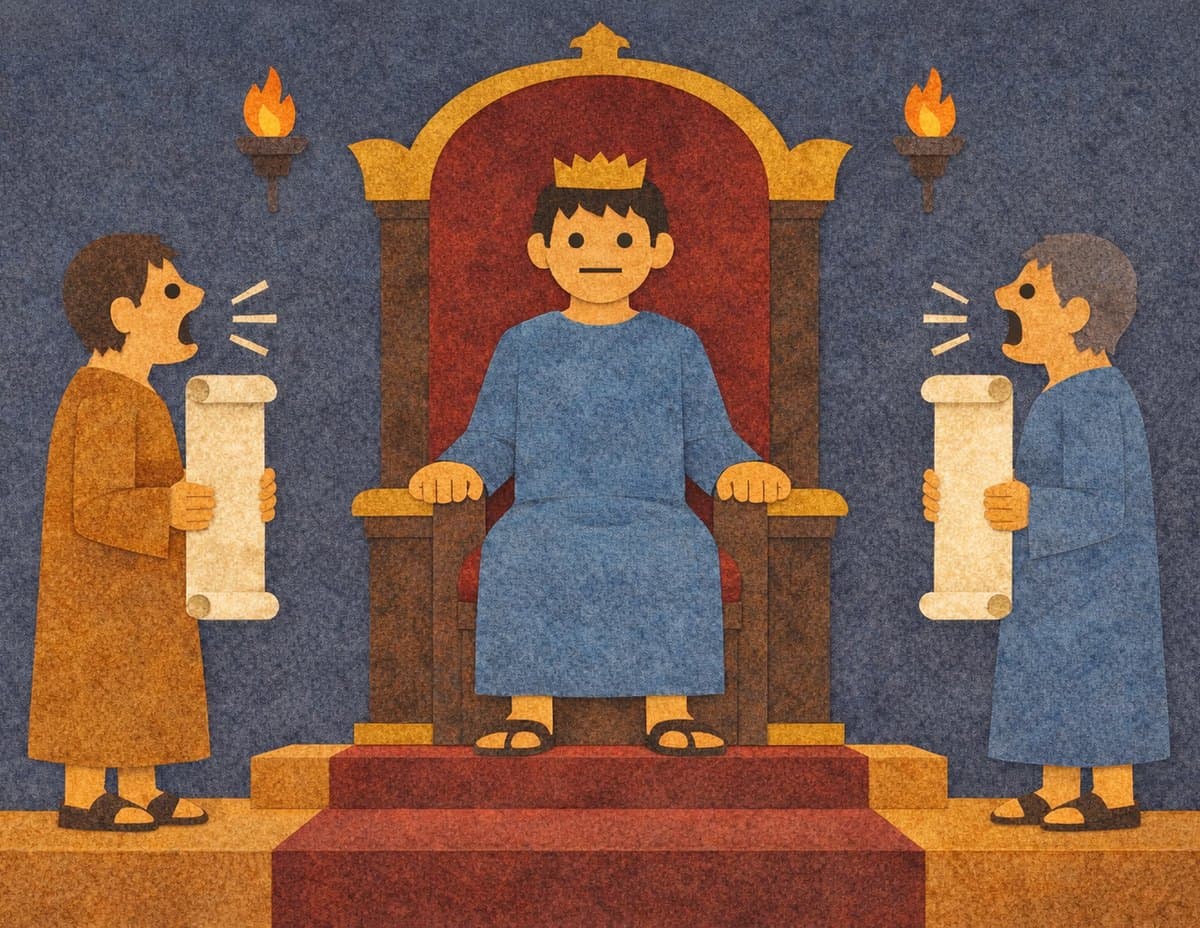
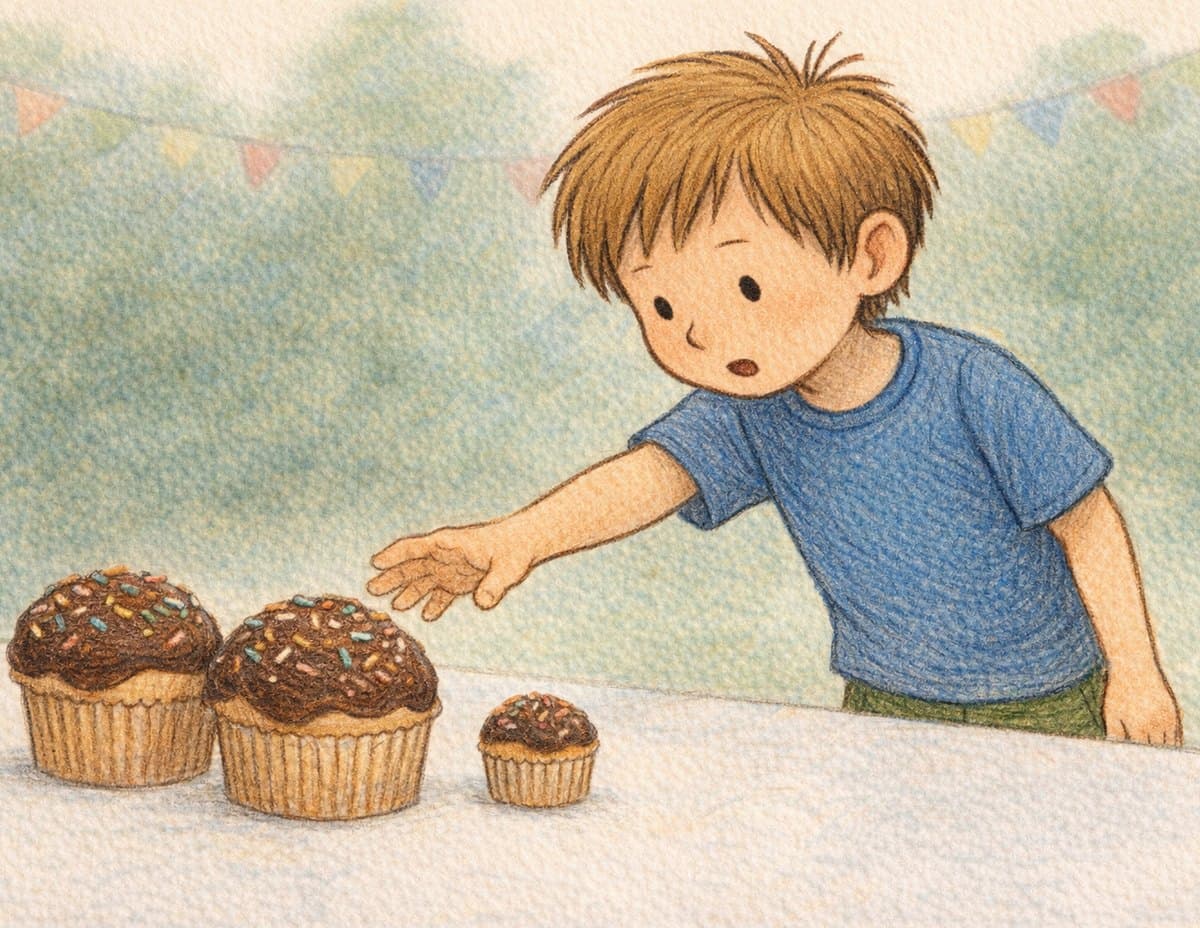
Three ancient philosophers, three words a toddler can use: choose, now, try. Boots in rain, towers falling down, big feelings before bed, scenes your kid already lives, with the Stoic framework underneath. They won’t remember the philosophers’ names. They’ll remember the words.

Buy on Amazon
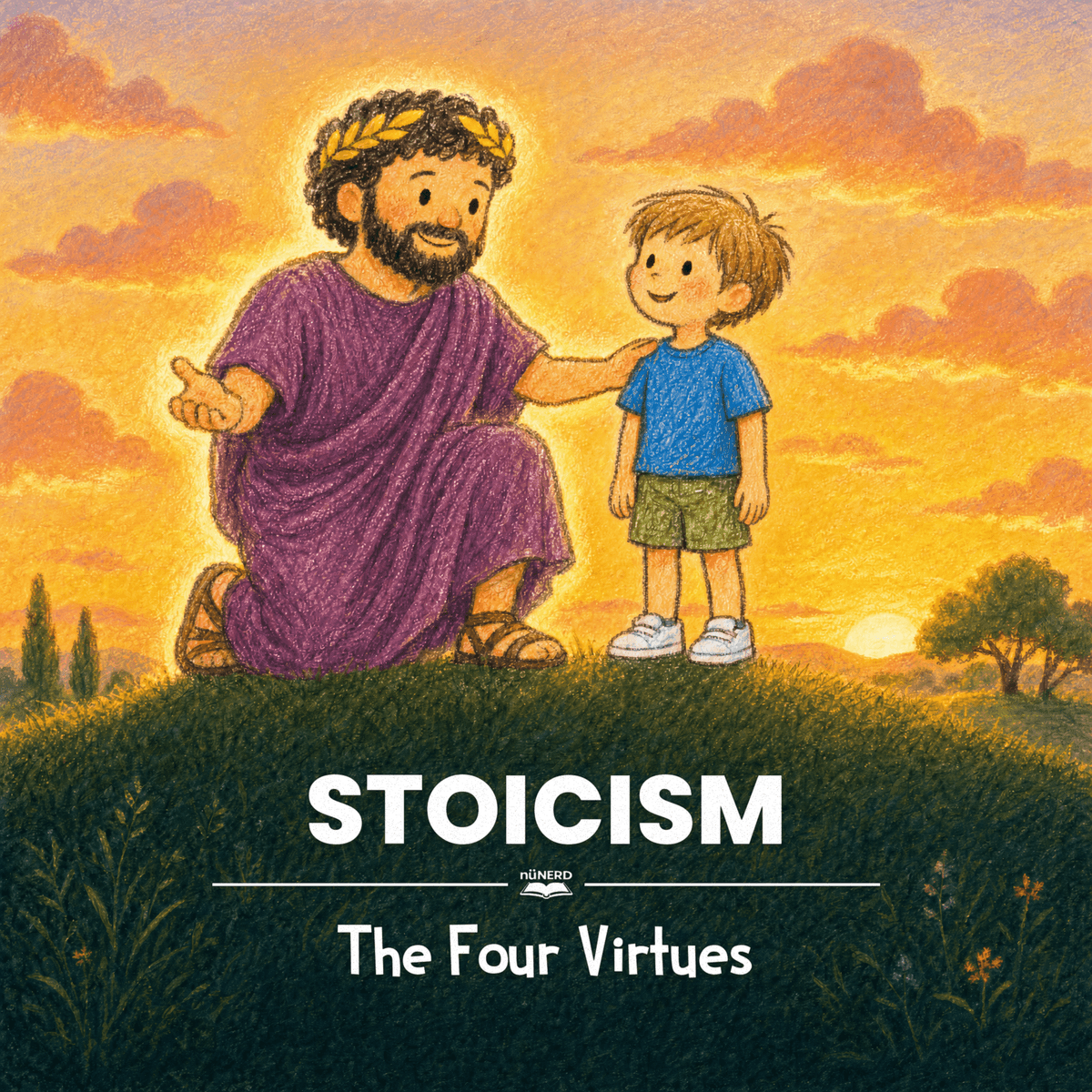
Stoicism: The Four Virtues

Ages 3–7 · Read WITH

The Four Virtues

Picture Book (8.5" × 8.5") · Full Color Soft Crayon

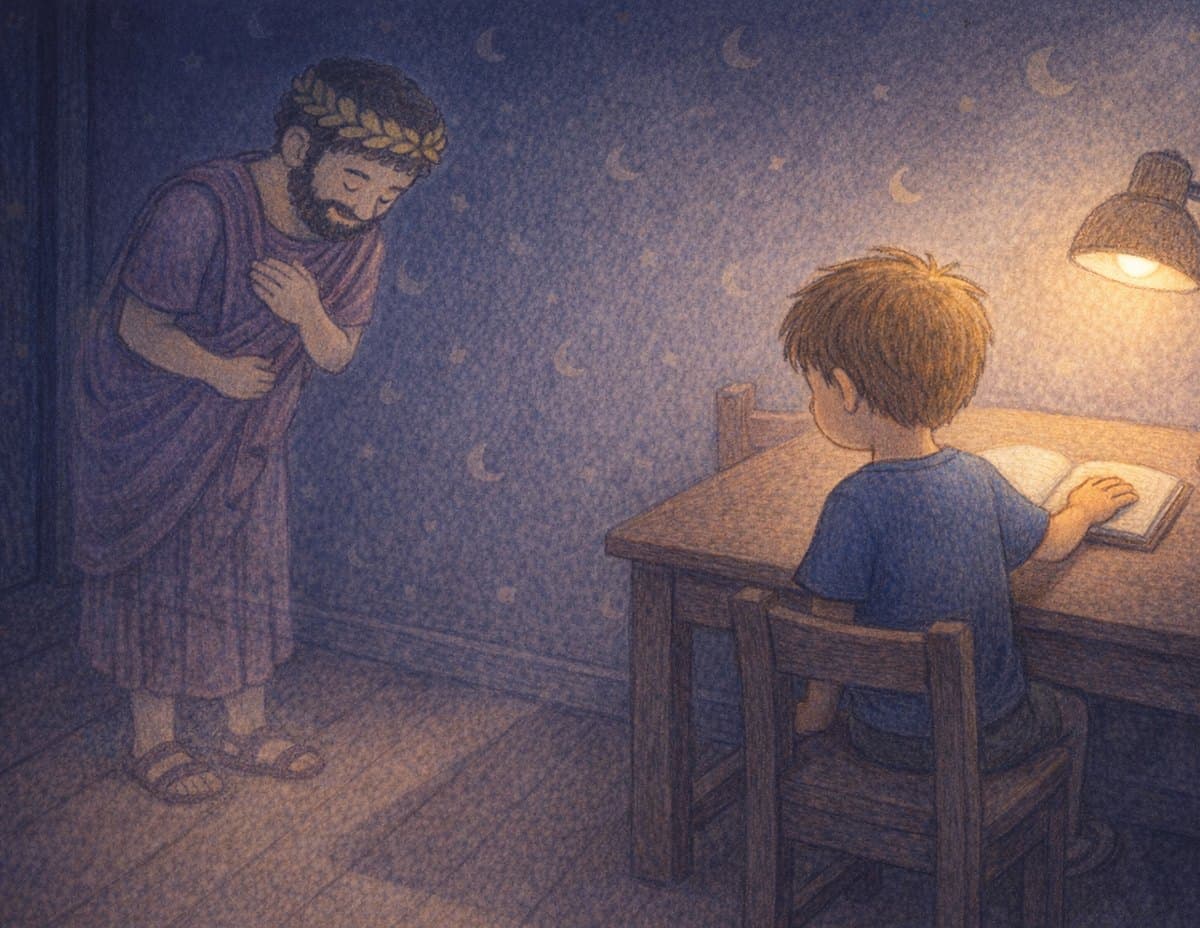
Marcus Aurelius wrote his diary by candlelight in a tent two thousand years ago. He named four virtues, wisdom, justice, courage, moderation, that still hold up. Wisdom is the pause that holds what matters. Justice is the balance only you can see. Courage is reaching across empty space. Moderation is being bigger than the wave. Four words your child can practice in moments they actually face.

Buy on Amazon
Stoicism: The Painted Porch

Ages 6–10 · Early Independent

The Painted Porch

Chapter Book (6" × 9") · Black & White Illustrations

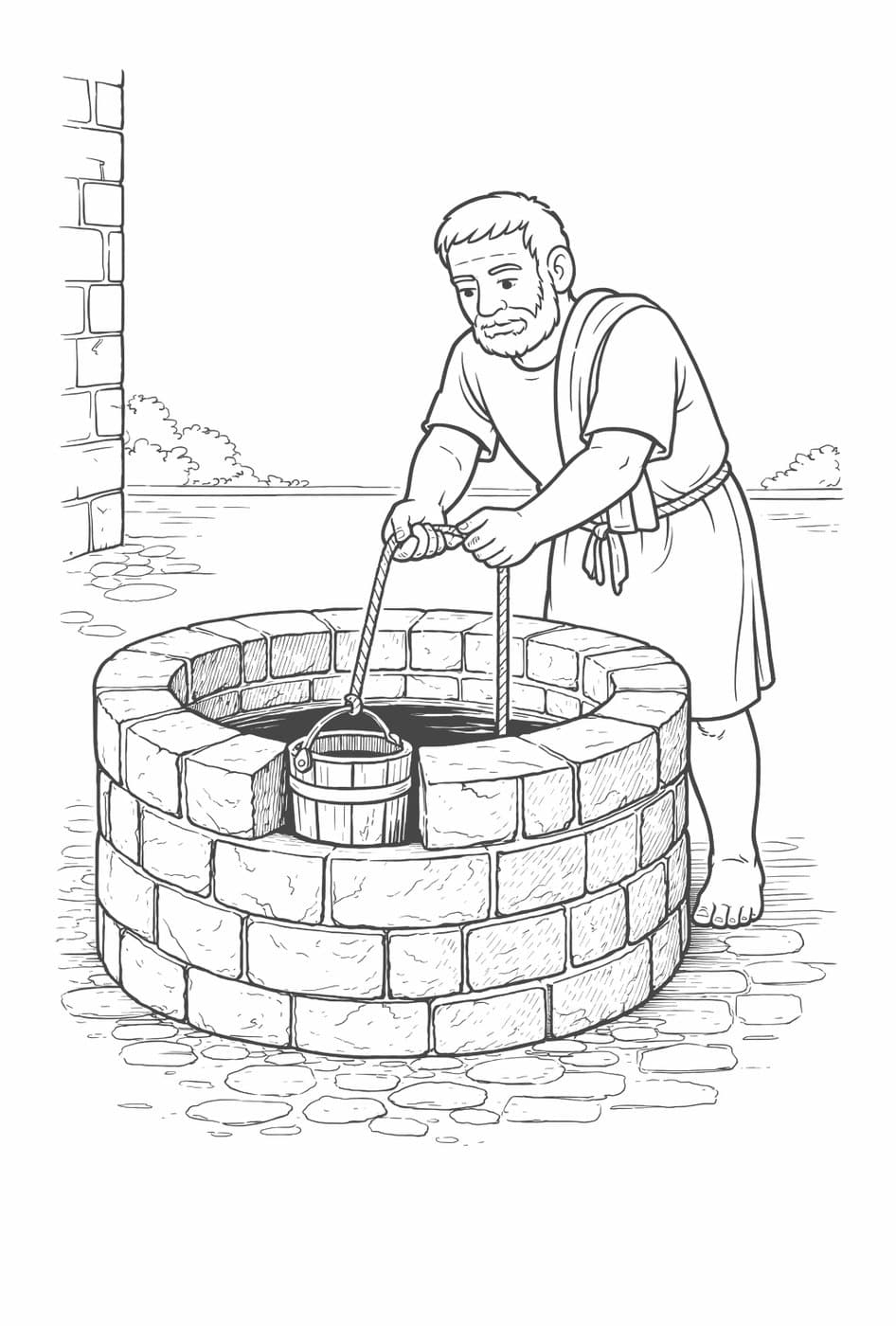
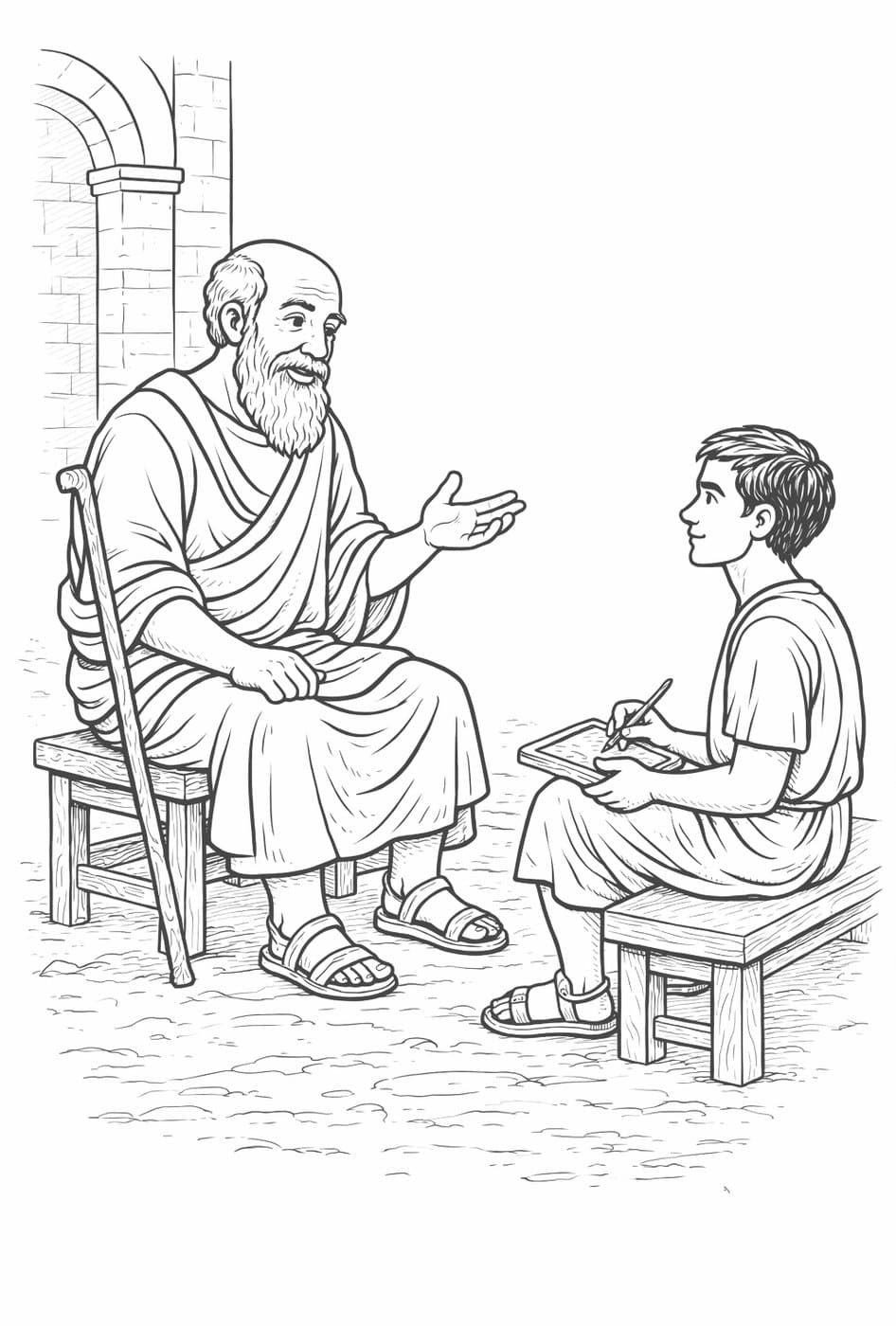
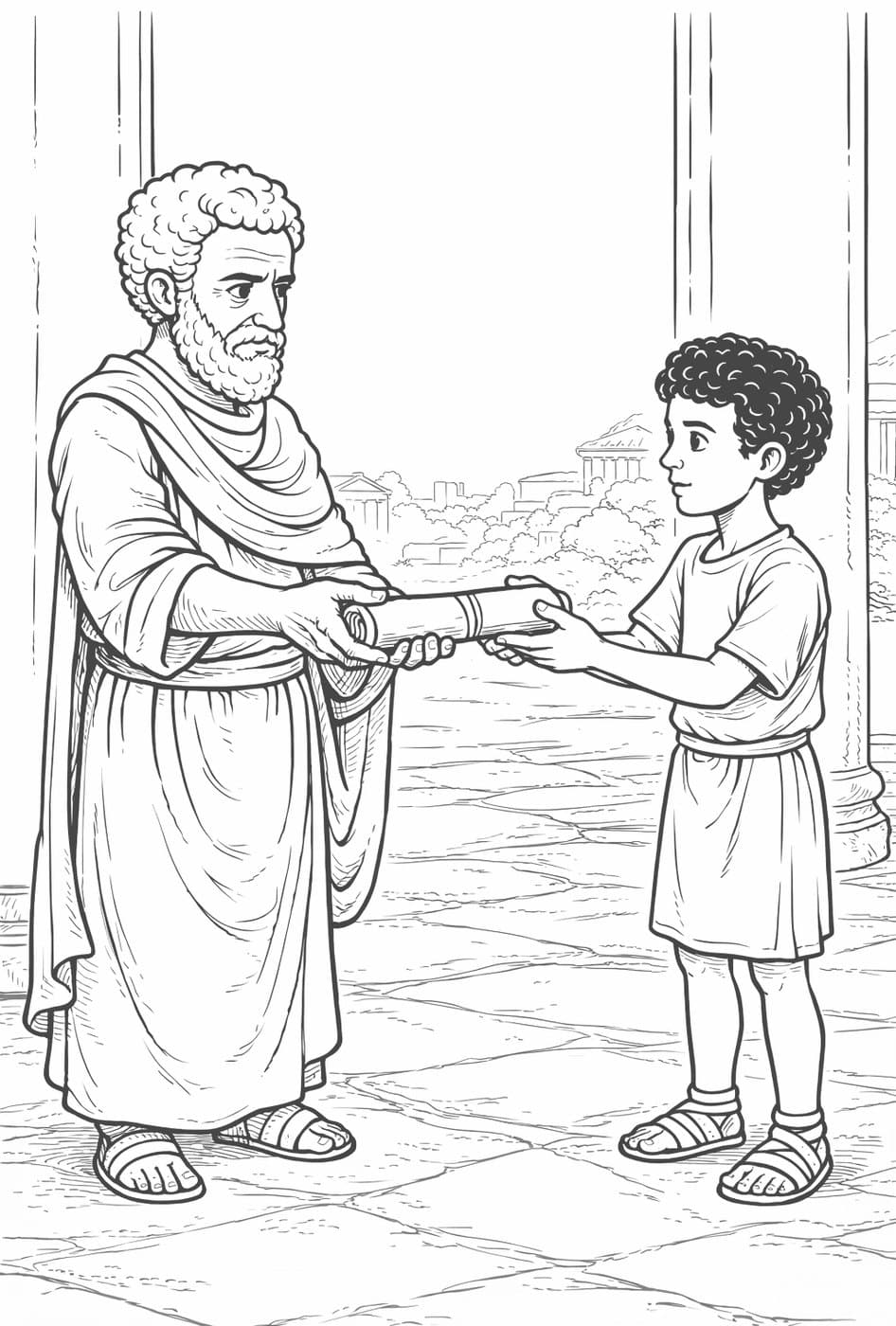
A trader who lost everything in a shipwreck and started a school on a public porch. A boxer who hauled water at night for forty years to keep that school alive. A senator who would not lie to Caesar. A slave who taught his students what freedom is. A tired emperor writing reminders to himself by lamplight. Six real lives across five hundred years carrying four practices, wisdom, justice, courage, moderation, that still work.

Buy on Amazon

Free resources

Read Stoicism free

Our books are built to get kids ready for the real thing. When they are, here is the real thing, free: the public-domain text, a volunteer-read audiobook, and background worth a parent’s time.

Watch and explore

Background for parents

Go deeper

Read the source free

Read more

Why We Made Stoicism for Kids (at Every Reading Level)

Yes, Stoicism is good for kids, when it is taught as tools instead of lectures. Here is why we made Stoic philosophy for children, what age it is really for, and how to start.

Read the post