Classic Literature
Ulysses
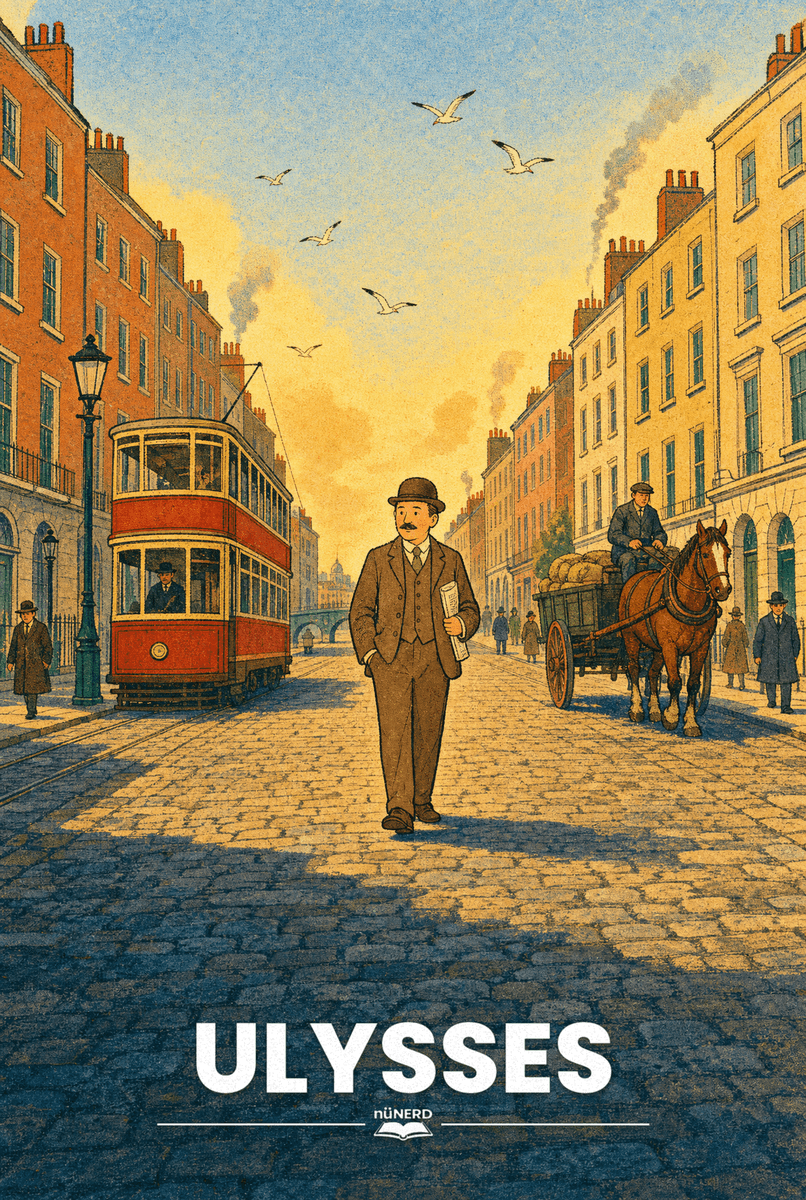
James Joyce’s Ulysses is routinely named the greatest novel of the twentieth century, and almost nobody reads it before college, if ever. Its dare is the whole point: Joyce took the oldest adventure in the world, a hero’s ten-year voyage home, and retold it as a single ordinary day in Dublin, following one kind, unremarkable man from breakfast to sleep. His wager was that an ordinary life, looked at closely enough, holds as much wonder as any epic. We hand a child that wager early, at three reading levels, years before a classroom tells them Ulysses is supposed to be hard.
Why we love it
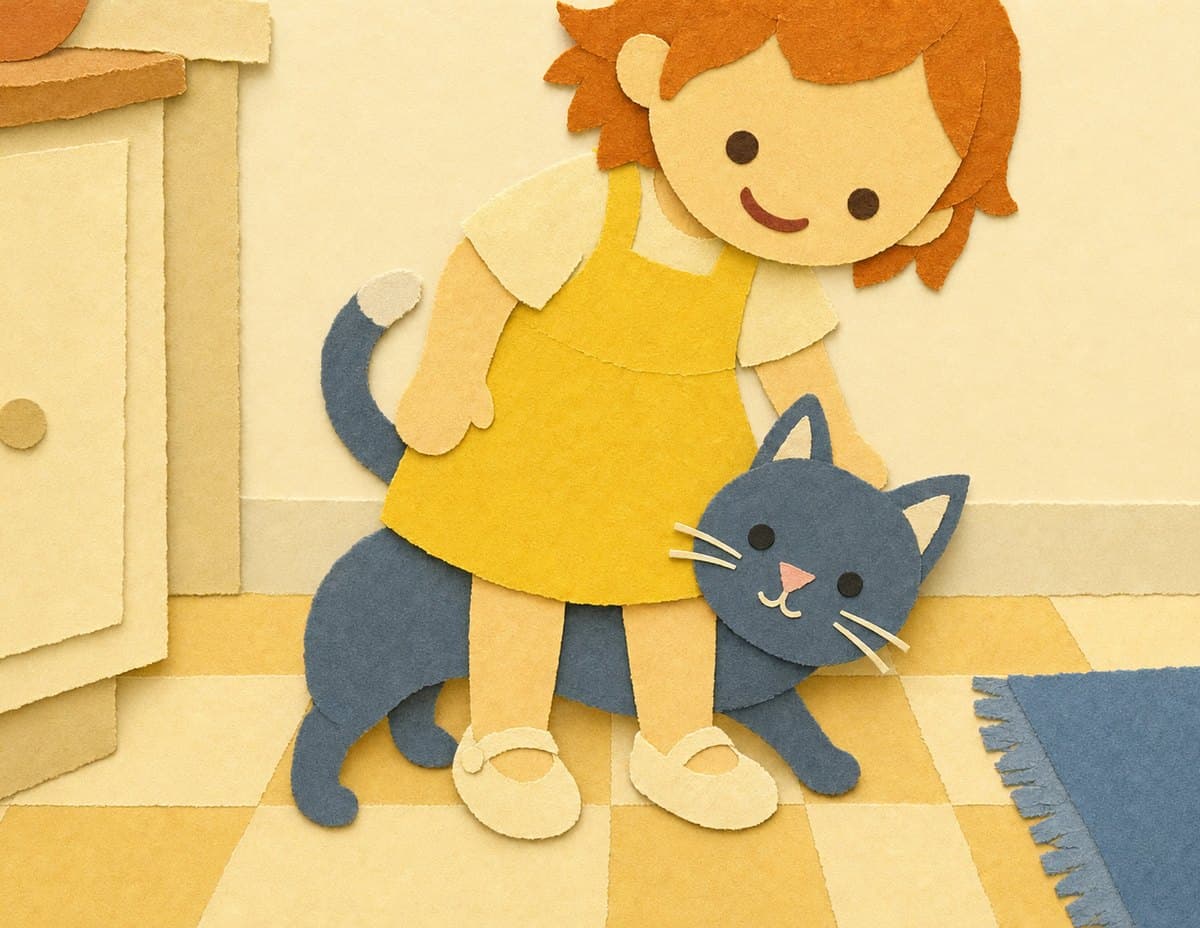
- A man says good morning to his cat, quite seriously, because he always answers the cat, and somehow this is one of the most famous novels ever written.
- Joyce took the oldest adventure story there is, a hero’s ten-year voyage home, and dared to retell the whole of it as one regular man’s single day walking around Dublin.
- Nothing enormous happens: a cake of lemon soap, a song through a window, a shared cup of cocoa, a kind word handed to a stranger who needed it. Look closely and the ordinary day turns out to be brimful.
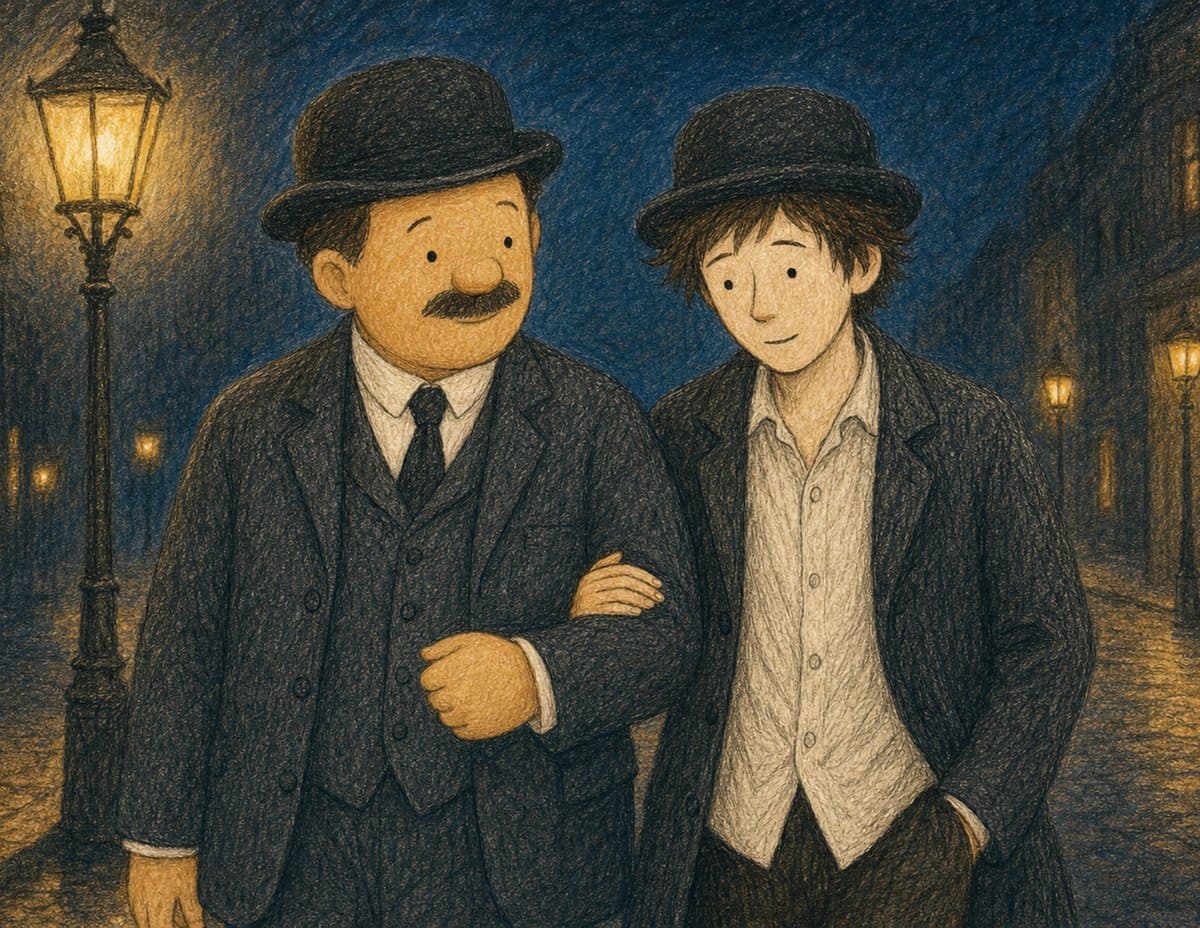
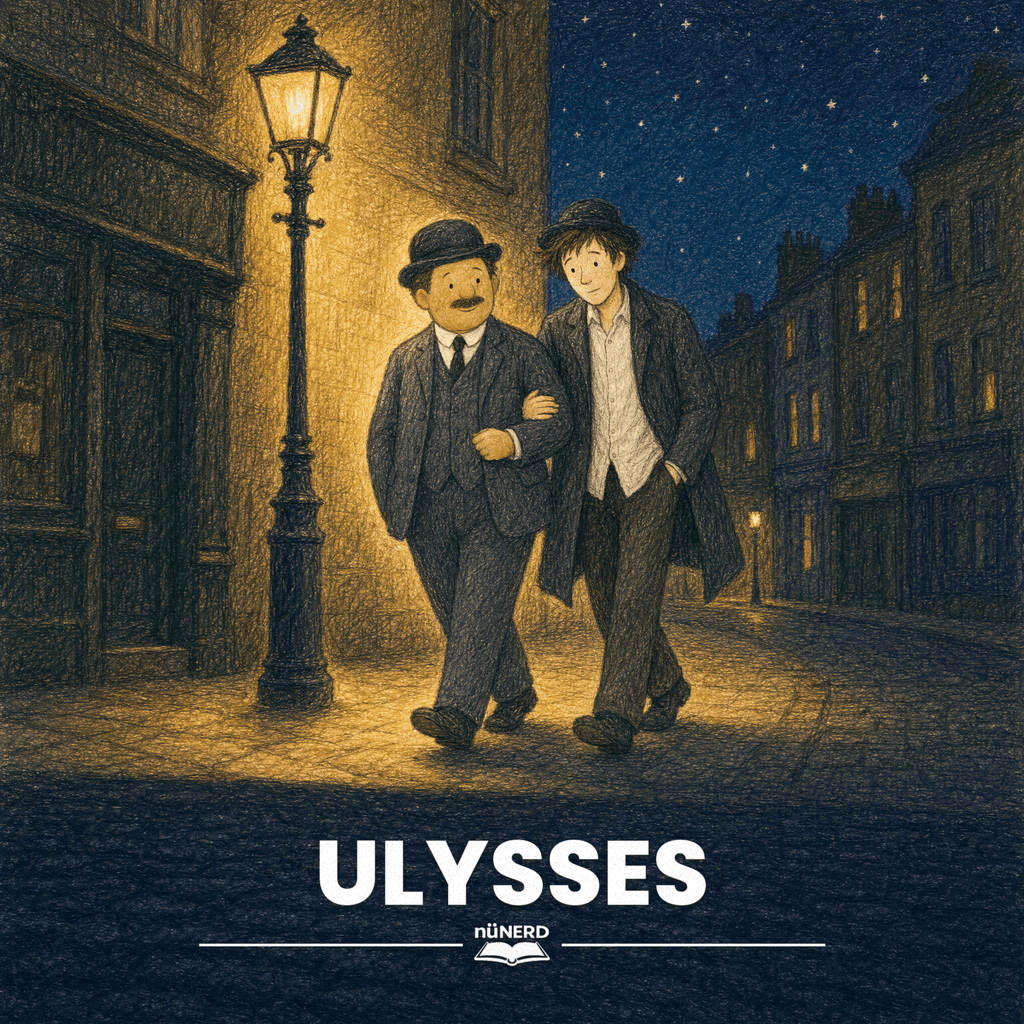
- The bravest thing in the book is not a battle. It is a kind man who will not walk past a lost young stranger in the dark, and instead takes his arm and sees him safely home.
Why it matters
Ulysses, published by James Joyce in 1922, is one of the most celebrated and famously difficult novels ever written, routinely named the greatest novel of the twentieth century, and one most readers are told to admire long before they are invited to enjoy it. Joyce built it on a daring idea: he took Homer’s Odyssey, the ancient story of the hero the Greeks called Odysseus and the Romans called Ulysses, and his ten-year voyage home from war, and retold it as a single ordinary day, the sixteenth of June, 1904, in the city of Dublin, following one unremarkable man named Leopold Bloom from the moment he wakes to the moment he falls asleep. The wager underneath every page is that an ordinary life, looked at closely and kindly, holds as much as any epic, and that noticing the small things, a cat, a song, a stranger’s sadness, is its own quiet kind of courage. Readers around the world still retrace Bloom’s day every year on the sixteenth of June, a day they call Bloomsday. What earns the book a place in a child’s hands is exactly that wager: long before anyone tells them it is difficult, a child can feel the wonder hidden in an ordinary day and the bravery inside an everyday kindness.

Ages 0–4 · Read TO
A Toddler Book
Picture Book (8.5" × 8.5") · Full Color Cut-Paper Collage
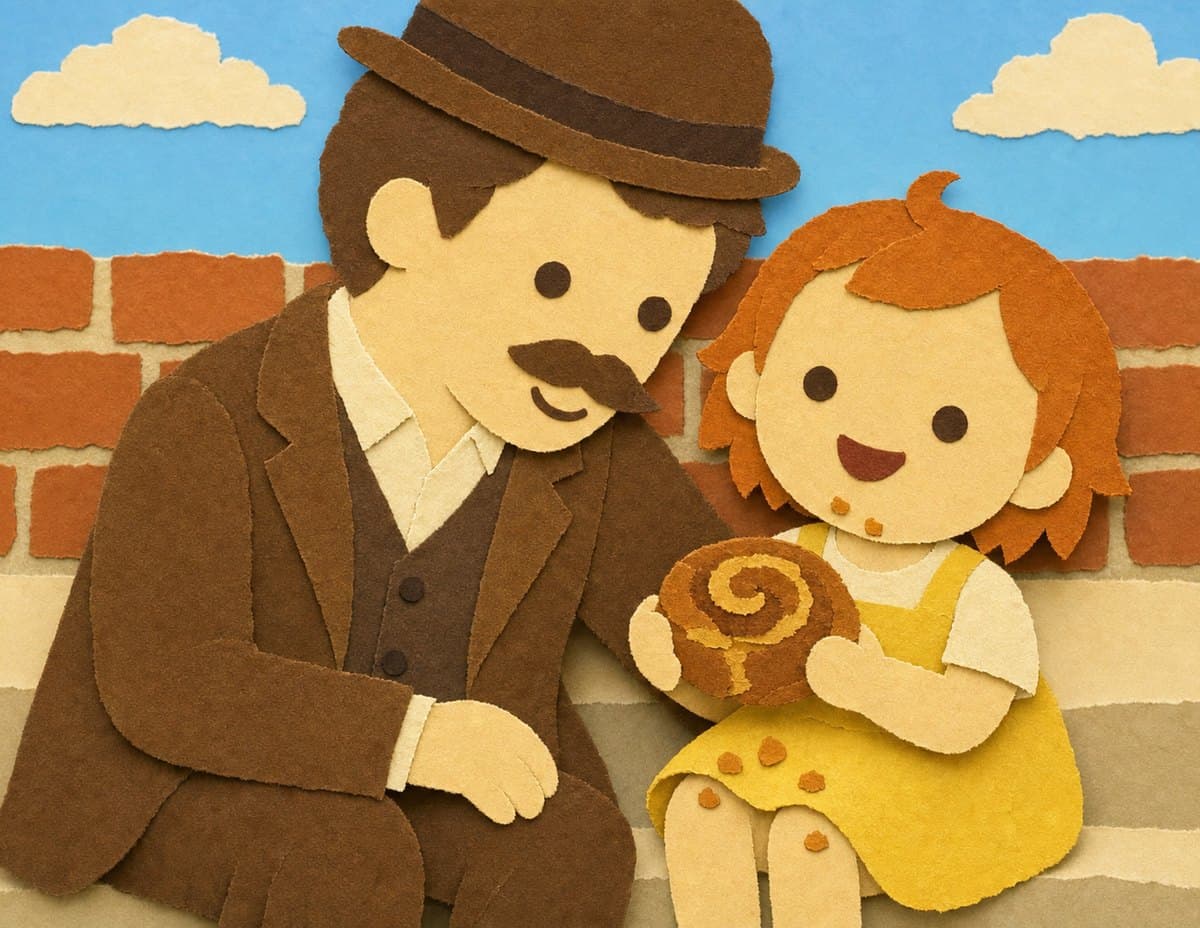
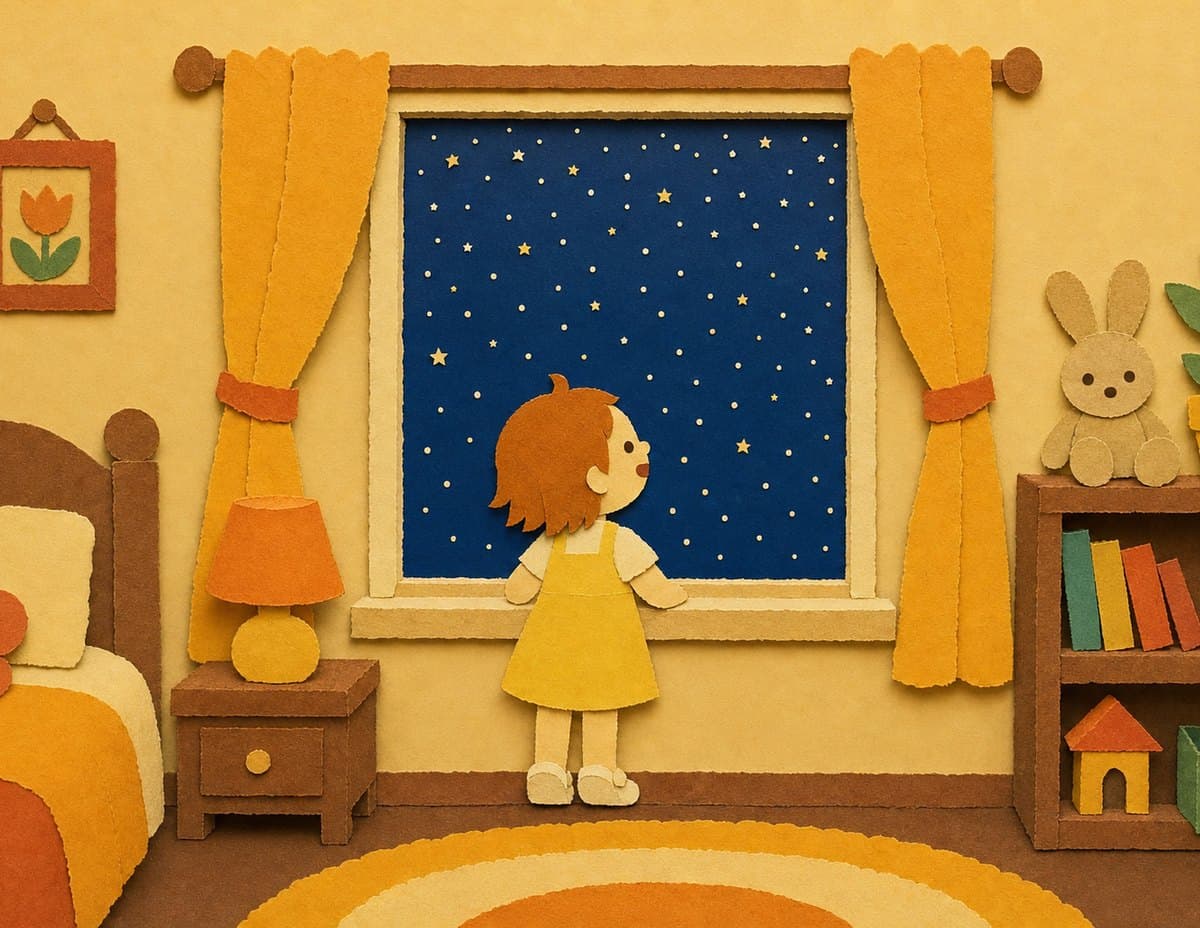
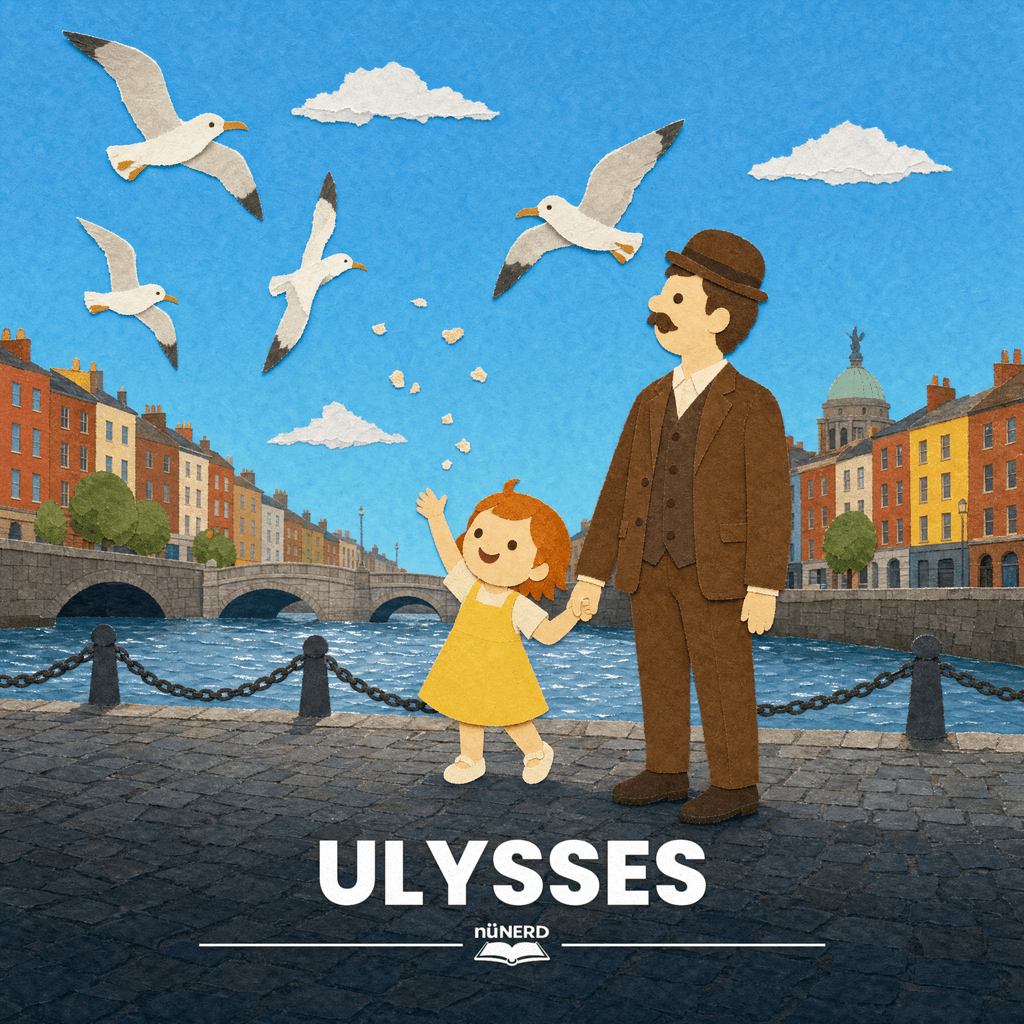
One ordinary day, told at toddler size. Little Milly wakes, answers the cat’s mrkgnao, splashes in the tub with a little lemon soap, feeds the hungry gulls, watches fireworks bloom over the bay, and comes home to bed and a sleepy yes. Nothing happens, and everything does. A picture on every page, and, hidden underneath for the grown-up reading aloud, the shape of Mr. Bloom’s whole June day.
Buy on Amazon
Ages 3–7 · Read WITH
A Picture Book
Picture Book (8.5" × 8.5") · Full Color Soft Crayon
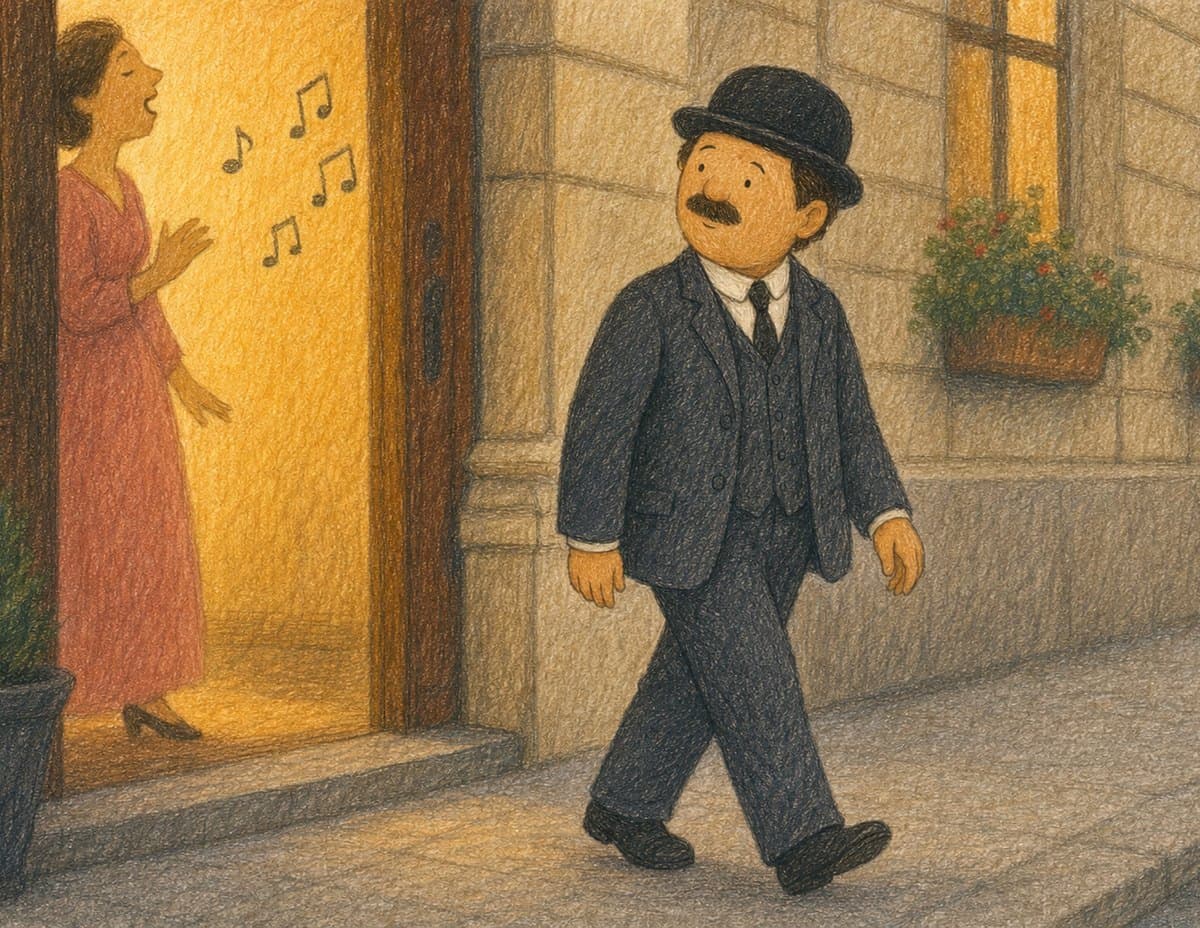
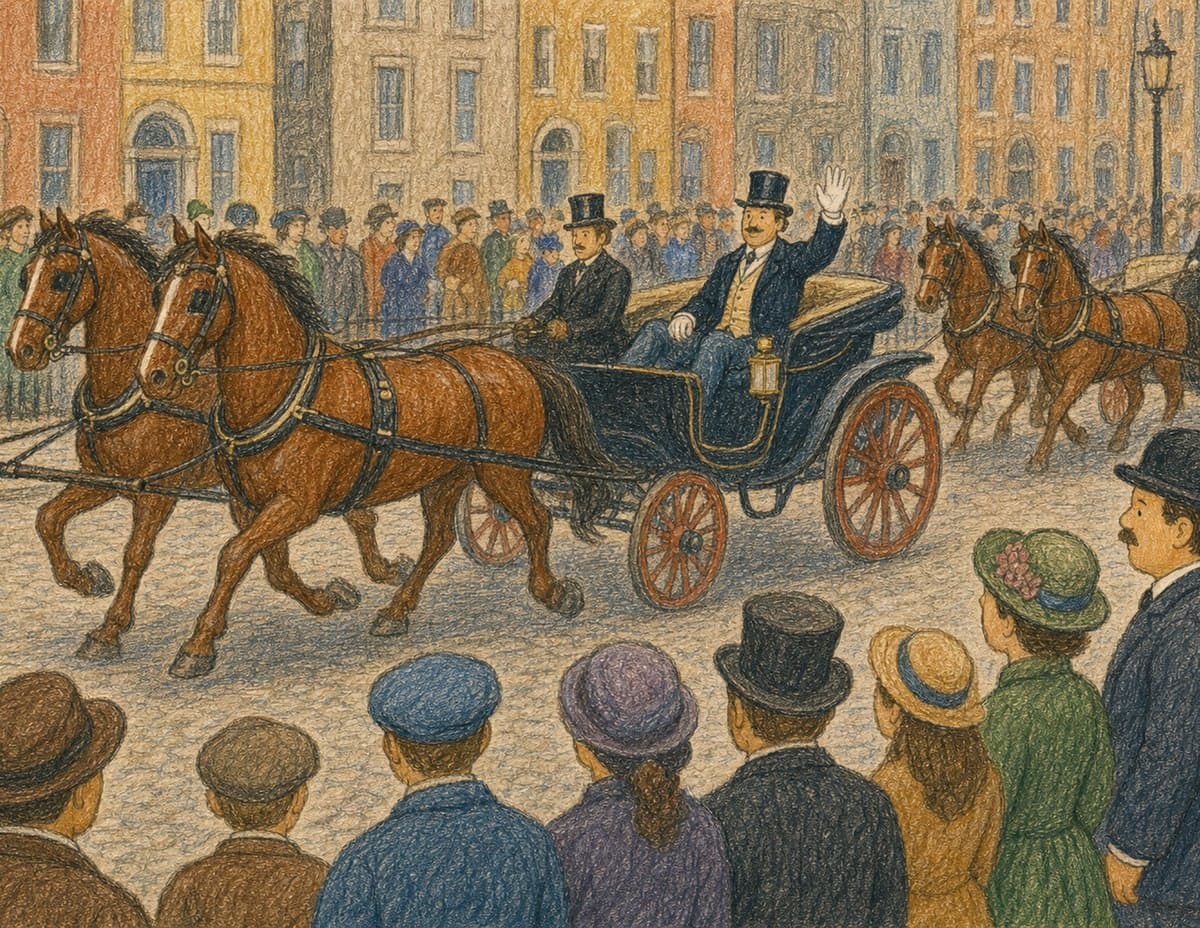
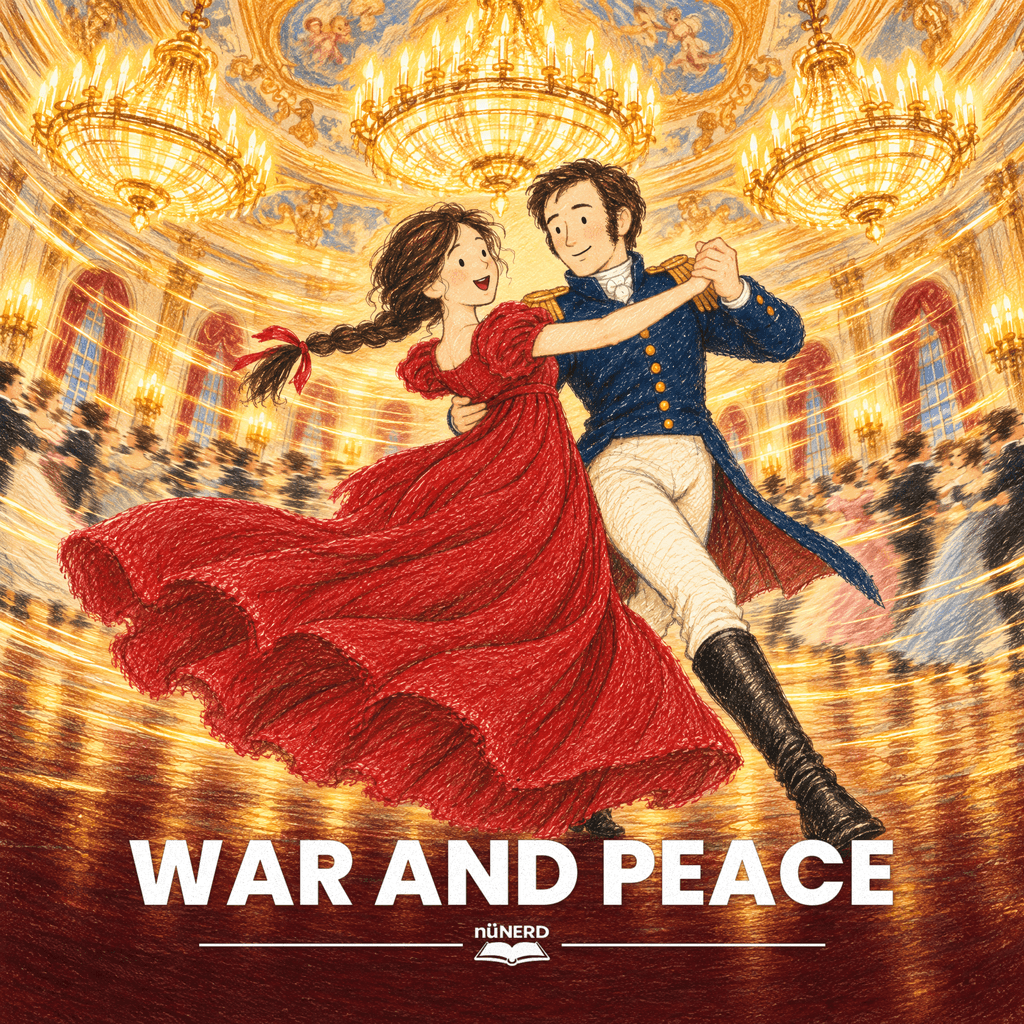
Kind Mr. Bloom’s whole Dublin day, start to finish. He pours the cat’s milk, buys his little lemon soap, scatters crumbs for the gulls, stops for a song through an open door, and keeps his temper with a big loud man. And when he finds a lost young man alone in the dark, he does not walk past: he takes his arm and walks him all the way home before turning for his own front door and Molly.
Coming soon
Ages 6–10 · Early Independent
A Chapter Book
Chapter Book (6" × 9") · Black & White Illustrations
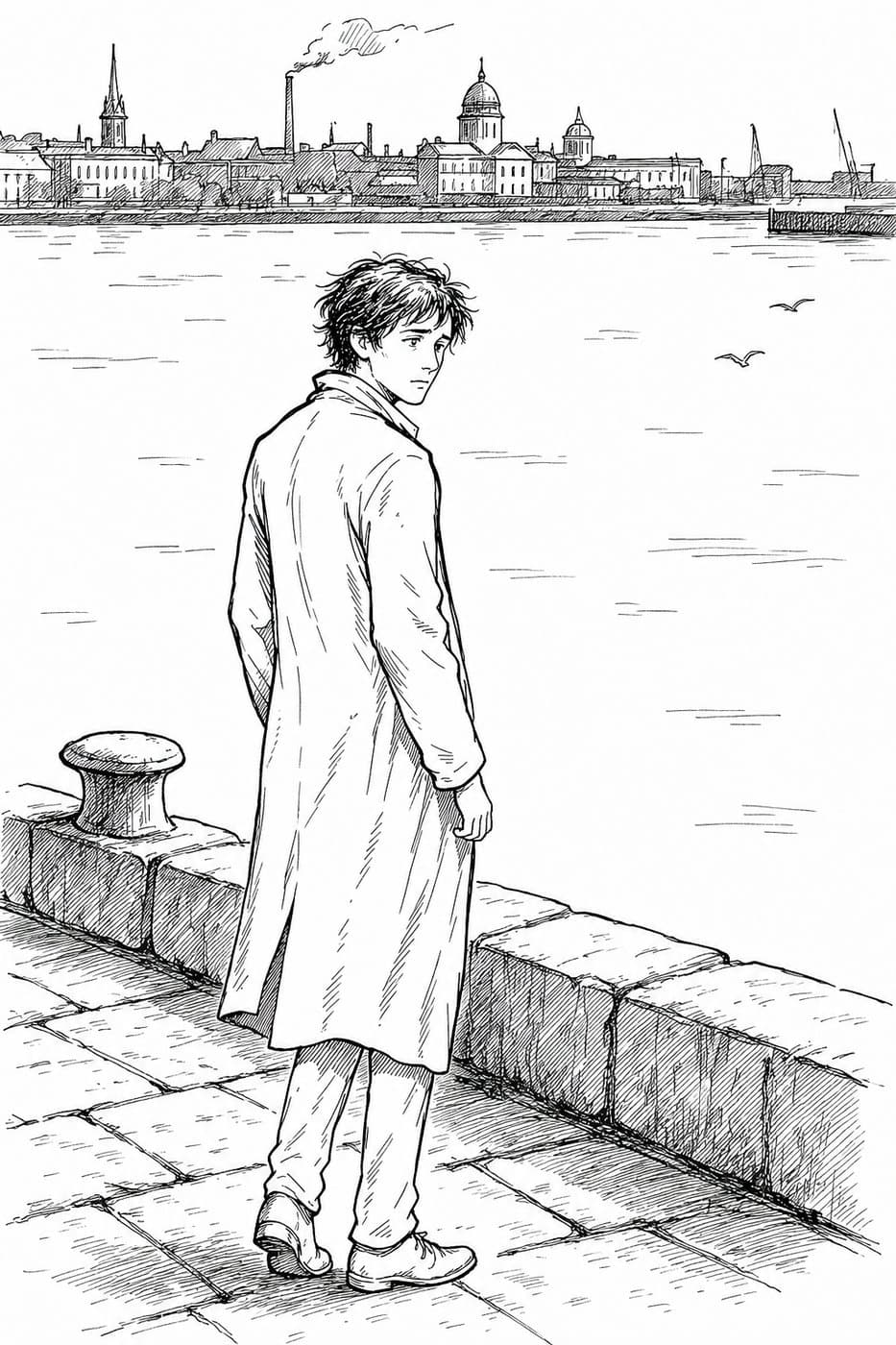
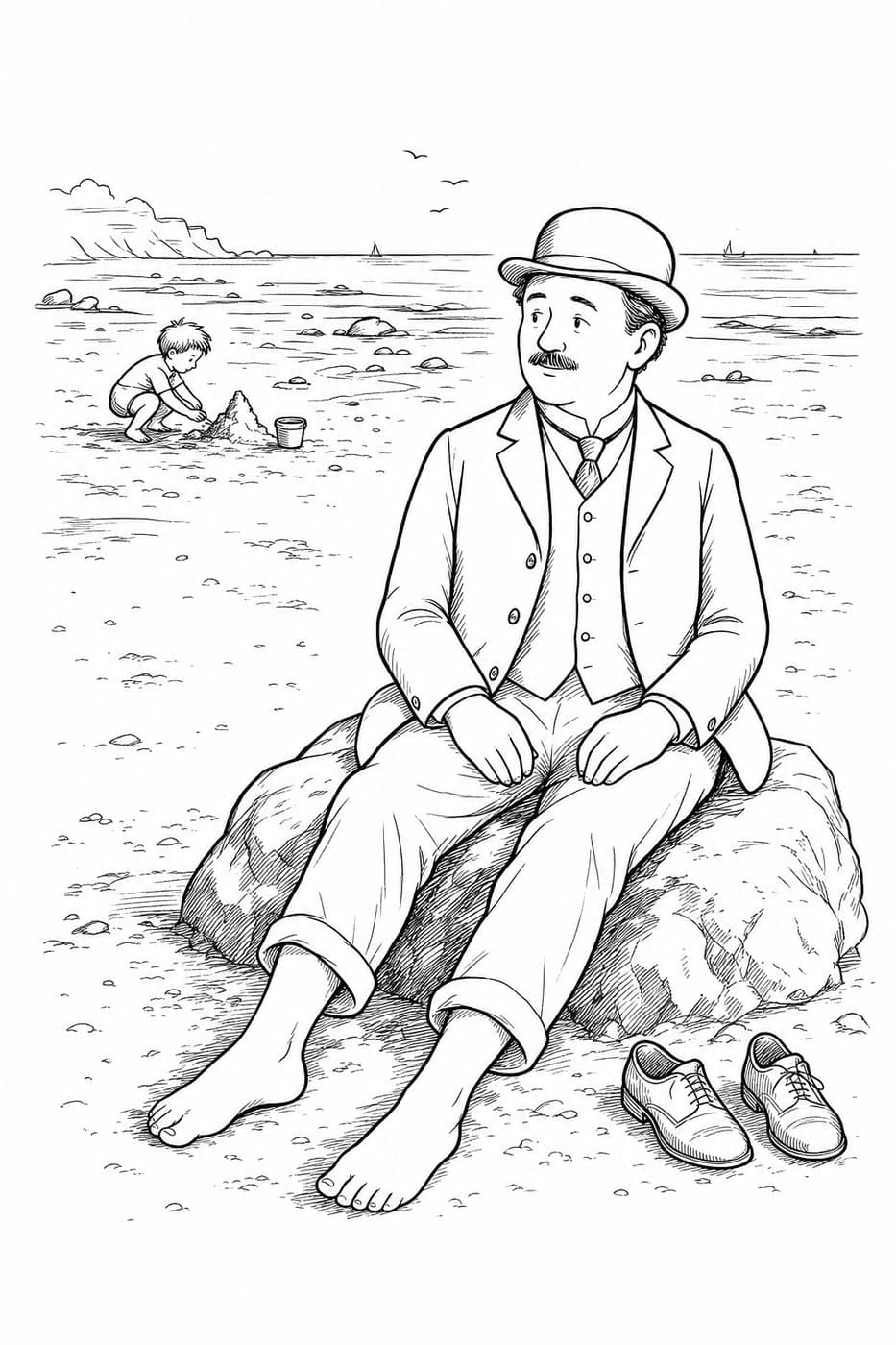
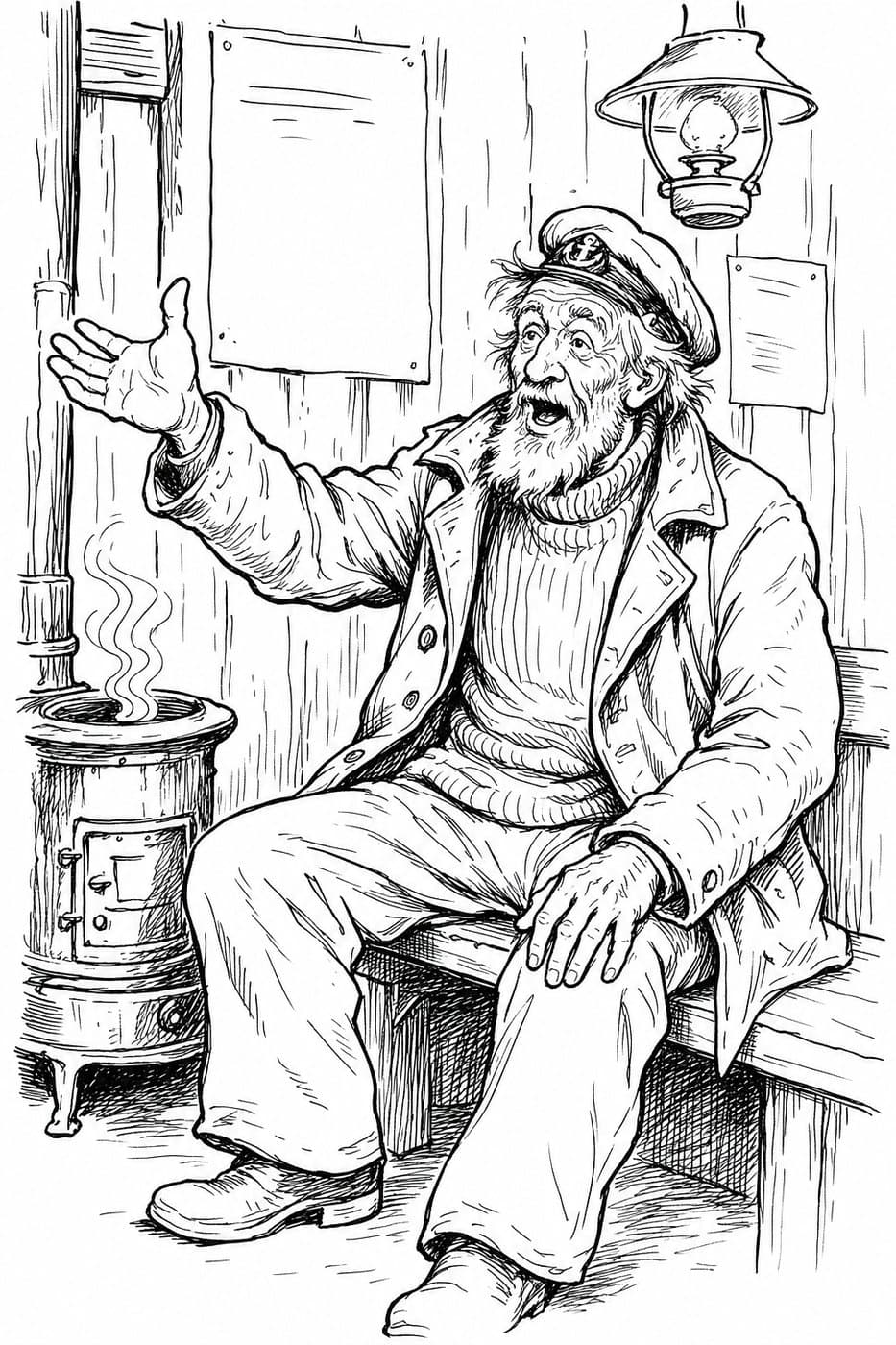
The whole day, fuller and deeper, with a foreword that lets a child in on the secret: that Joyce took Homer’s ten-year voyage home and dared to fit all of it inside one ordinary day. Mr. Bloom notices everything, keeps his temper, feeds the gulls, and carries a lost young man home through the dark streets, and by the last page a young reader can see that an ordinary person, watched closely and kindly, is a quiet kind of hero.
Coming soonFree resources
Read Ulysses free
Our books are built to get kids ready for the real thing. When they are, here is the real thing, free: the public-domain text, a volunteer-read audiobook, and background worth a parent’s time.
Watch and explore
- Why should you read James Joyce's Ulysses? (TED-Ed)
A short animated case for tackling a famously hard book, from a Joyce scholar at Trinity College Dublin.
Background for parents
- Ulysses (Britannica)
A clear entry on Joyce's modernist landmark, its single Dublin day, and why it was once banned.
- Ulysses (Yale Modernism Lab)
A university essay that lays out the characters, the Homeric parallels, and what makes the novel modern.
Bloomsday
- On this day, 16 June (The James Joyce Centre, Dublin)
A friendly explainer on why Joyce set the book on 16 June 1904 and how Bloomsday became a worldwide celebration.
Read and listen free
- Ulysses (Project Gutenberg)
The full novel, free to read or download, the source text behind our books.
- Ulysses (LibriVox audiobook)
A note for parents: like the book itself, the recording is bawdy in places, so this one is for grown-ups, not for reading aloud to young children.
Read more
Why We Made Ulysses for Kids (Yes, That Ulysses)
Ulysses is routinely called the greatest novel of the twentieth century, and almost nobody reads it before college. Here is why we adapted Joyce's single Dublin day for children, what age it is really for, and how a family can even celebrate Bloomsday.
Read the post