July 6, 2026
Why We Made Ulysses for Kids
Ulysses, James Joyce's 1922 novel, follows one man, Leopold Bloom, through a single day in Dublin, June 16, 1904, and models that day loosely on Homer's Odyssey. The novel is written for adults, but the events of Bloom's day are simple enough for a young child to follow: he feeds his cat, buys a cake of lemon soap, goes to a funeral, argues with a loudmouth in a pub, and late at night looks after a young man, Stephen Dedalus, who cannot look after himself. nüNERD tells that day in three books: a toddler book for ages 0–4, a picture book for ages 3–7, and a chapter book for ages 6–10.
We made them because most of what makes Ulysses hard is the telling: pages of Bloom's thoughts run on unexplained, and the later chapters each switch to a new style. Most of the day underneath is made of things a child already knows, and a child who has met Bloom, Molly, and Stephen will know them when the novel comes along.
What does each of our Ulysses books keep?
Every topic, its own book at each reading level
History, philosophy, and classic literature for kids ages 0–14.
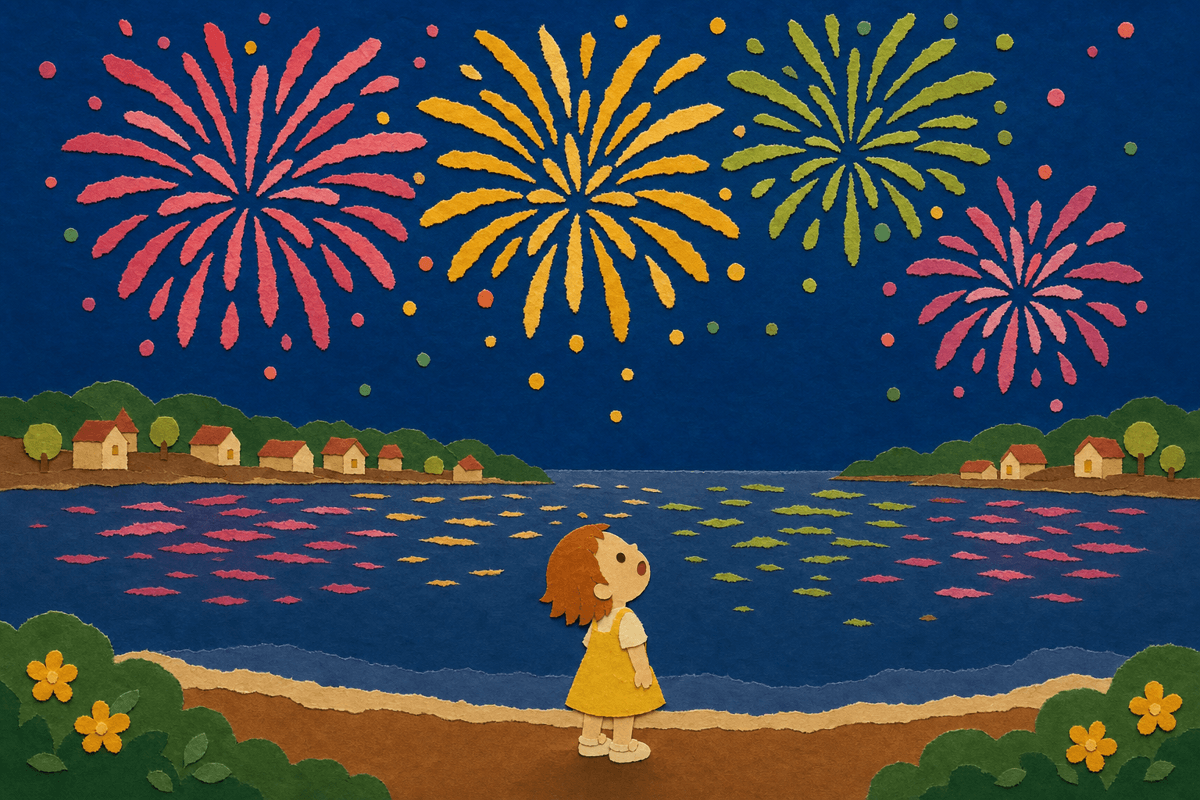
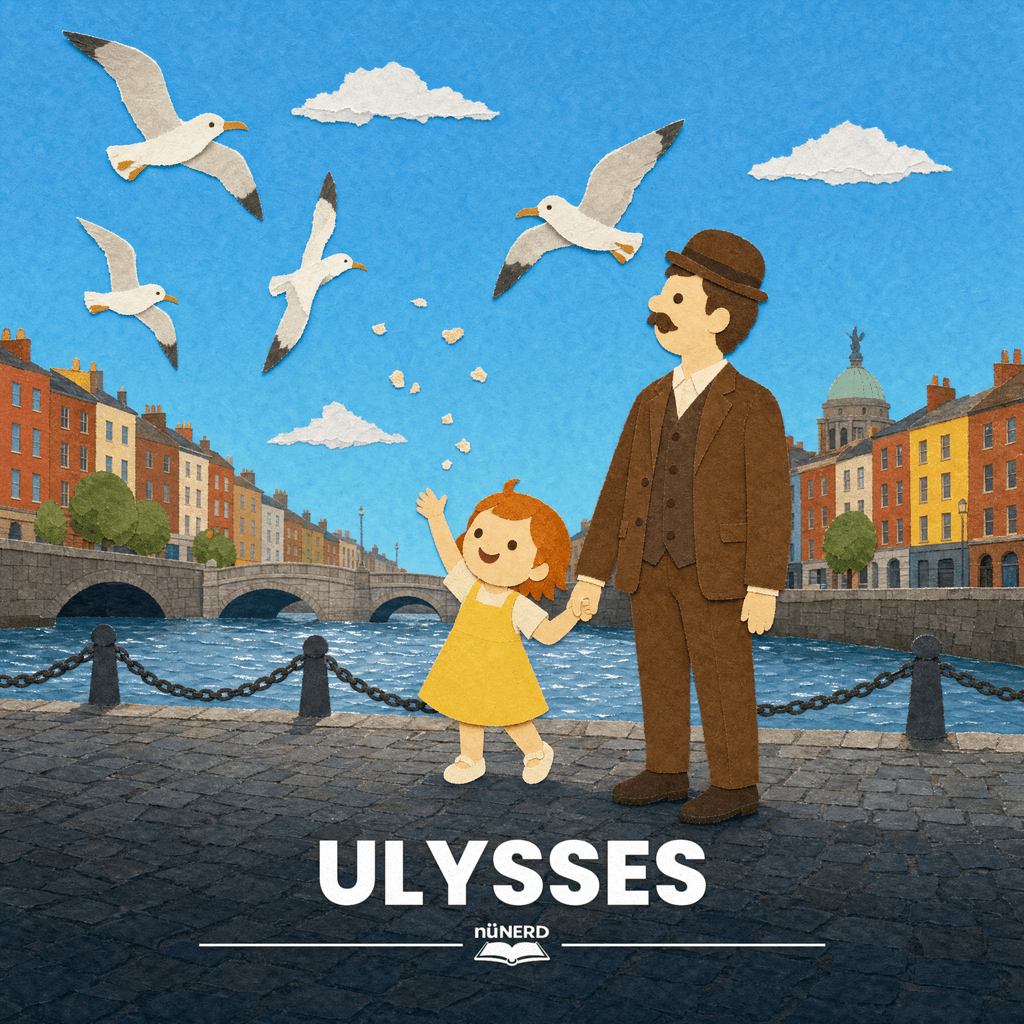
The toddler book gives the day to a little girl named Milly, out in the city with her Papa. (In the novel, Milly is Bloom's fifteen-year-old daughter, away in Mullingar.) It keeps the parts of Bloom's day a small child also has: a cat that says "Mrkgnao," lemon soap in the bath, gulls to feed, fireworks over the bay, and bed. It ends on the same word as Joyce's novel: "Goodnight, Milly. Yes."
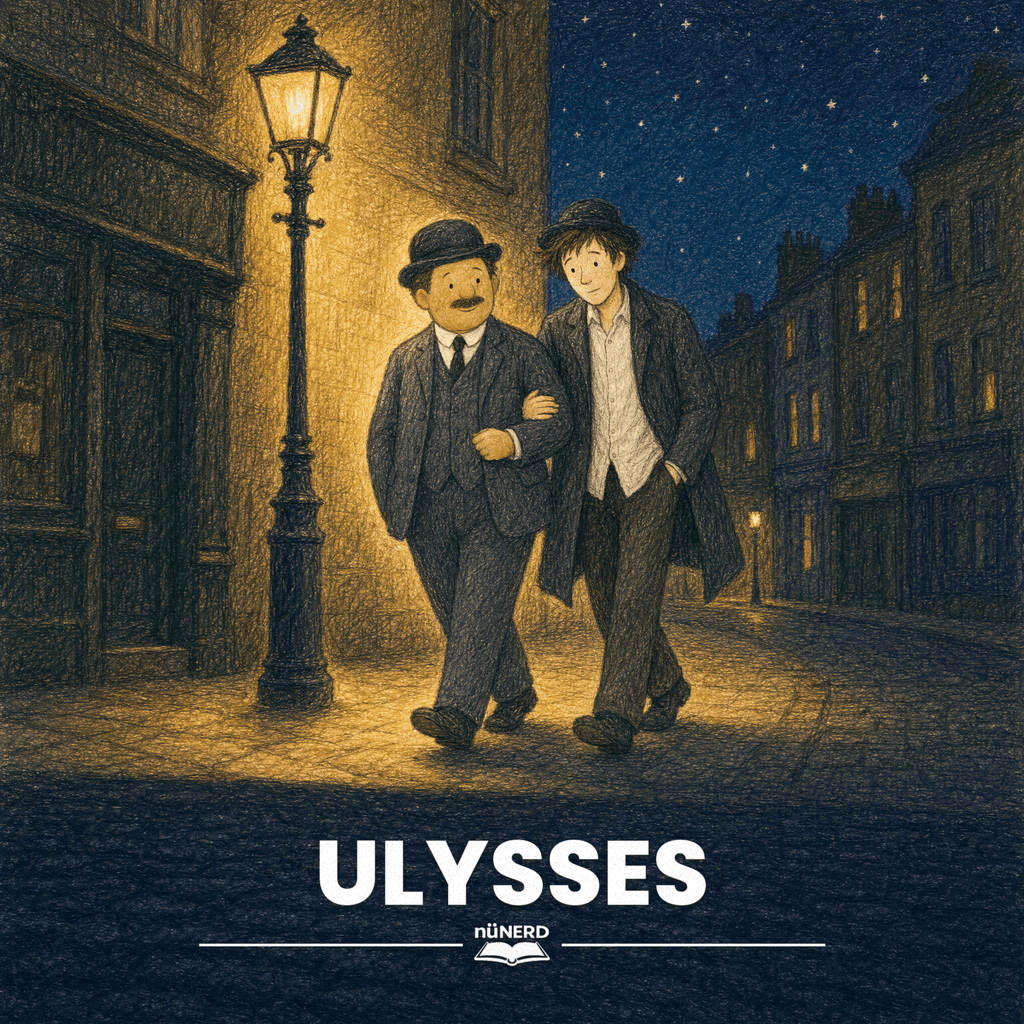
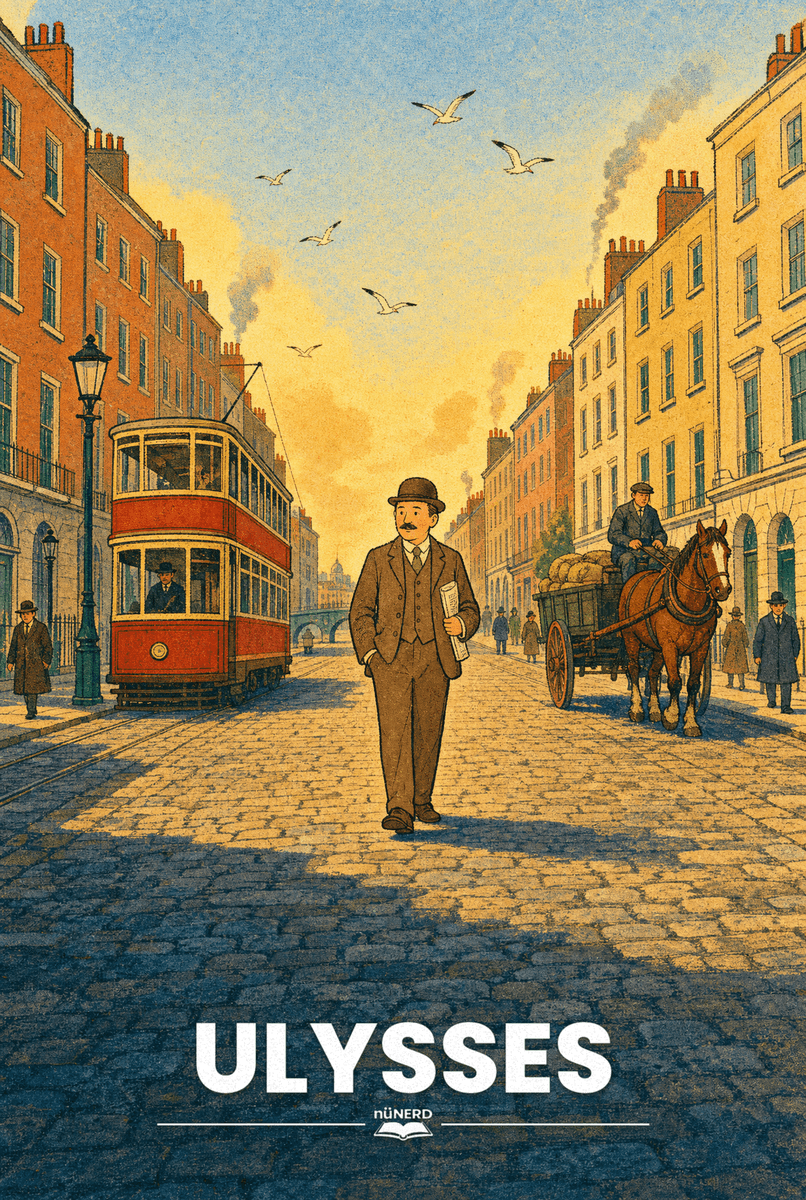
The picture book follows Mr. Bloom himself from breakfast to bedtime, in the same order as a young child's own day, one stop at a time: newsboys shouting about a long-shot horse, a song through a hotel door, a big loud man in a pub, a new baby up the road. Past the middle, Stephen appears, tired and alone in the dark, and Mr. Bloom says, "Take my arm."
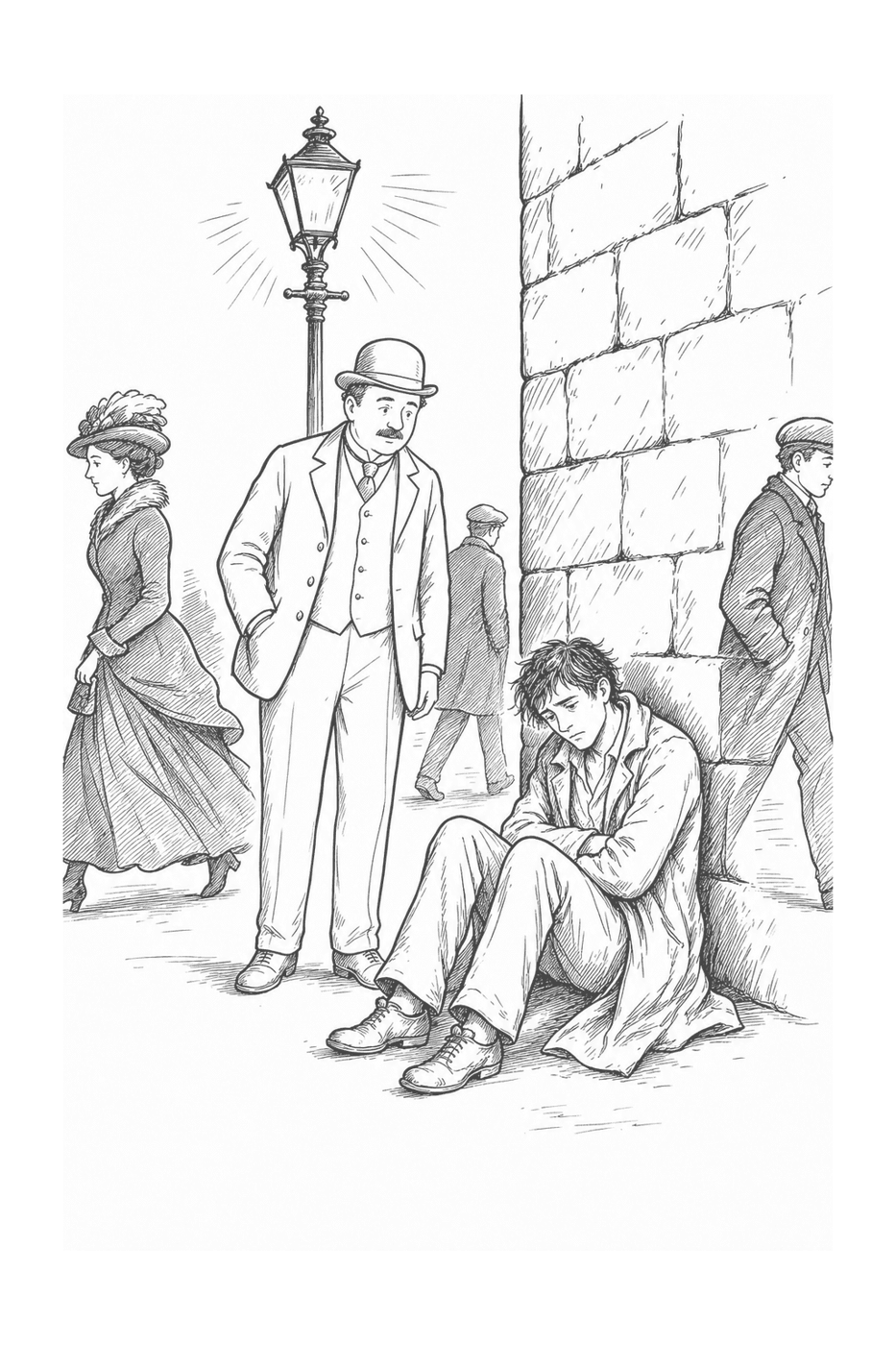
The chapter book tells the day in seven chapters between a foreword and an afterword. At that length a reader gets Bloom's thoughts as well as his errands, and smaller things from the novel: the potato he carries in his pocket because his mother believed it kept a body well, and the blind young man he helps across a busy street. The afterword gives away the secret: "The loud man in the pub stands in for a one-eyed giant."
Where do our books differ from Joyce's novel?
The first difference is the pub. In the chapter Joyce nicknamed Cyclops, Bloom stands in Barney Kiernan's pub with a nationalist the narrator calls the Citizen, who sneers at him as a foreigner and a Jew. Bloom answers back. He names Mendelssohn, Karl Marx, and Spinoza, reminds the room that Jesus was a Jew, and says the thing that matters in life is love, which he defines as "the opposite of hatred." As Bloom's friends drive him off, the Citizen throws a biscuit tin after him. In our picture book, Mr. Bloom does not argue: "Mr. Bloom stays calm and gentle, and quietly steps outside." Our chapter book is closer to Joyce. Bloom stands up and says that "the same sun warmed every man alive," then walks out before the loud man can roar back. Nobody throws anything.
The second is the ending. In the novel, Bloom takes Stephen home to his own house at 7 Eccles Street. He has forgotten his key and climbs over the railings, makes them cocoa, and offers Stephen a bed for the night. Stephen says no and walks off into the dark. In our picture book and chapter book, Bloom walks Stephen to Stephen's own lodgings and then goes home alone. In the picture book: "Round one last corner, and there it is: Stephen's door." In our chapter book the cocoa comes earlier, in a cabman's shelter by the docks, and Bloom lets himself in at home "with his own worn key."
From the books
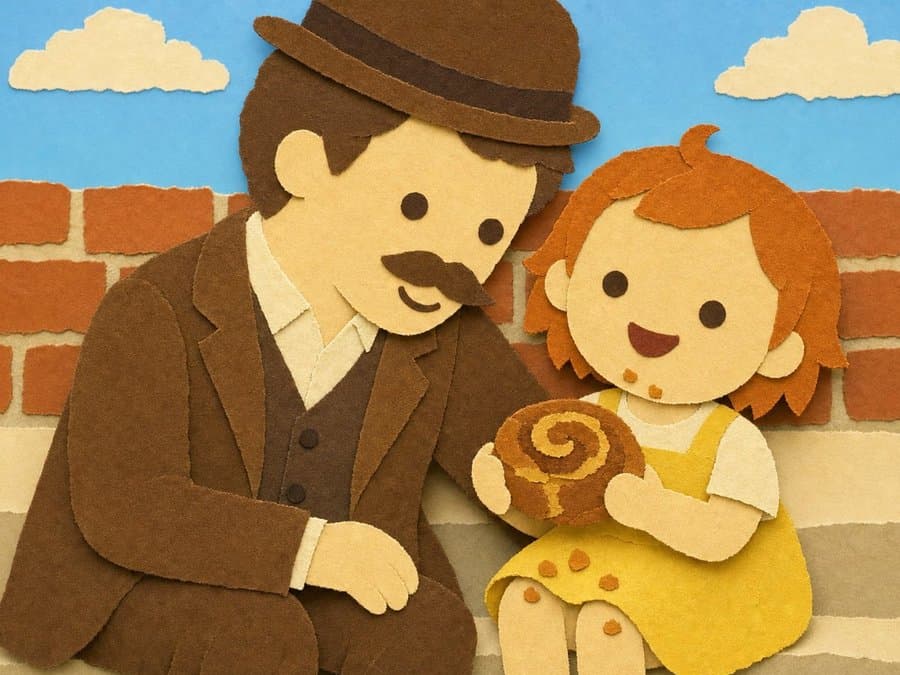
Toddler book, ages 0–4
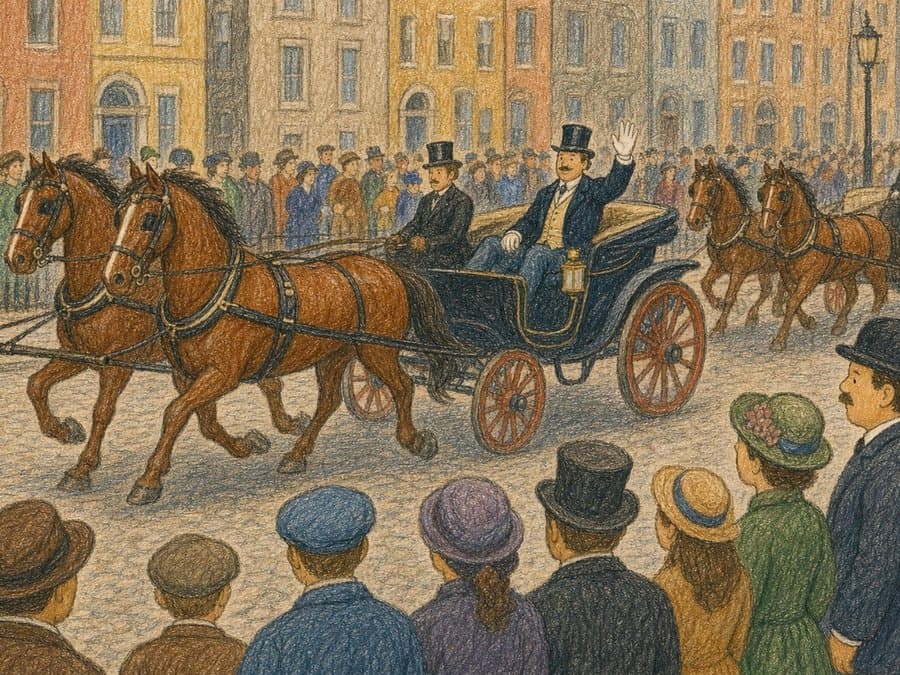
Picture book, ages 3–7
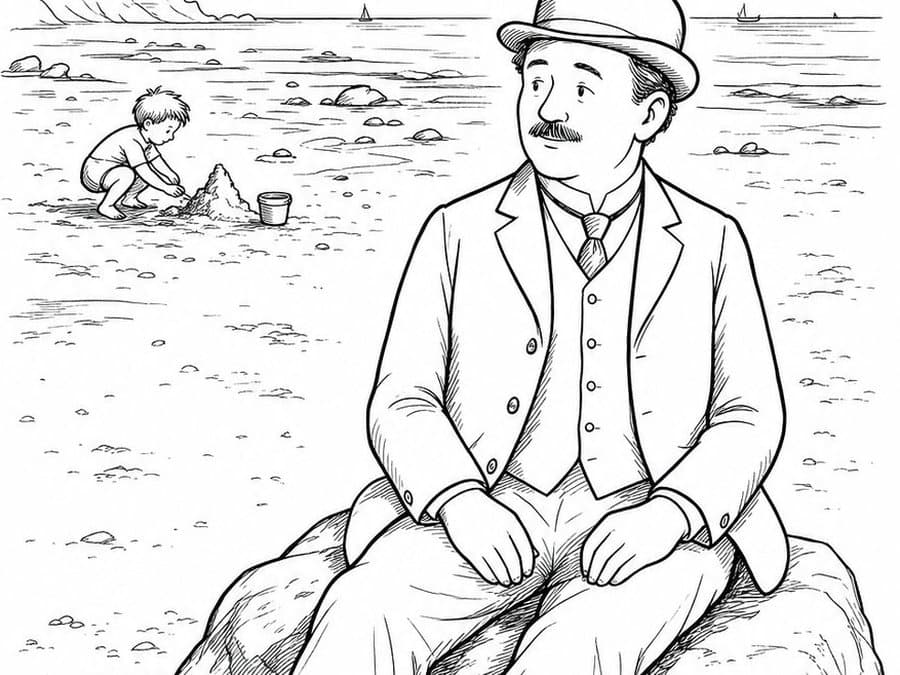
Chapter book, ages 6–10
What age are the Ulysses books for?
The chapter book is for ages 6–10: it can be read aloud to a six-year-old or read alone by a ten-year-old. The toddler book is for ages 0–4 and the picture book for ages 3–7. All three are on the Ulysses page.
Why is the novel called Ulysses, and why was it banned?
Ulysses is the Roman name for Odysseus, the Greek hero of Homer's Odyssey, who takes ten years to get home from the Trojan War. Joyce matched each of his eighteen chapters to an episode or figure from that poem. Bloom is the wanderer, Stephen is Telemachus, the son looking for a father, and Molly is Penelope waiting at home. Joyce left the Homeric chapter titles out of the printed book; names like Cyclops and Ithaca come from outlines he gave to friends. The novel was also banned as obscene: in the United States it could not be sold legally until Judge John M. Woolsey ruled in 1933 that it was not obscene.
How do you keep Bloomsday with kids?
Bloomsday is June 16, the day the novel takes place, when readers in Dublin walk Bloom's route. For a family version, on June 16, have breakfast together, take one long walk through your own town, and notice everything. The chapter book's foreword gives a child a list to start with: "a cat, a bar of soap, a hungry gull, a song through an open window."
Then, as you read, follow the horse. Early in the chapter book, newsboys shout, "Will the long-shot horse come home?" The answer comes late that night, at the cabman's shelter. Ask your child to guess first. In Joyce's novel the horse has a name, Throwaway, and on June 16, 1904, it won the Gold Cup at Ascot at odds of 20 to 1.
The books
Ulysses on Amazon
Frequently asked questions
How long are the Ulysses books, and what format is each one?
The toddler book is a read-aloud of about 300 words with cut-paper collage pictures. The picture book runs about 700 words with soft crayon illustrations. The chapter book is about 7,400 words in seven chapters with black-and-white line-art illustrations, plus a foreword on what Joyce set out to do and an afterword on Bloomsday, the banning, and the Odyssey inside the novel.
Is Ulysses too adult for children?
Joyce's novel is for adults, and parts of it are sexually frank. Our books keep the events of Bloom's day (the cat, the soap, the gulls, the pub, the walk home with Stephen) and leave the adult material out. The chapter book's afterword tells children that the novel is long and difficult and written for grown-ups.
Why is Bloomsday on June 16?
Joyce set the novel on June 16, 1904, the date usually given for his first walk out with Nora Barnacle, who later became his wife. The first Bloomsday pilgrimage in Dublin was in 1954, on the fiftieth anniversary, when a group of Dublin writers and friends set out to retrace parts of the route. It is now celebrated every year in Dublin and in cities around the world.
Where can I find free Ulysses resources?
Our Ulysses page links these, all free to open: Why should you read James Joyce's Ulysses? (TED-Ed); On this day, 16 June (The James Joyce Centre, Dublin); Ulysses (Britannica); Ulysses (Project Gutenberg).