October 23, 2026
Why We Made the Bayeux Tapestry for Kids
The Bayeux Tapestry is a strip of linen nearly 70 metres long, embroidered in coloured wool with the story that ended at Hastings in 1066: Harold's journey to Normandy and his oath to Duke William, Harold's crowning, William's invasion, and the battle itself. Most historians think English needleworkers made it in the years after the battle, for William's half-brother, Bishop Odo, so it tells the story from the side that won. We made three books about it, for ages 0–10, because the cloth tells 1066 in pictures, and it is a good first place for a child to ask who made the pictures, and whose side they were on.
What part of the story does each book tell?
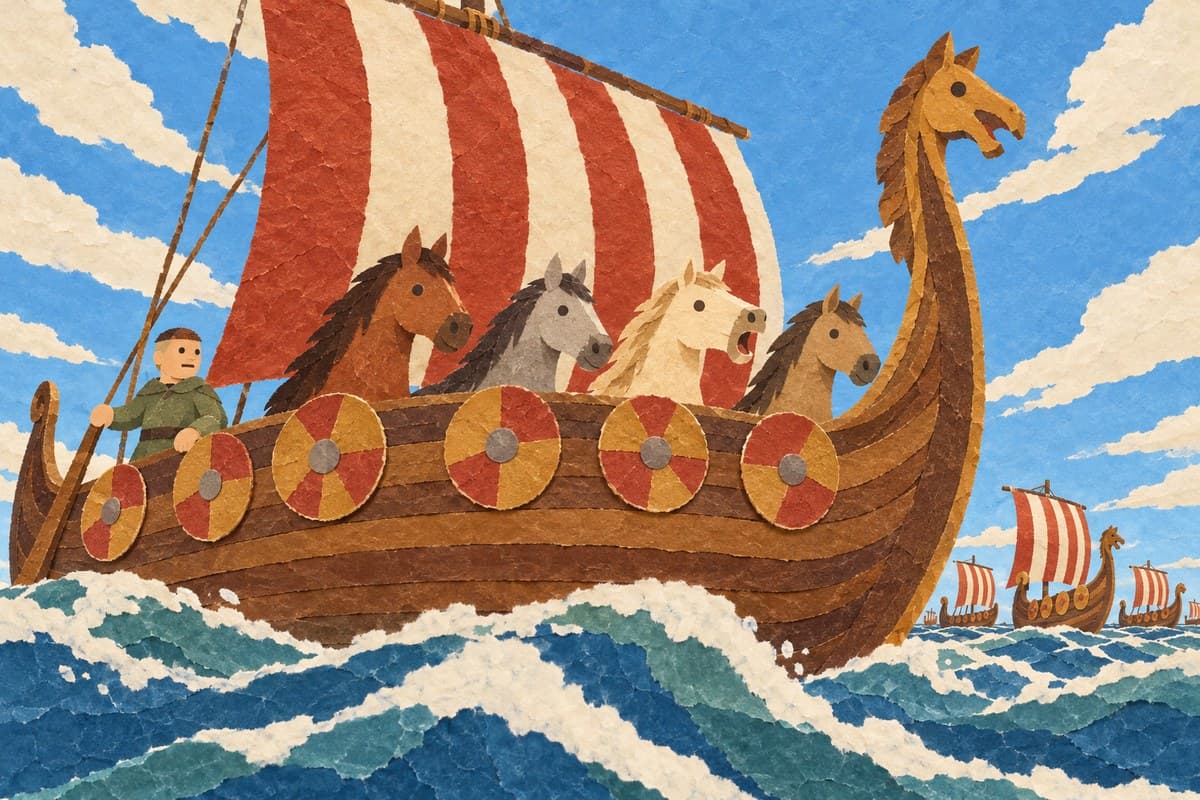
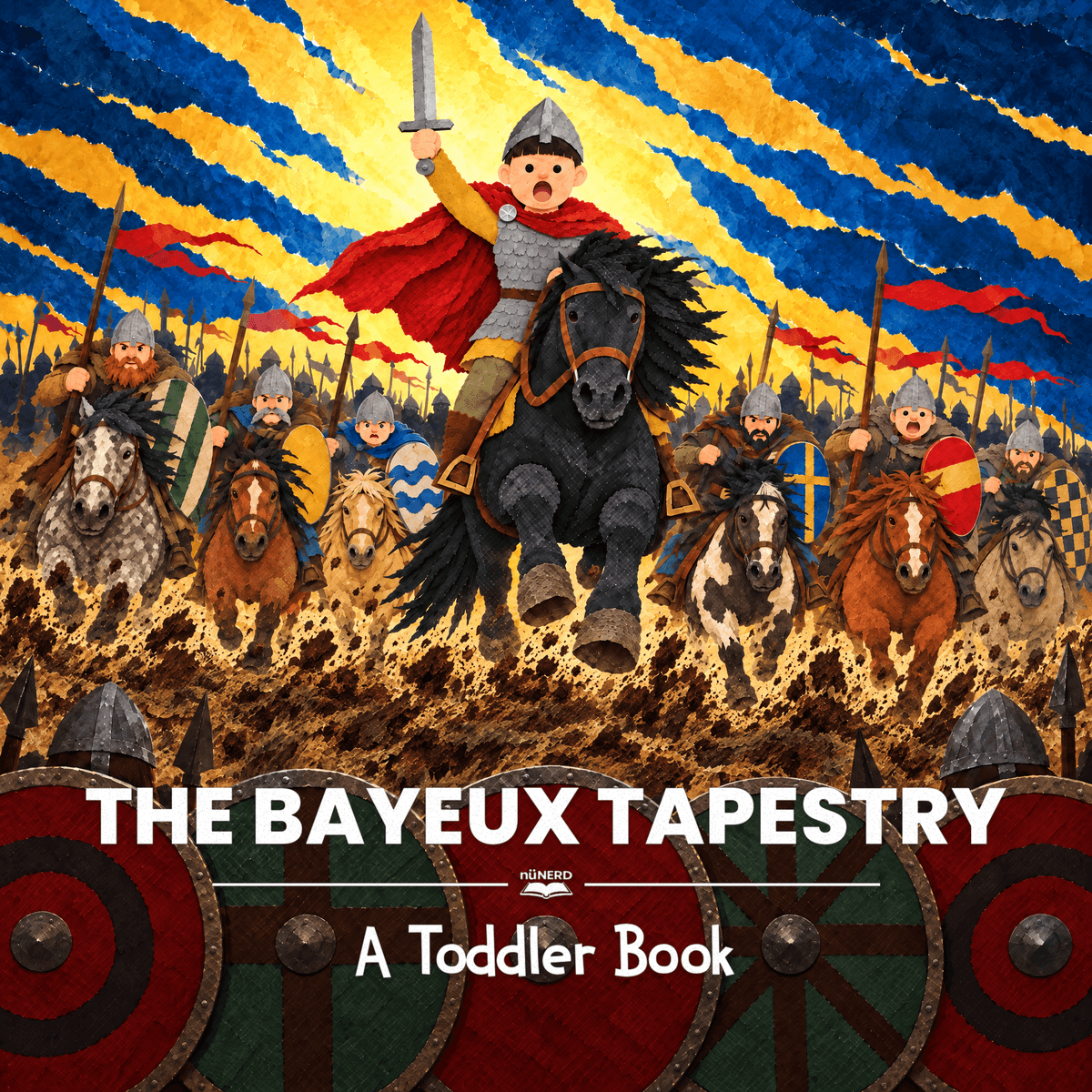
The toddler book begins with Harold, his hawk, and his dogs, and soon he and Duke William are riding together: "They rode on their horses side by side." Then England's great leaders choose Harold as king, William builds "ship after ship," and his horses cross the sea with "the heads of the horses peeking out over the sides." On a hill, Harold's shields hold ("Still the shields held!") until William wins, and the last page finds the two men stitched on a long cloth, "still riding together, side by side."
Every topic, its own book at each reading level
History, philosophy, and classic literature for kids from toddlers to teens.
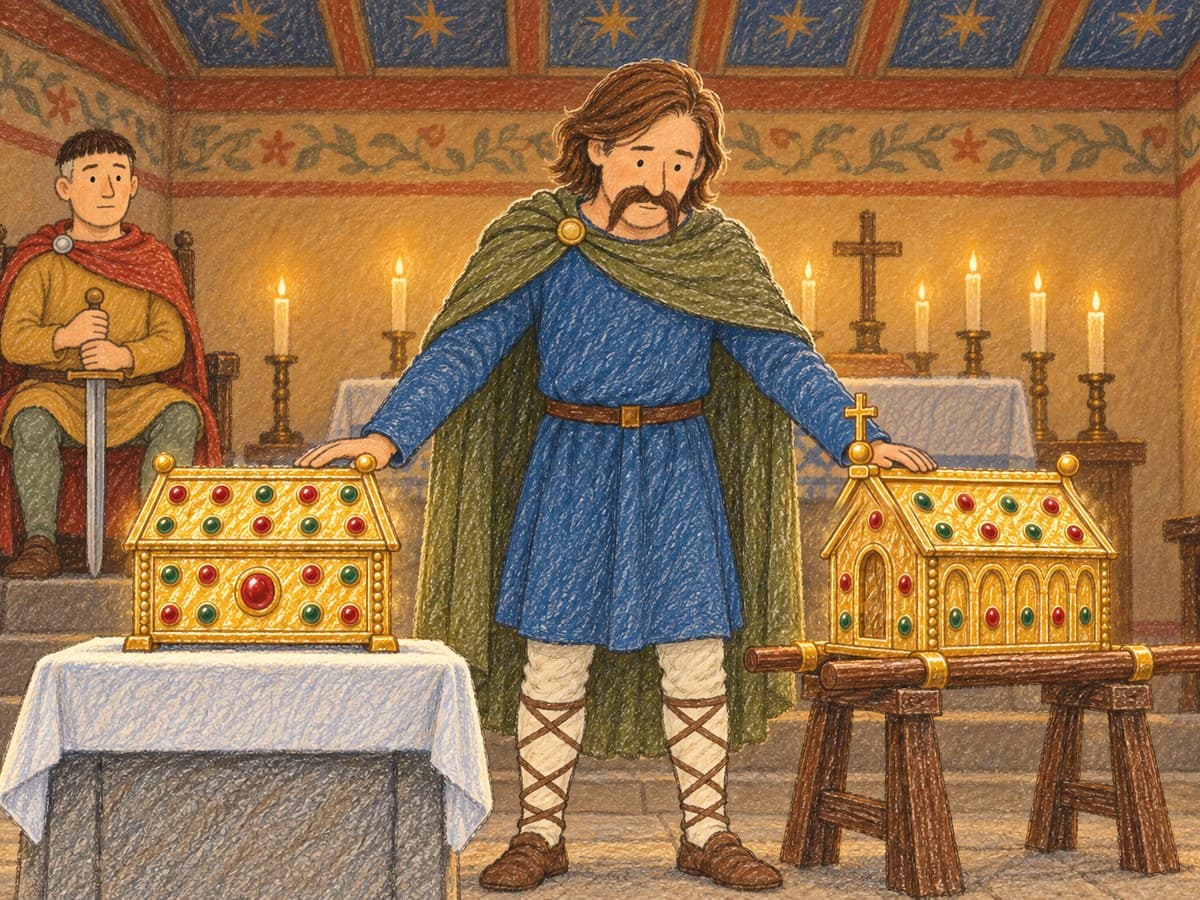
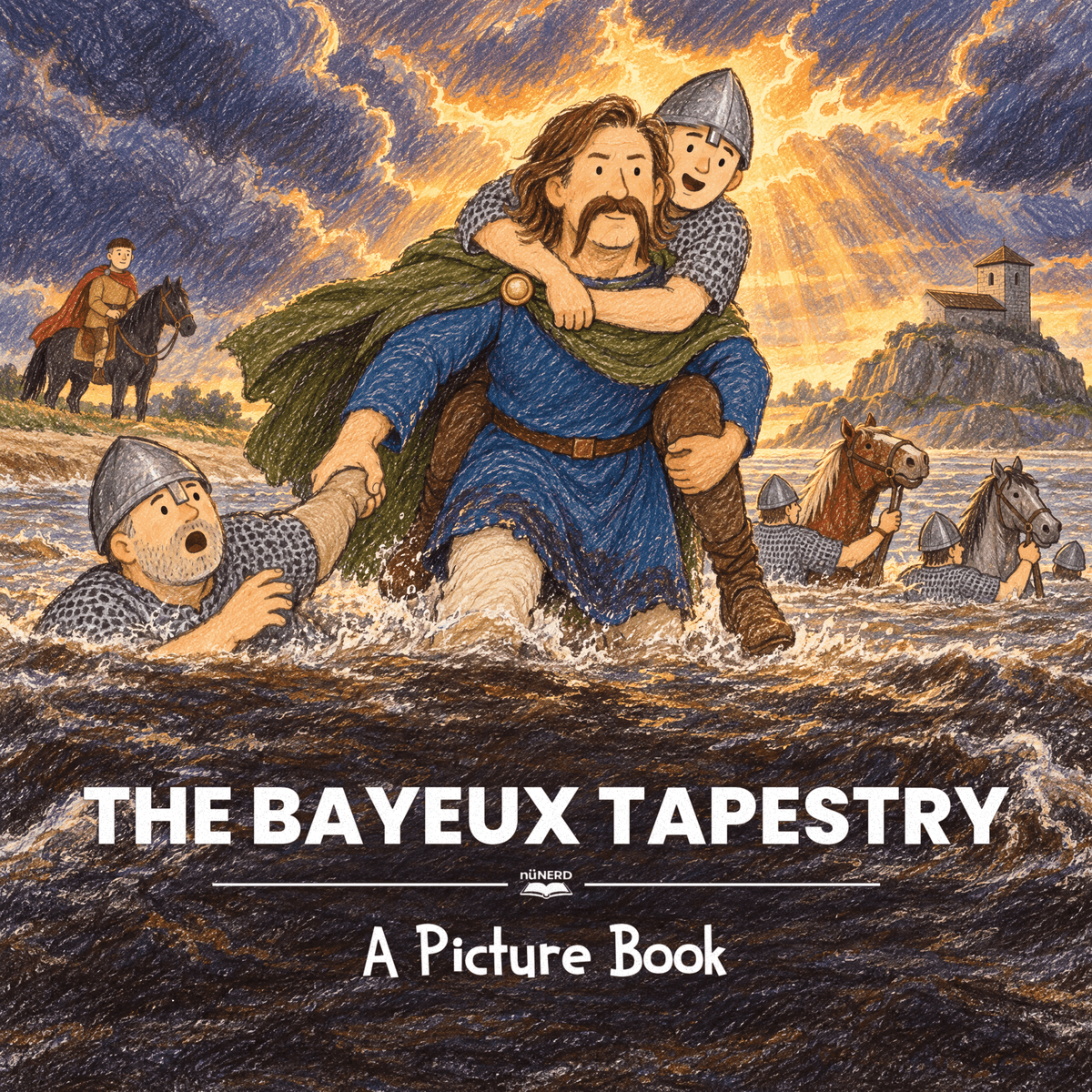
The picture book is about the promise. Across the sea, Harold pulls two of William's soldiers out of the sinking sand, then puts "one hand on each box" and promises William his loyalty. When England crowns Harold, William says Harold swore to help him get the crown, and Harold answers "that he had promised far from home, where he could not say no." The book follows Harold north to beat a Viking army at Stamford Bridge and back south to Hastings. It ends on the cloth itself, which "does not say what Harold promised" and "shows nothing at all of his race north and his victory there."
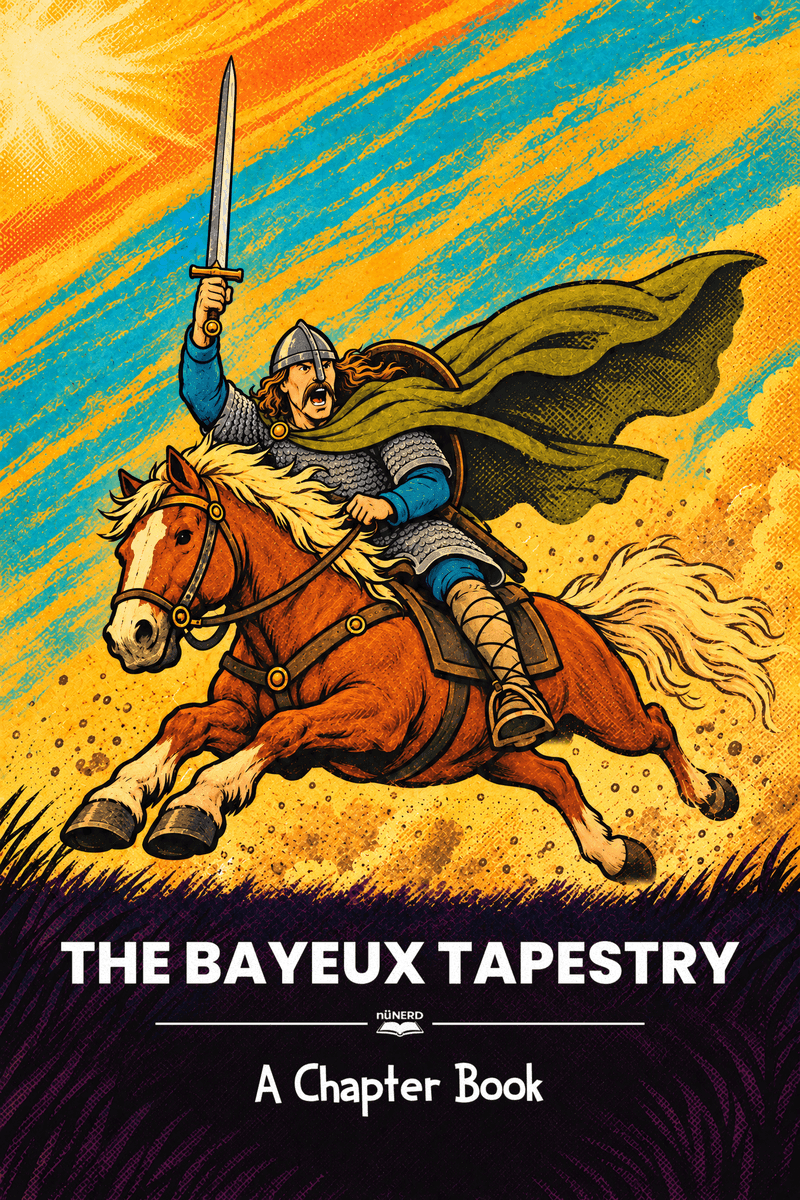
The chapter book runs from Harold's journey to Normandy to William's crowning on Christmas Day, and it keeps saying who the teller is: the English monks' Chronicle, William's chaplain, the monk Orderic writing sixty years later, and a Norse saga written down in Iceland about 160 years after the battle. Its last chapter follows the cloth: the soldiers who, the story goes, nearly took it to cover a wagon in 1792, its showing in Paris while Napoleon planned his own invasion of Britain, and its 2026 trip across the sea to the British Museum.
From the books
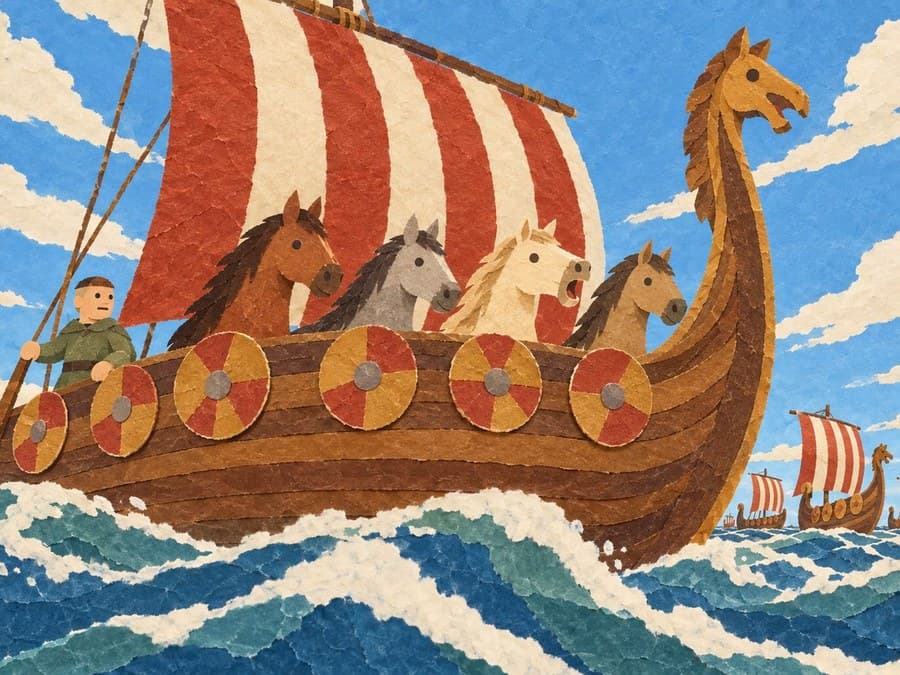
Toddler book, ages 0–4
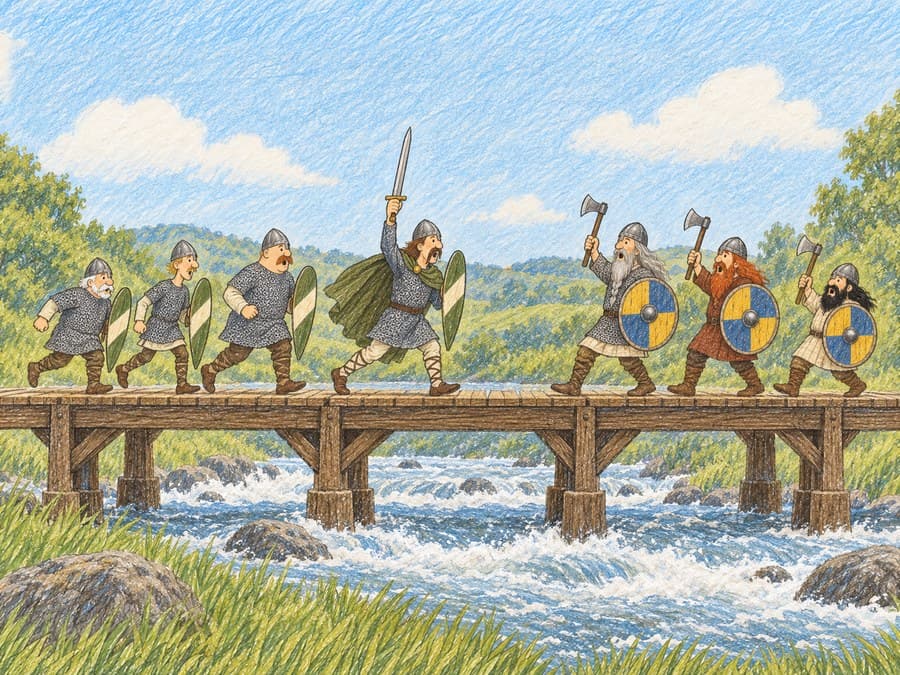
Picture book, ages 3–7
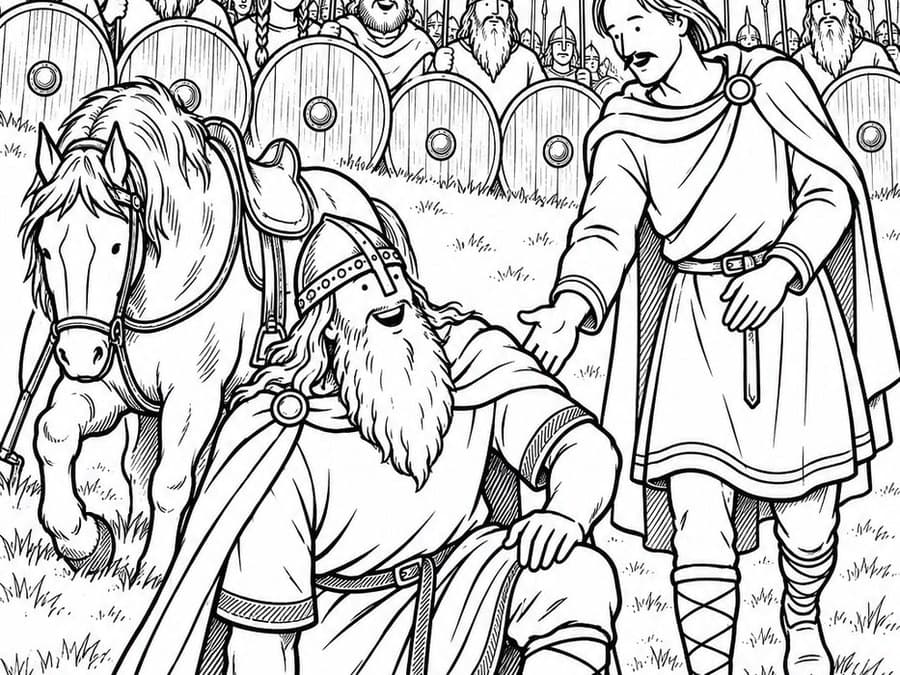
Chapter book, ages 6–10
What age are the Bayeux Tapestry books for?
The toddler book is for ages 0–4 and the picture book for ages 3–7. The chapter book is for ages 6–10: read it aloud to younger children, and older ones can read it alone. All three are on the Bayeux Tapestry page.
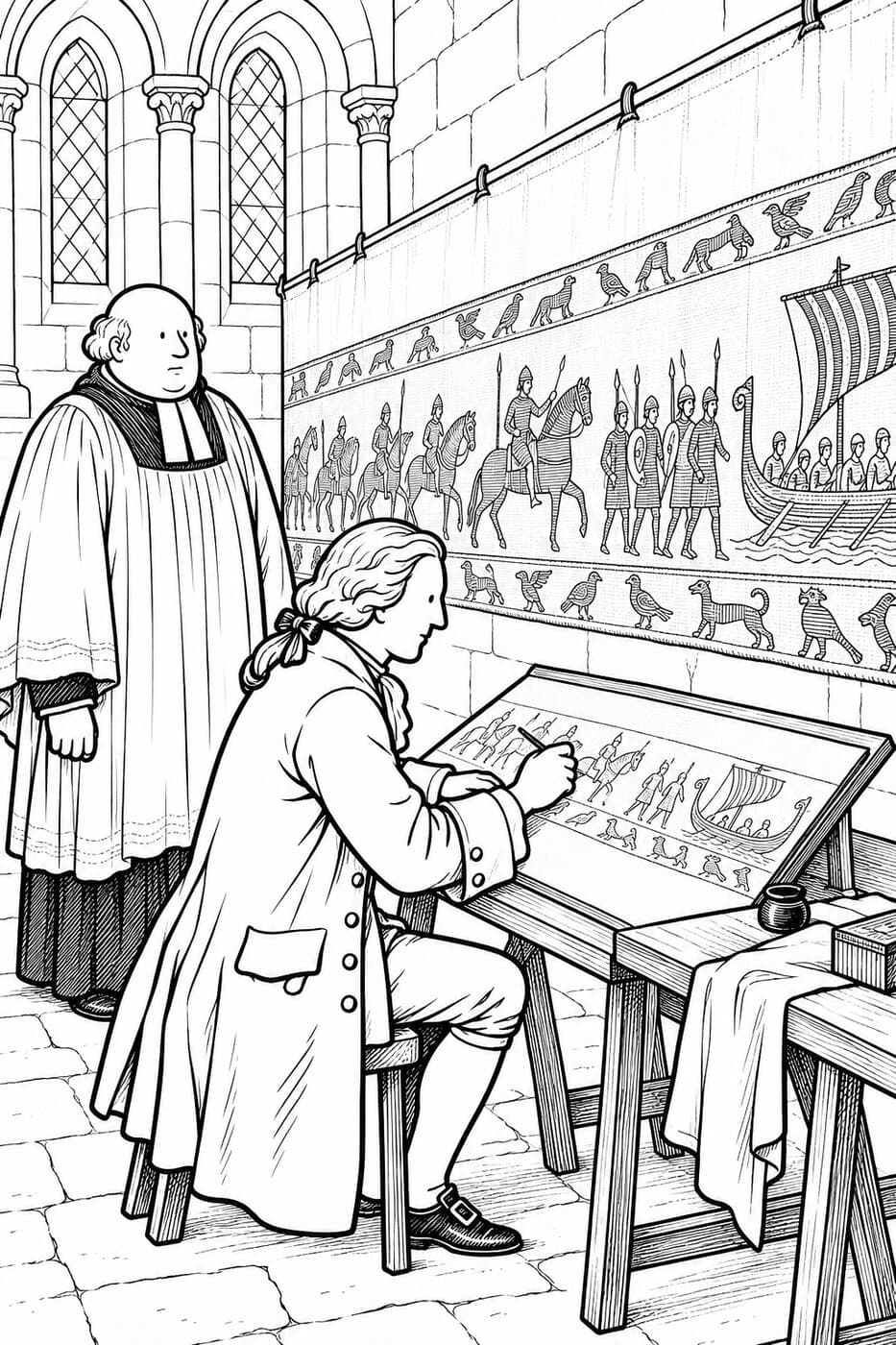
How do we know what happened in 1066?
From several tellers, and they do not agree. The Anglo-Saxon Chronicle, kept year by year by English monks, tells Hastings in a few lines. William's chaplain wrote a book praising the duke a few years after the battle. Orderic Vitalis, a monk born in England who moved to Normandy, wrote about sixty years later. And the tapestry was made for the winners. Each has a side, and they disagree about where Harold swore his oath, what he promised, and how he died.
Was Harold really shot in the eye?
Nobody knows. The writers closest to the battle say nothing about an arrow, and the first writer in England to put one in Harold's eye wrote more than sixty years later. On the tapestry, the words "here King Harold was killed" run over two figures: one stands with a shaft at his face, and one falls under a horseman's sword. Even the early copies of the cloth disagree: an artist's drawings printed in 1729 and 1730 show a thin line, and a copy made almost ninety years later shows a feathered arrow. Our chapter book lays all of this out for a child, and says plainly: "No one knows exactly how Harold died."
How do you read the Bayeux Tapestry books with kids?
With the toddler book, say "Still the shields held!" together. With the picture book, stop when William and Harold each give their side of the promise, and ask your child who they believe. With the chapter book, keep a list of who is telling each part, then open the Bayeux Museum's free online tapestry and look for the scenes the last chapter points to: the men wading out with the hounds, Harold between the two holy boxes, and Harold's hawk.
The books
The Bayeux Tapestry on Amazon
Frequently asked questions
How long are the Bayeux Tapestry books, and what format is each one?
The toddler book is a 24-page read-aloud of about 370 words with a cut-paper collage picture on every page, and the picture book runs 36 pages and about 740 words with soft crayon pictures; both are 8.5-inch square. The chapter book is a 100-page, 6-by-9-inch book of about 9,300 words with 22 black-and-white drawings, and it gives a pronunciation for hard names such as Gytha (GITH-uh).
Do the books show the Battle of Hastings?
All three tell it. The toddler book keeps it to shields, stamping horses, and a long fight on a hill, and never names Harold's death. The picture book tells it without blood: "King Harold had fallen there on the hill, among his men." The chapter book includes battles, men drowning, burned villages, and the deaths of Harold and three of his brothers.
Why is it called a tapestry if it is embroidered?
It is the name it has carried for centuries. A real tapestry is woven, with the picture made in the weave; the Bayeux Tapestry is linen with wool stitched on top, which makes it an embroidery.
Where can I find free Bayeux Tapestry resources?
Our Bayeux Tapestry page links these, all free to open: Explore the Bayeux Tapestry online (Bayeux Museum); Bayeux Tapestry (Britannica Kids, ages 11 to 14); The Anglo-Saxon Chronicle (Project Gutenberg). It also links the British Museum's exhibition, where under-16s go free with a booked adult ticket.