August 1, 2026
Lycurgus & Numa: Two Lawgivers, One Impossible Question
Lycurgus and Numa were the lawgivers of Sparta and early Rome, and Plutarch paired their lives to raise the oldest question in politics: what kind of rules make a good city? Lycurgus made every Spartan live exactly alike, and Sparta kept his laws for about five hundred years. Numa let every Roman live their own way and gave Rome forty-three years of unbroken peace. nüNERD's Lycurgus & Numa is the third pair in Plutarch's Lives for Kids, told for children ages 0 to 14 at four reading levels, and it hands a reader Plutarch's own verdict to weigh.
Who were Lycurgus and Numa?
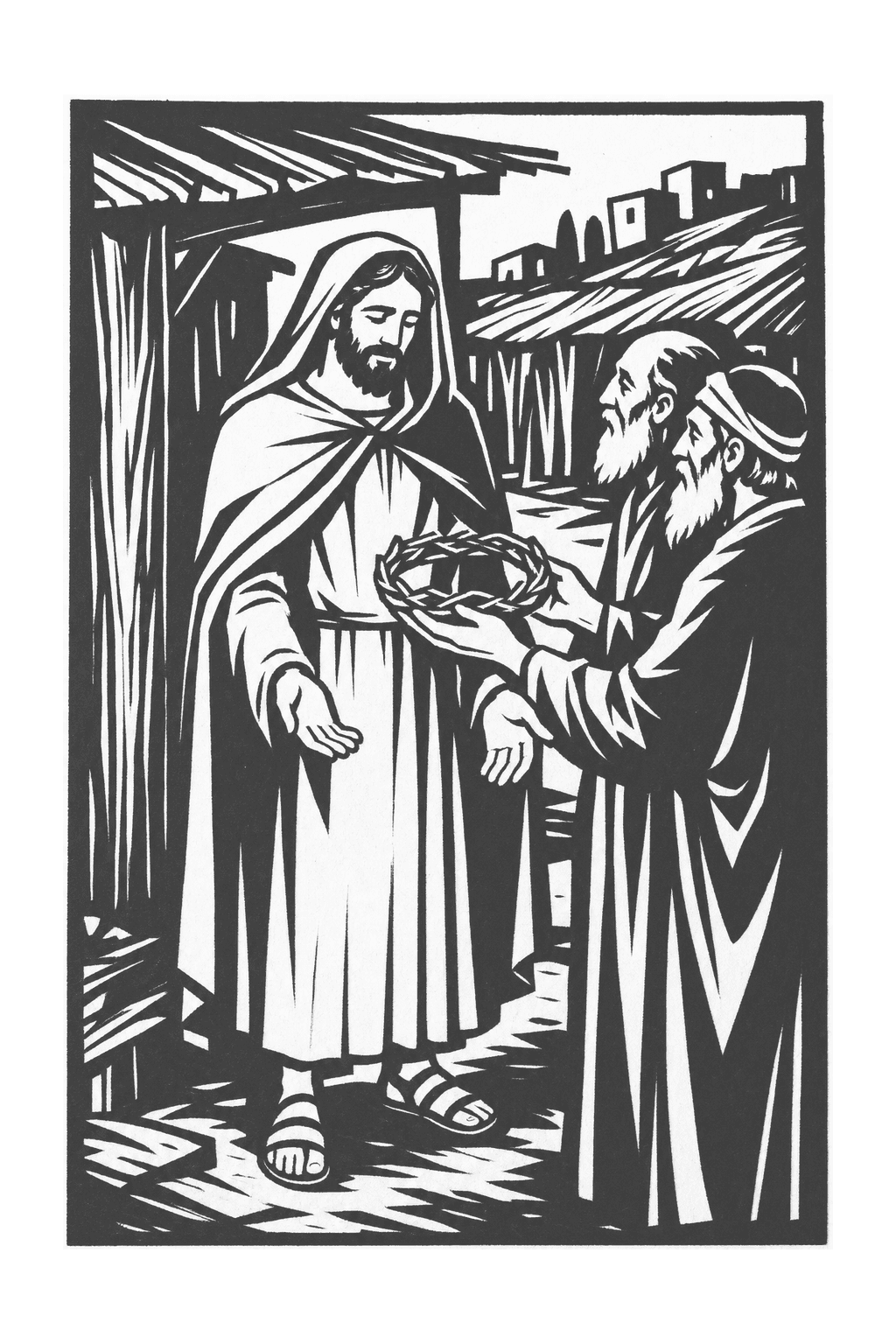
Lycurgus was the lawgiver of Sparta, remembered for reforms so total that Spartans lived by them for roughly five centuries. When his infant nephew was born, Lycurgus set the baby in the king's place and told the Spartans the boy was their king. He had held power for eight months, and he gave it up. Numa was Rome's second king, remembered as the founder of its religion and its calendar, who ruled forty-three years without a single war, by persuasion alone. The sacred fire he gave Rome was still burning in the heart of the city more than a thousand years later.
From the books
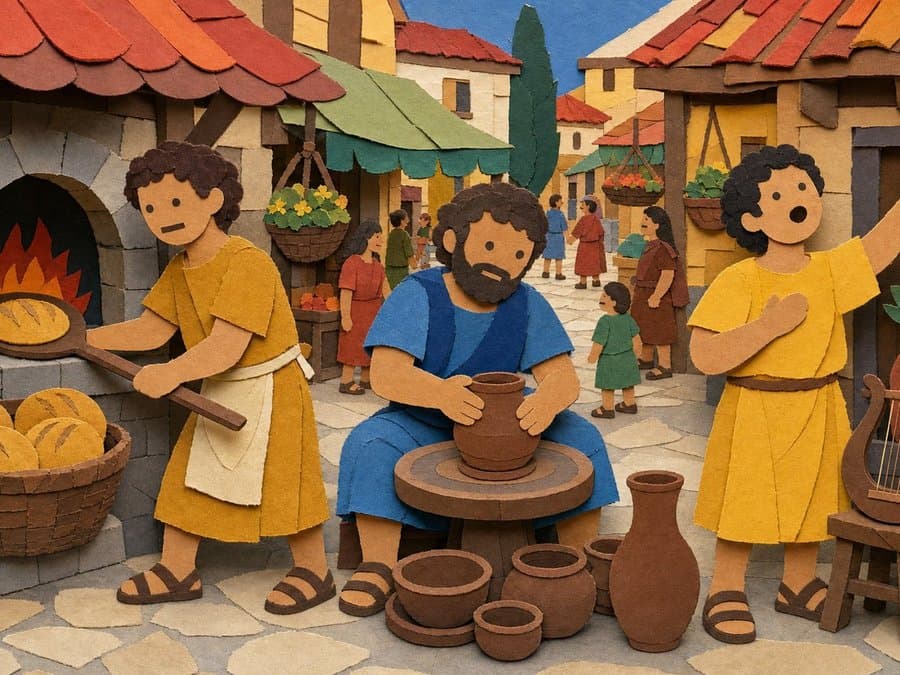
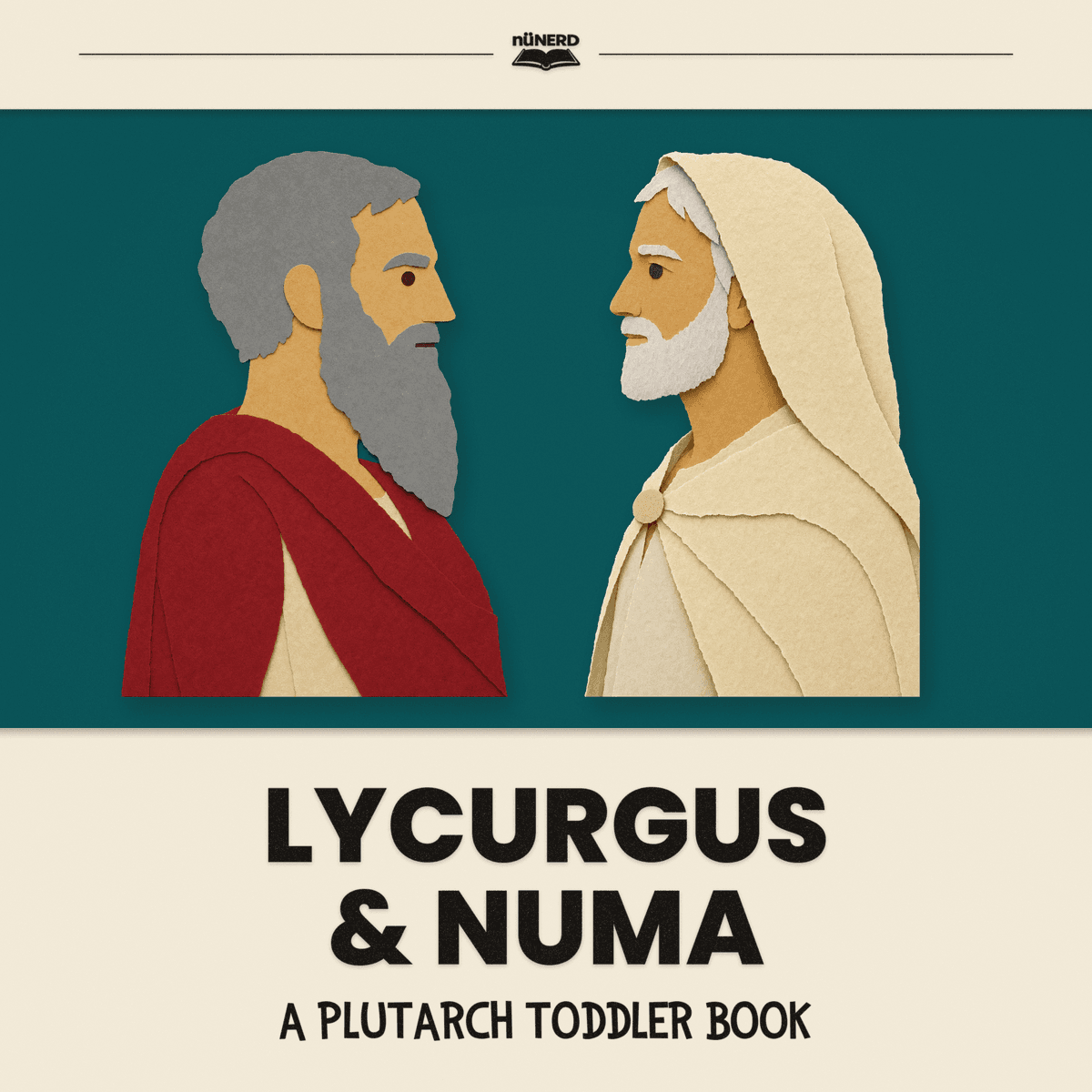
Toddler book, ages 0–4
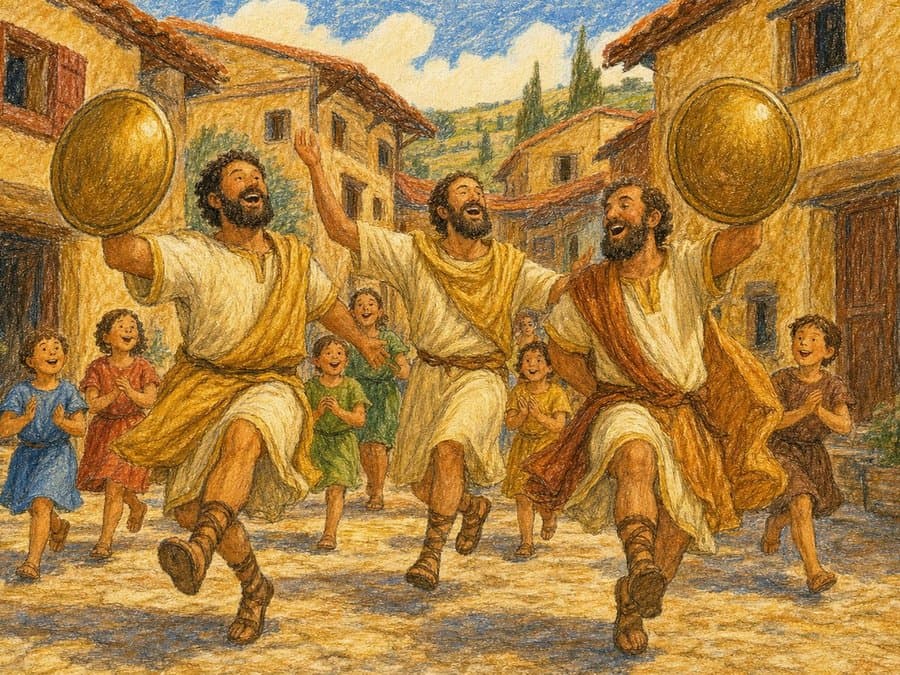
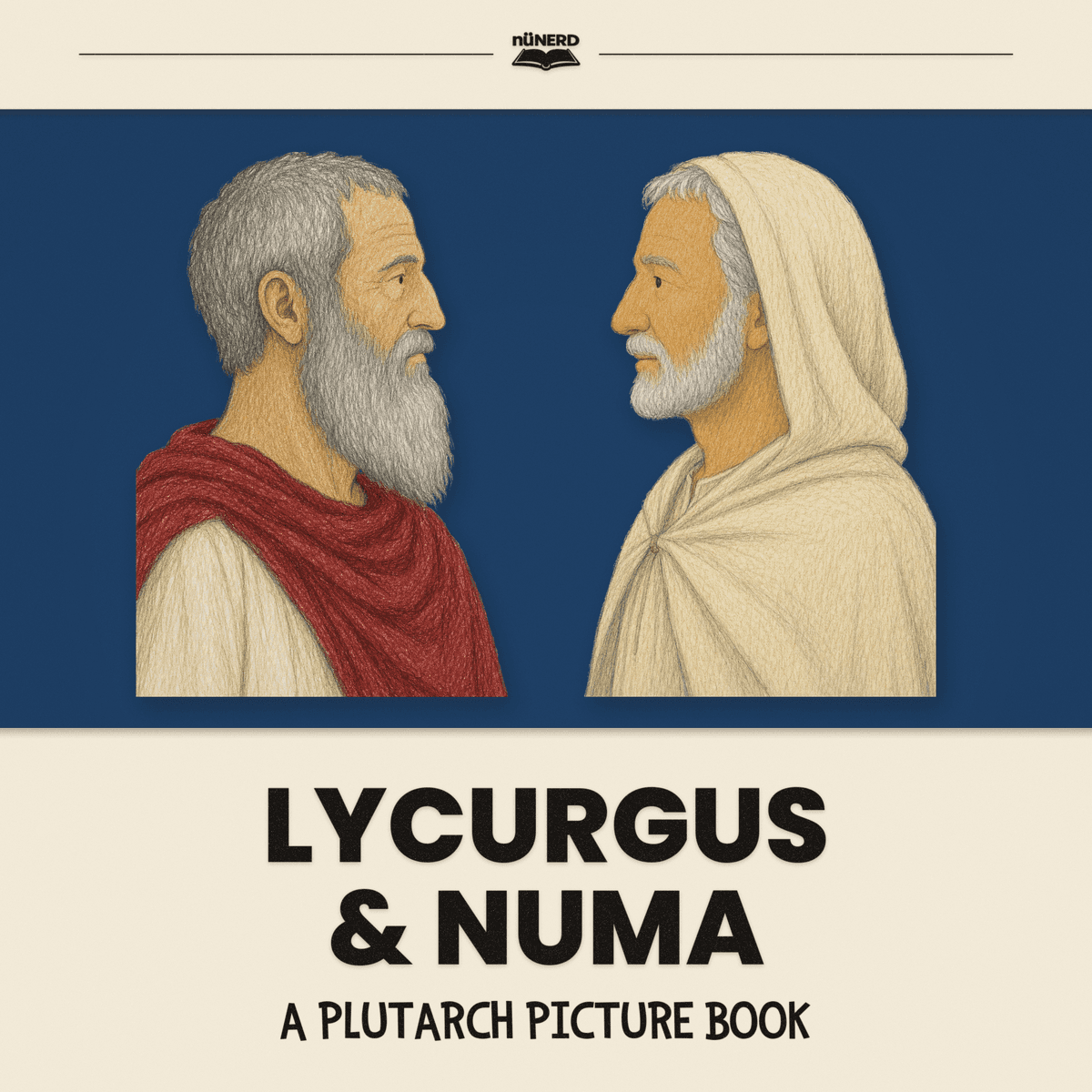
Picture book, ages 3–7
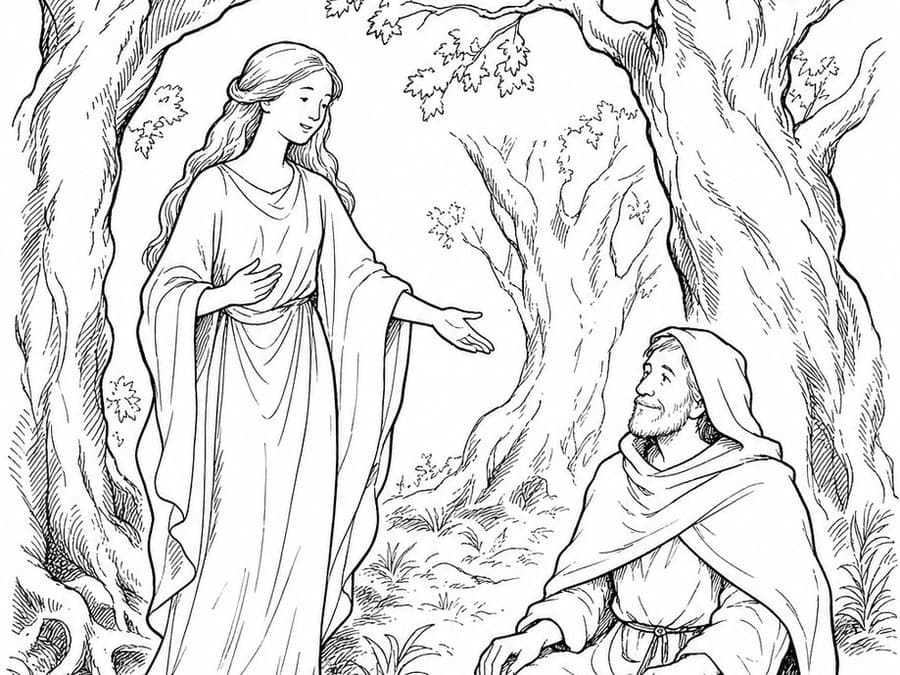
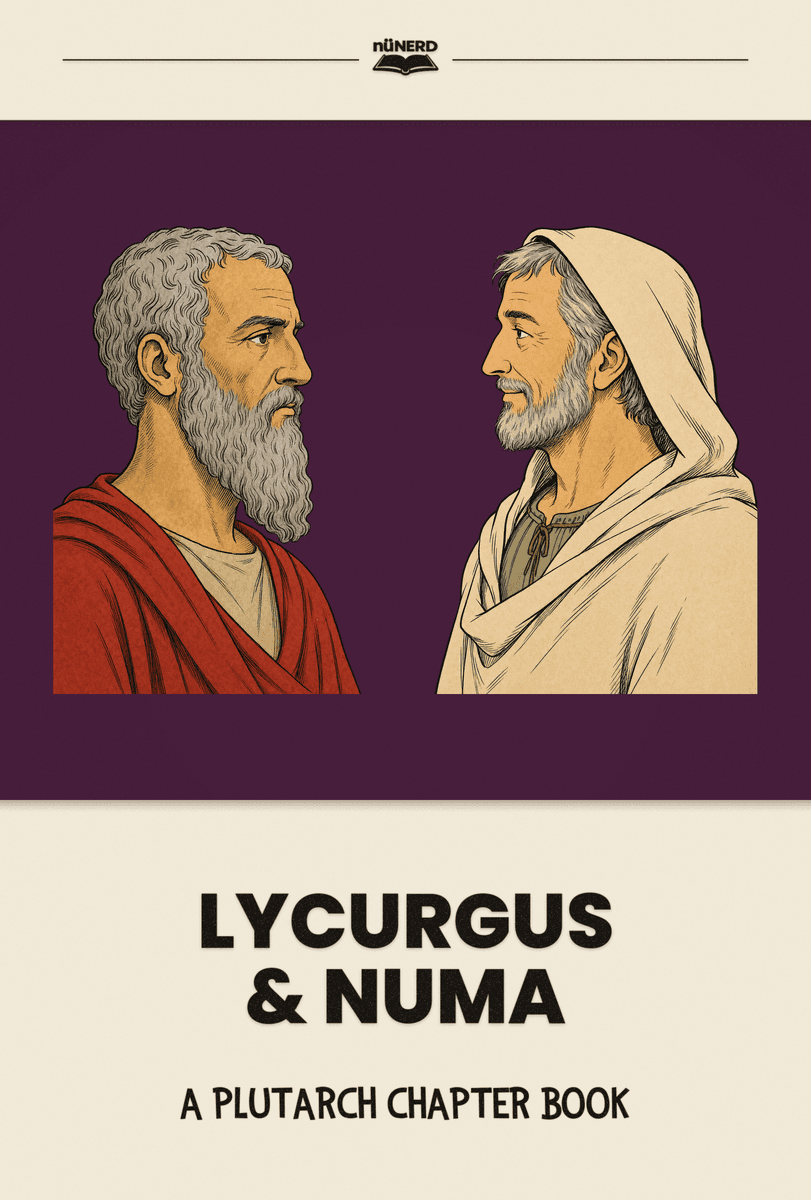
Chapter book, ages 6–10
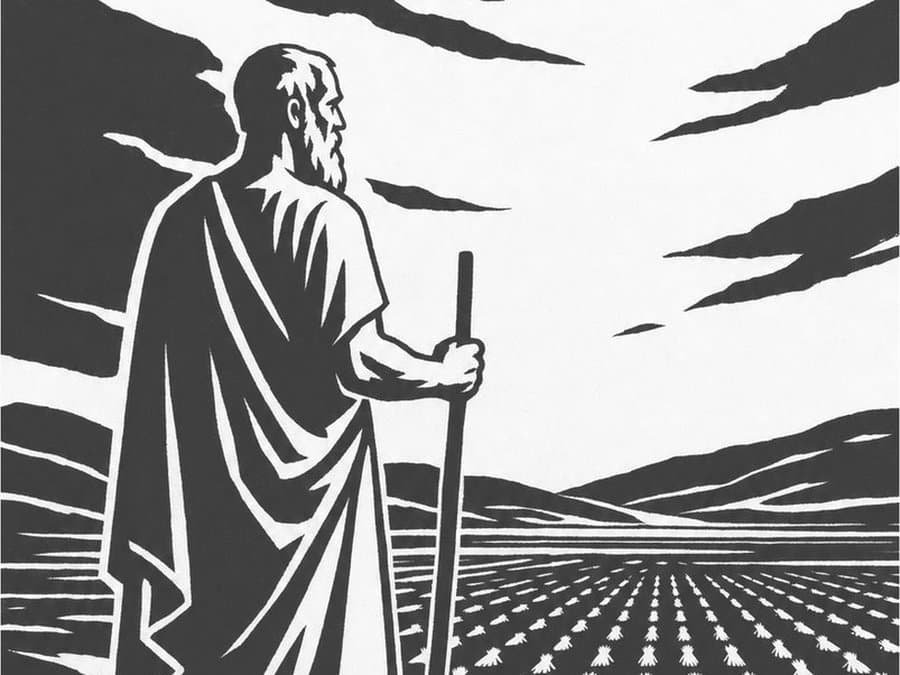
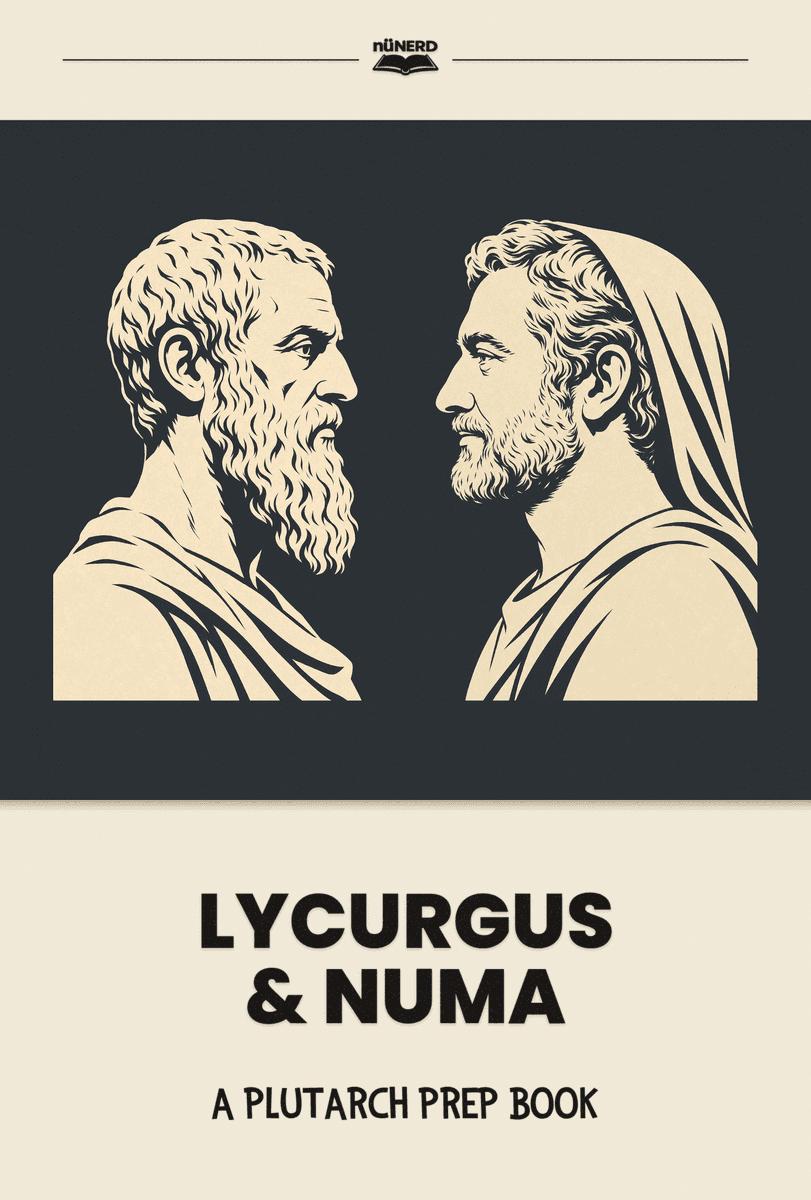
Prep book, ages 10–14
Why did Plutarch pair them?
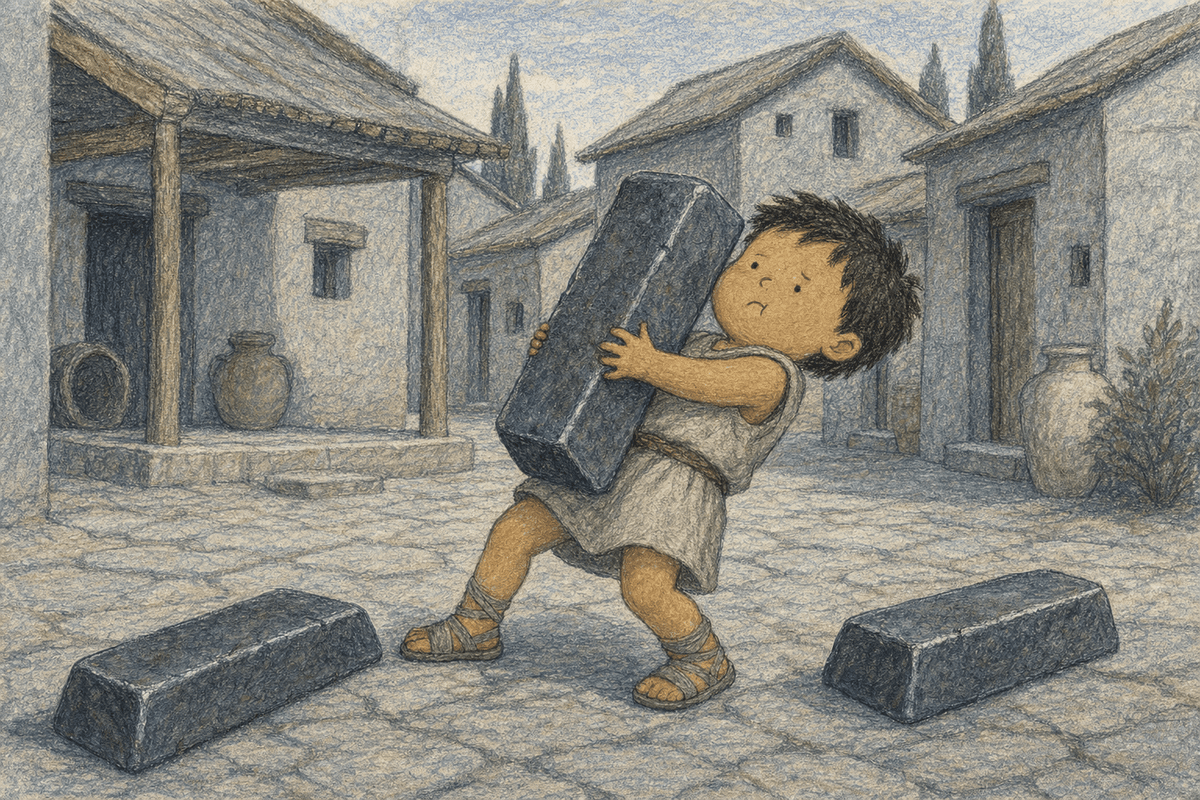
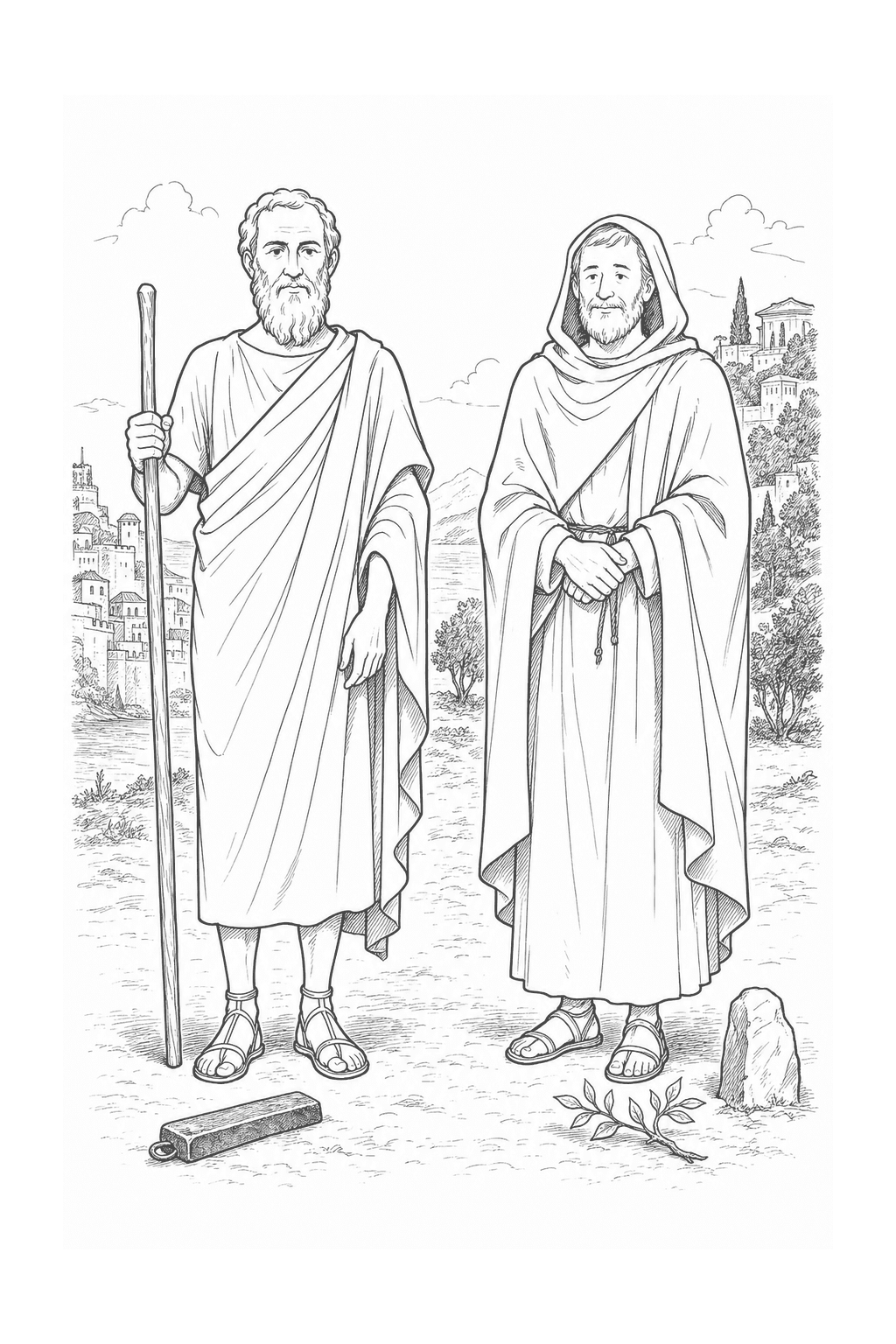
Because their answers to the same problem were exact opposites. Lycurgus built a city on equality and discipline: no one rich, no one poor, money made of iron bars too heavy to hoard, every child raised the same way. Numa built a city on freedom and gentleness: every family living its own way, festivals instead of drills, peace instead of war. Equality against freedom, discipline against gentleness, the pair is a debate, not a lesson.
What is the impossible question?
It is the one hiding under both lives: what is a city even for? Is it better for everyone to live one way together, or for each family to find its own? Plutarch does not force an answer. His surviving comparison of the two men divides the honors between them, and that is the point. A child who meets that argument early is handed a tool for thinking, not a moral to memorize.
How is it told for each age?
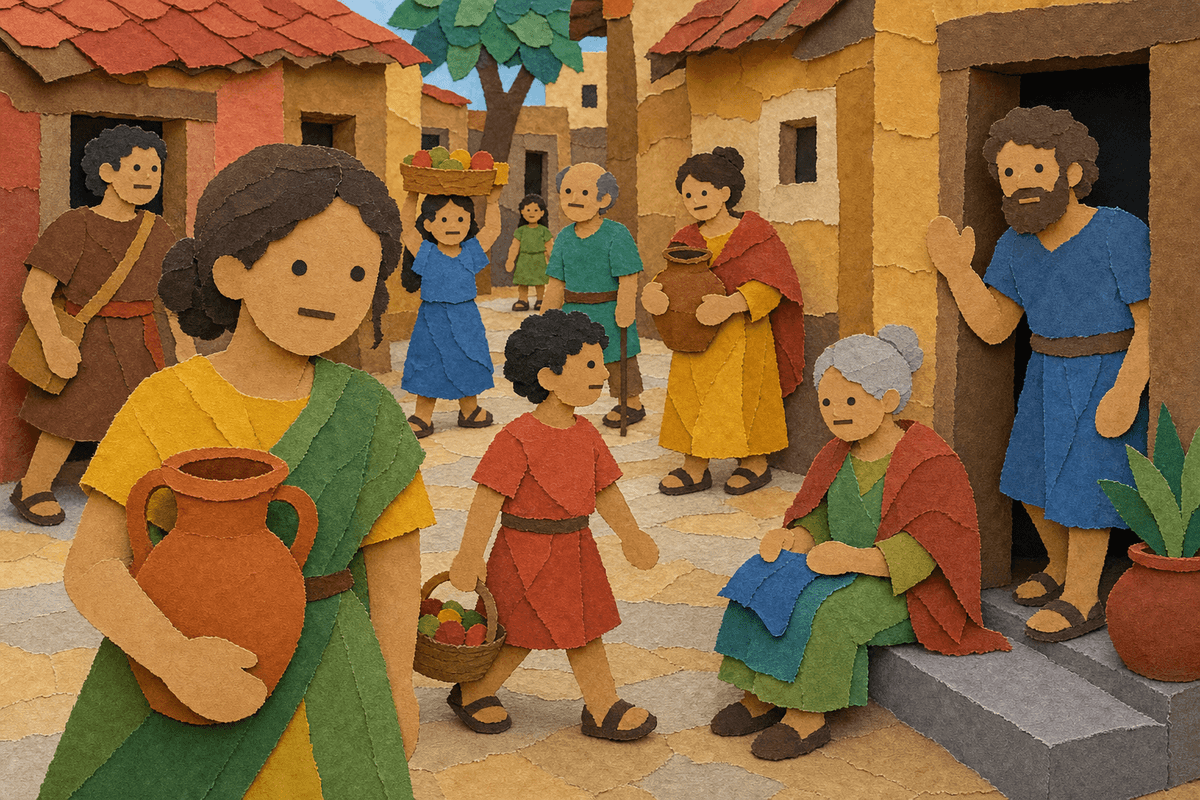
The toddler book (ages 0–4) makes it pure pattern: Spartan children who all run and fall the same way, Roman children who each play their own way. The picture book (ages 3–7) sets the two cities side by side, a Sparta where no one is rich or poor and a Rome where no two homes are alike. The chapter book (ages 6–10) tells both lives in full, costs included, and closes with Plutarch's comparison in plain language. The prep book (ages 10–14) goes straight to the argument and faces the hardest evidence squarely, including the enslaved Helots on whose forced labor Spartan courage stood, before handing the reader Plutarch's verdict to argue with.
Every topic, its own book at each reading level
History, philosophy, and classic literature for kids ages 0–14.
Where should we start, and can we read the originals?
Any level works on its own, and a household with kids of different ages can read them together. If you want the source, the full Lives of Lycurgus and Numa, plus their surviving comparison, are free to read and to hear, every link is on our Plutarch resources page.
Like the Plutarch pairs, our classic-literature books give each reading level its own book: Don Quixote and Beowulf each come as a toddler book, a picture book and a chapter book.
The books
Lycurgus & Numa on Amazon
Frequently asked questions
Who were Lycurgus and Numa?
Lycurgus was the lawgiver of Sparta, whose reforms the Spartans kept for about five hundred years. Numa was Rome's second king, remembered as the founder of its religion and calendar, who ruled forty-three years without a war. Plutarch paired their biographies in his Parallel Lives.
Why did Plutarch compare Lycurgus and Numa?
Because they solved the same problem in opposite ways: Lycurgus built Sparta on equality and discipline, Numa built Rome on freedom and gentleness. Setting them side by side turns the pair into a debate about what makes a good city, and Plutarch's own comparison divides the honors between them.
What age is Lycurgus & Numa for?
Ages 0–14, as four separate books: a toddler book (0–4), a picture book (3–7), a chapter book (6–10), and a prep book (10–14). Each is built for its reading level rather than one text leveled up and down.
How does the book handle Sparta's harsh side?
Honestly and at each age's level. The younger books hold back the costs; the chapter and prep books include them, and the prep book faces the darkest evidence squarely, including the enslaved Helots whose forced labor Spartan society depended on.