August 13, 2026
Why Plutarch Paired Demosthenes with Cicero
Plutarch paired Demosthenes with Cicero because they are almost the same life told twice, once in Greek and once in Latin. Demosthenes trained away a weak, stammering delivery until he was the greatest orator in Greece. Cicero, a provincial newcomer mocked for a family name that means chickpea, argued and spoke his way to the very top of Rome. Each then spent his best years warning a free city about one dangerous man, each lost that fight, and each died for what he had said. Plutarch set them side by side because their lives rhyme almost too well.
What did the two men have in common?
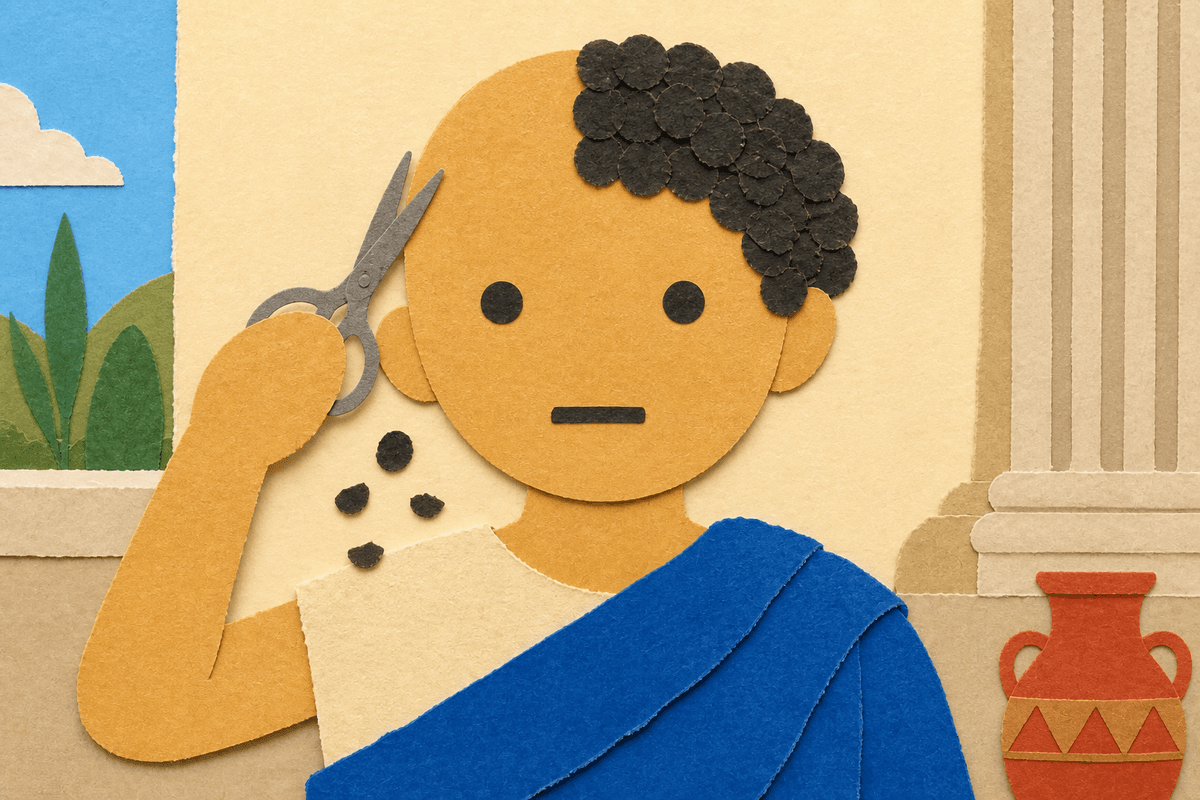
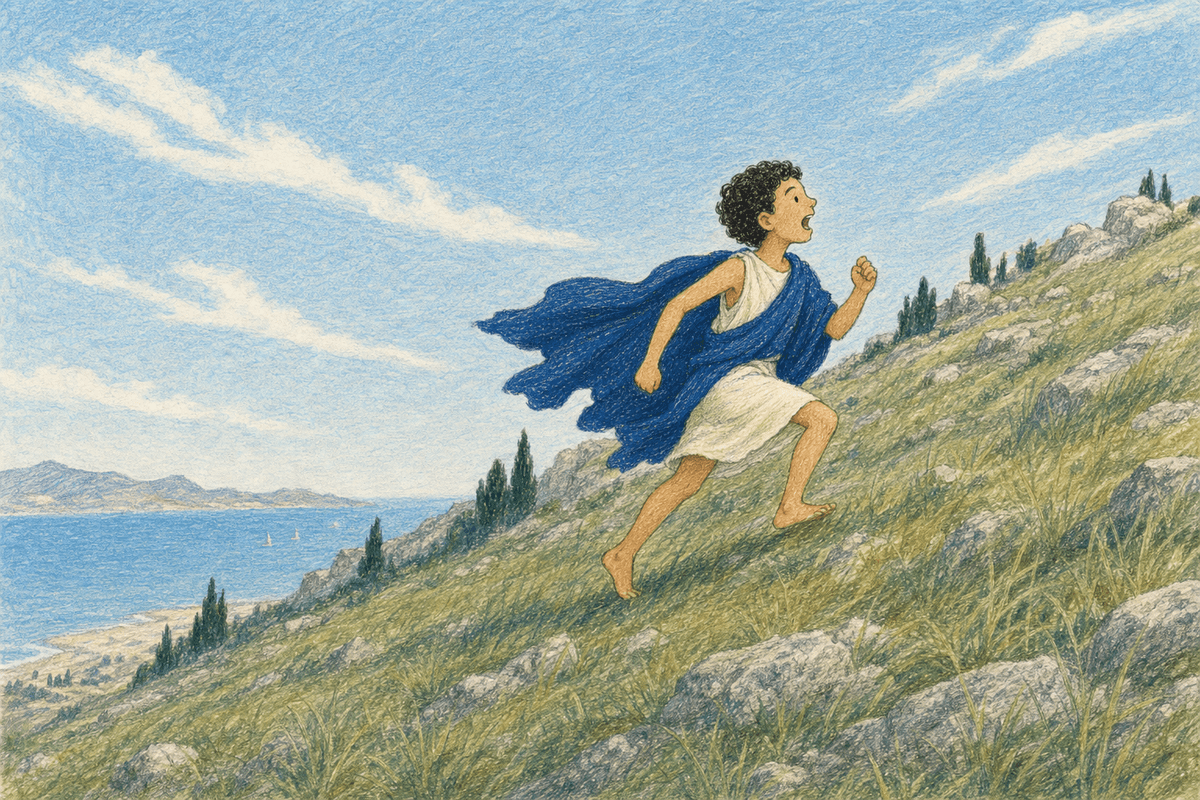
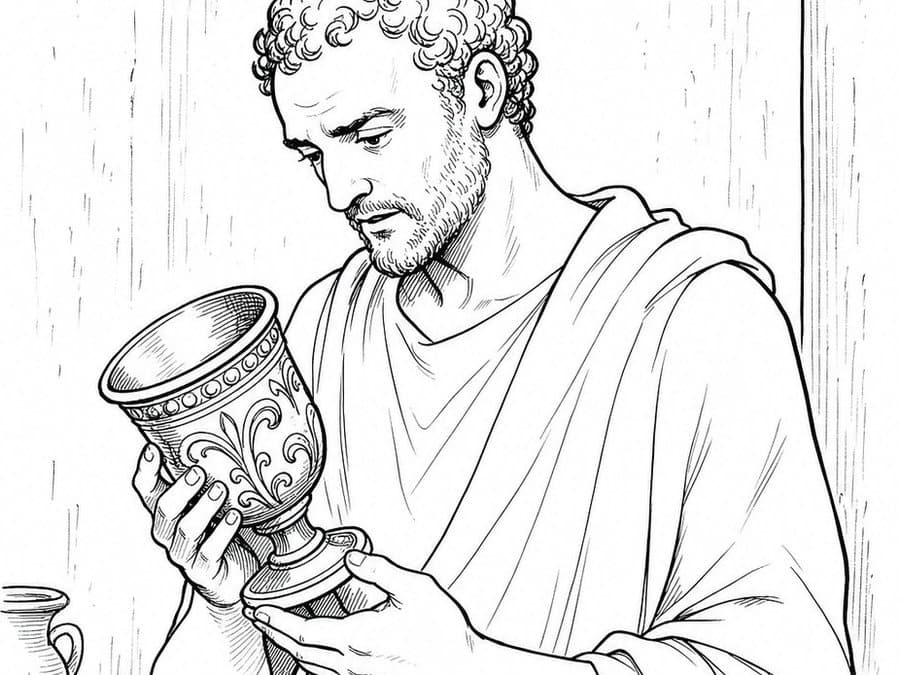
A voice built from nothing, and the nerve to spend it. Demosthenes could barely be heard, so he filled his mouth with pebbles and shouted over the crashing sea, and shaved off half his own head so he would be too embarrassed to go outside and stop practicing. Cicero turned a mocking nickname into a boast, carving a chickpea onto a silver dish and daring Rome to remember it. Plutarch collects exactly these small, stubborn moments, because they show the engine running under the famous speeches.
Every topic, its own book at each reading level
History, philosophy, and classic literature for kids ages 0–14.
How were they different?
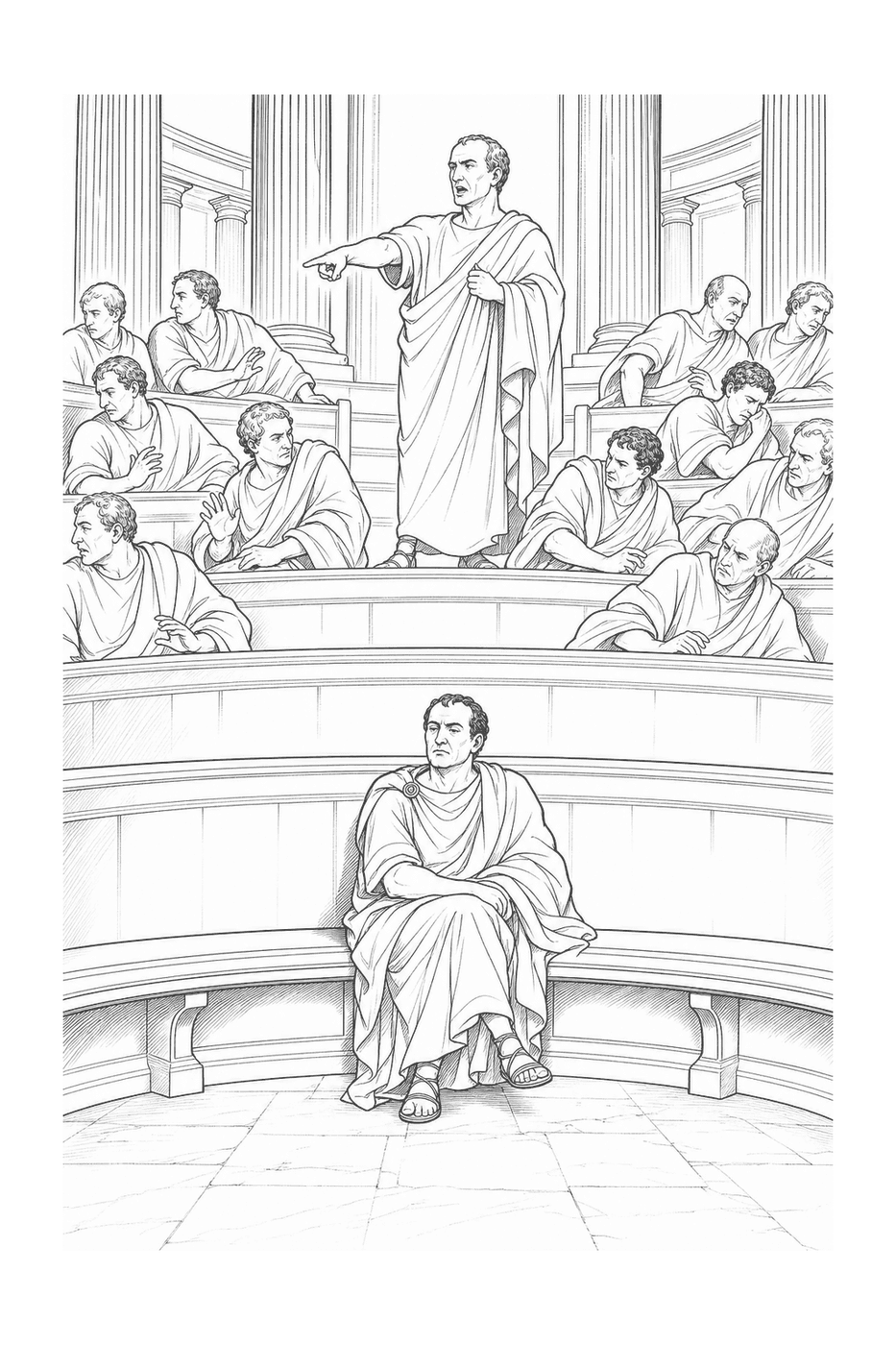
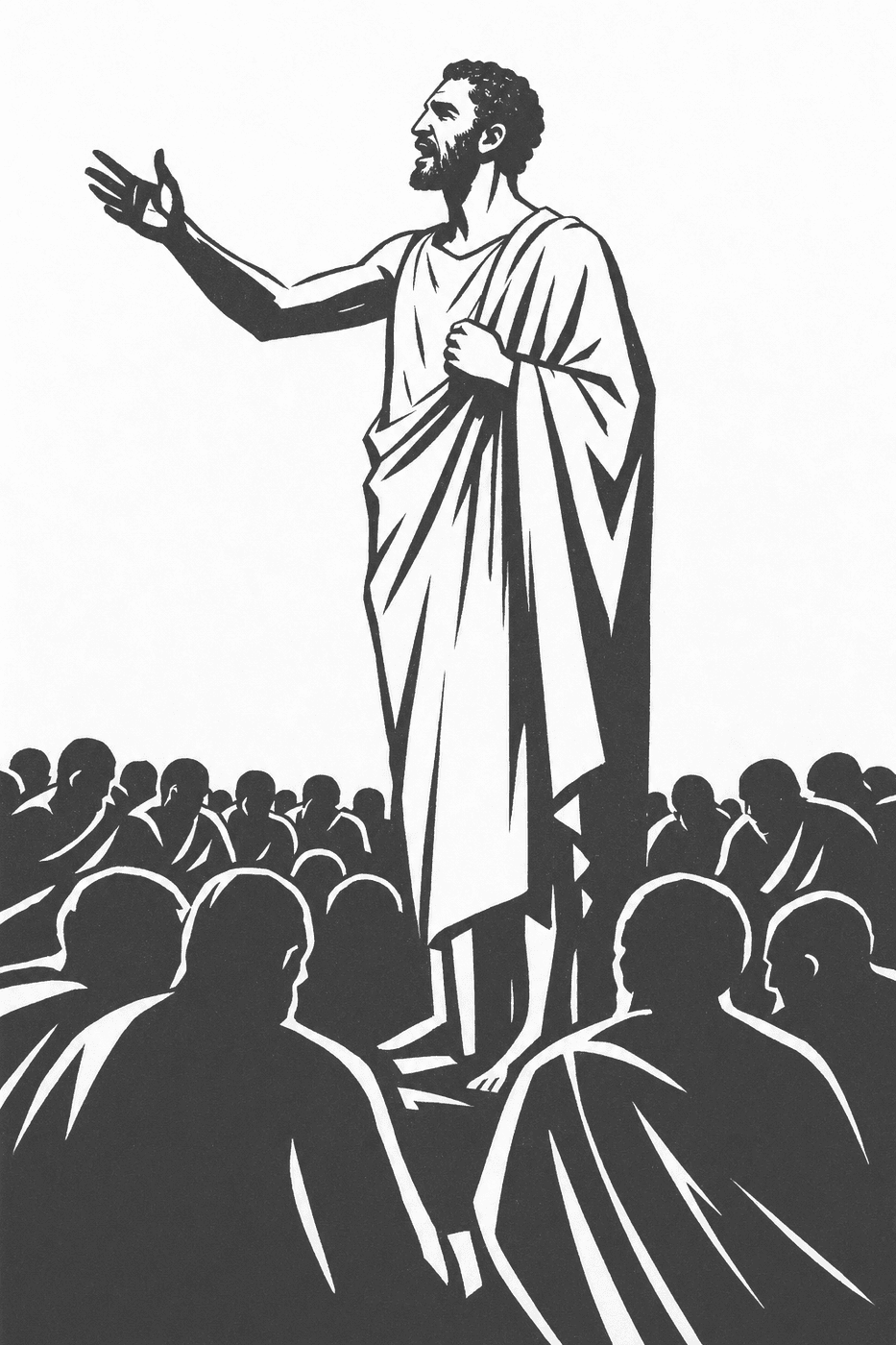
Where they aimed the same courage. Demosthenes spent years warning Athens about Philip of Macedon and rallied the city to fight for its freedom. Cicero exposed Catiline's plot in four speeches to the Senate and the people of Rome, and later turned his voice on Mark Antony. One question runs under the whole pair: is a warning worth more when it saves the city overnight, or when it is right for decades and loses anyway?
From the books
Toddler book, ages 0–4
Picture book, ages 3–7
Chapter book, ages 6–10
Prep book, ages 10–14
Plutarch's verdict, for older readers to argue with
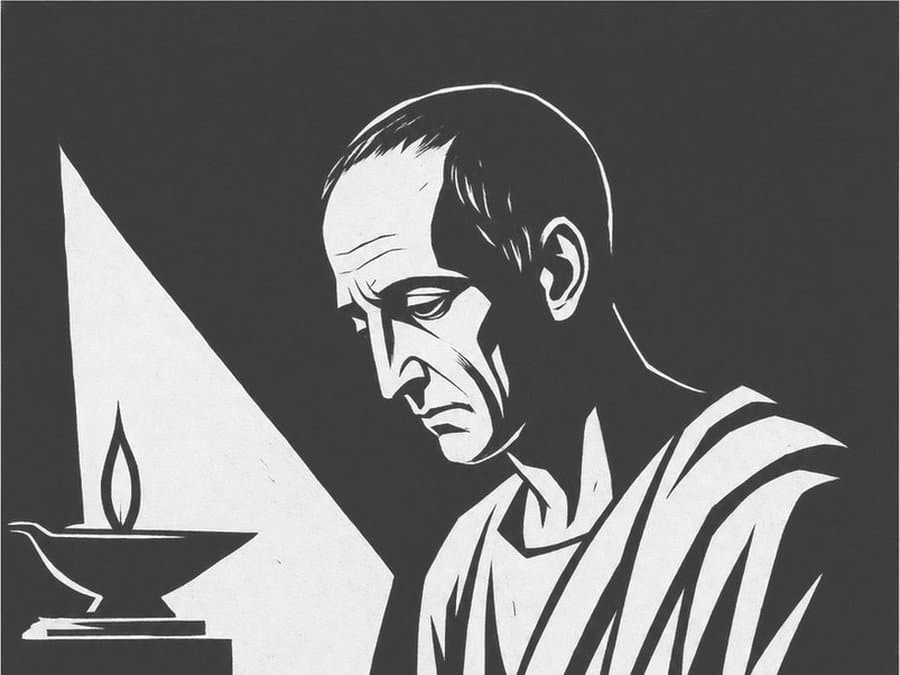
Plutarch closed the pair with a synkrisis, a short chapter weighing the two men against each other, and it comes down to us along with the two Lives. He grants each man his gifts and names each man's failures, including the charge he opens the whole comparison with: that neither showed much nerve when the real fighting came. He crowns no simple winner. So an older reader can reach a verdict of their own on the two lives, then open Plutarch's own comparison and argue with the master exactly where they think his judgment falls short.
Meeting them with your kids
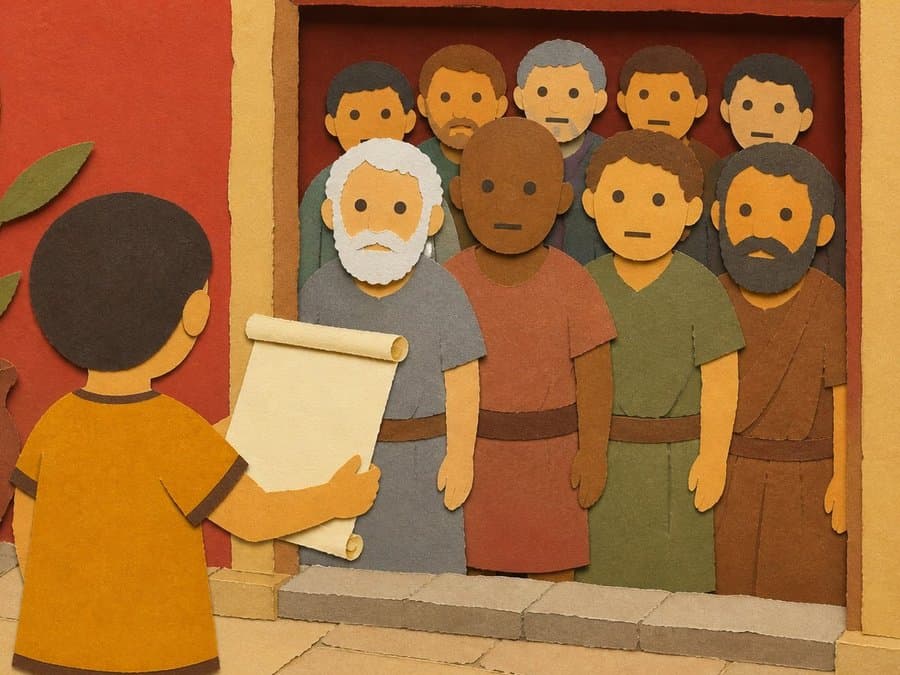
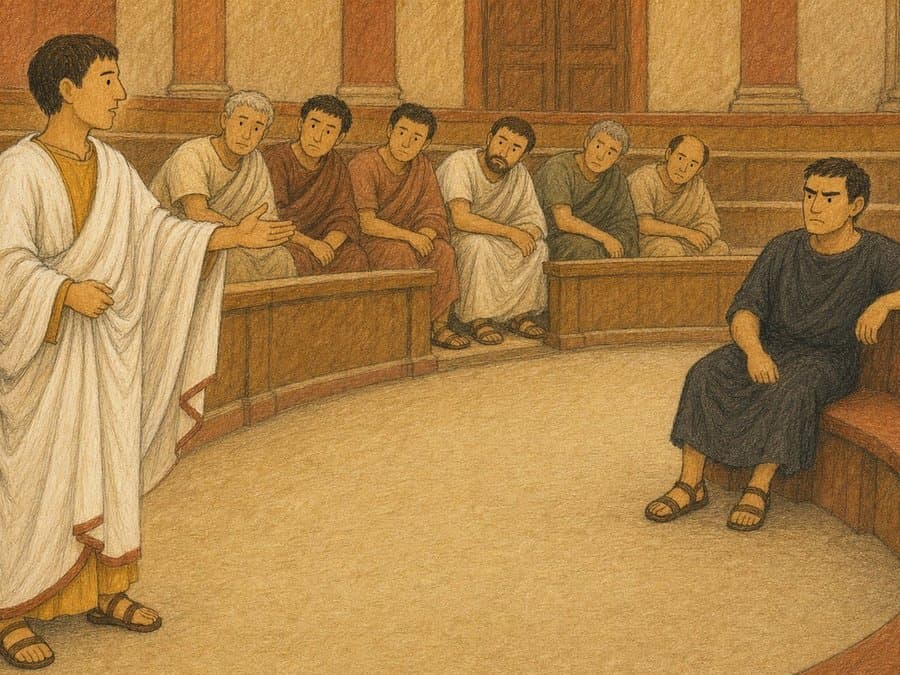
Demosthenes & Cicero is a nüNERD Plutarch pair, built at four reading levels, ages 0 to 14. The toddler and picture books plant the unforgettable scenes: Demosthenes out-shouting the waves, Cicero holding a doorway full of grown-ups. The chapter book tells both lives in full, the falls included, and weighs them the way Plutarch did. And the prep book hands an older reader Plutarch's own method, and his own verdict, and asks them to reach theirs.
For Plutarch's own text, free translations and audiobooks are collected on our Plutarch resources page.
Like the Plutarch pairs, our classic-literature books give each reading level its own book: Don Quixote and Beowulf each come as a toddler book, a picture book and a chapter book.
The books
Demosthenes & Cicero on Amazon
Frequently asked questions
Why did Plutarch compare Demosthenes and Cicero?
Both became the greatest orator of their language, and both used words to defend a free city against one dangerous man, which makes them his sharpest study of the public voice.
Did Demosthenes and Cicero ever meet?
No. Cicero was born more than two centuries after Demosthenes died, but Cicero studied him closely, and even named his own speeches against Mark Antony the Philippics, after Demosthenes' speeches against Philip of Macedon.
Does Plutarch's comparison of Demosthenes and Cicero survive?
Yes. The two biographies and the short closing comparison that weighs them both come down to us, and the prep book teaches a reader to weigh the pair and then set their own verdict beside Plutarch's.