Plutarch
Demosthenes & Cicero
Demosthenes and Cicero, the greatest orators of Greece and Rome, retold for kids at four reading levels from Plutarch’s Parallel Lives. Each was born far from power and built himself into the leading voice of his age by sheer work. Each spent years warning his city about one dangerous man, and each was hunted down and killed for what he said, while two thousand years later we are still reading their words. Plutarch set the two lives side by side to ask the question the pair was built to raise: what makes a voice worth listening to, and can words alone save a free city? These books hand a child that question one reading level at a time, and then hand them Plutarch’s own verdict to weigh.
Why we love it
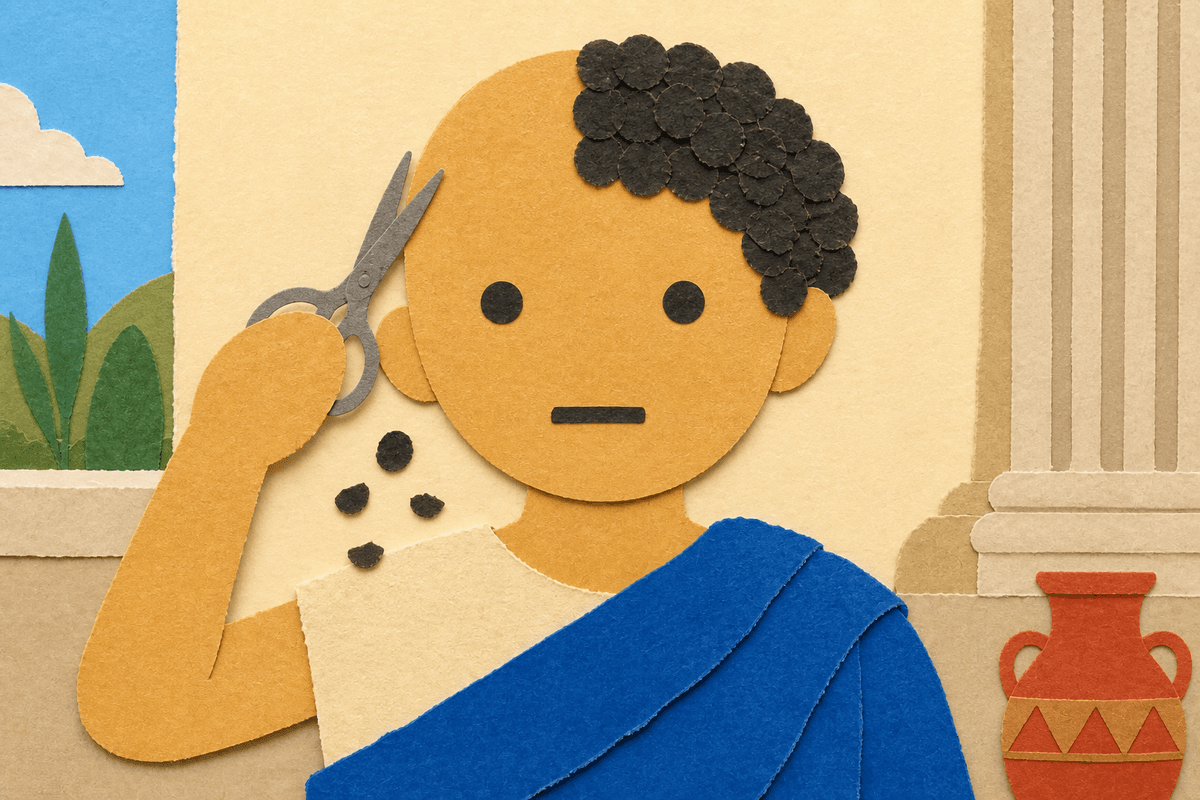
- Demosthenes could barely be heard, so he filled his mouth with pebbles and shouted over the crashing sea, then shaved off half his own head so he would be too embarrassed to leave the room and stop practicing.
- Cicero means chickpea. Told to drop the mocking name before he ran for office, he instead carved a chickpea onto a silver dish and dared Rome to remember it.
- Both men gave the world the same weapon-word: a philippic, a speech that names a tyrant to his face. Demosthenes aimed his at Philip of Macedon; three hundred years later Cicero aimed his at Mark Antony, and it cost him his life.
- The armies that beat them are long since dust, and we are still reading their speeches two thousand years later.
Why it matters
Demosthenes and Cicero belong in a child’s education because they are the two voices the whole Western idea of persuasion was built on. Each was the greatest orator his language ever produced, and neither was born to it: Demosthenes trained a weak, stammering voice into the mightiest in Greece, and Cicero, a provincial newcomer mocked for a name that means chickpea, talked his way to the top of Rome. Plutarch paired them because their lives rhyme almost eerily, the same self-made rise, the same long warning against one dangerous man, the same fall, and, by Plutarch’s own account, the same courage that failed when the fighting came. Their fingerprints are still on ordinary life: the word philippic still means a speech that calls out a tyrant, and Cicero’s Latin set the model for how the language was taught for two thousand years. Both tried to save a free city with words instead of armies, and both were killed for it. Plutarch weighs the two and crowns no winner, so a child who meets them early is handed a tool for thinking, not a moral: how do we know what we know, and what is a voice really worth?

Ages 0–4 · Read TO
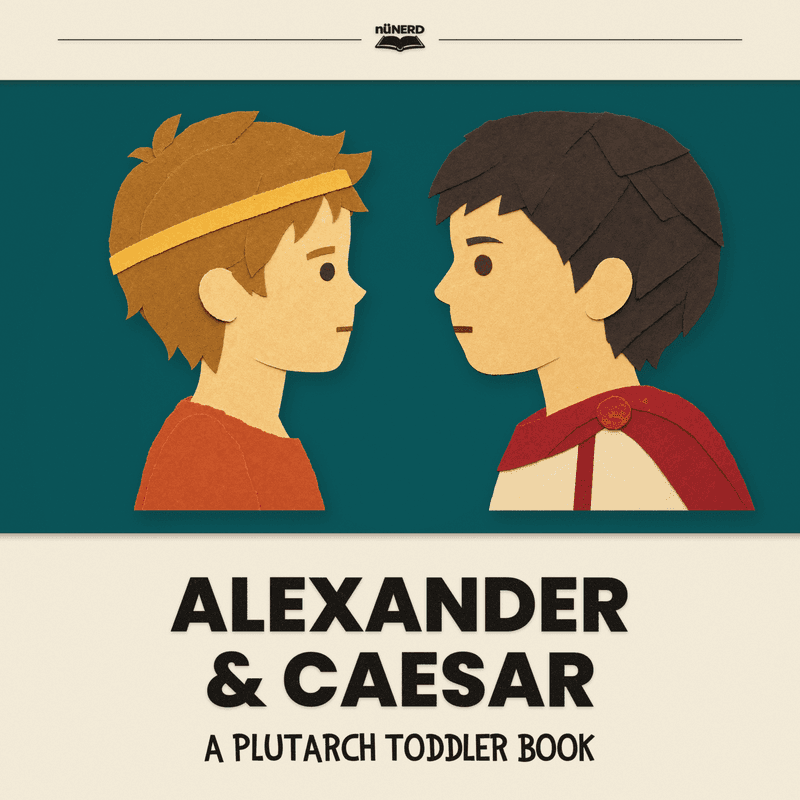
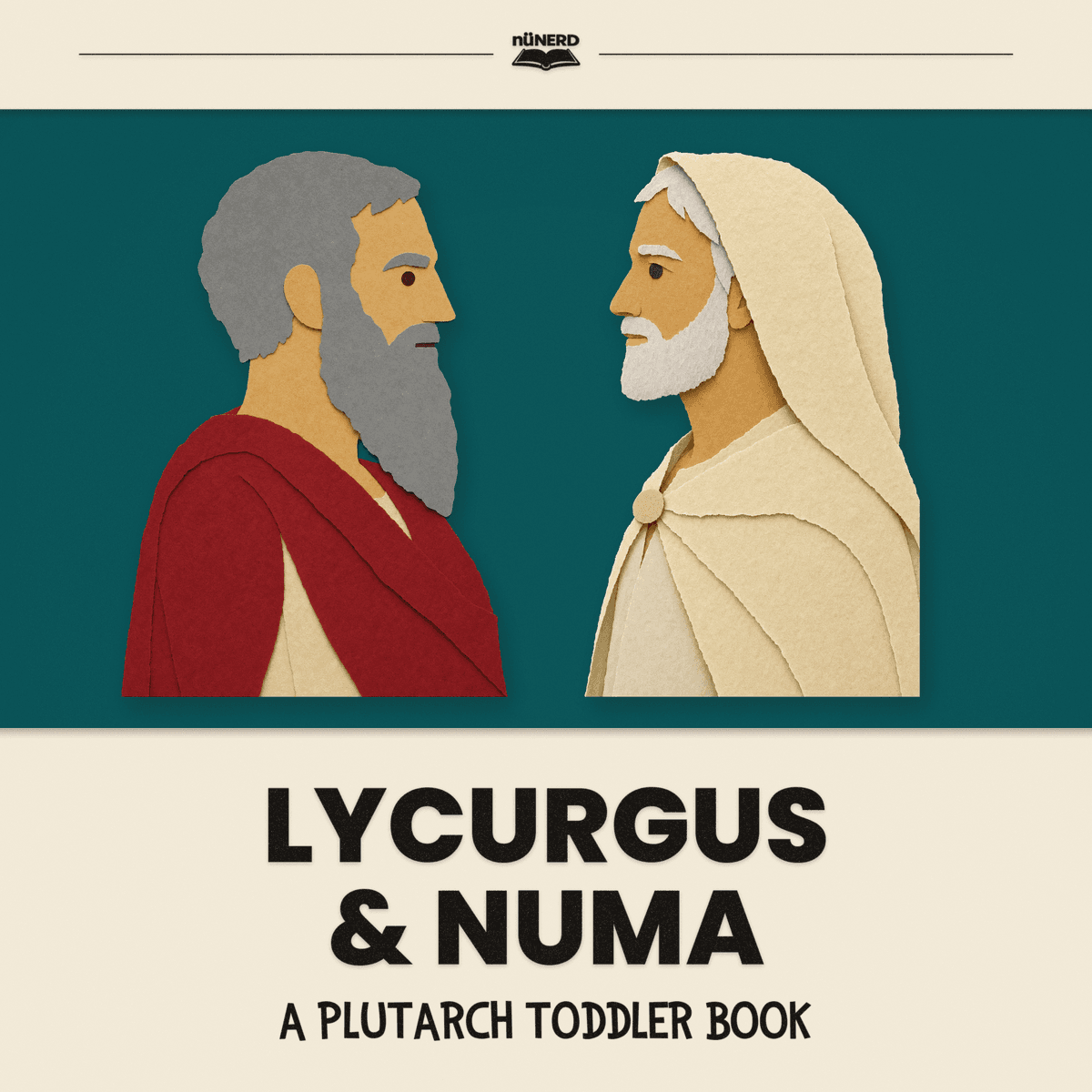
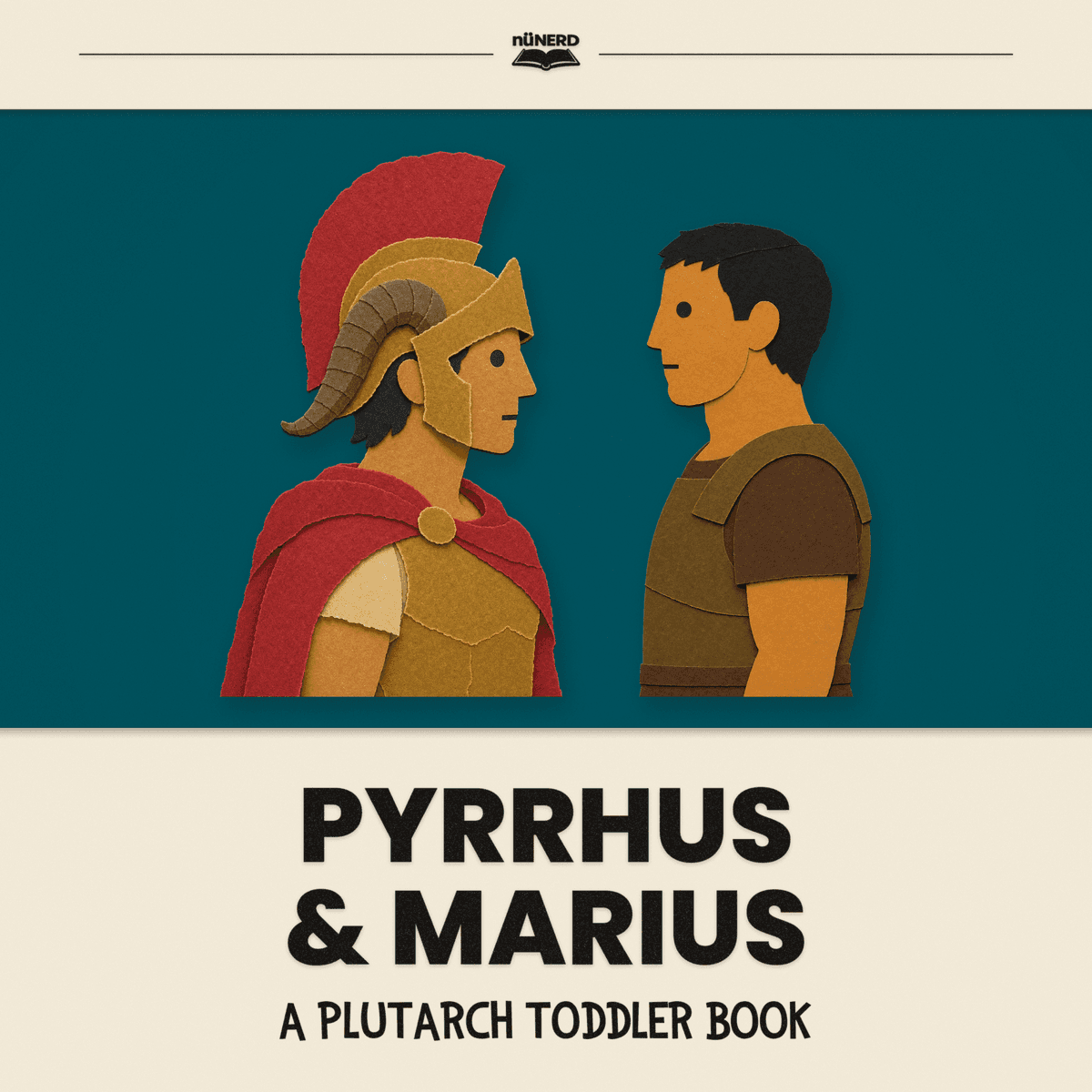
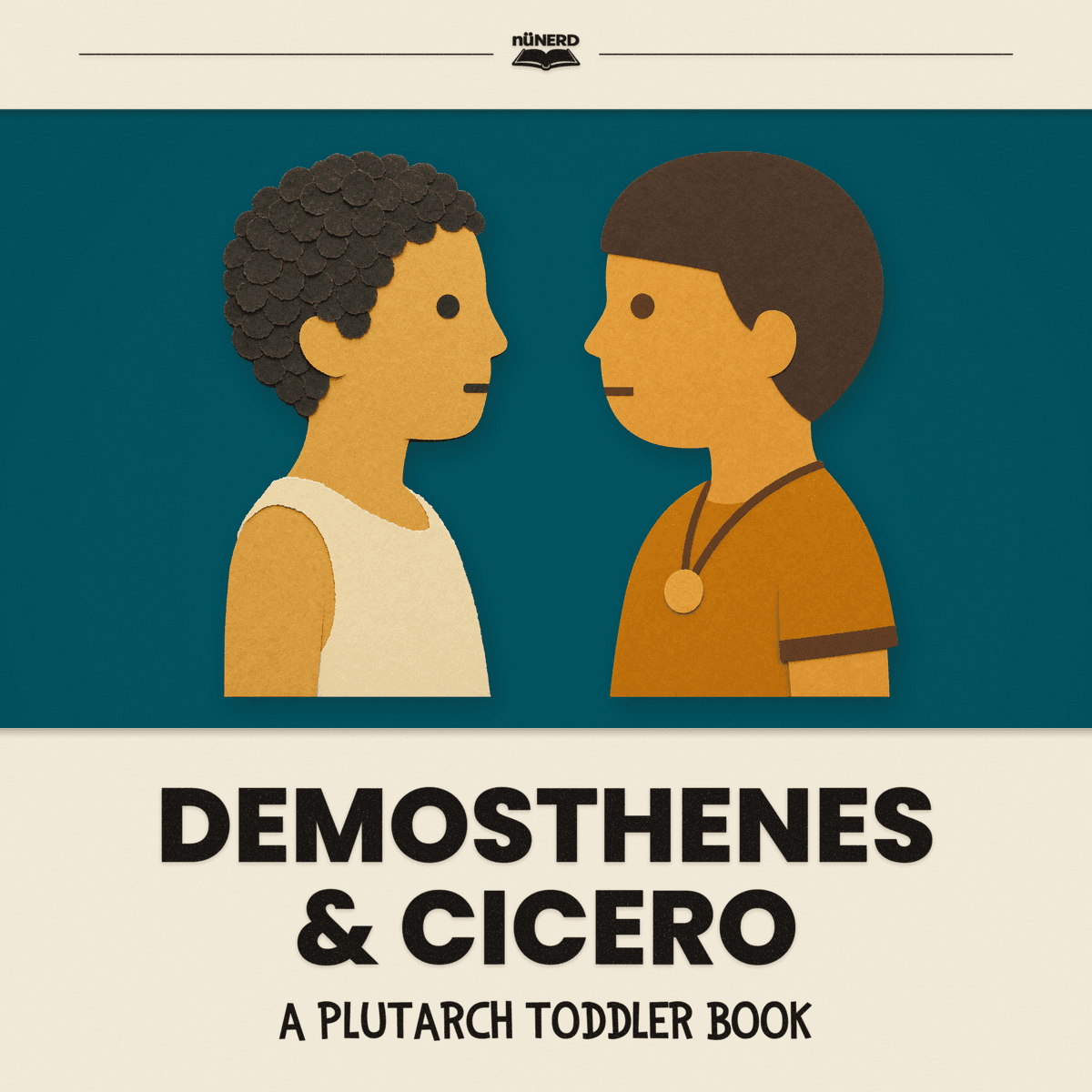
Demosthenes & Cicero: A Plutarch Toddler Book
Picture Book (8.5" × 8.5") · Full Color Cut-Paper Collage
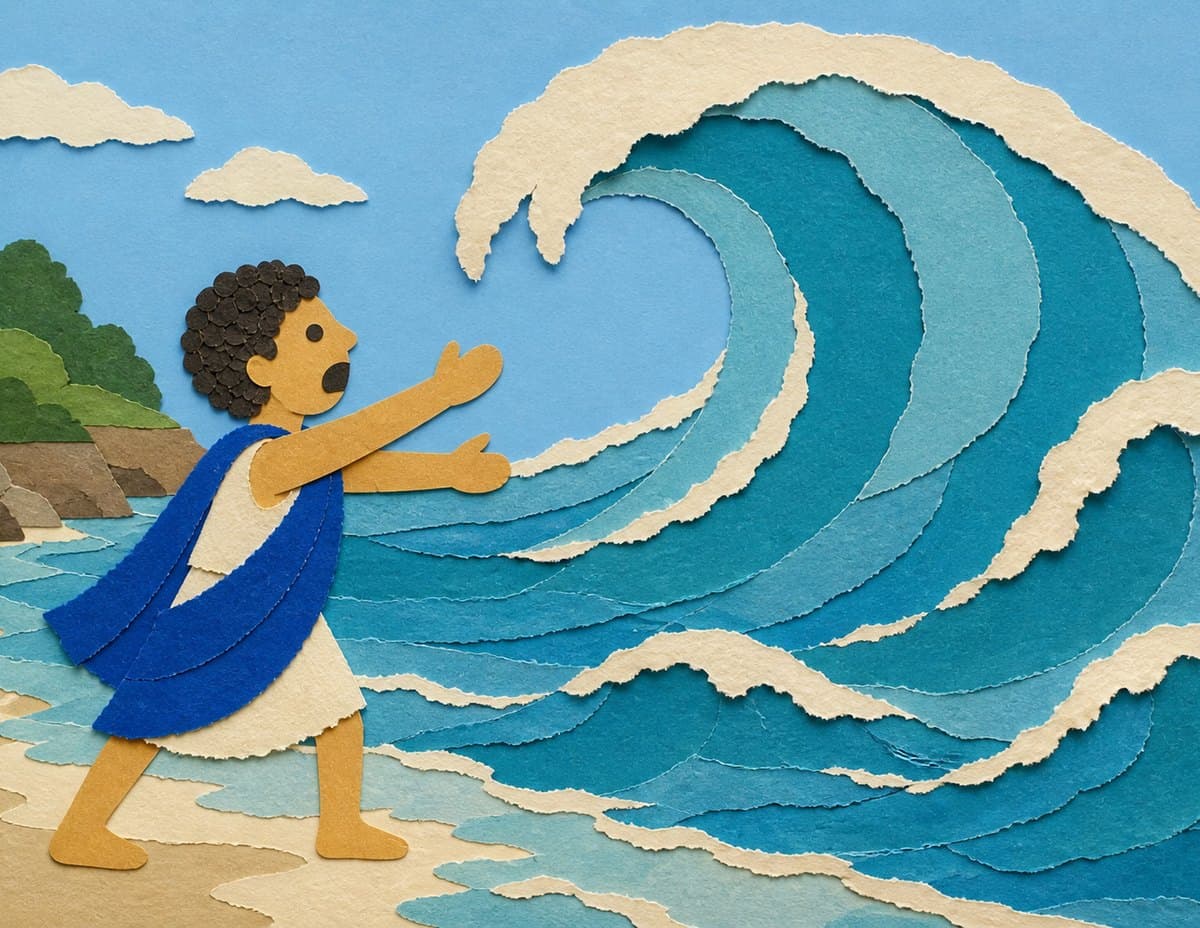
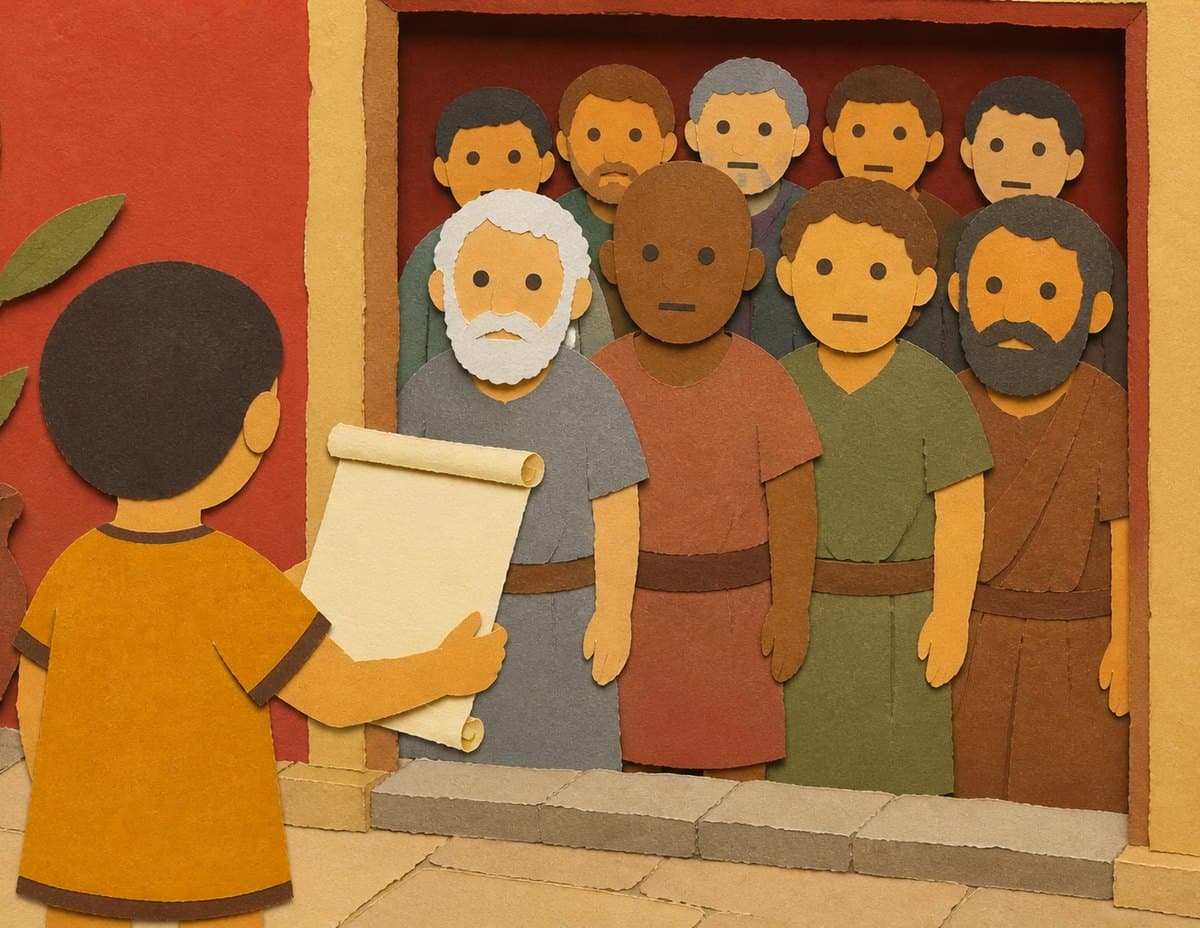
In Greece, a boy named Demosthenes has a voice so small and tangled that no one will listen, so he goes down to the shore and shouts back at the waves, day after day, until it grows strong. Far across the sea in Rome, a boy named Cicero loves words so much that grown men crowd the doorway just to watch him read. Two true stories, told as simply as a lap and a bedtime allow: one boy who never stops trying, and one who cannot get enough of words. A cut-paper collage picture on every page.
Buy on Amazon
Ages 3–7 · Read WITH
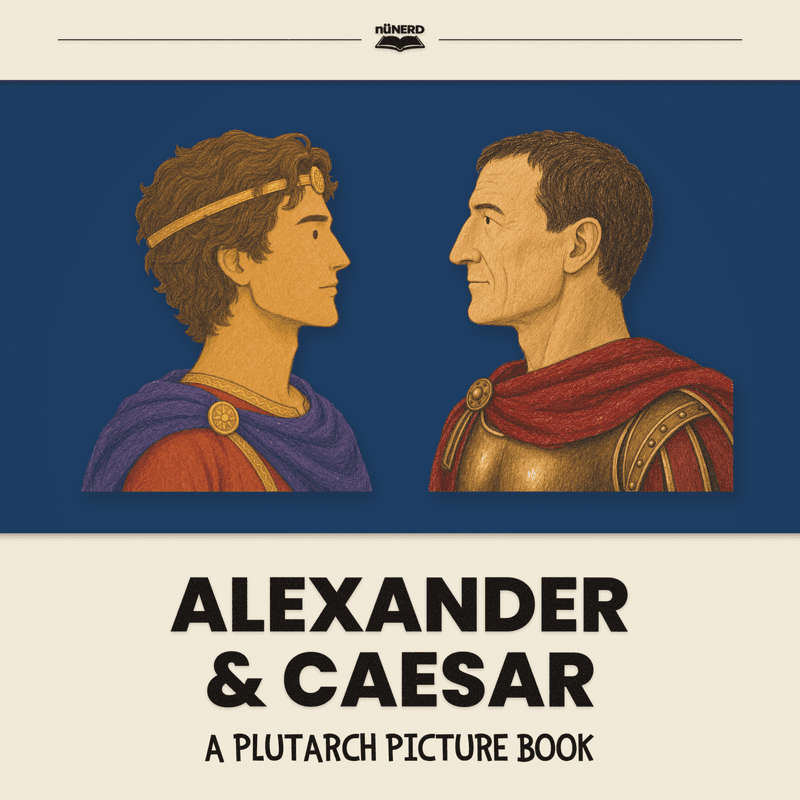
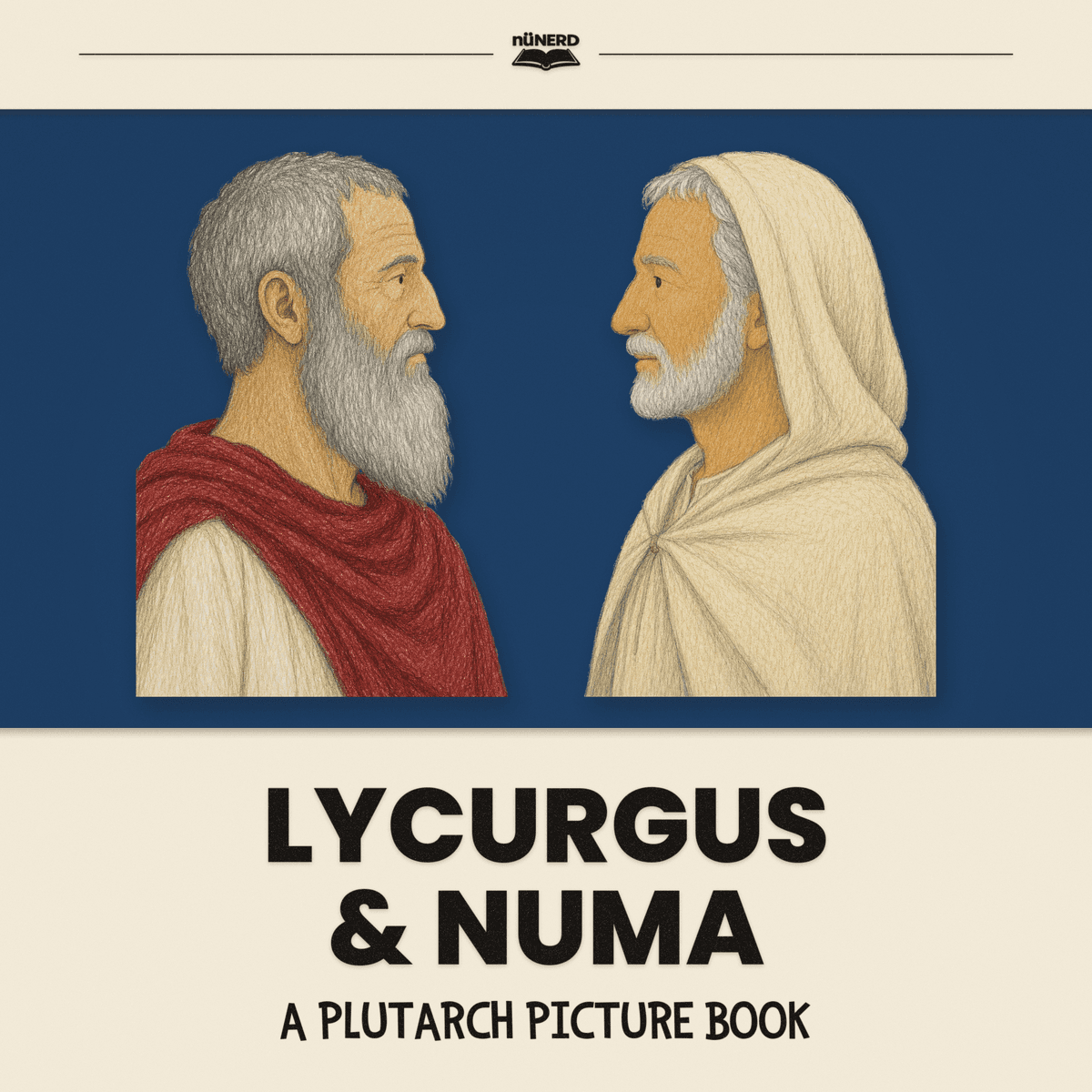
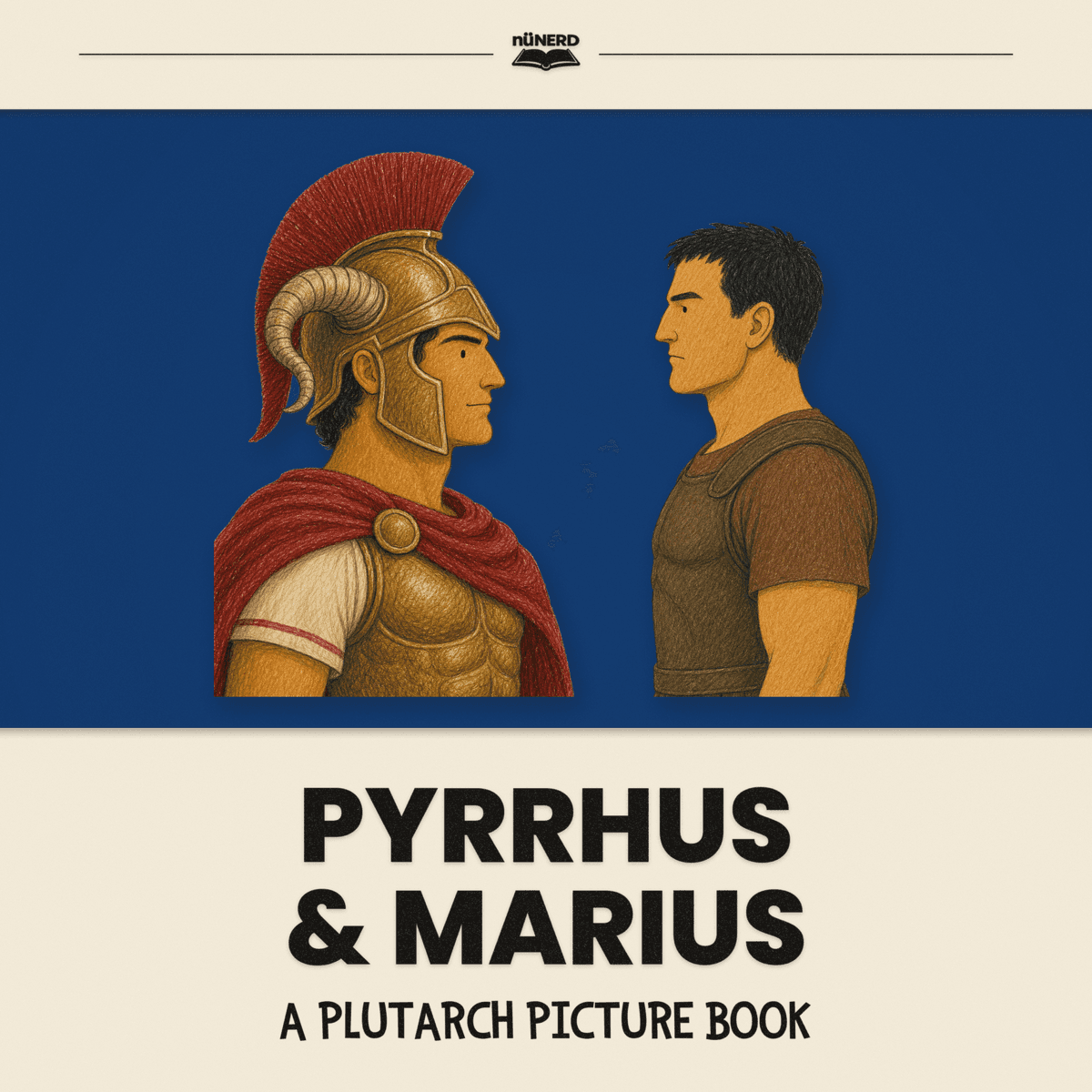
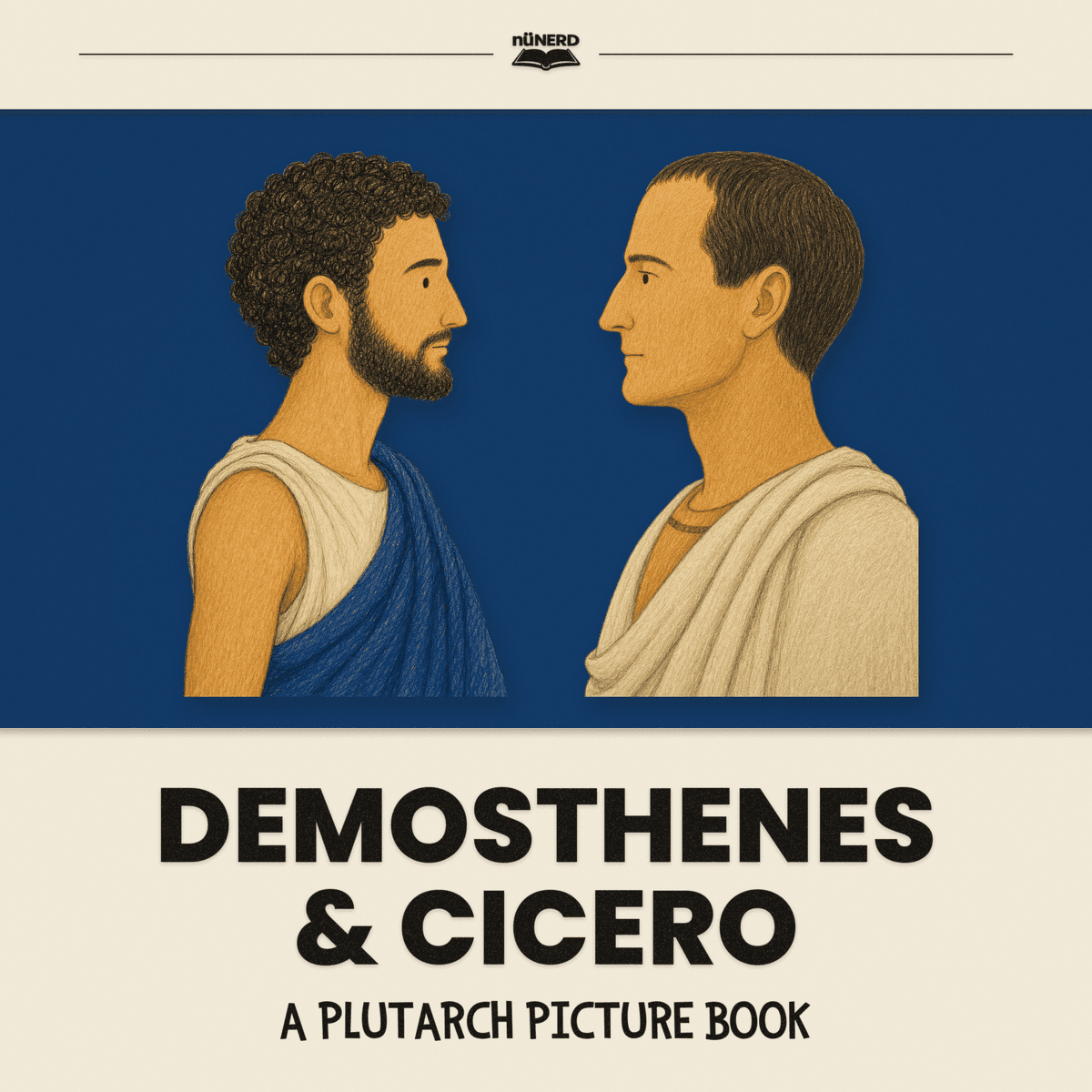
Demosthenes & Cicero: A Plutarch Picture Book
Picture Book (8.5" × 8.5") · Full Color Soft Crayon
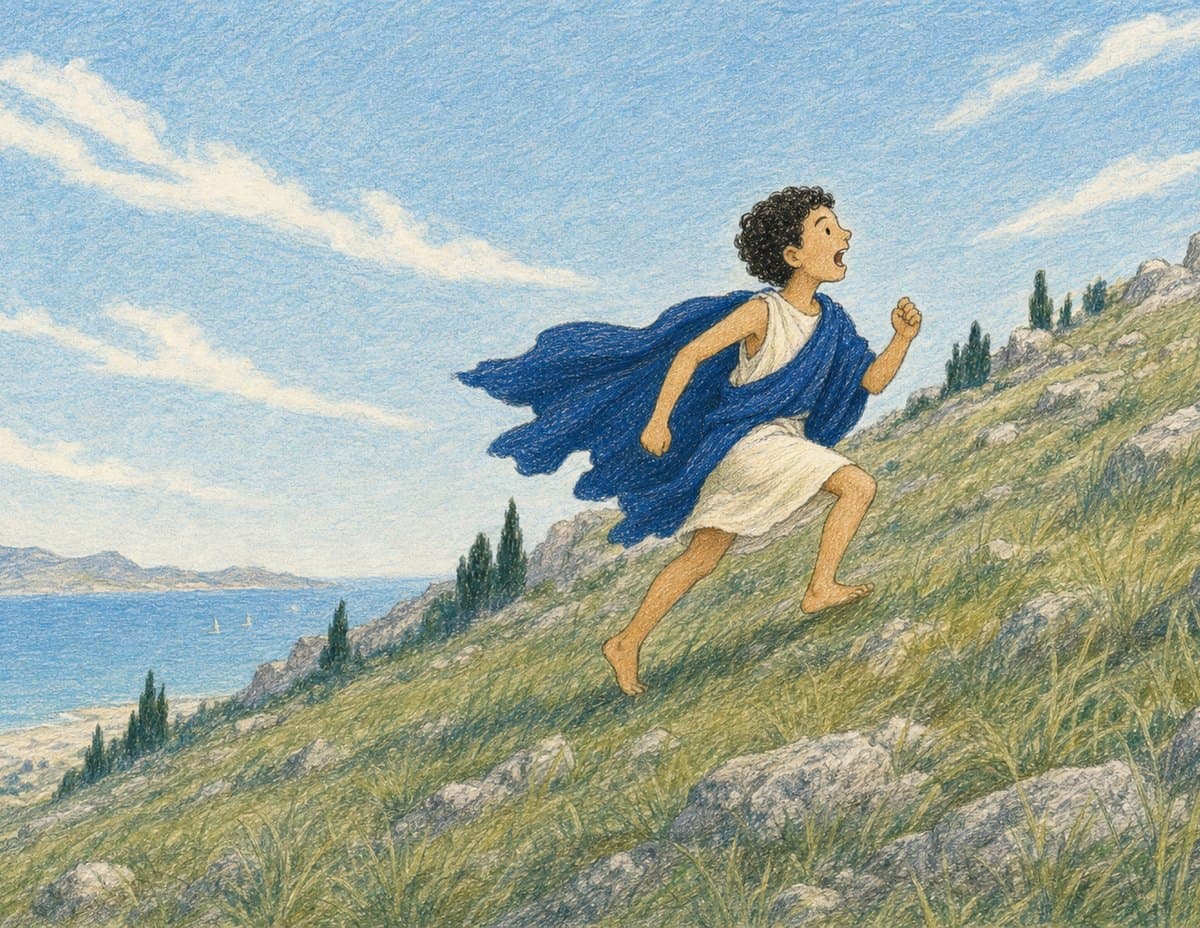
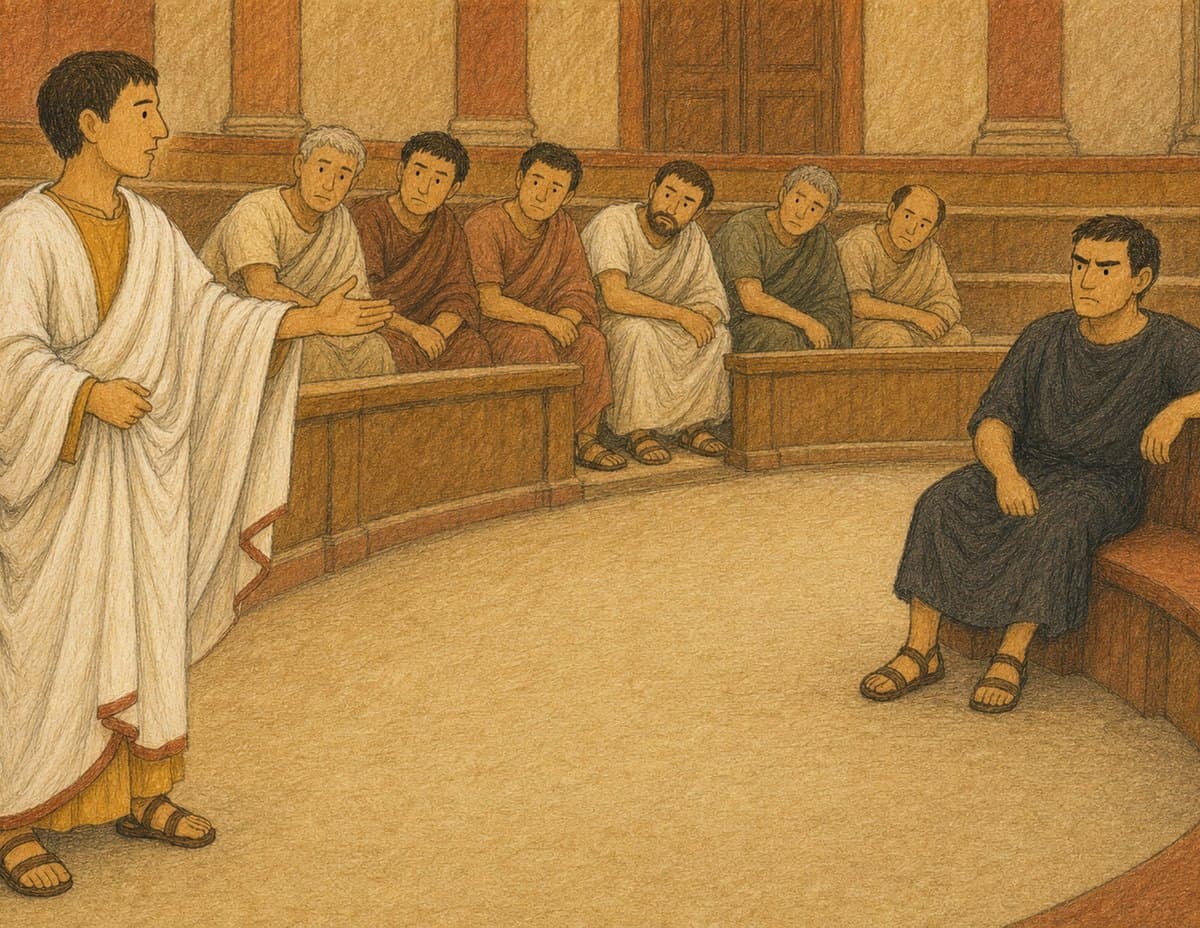
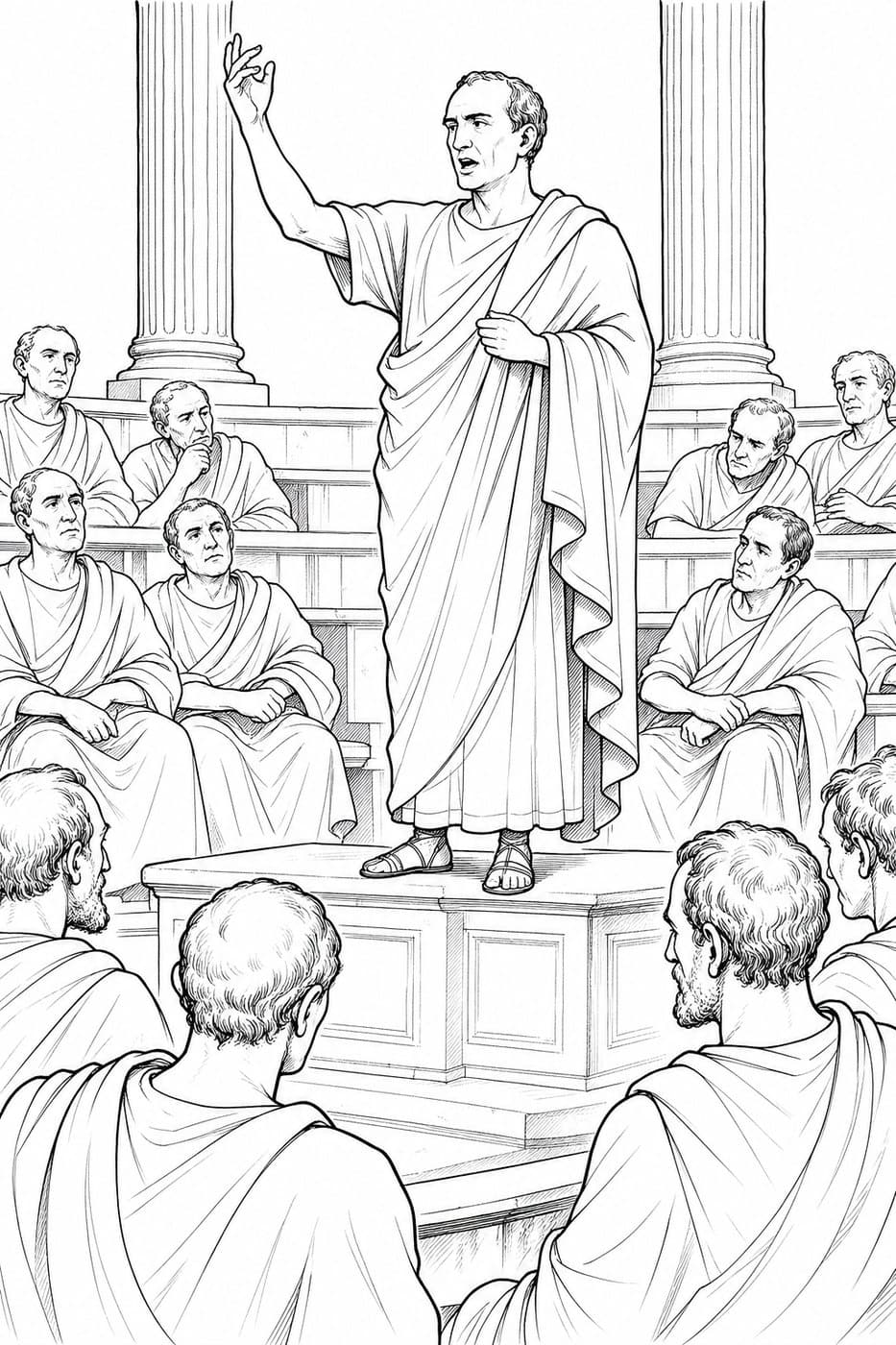
Two boys, in two cities across the sea, who each have a voice no one will listen to, and who each grow up to be the one voice his whole city listens to. Demosthenes trains his weak voice the way a runner trains his legs, shouting up hills until his breath grows strong. Cicero, teased for a name that means chickpea, decides to make it famous, and grows up to face down a plot to burn Rome, standing in a room full of senators and naming the dangerous man out loud. Underneath runs a question even a four-year-old can feel: what makes a voice worth listening to? Soft wax-crayon pictures on every page.
Buy on Amazon
Ages 6–10 · Early Independent
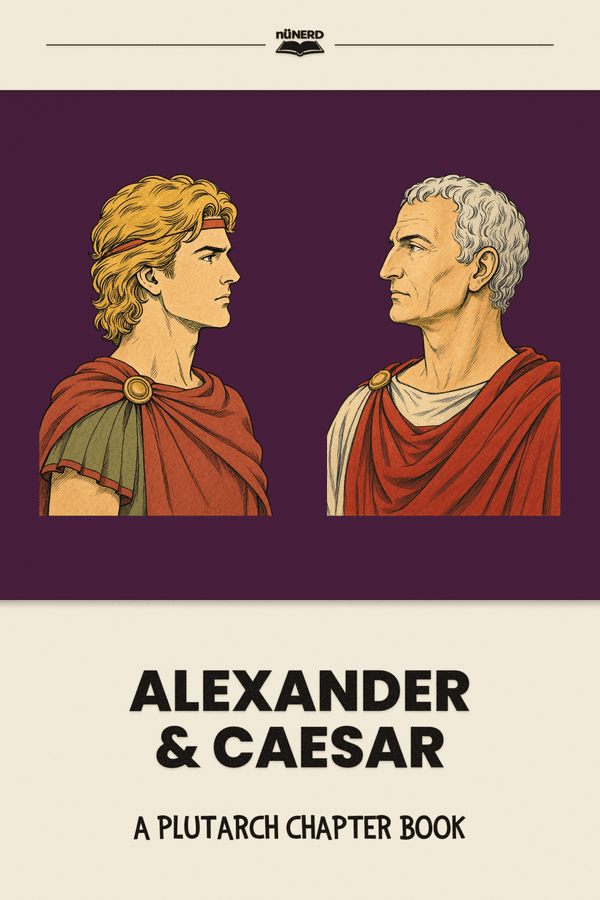
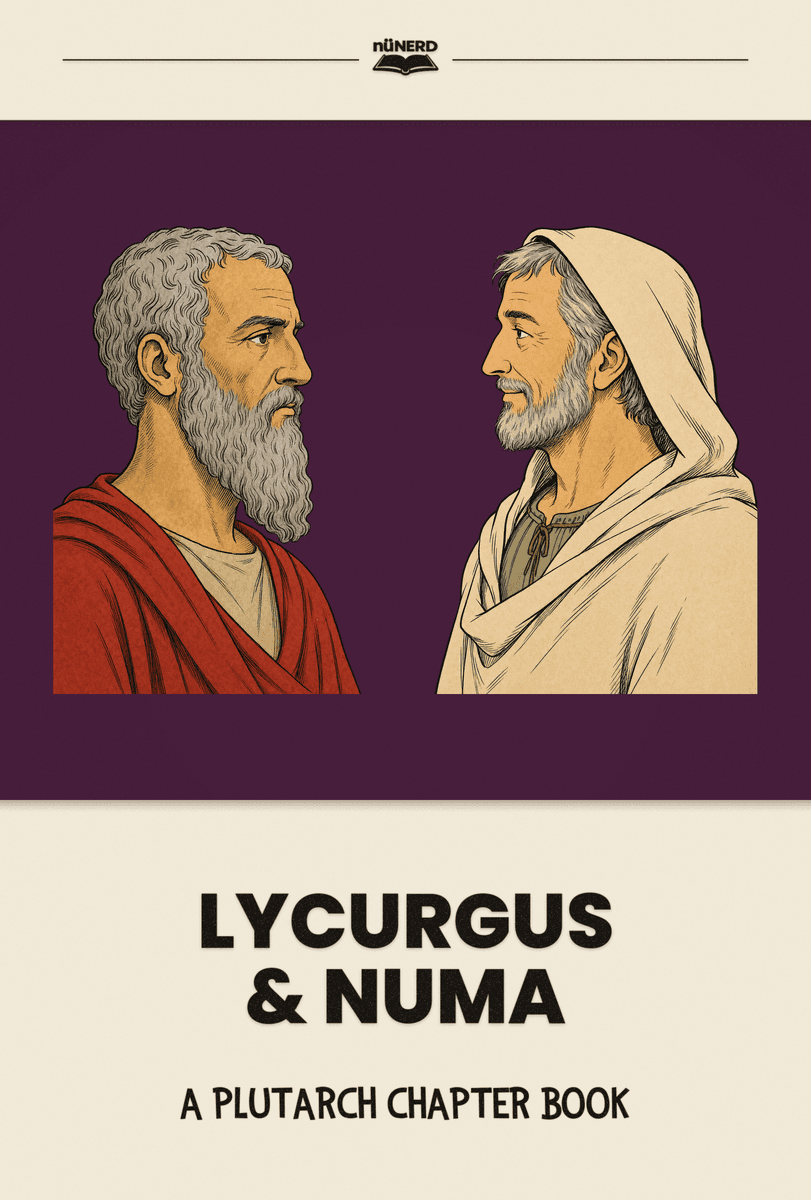
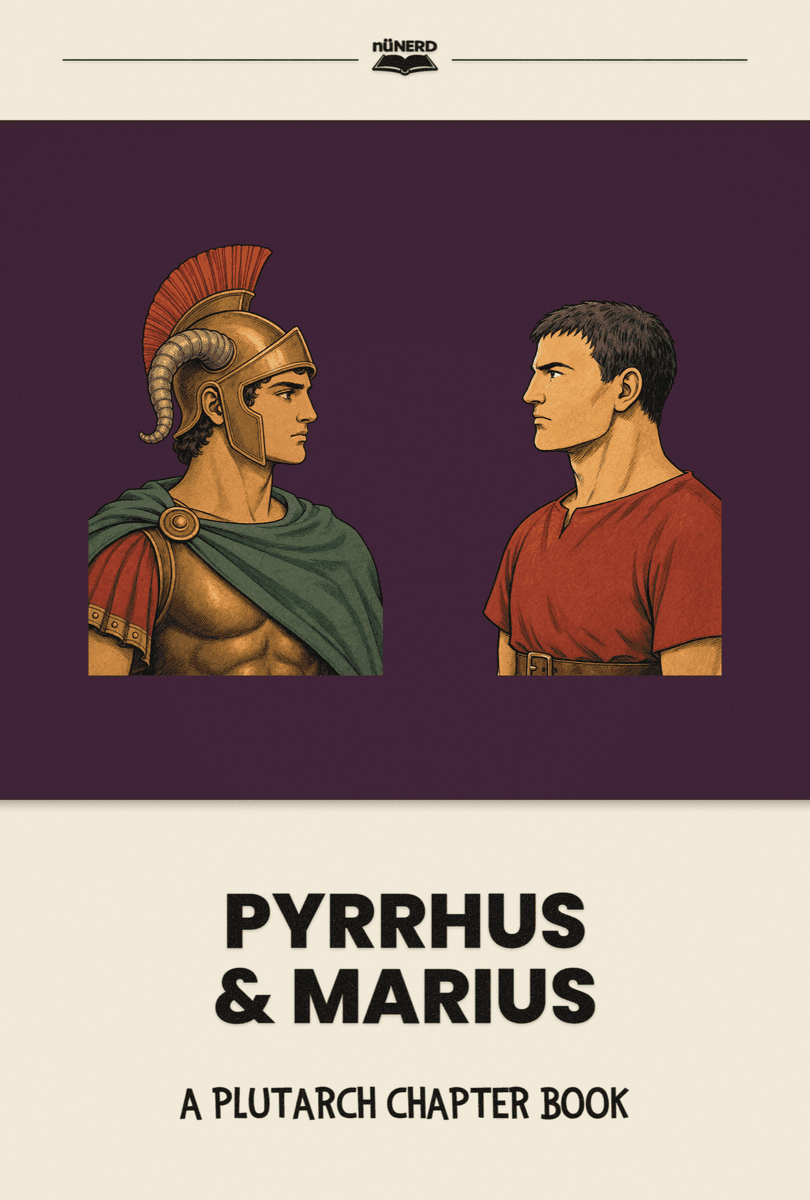
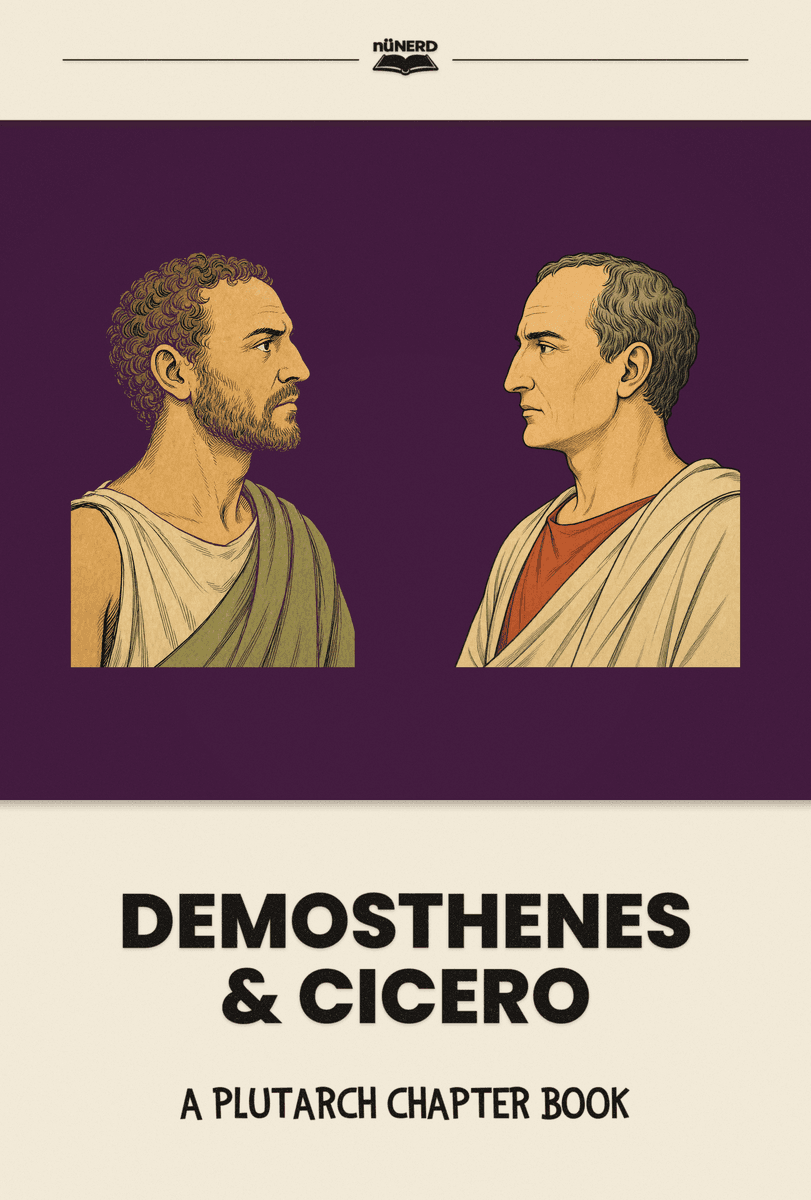
Demosthenes & Cicero: A Plutarch Chapter Book
Chapter Book (6" × 9") · Black & White Illustrations
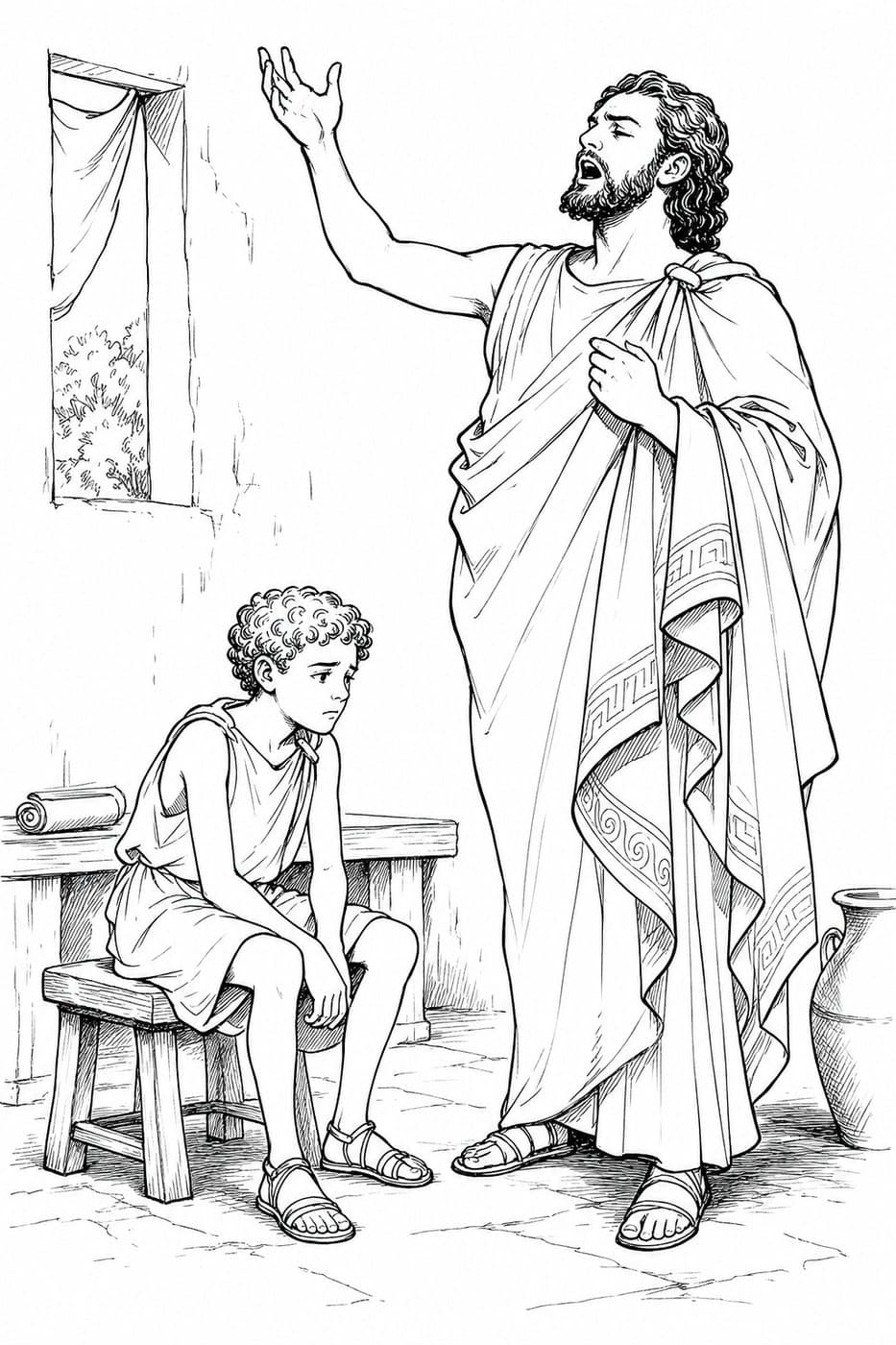
Two of the most gifted speakers who ever lived each tried to save a free city with nothing but his voice, and their lives rhyme so closely it is almost eerie: both born far from power, both built themselves into the leading voice of their age, both spent years warning their city about one dangerous man, both lost, and both were killed for their words. This chapter book tells both lives in full, the hard parts included, then weighs the two men against each other the way Plutarch meant lives to be read, and it is honest with your child about how we know what we know. Seventeen black-and-white vintage line illustrations.
Buy on Amazon
Ages 10–14 · Independent
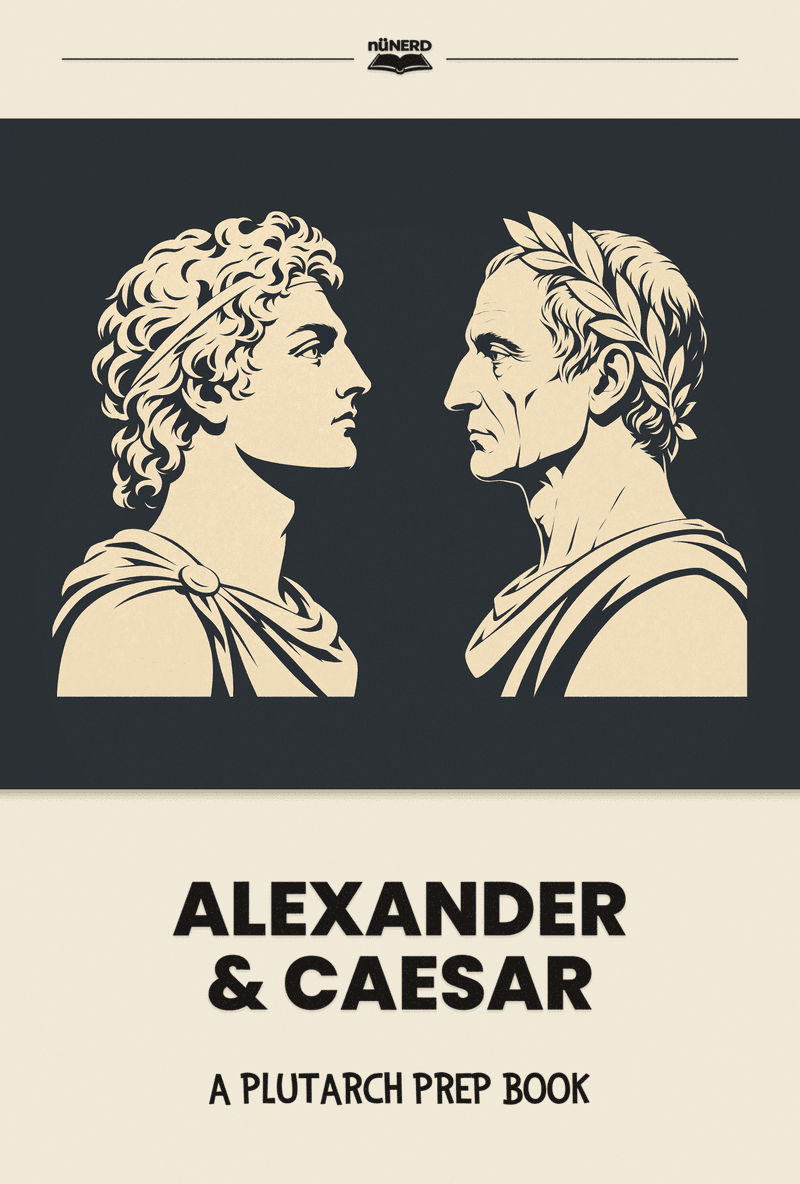
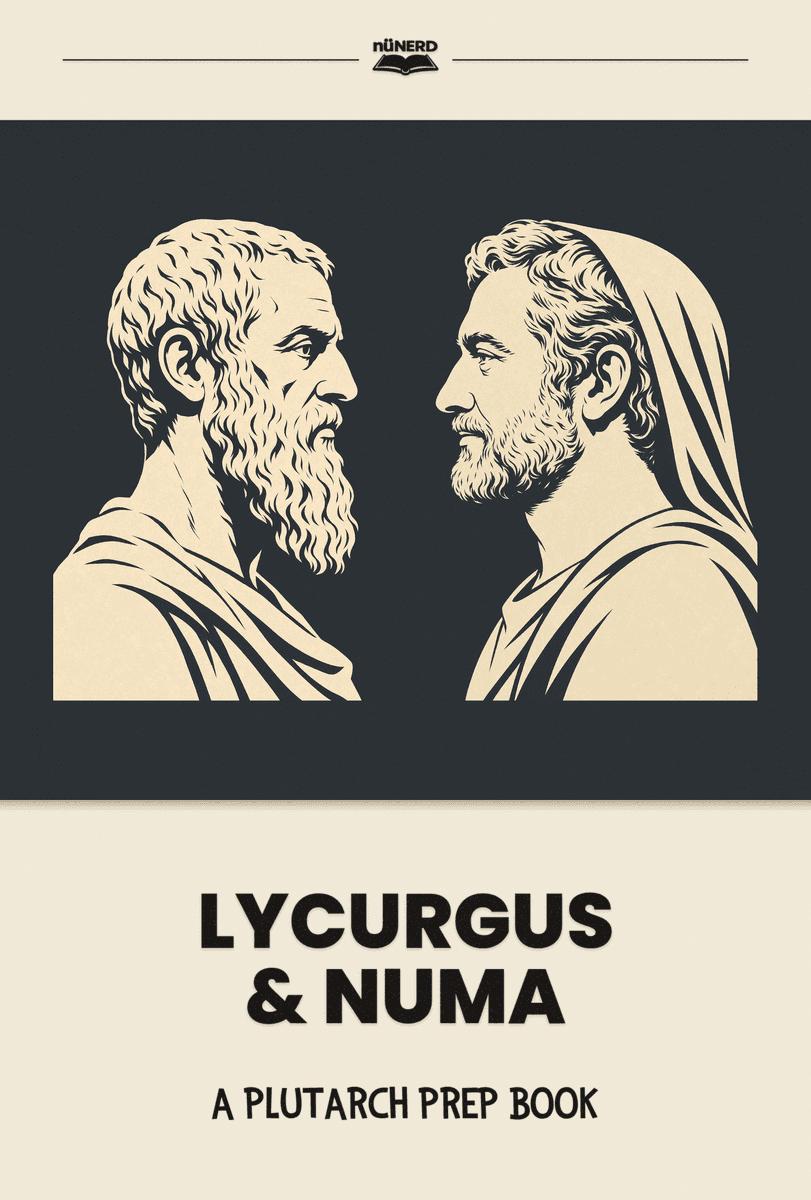
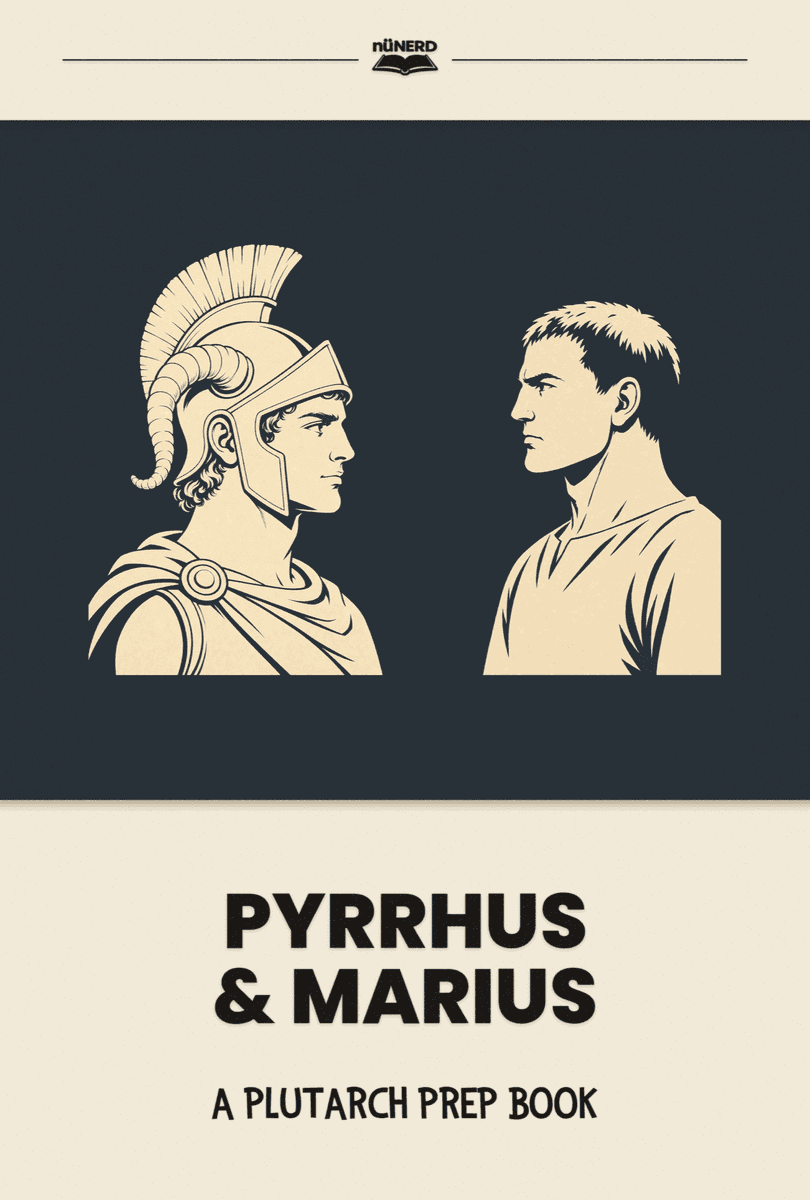
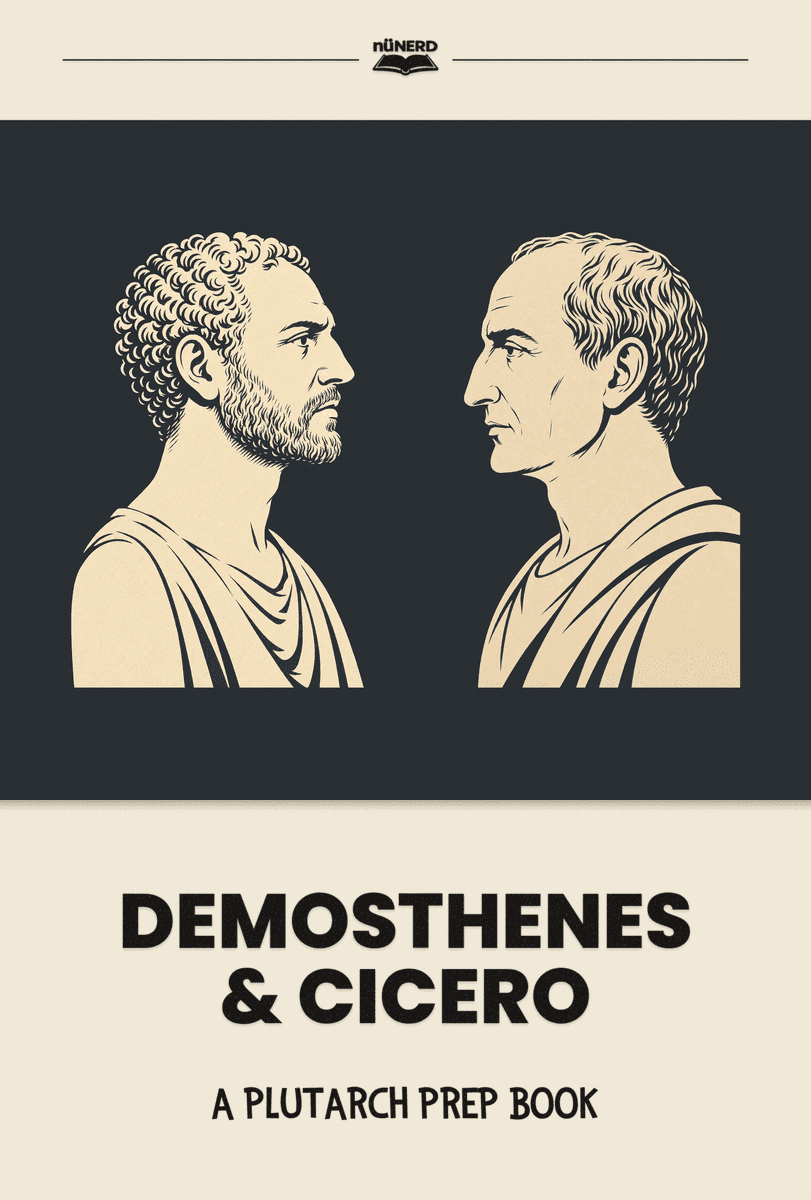
Demosthenes & Cicero: A Plutarch Prep Book
Prep Book (6" × 9") · Black & White Woodcut
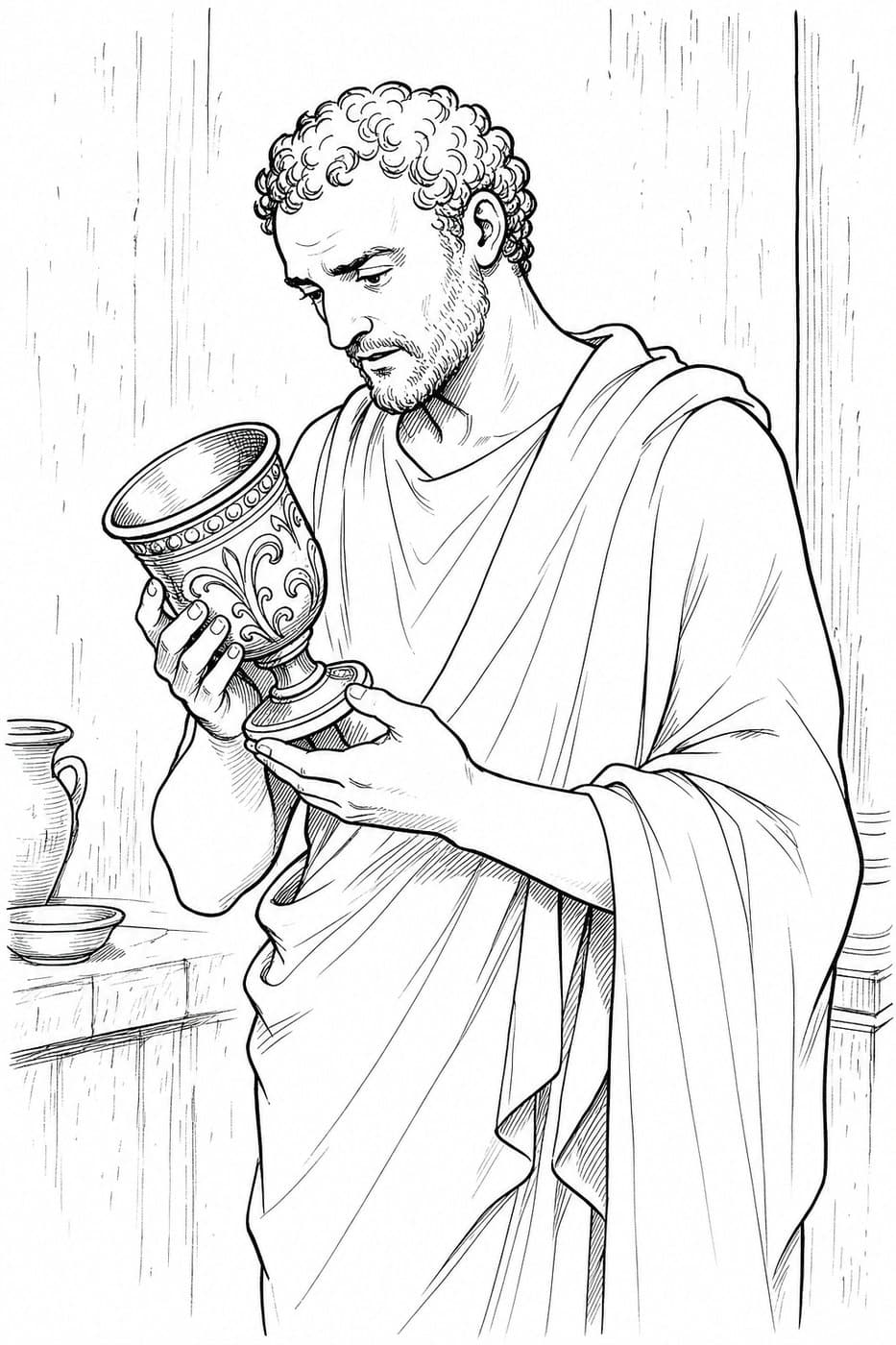
The two loudest voices for courage in the ancient world were both, in Plutarch’s own verdict, cowards when the war came, and he says so in the first paragraph. This prep book does not retell the two lives scene by scene. It weighs them, question by question, the way Plutarch built the pair to be read: what each man lacked and how he turned it into a weapon, what a warning is really worth, what money does to a man in power, and whether either one ever lived the brave words he handed everyone else. Your child reaches a verdict of their own, then sets it beside Plutarch’s. Seventeen black-and-white woodcut illustrations.
Buy on AmazonFree resources
Read Demosthenes & Cicero free
Our books are built to get kids ready for the real thing. When they are, here is the real thing, free: the public-domain text, a volunteer-read audiobook, and background worth a parent’s time.
Background for parents
- Demosthenes (World History Encyclopedia)
How a sickly boy with a weak voice became the greatest orator of Greece, and the long fight against Philip of Macedon behind the chapter and prep books.
- Cicero (World History Encyclopedia)
Rome’s greatest orator and the ‘new man’ who stopped the Catiline conspiracy, the source behind the Roman half of both older books.
Go deeper
- Plutarch (World History Encyclopedia)
Why Plutarch pairs a Greek with a Roman and weighs them, the method the prep book teaches a reader to use.
Read Plutarch free (this pair’s two Lives)
- Plutarch, Life of Demosthenes (LacusCurtius)
The complete Life of the Athenian orator, the actual source behind the chapter and prep books, free in one sitting.
- Plutarch, Life of Cicero (LacusCurtius)
Rome’s great orator, and at its end the surviving Comparison of the pair, the very verdict the prep book teaches a reader to weigh.
- Parallel Lives, Vol. 7 (LibriVox audiobook)
A free recording that includes Demosthenes, Cicero, and their Comparison, easy to play in the car or while cooking.
Read more
Why Plutarch Paired Demosthenes with Cicero
Plutarch matched Demosthenes against Cicero because they are one life told twice, in Greek and in Latin: two men who built a voice from nothing, used it to defend a free city against one dangerous man, and were hunted down and killed for what they said.
Read the post