August 26, 2026
Why Plutarch Paired Pyrrhus with Marius
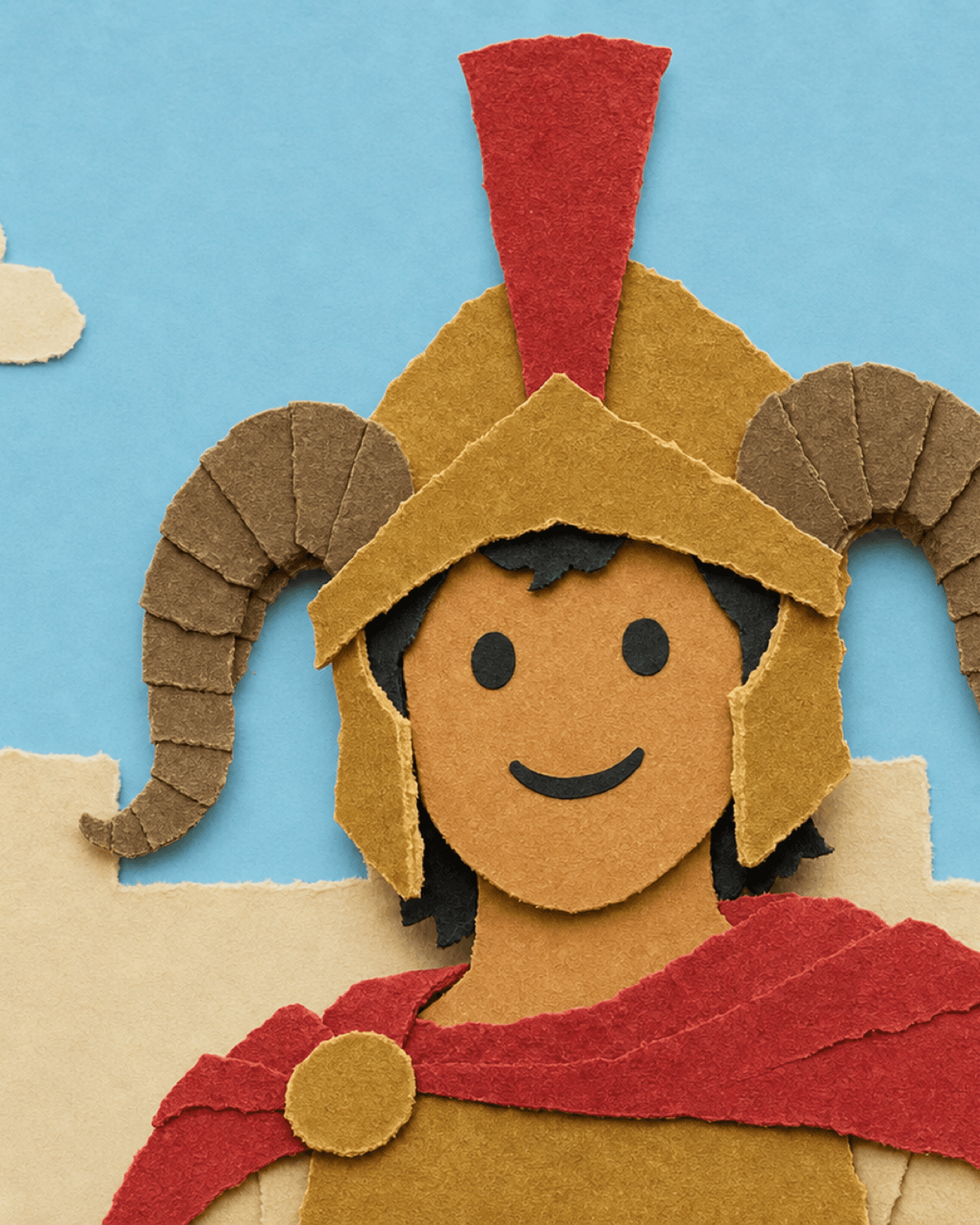
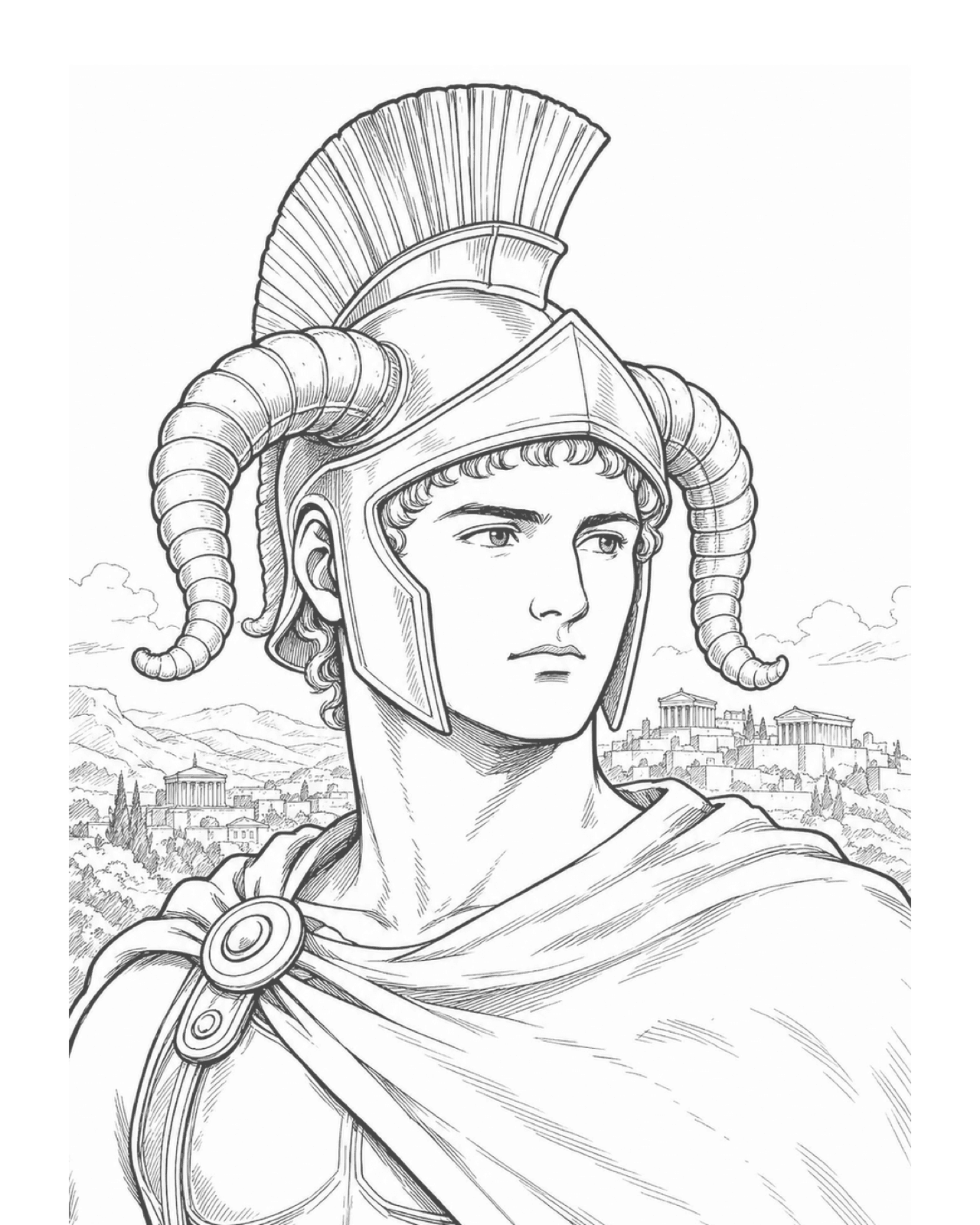
Plutarch paired Pyrrhus with Marius for a reason that had nothing to do with their times overlapping. The two men could hardly have started further apart. Pyrrhus was born to a throne, wore a goat-horn helmet, and led war elephants into battle; Marius was born poor on a little farm, never learned Greek, and marched in the mud beside his own soldiers. They lived more than a hundred years apart and never met. And yet their lives rhyme: each could win almost any battle he chose, and each was feared by kings and generals. Plutarch set them side by side because the two lives carry the same warning: a gift for winning is not a gift for stopping.
What did the two men have in common?
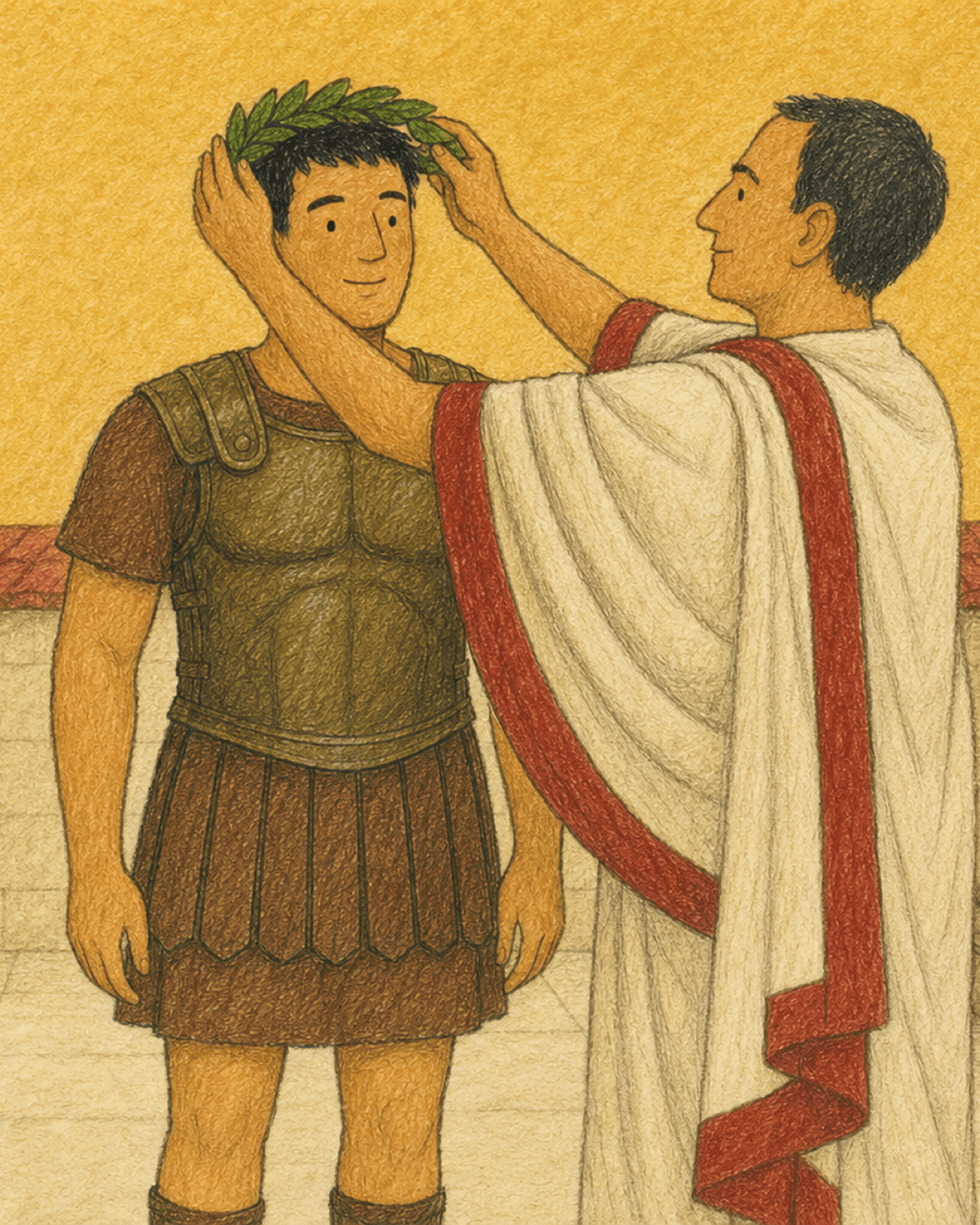
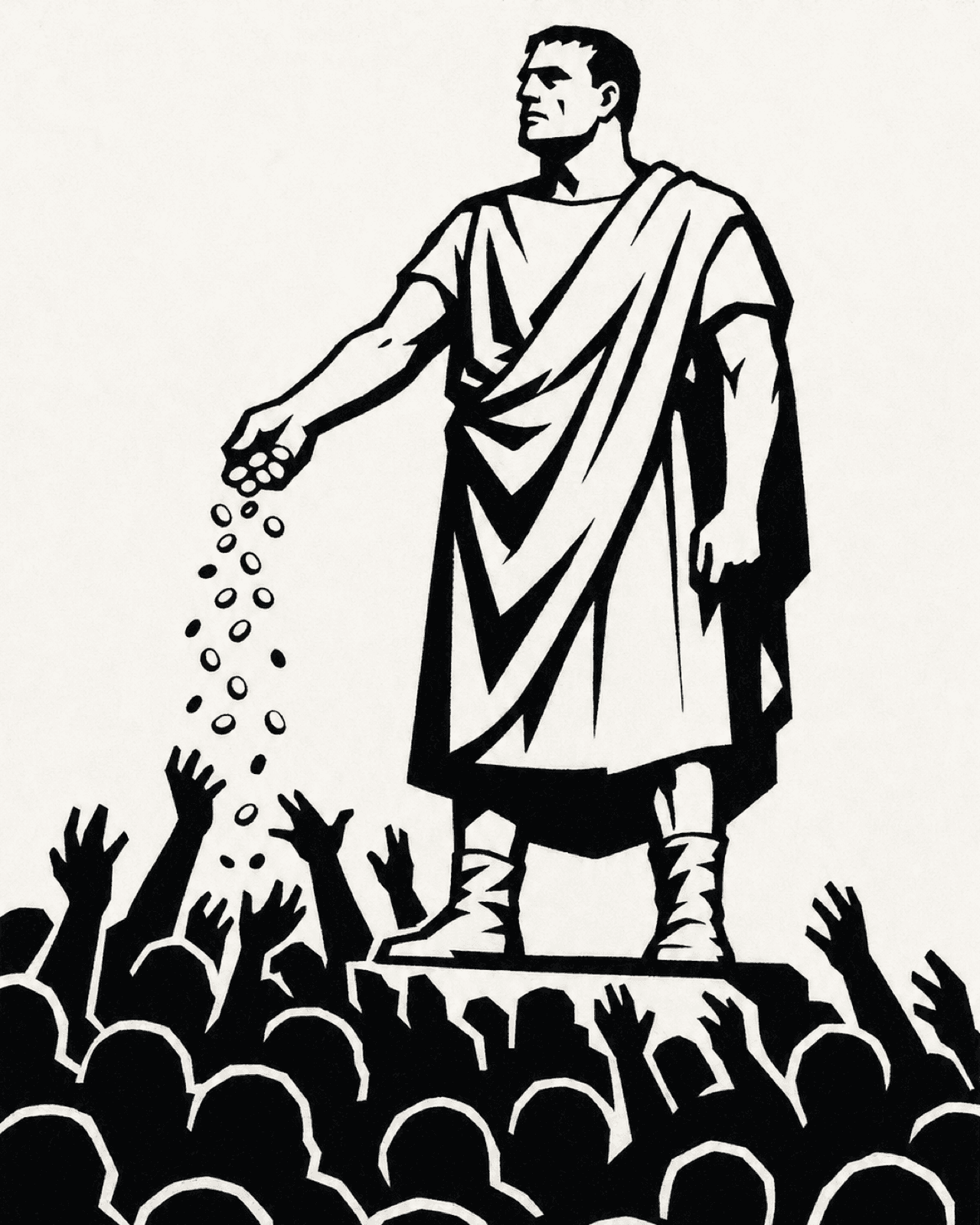
The same thing, and it undid them the same way: a genius for winning battles with no brake on it. Pyrrhus beat Rome in the open field, and lost so many of his own men doing it that he said one more victory like that would destroy him completely, which is where we get the phrase "a Pyrrhic victory." Then he walked away from the half-won war to chase a new one, and another after that. Marius saved Rome from an invasion that had swallowed army after army, was thanked like a god at family tables, was elected consul seven times, and was hailed as the third founder of Rome, and still could not stop reaching. Plutarch collects these moments because they show the same engine running under two completely different men: a hunger that a victory never quiets.
Every topic, its own book at each reading level
History, philosophy, and classic literature for kids ages 0–14.
How were they different?
Where the ruin landed. Pyrrhus was warm and generous off the battlefield, quick to forgive, gentle with his friends, and his restlessness mostly destroyed himself: he wasted a dazzling gift, threw away everything he won, and died with nothing. Marius was hard and grasping, far easier to respect than to like, and when he could not stop, the ruin fell on other people. In his bitter old age he had his enemies hunted through the streets of Rome, and he helped open the road to the civil wars that eventually tore the Republic apart. One question runs under the whole pair: is a life of winning that empties your own hands better or worse than one that fills other people's graves? Plutarch does not hand you the answer. He makes you weigh it.
From the books
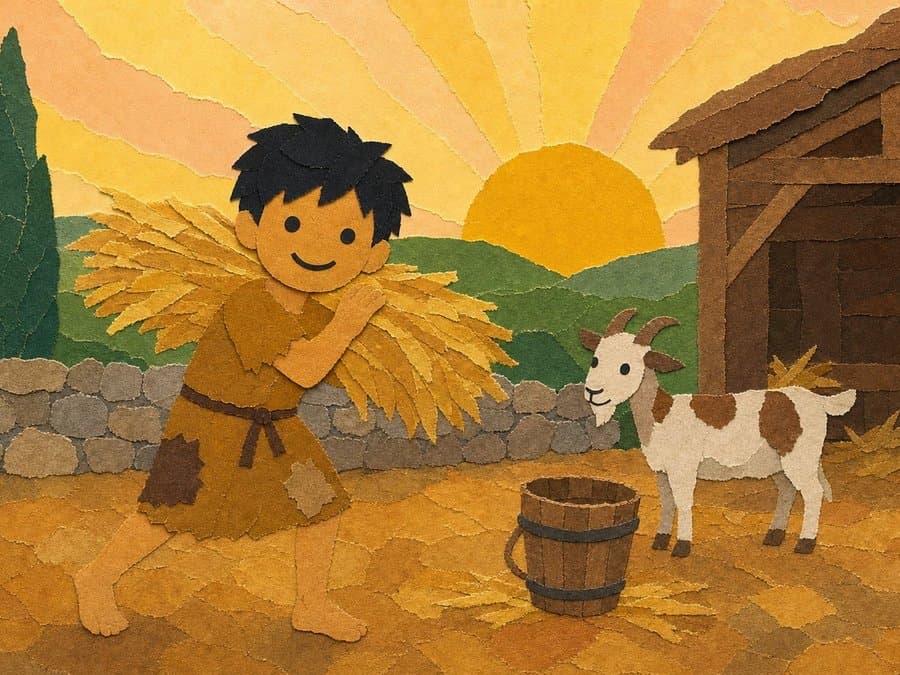
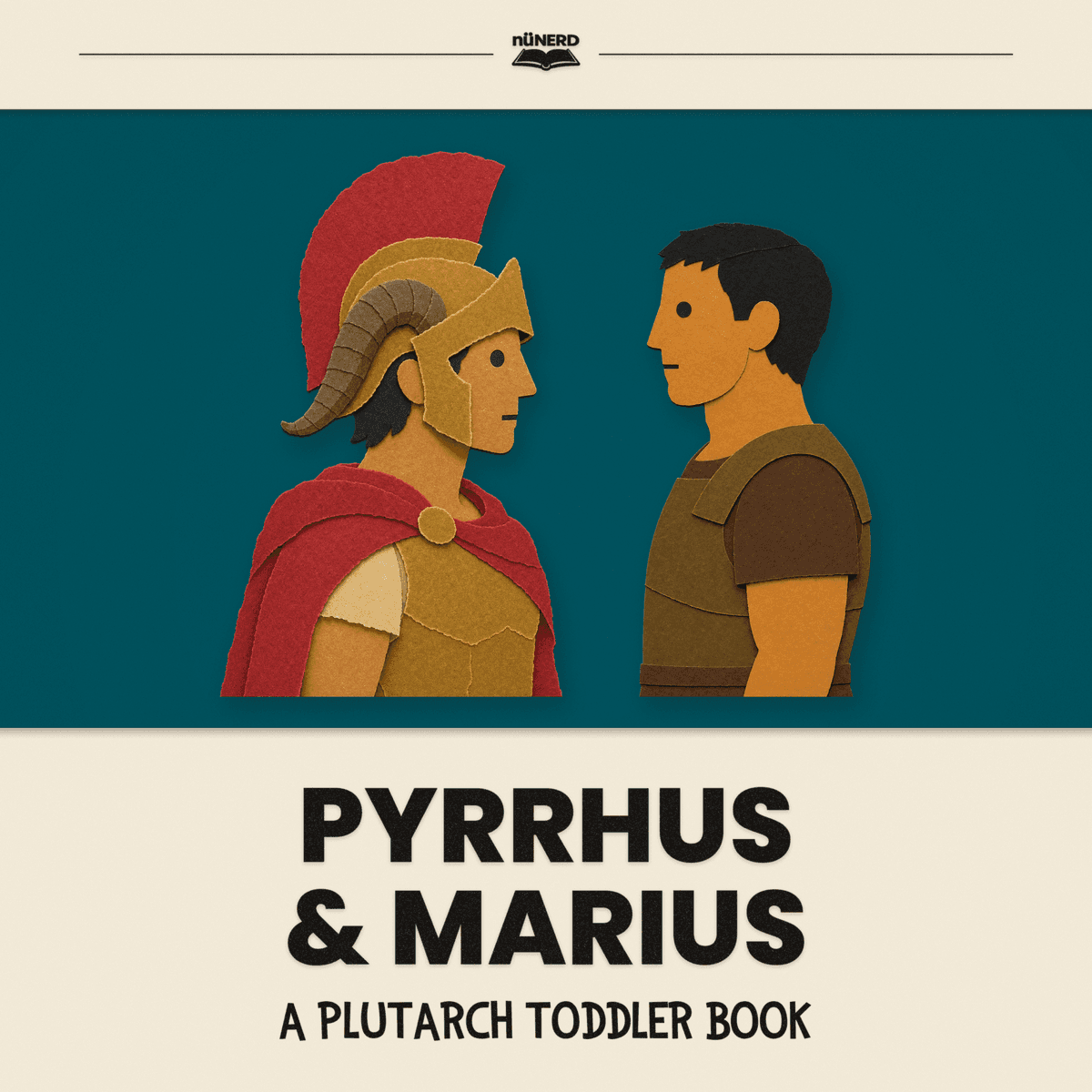
Toddler book, ages 0–4
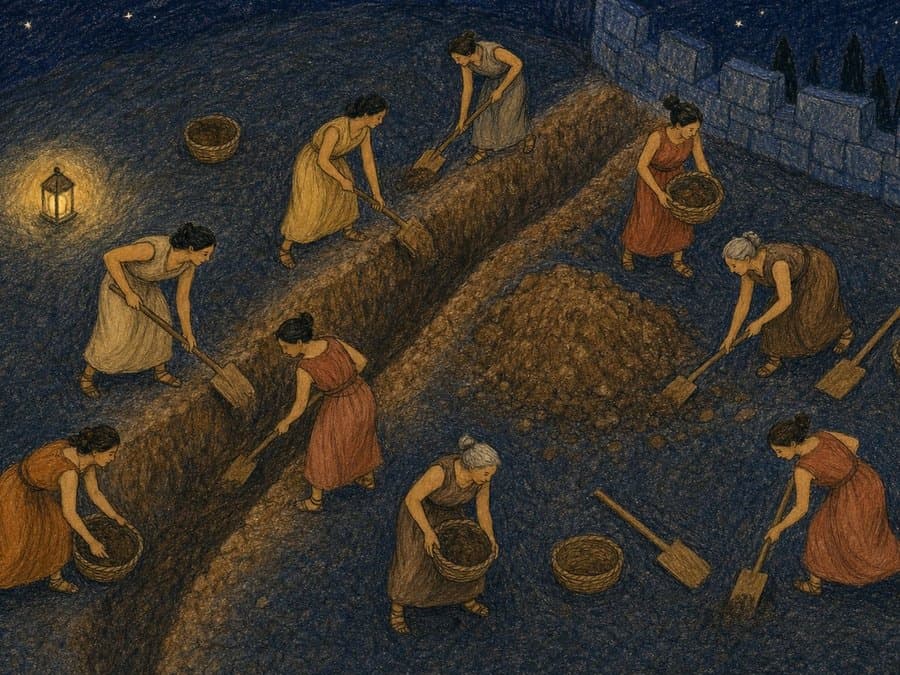
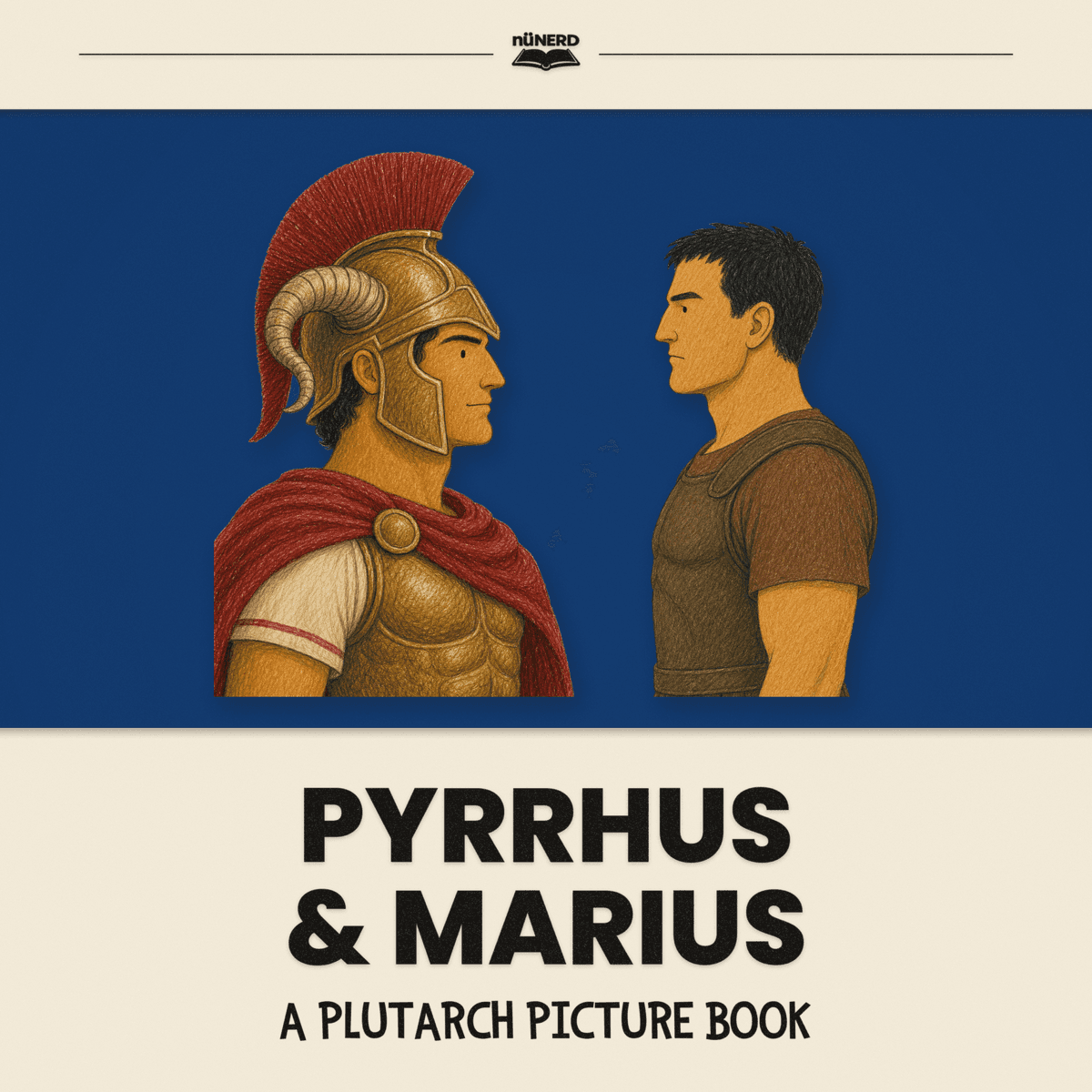
Picture book, ages 3–7
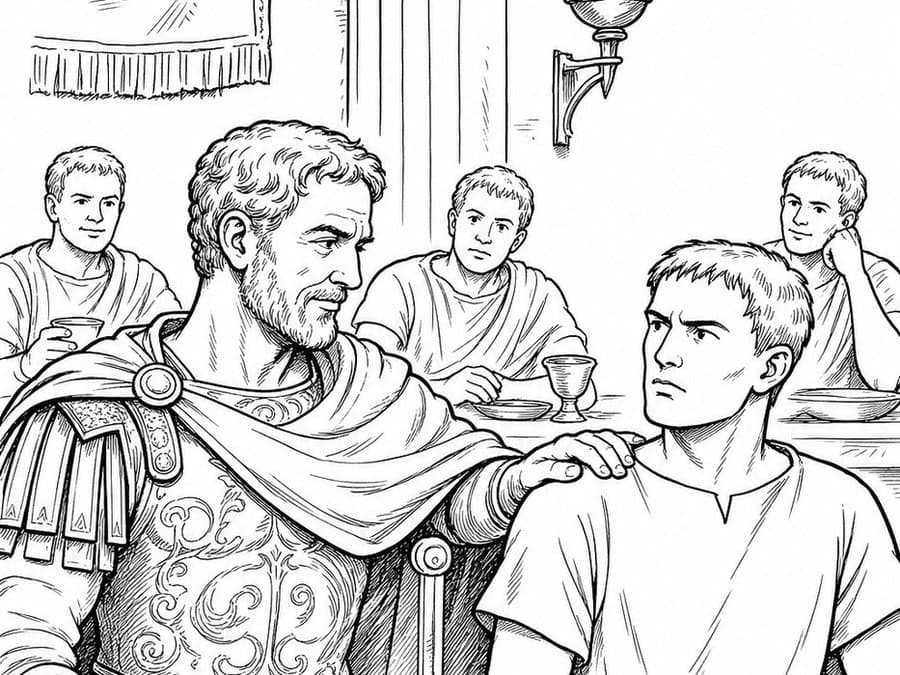
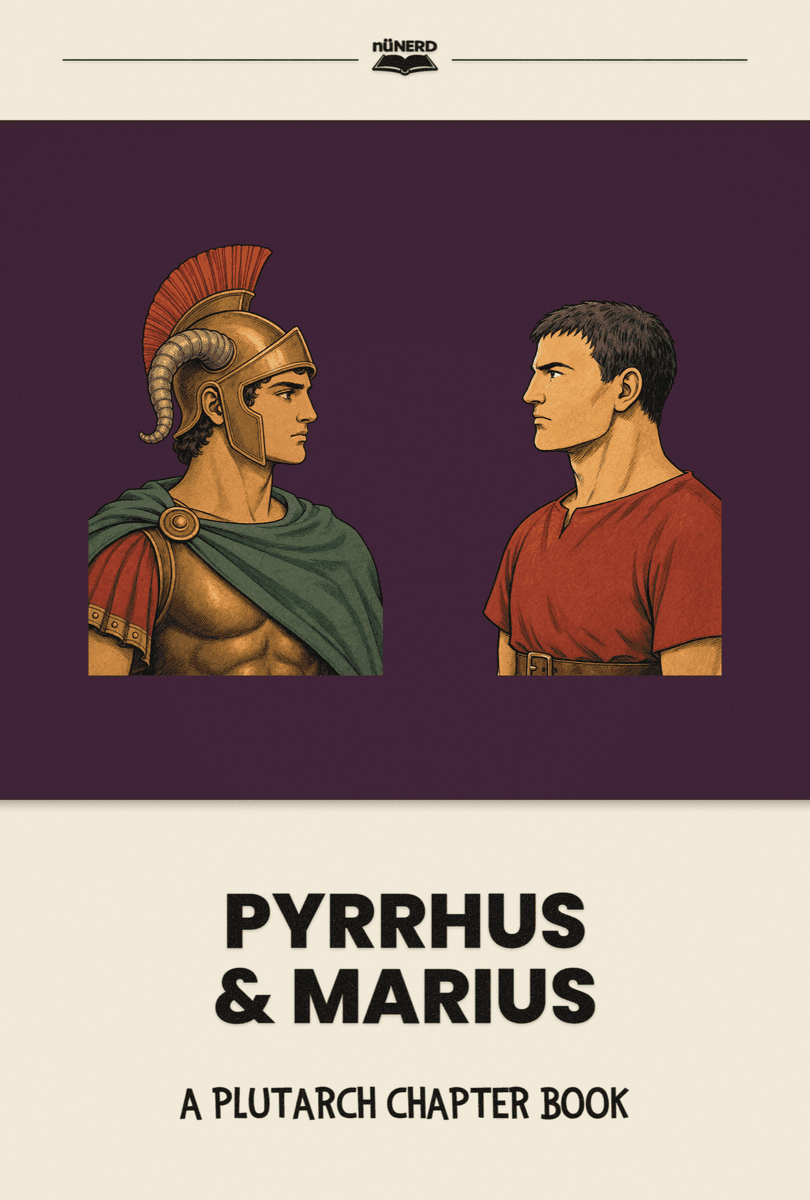
Chapter book, ages 6–10
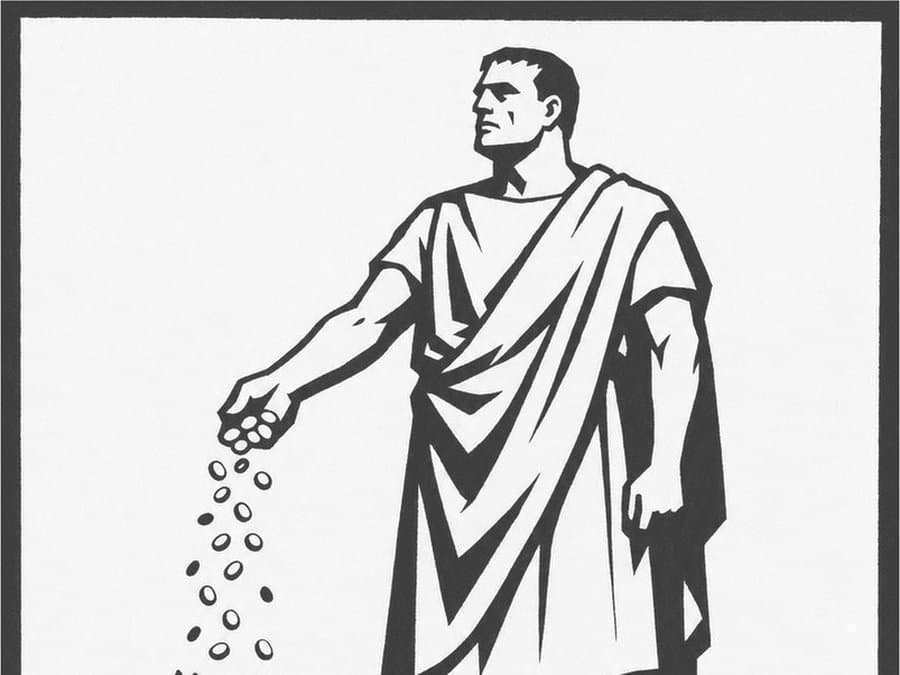
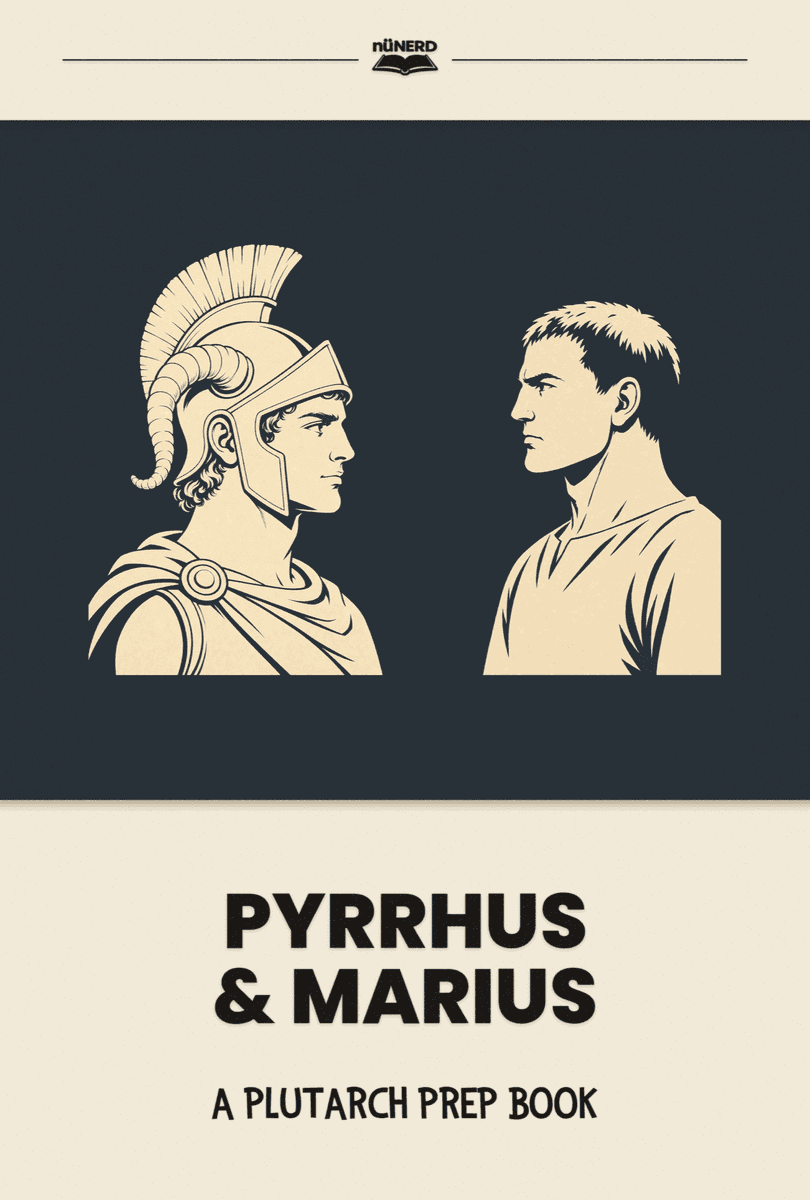
Prep book, ages 10–14
The missing verdict
Plutarch usually closed a matched pair with a short essay, a synkrisis, weighing the two men directly and handing down his own judgment. No such verdict on Pyrrhus and Marius has come down to us. Whether Plutarch wrote one that was lost in two thousand years of copying, or never wrote one at all, this is one of only a handful of pairs that reach us without that closing comparison. For most pairs a young reader can reach a verdict of their own and then hold it up against Plutarch's. For this pair there is no answer key. The last word is the reader's to write.
Where Pyrrhus and Marius fit in a classical education
If you follow a classical or Charlotte Mason path, Plutarch is not an extra. In the Charlotte Mason tradition he is the very spine of how children are taught character and citizenship, and classical programs reach for him for the same reason. Charlotte Mason had children study one Life a term, read aloud and then narrated back in the child's own words. AmblesideOnline, the free curriculum built on her method, begins Plutarch in Year 4, around age nine, and works through the Lives by narration in the years that follow.
Here is the gap this pair fills. AmblesideOnline publishes a full study guide for the Life of Pyrrhus, so a classical family can already study him closely. As it stands, it has none for Marius, the Roman that Plutarch paired him with. So a child can meet Pyrrhus and never meet the other half of the comparison Plutarch built. Pyrrhus & Marius gives you both halves of the pair, and at four reading levels instead of one, so a five-year-old and a thirteen-year-old can study the same pair in the same week. You do not have to wait for age nine to start.
If you want the wider plan, we lay it out in how to read Plutarch with kids, age by age and how to start Plutarch in a homeschool.
Meeting them with your kids
Pyrrhus & Marius is a nüNERD Plutarch pair, built at four reading levels, ages 0 to 14. The toddler and picture books give the youngest readers their first two pictures: a king leading elephants as tall as houses, a barefoot farm boy who is up and working before the sun. The chapter book tells both lives in full, the falls included, and weighs the two men against each other the way Plutarch meant them to be read. And the prep book hands an older reader Plutarch's own method, then the blank where his verdict would be, and asks them to write it themselves.
For Plutarch's own text, free translations and audiobooks are collected on our Plutarch resources page.
Like the Plutarch pairs, our classic-literature books give each reading level its own book: Don Quixote and Beowulf each come as a toddler book, a picture book and a chapter book.
The books
Pyrrhus & Marius on Amazon
Frequently asked questions
Why did Plutarch compare Pyrrhus and Marius?
Because their lives rhyme. Two of the ancient world's most gifted commanders, one Greek and one Roman, both won almost everything and kept almost none of it, and Plutarch wanted a reader to see why.
Did Pyrrhus and Marius ever meet?
No. Pyrrhus died more than a hundred years before Marius rose to power. Plutarch's own comparison of the pair is lost, but both lives show a man who kept winning and never learned when to stop.
What is a Pyrrhic victory?
It is a win that costs so much it is barely worth having, sometimes worse than a defeat. The phrase comes straight from Pyrrhus, who after one terribly costly win over Rome said that one more victory like that would destroy him.
Is Plutarch part of a classical education?
Yes. Plutarch's Lives are a cornerstone of classical and Charlotte Mason learning, read for character and citizenship rather than dates. AmblesideOnline and Simply Charlotte Mason schedule the Lives directly, most starting around age nine, and programs like Memoria Press carry Plutarch into the upper school years, where students read and argue him head-on. You can plant the stories long before that.
Where does Plutarch fit in the classical trivium?
The trivium moves a student from grammar to logic to rhetoric, and Plutarch belongs to the later stages, where reading turns into reasoning. Susan Wise Bauer's The Well-Trained Mind assigns him in the rhetoric years; Charlotte Mason educators start him earlier, around age nine, for the same end. Either way, the Lives are where a student practices weighing real people against each other, which is exactly the skill the rhetoric stage is built to teach.
Does AmblesideOnline cover Pyrrhus and Marius?
AmblesideOnline has a study guide for the Life of Pyrrhus but not for Marius, the Roman Plutarch paired him with. Pyrrhus & Marius gives families both halves of the pair, at four reading levels from toddler to teen.
When do kids usually start Plutarch?
Charlotte Mason programs begin Plutarch around age nine (AmblesideOnline in its Year 4), and most other classical programs come to him later. The stories can be read aloud to children far younger, which is why nüNERD builds every pair from ages 0 to 14.
Does Plutarch's comparison of Pyrrhus and Marius survive?
No. No comparison for this pair has come down to us, whether it was written and lost or never written at all. That missing verdict is what the prep book is built around: the reader reaches one of their own where Plutarch's is gone.