Plutarch
Pyrrhus & Marius
Pyrrhus and Marius, two of the most gifted soldiers of the ancient world, retold for kids at four reading levels from Plutarch's Parallel Lives. One was a Greek king who beat mighty Rome with a charge of war elephants. The other was a Roman farm boy who rose from nothing to save his country from an invasion that had destroyed every army sent against it. Each could win almost any battle he chose, and each ended with almost nothing the winning was supposed to buy: the king left with nothing, far from home, the farm boy old and raging in the very city he had saved. Plutarch set the two lives side by side to ask one question: what good is a gift for winning if you never learn what winning is for, or when you have enough? These books hand a child that question one reading level at a time, and then leave the last word to them.
Why we love it
- Pyrrhus won battle after battle against Rome and lost so many of his own men doing it that he said one more victory like that would destroy him completely. That is where the phrase "a Pyrrhic victory" comes from.
- Hannibal, the general who nearly destroyed Rome, called this Greek king the greatest soldier who ever lived, ahead of everyone, even himself.
- Marius was a farm boy who never bothered to learn Greek, saved Rome from an invasion that had wiped out army after army, and was elected consul seven times, more than any Roman before him.
- Plutarch gave nearly every pair he wrote a closing verdict, a short essay weighing the two men. For Pyrrhus and Marius, no such verdict survives, so the last word is the reader's.
Why it matters
Pyrrhus and Marius belong in a child's education because together they carry one lesson: being able to win is not the same as knowing what winning is for. Each was among the most gifted soldiers the ancient world ever produced. Pyrrhus, a Greek king, was ranked by Hannibal himself as the finest soldier who ever lived, beat Rome in the open field, and ended with nothing to show for a lifetime of victories. Marius, born a poor farm boy who never learned the polished Greek of the Roman elite, clawed his way up to save his country from destruction and was thanked like a god at family tables, then spent his last years so hungry for more that he had his enemies hunted through Rome and helped push the Republic toward the civil wars that eventually destroyed it. Plutarch paired them because the two lives run in parallel: two men who could win almost anything and never learned when to stop, one whose ruin fell mostly on himself and one whose ruin fell on everyone around him. One of them is still in everyday speech, in the phrase "a Pyrrhic victory," a win that costs more than it is worth. And this is one of the rare pairs with no closing verdict from Plutarch at all, so a child who meets them early is handed not a moral to memorize but a real argument to finish: whether a gift for winning is worth anything, if the person who has it never learns what to want.

Ages 0–4 · Read TO
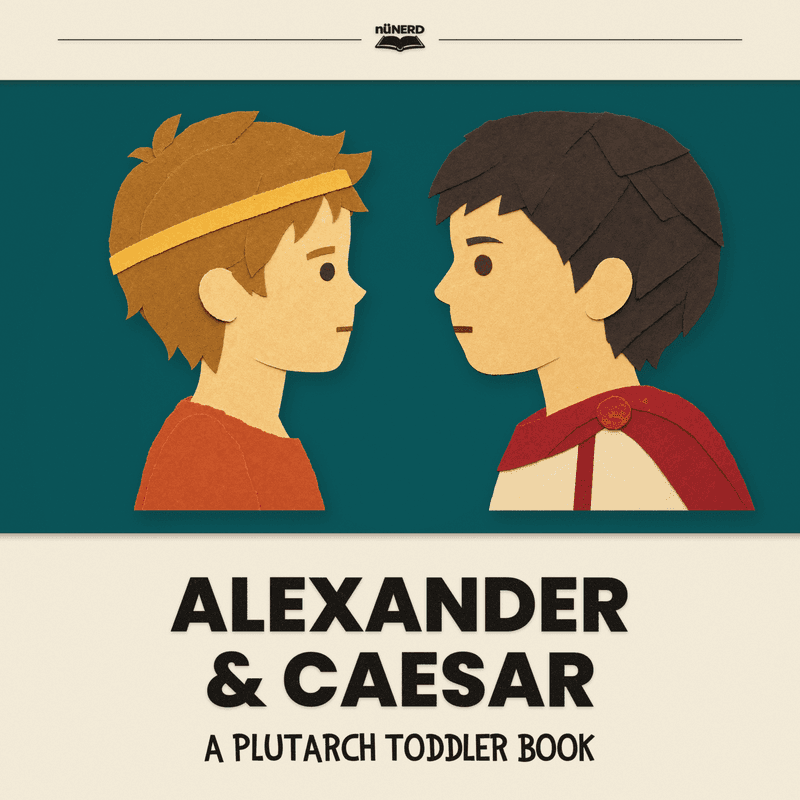
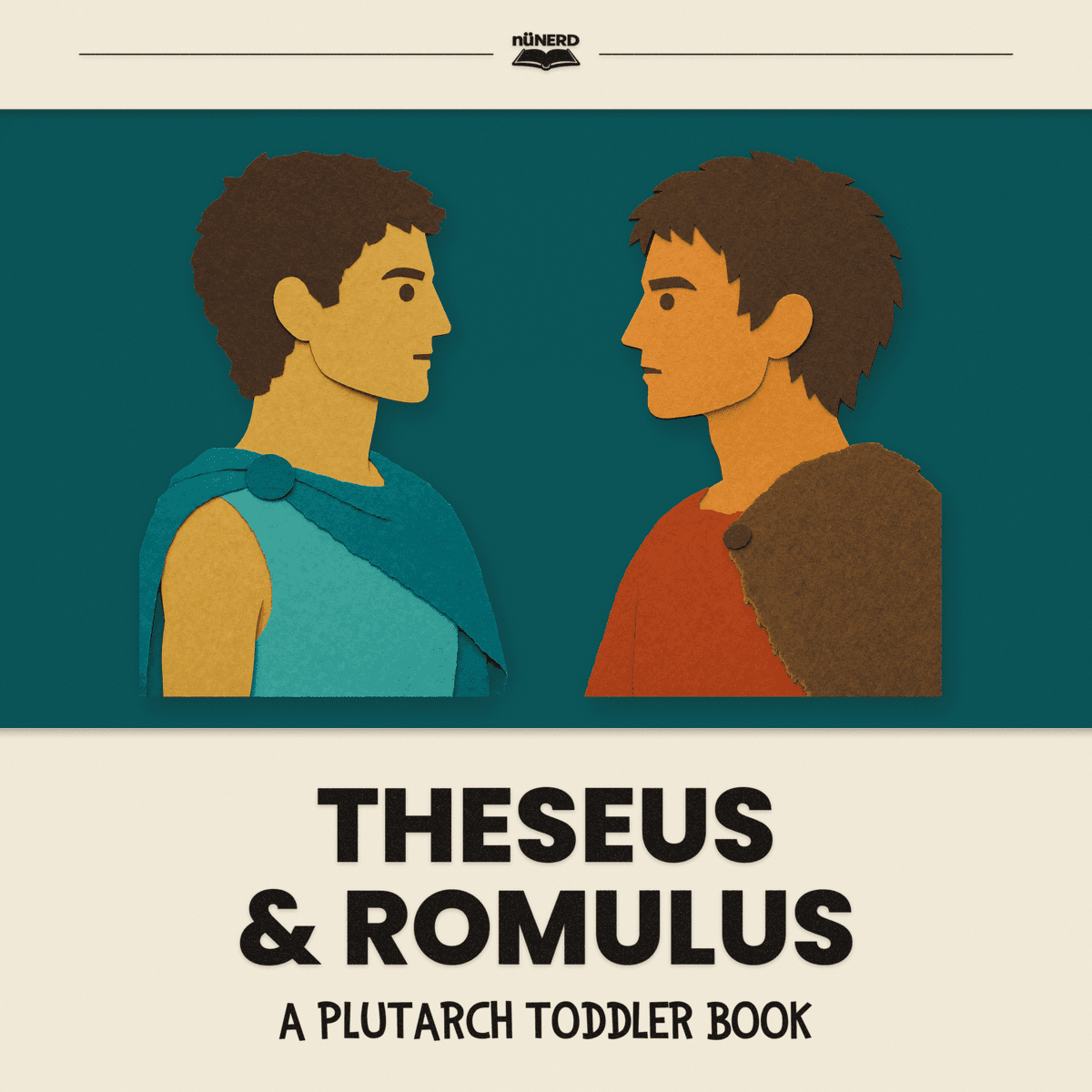
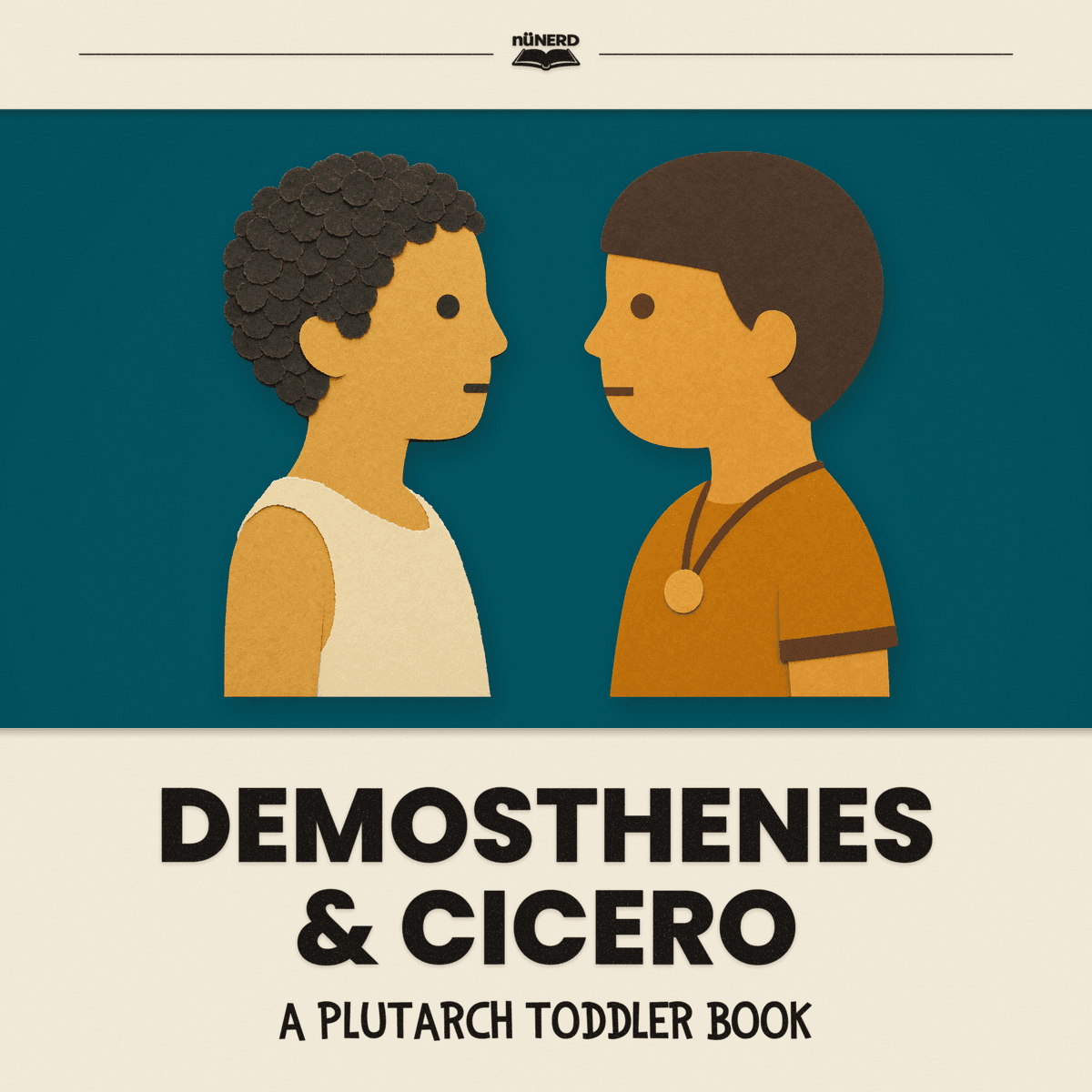
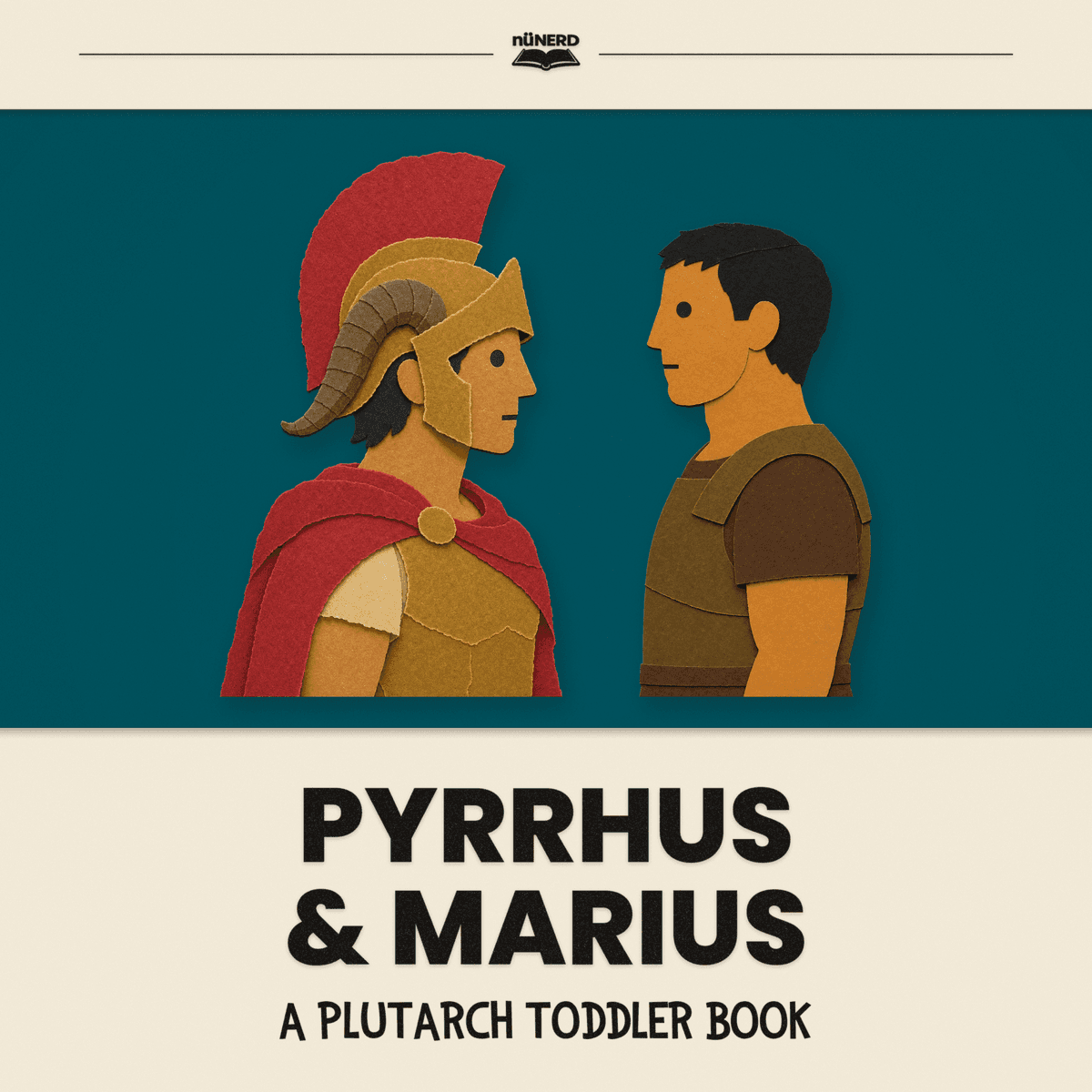
Pyrrhus & Marius: A Plutarch Toddler Book
Picture Book (8.5" × 8.5") · Full Color Cut-Paper Collage
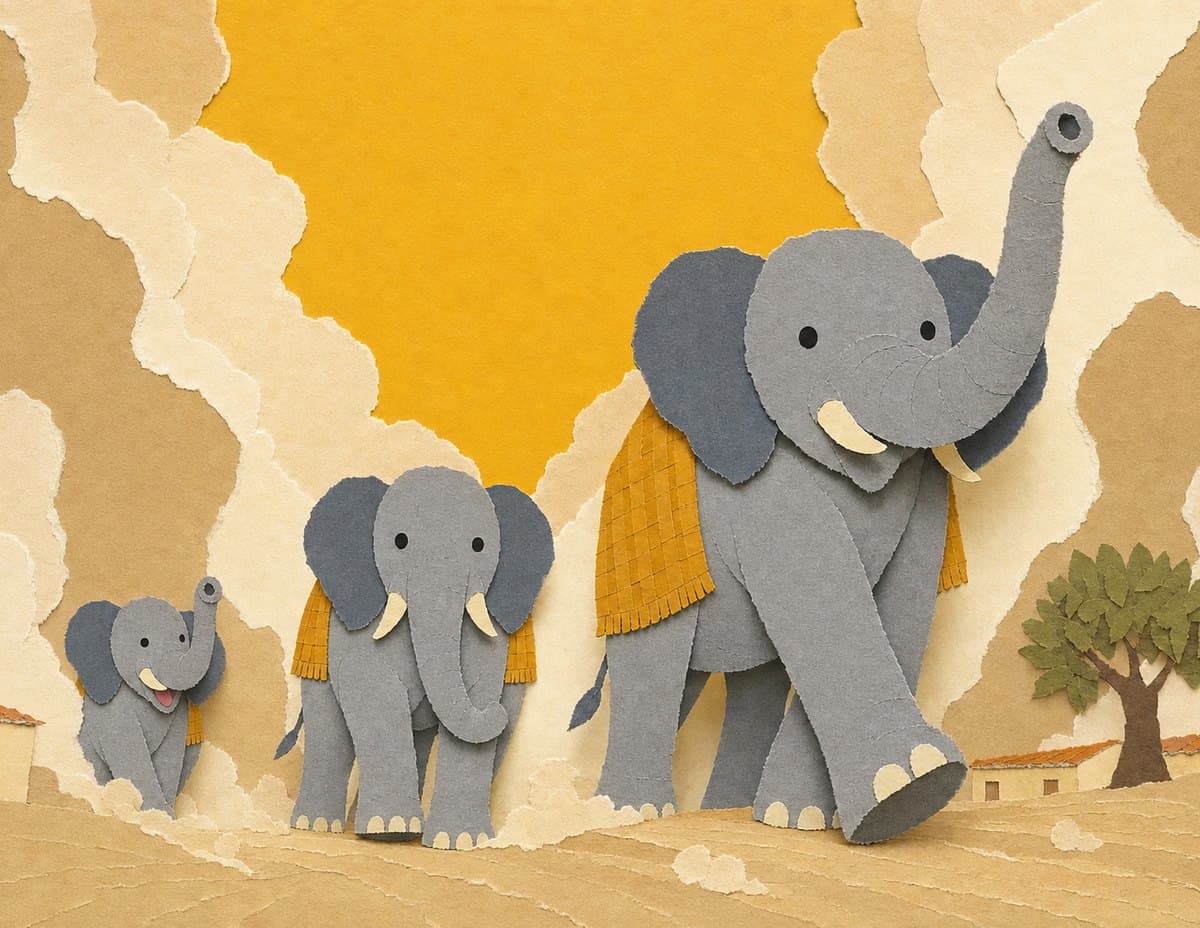
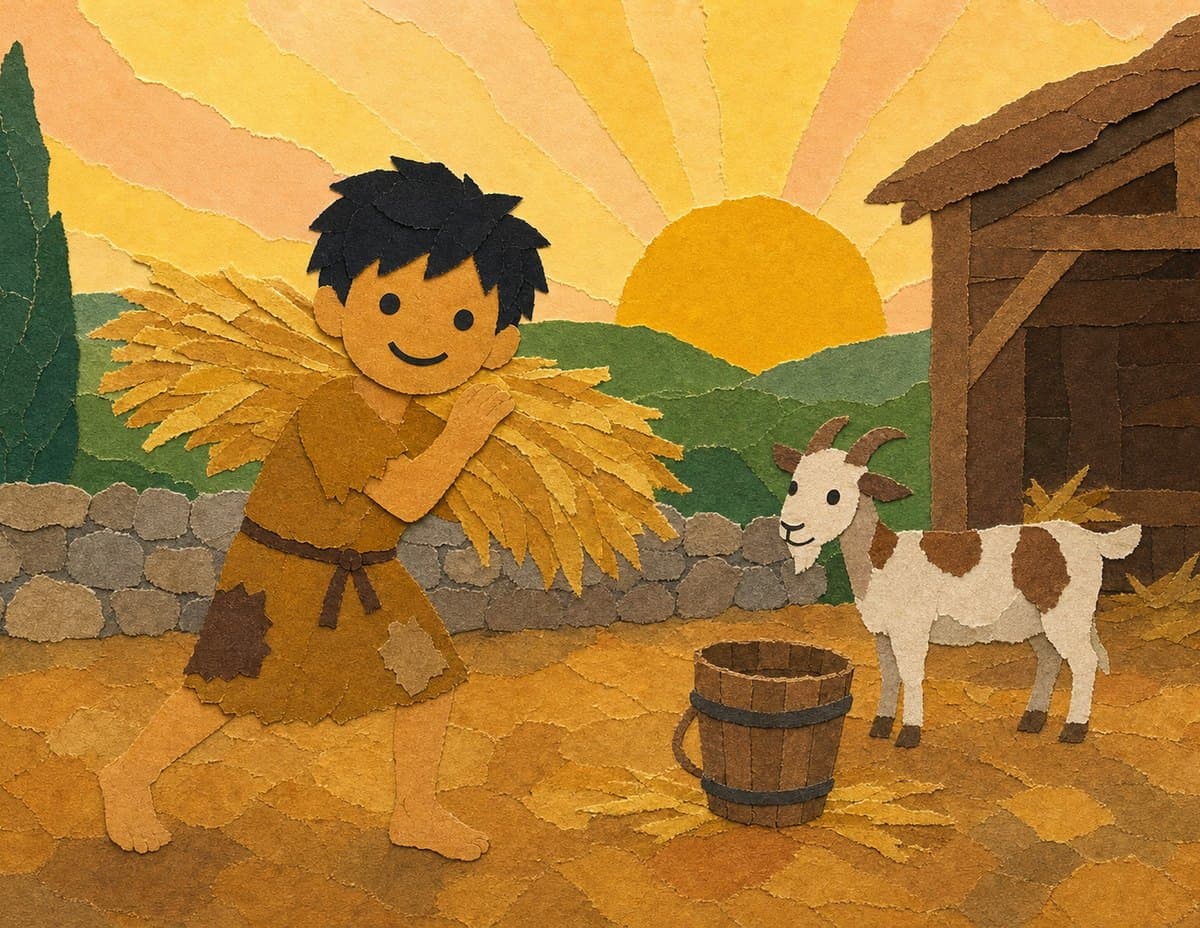
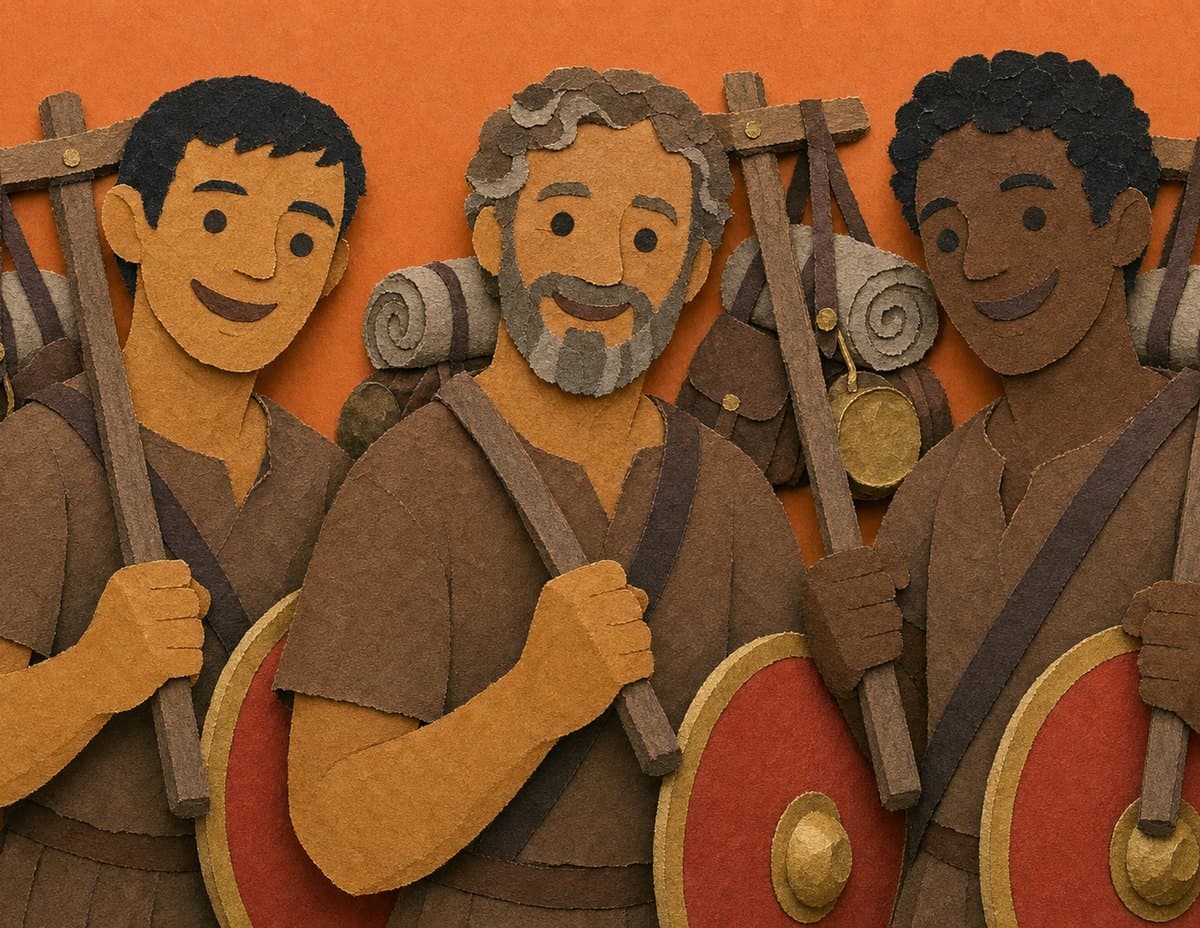
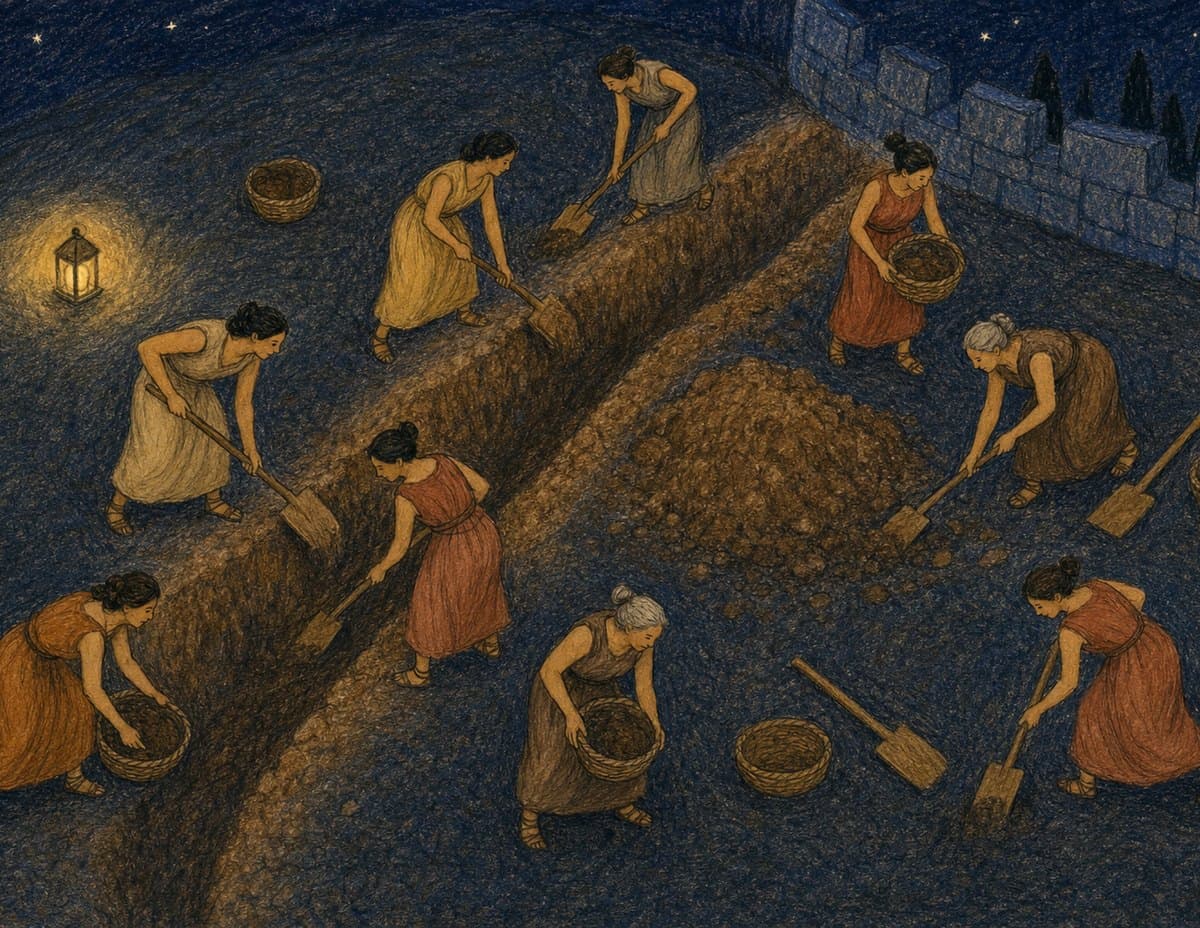
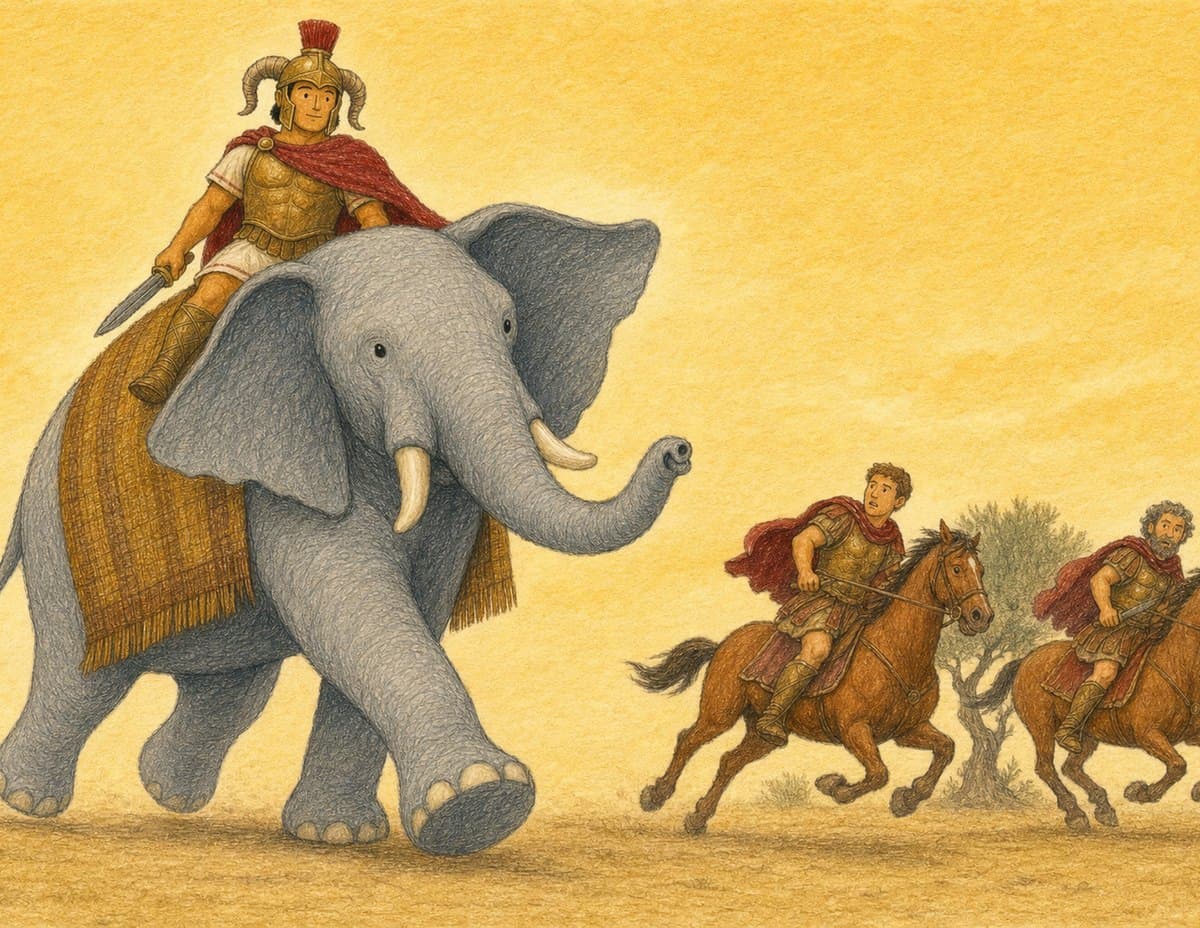
A king who led giant elephants as tall as houses, and a barefoot farm boy who was up and working before the sun. This is the youngest way to meet Pyrrhus and Marius: one big, true picture from each life, in a few words a toddler can hold. Pyrrhus wears two tall goat horns and rides at the very front of his army. Marius grows up in patched clothes and bare feet and leads soldiers so tough that everyone calls them his mules. A cut-paper collage picture on every page.
Buy on Amazon
Ages 3–7 · Read WITH
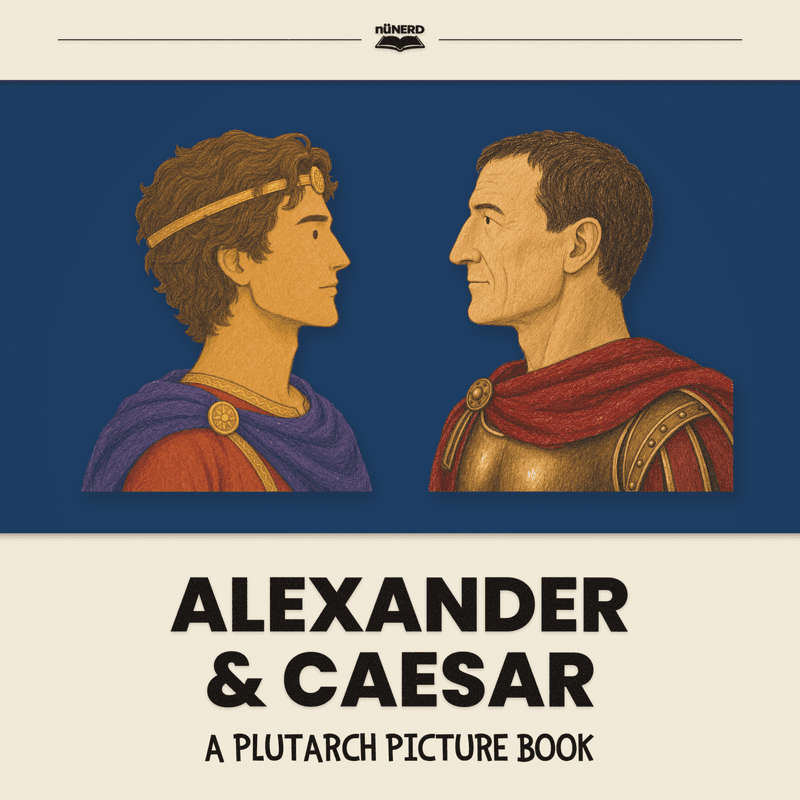
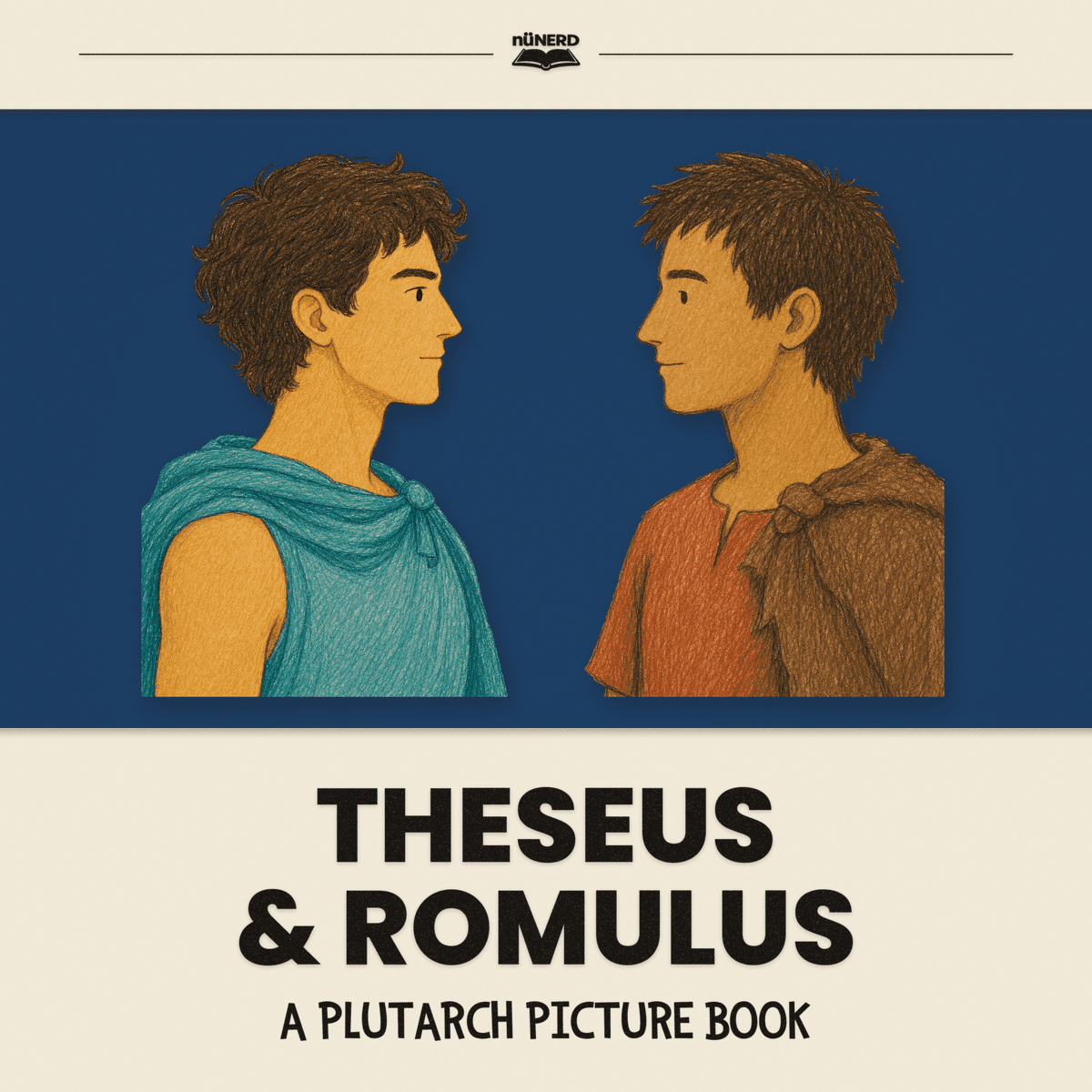
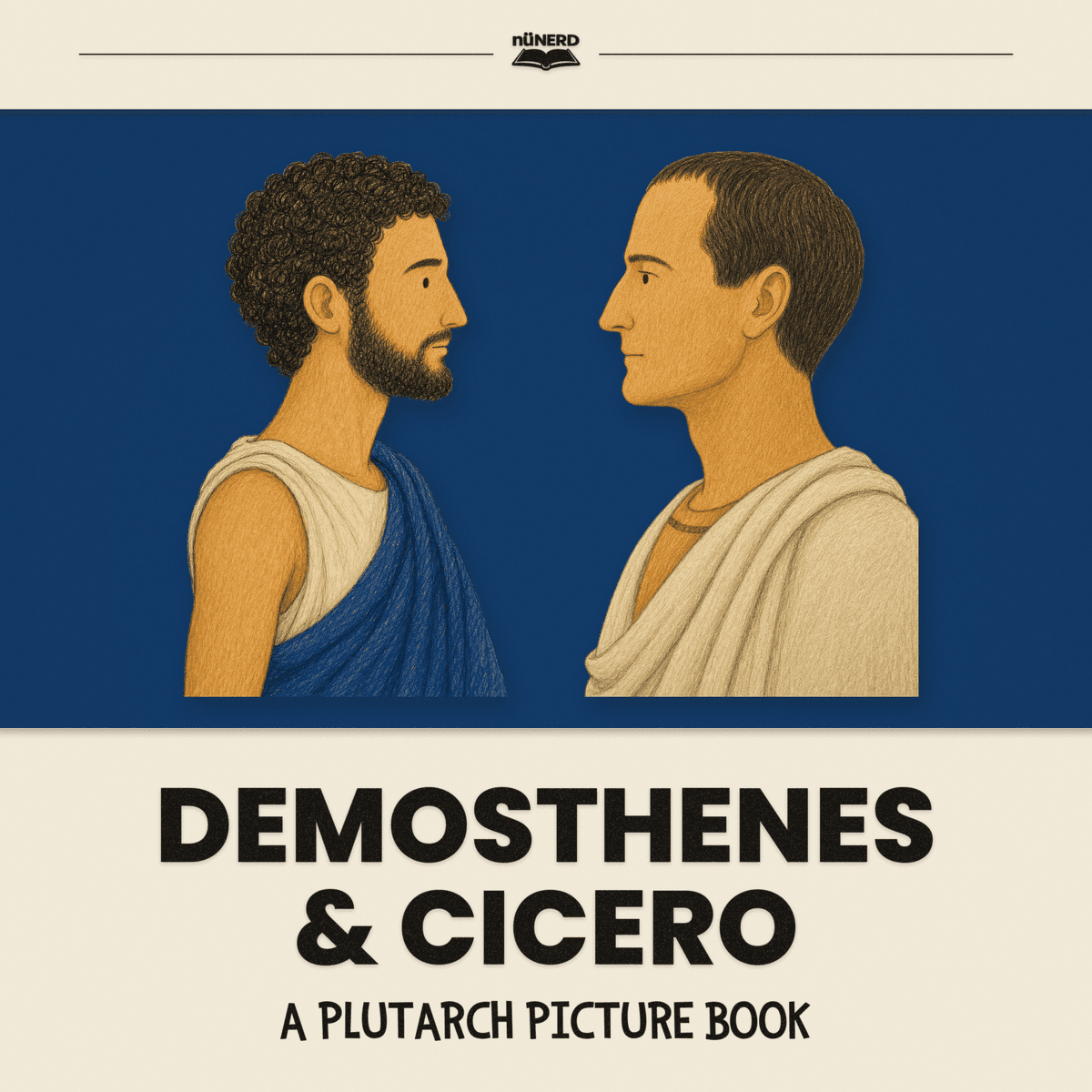
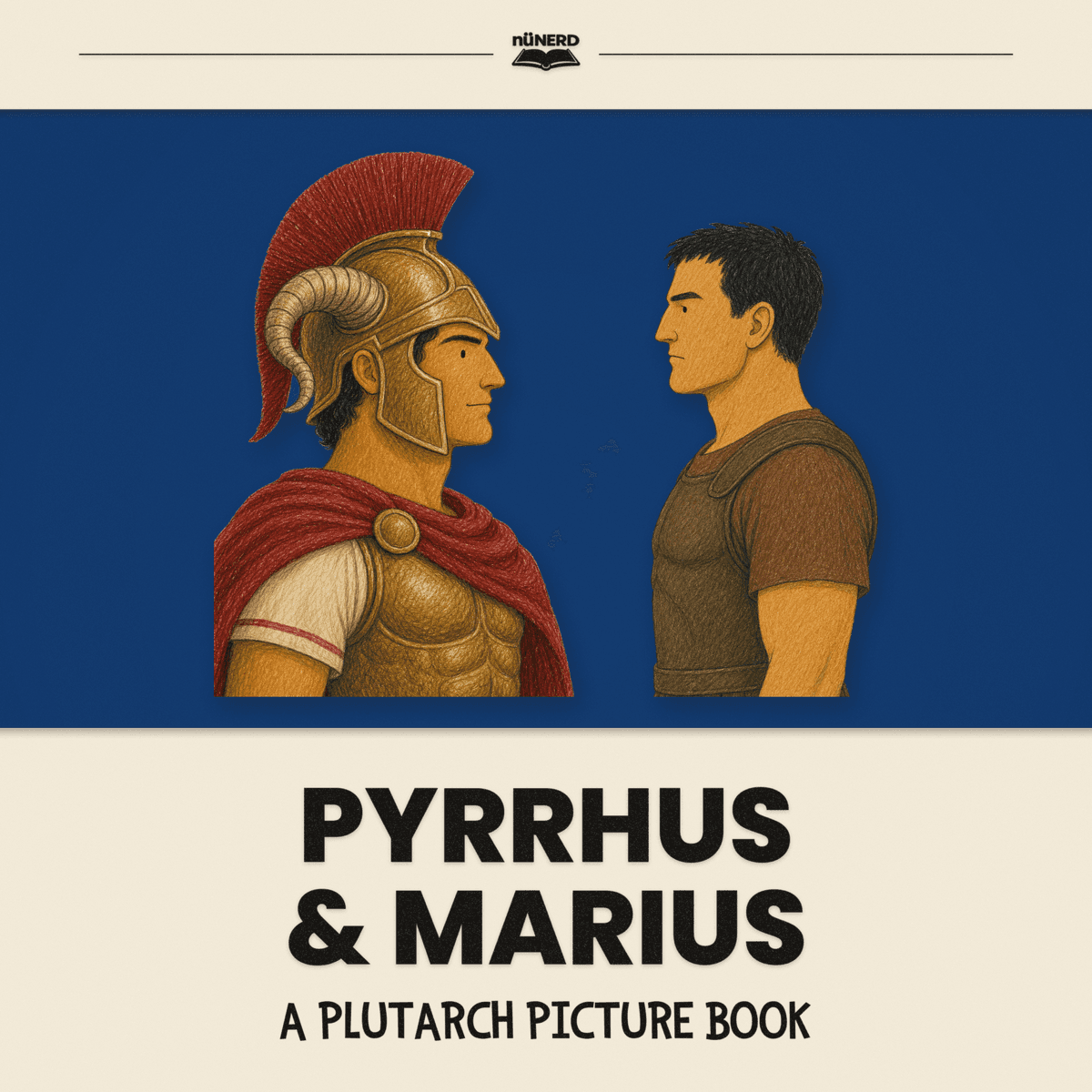
Pyrrhus & Marius: A Plutarch Picture Book
Picture Book (8.5" × 8.5") · Full Color Soft Crayon
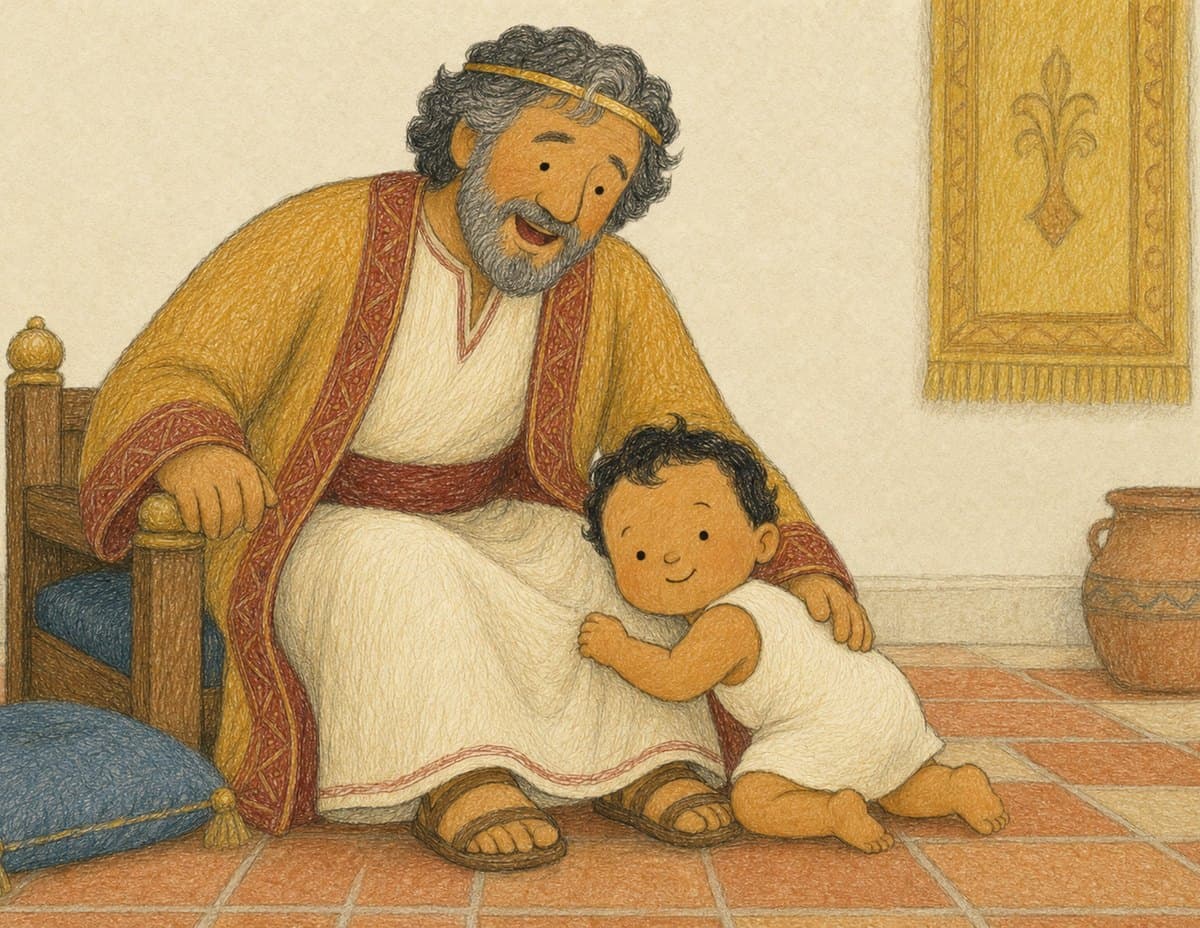
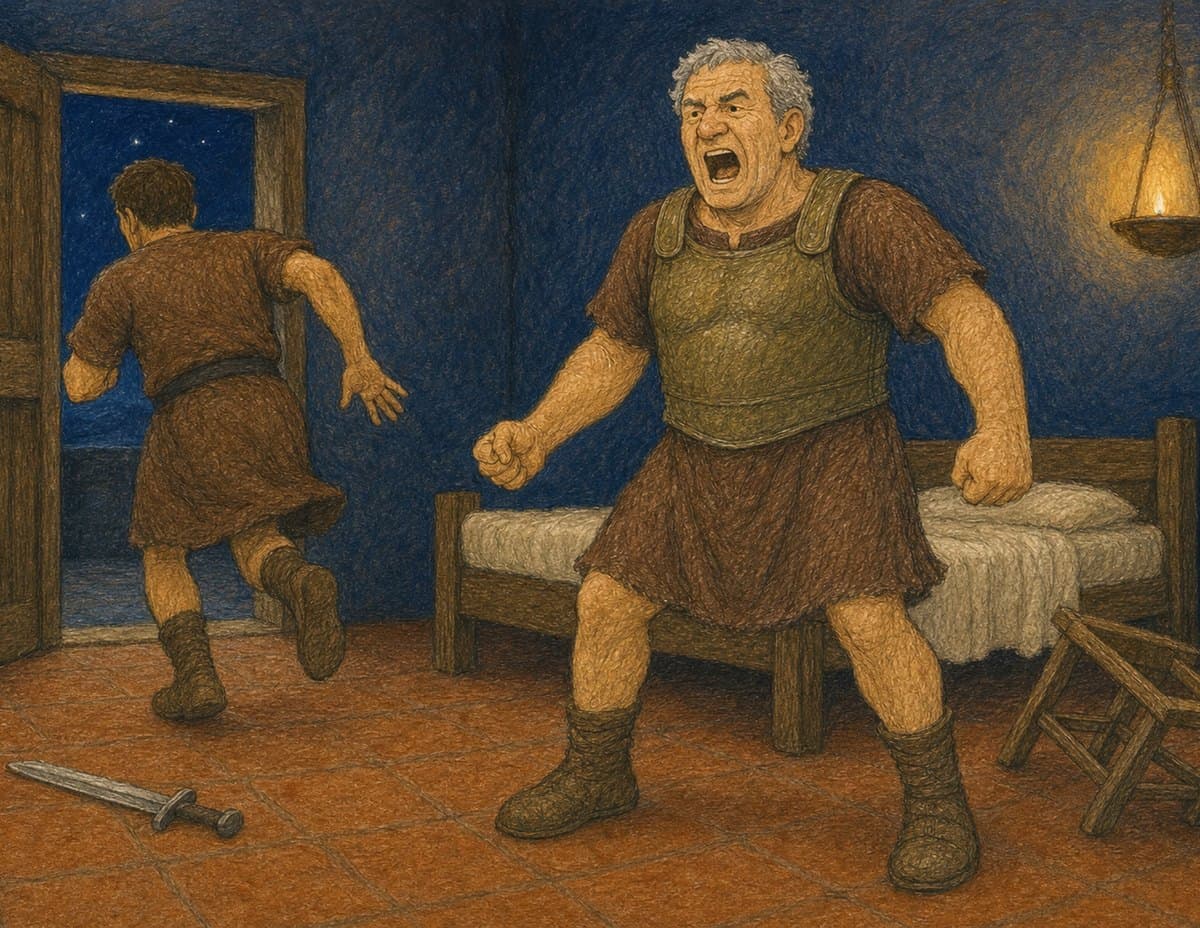
Two boys, born a world apart, who both grow up able to win almost any fight, and who could not be more different in what they do with it. Pyrrhus is a prince who sails from war to war and cannot rest even after he has won. Marius is a poor farm boy who climbs to the very top of Rome and still cannot stop wanting more. Underneath runs a question even a four-year-old can feel: why can neither of them ever stop? Soft crayon-and-colored-pencil pictures on every page.
Coming soon
Ages 6–10 · Early Independent
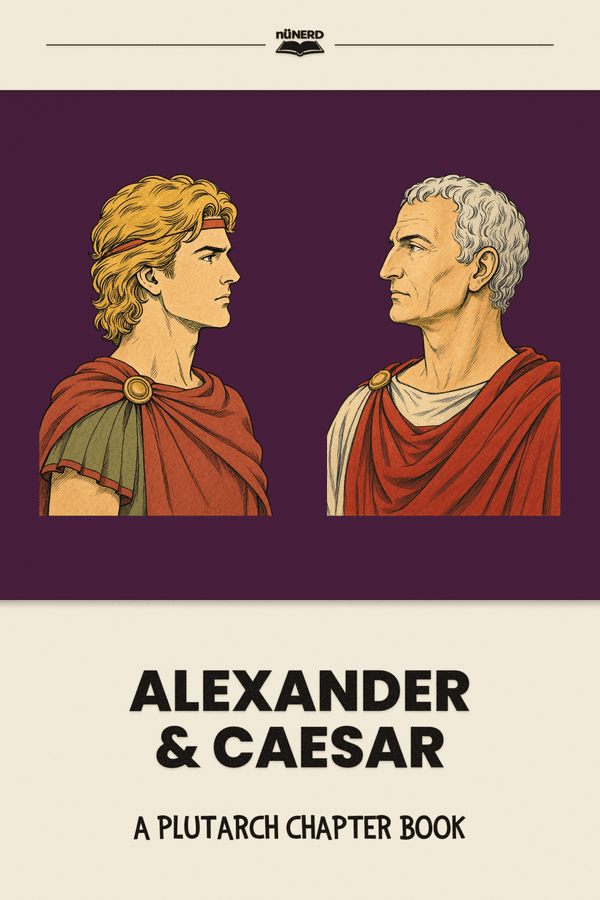
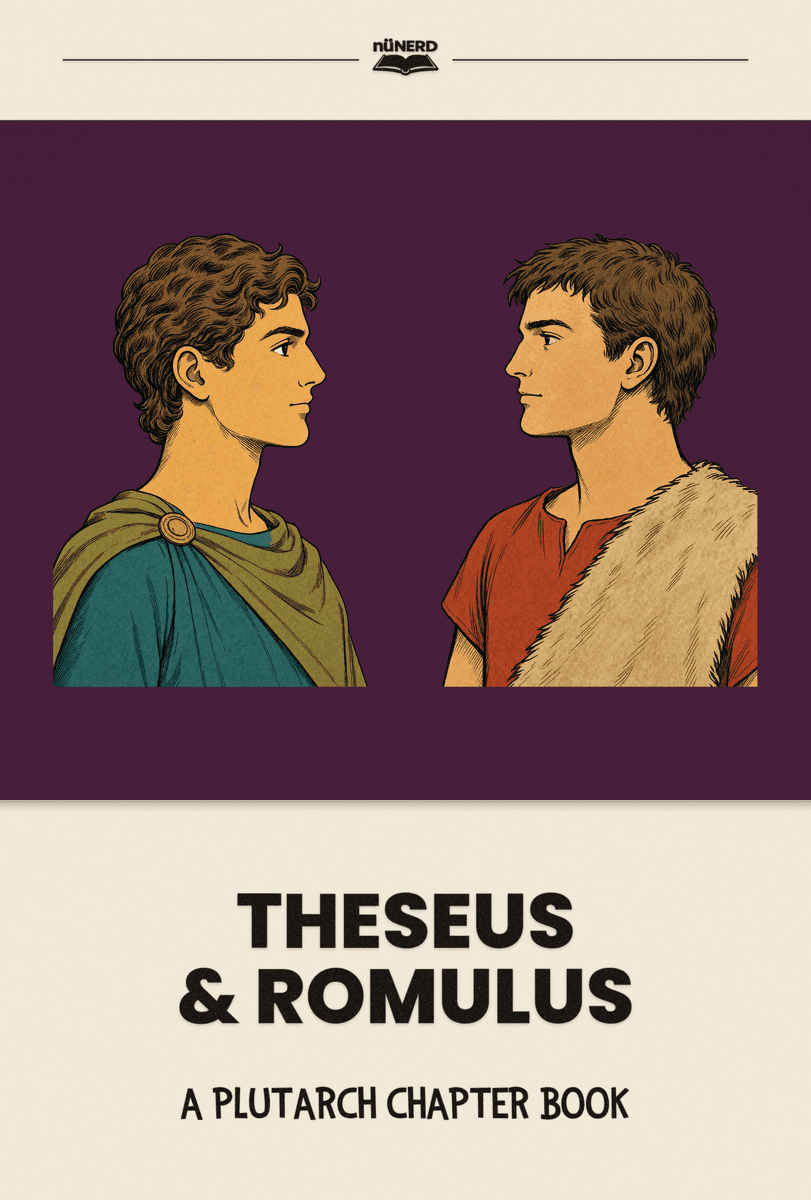
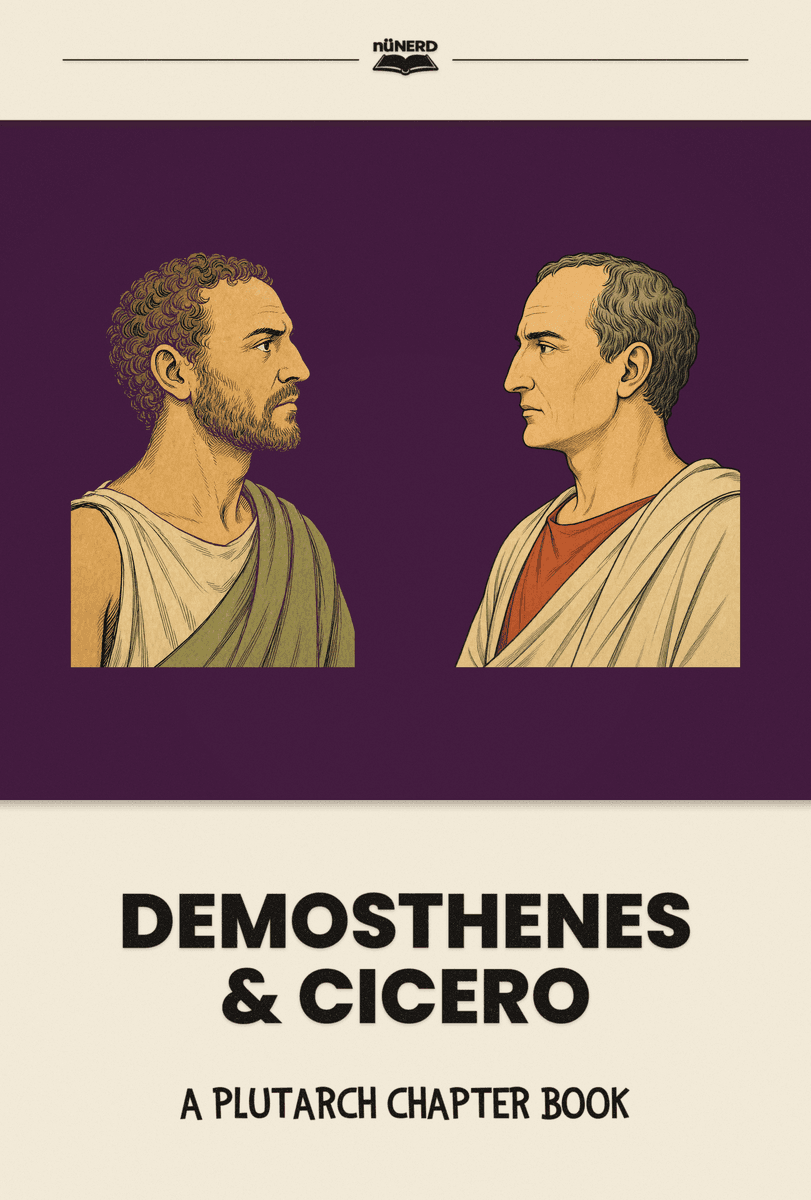
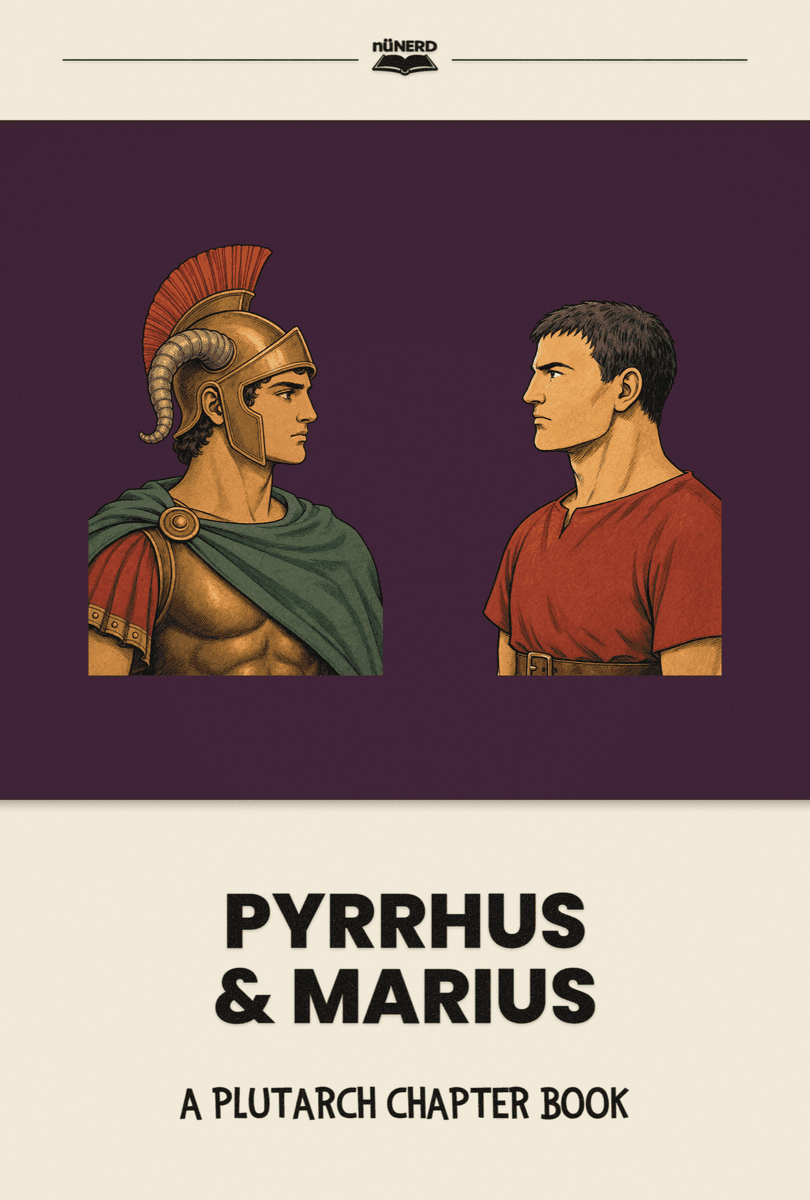
Pyrrhus & Marius: A Plutarch Chapter Book
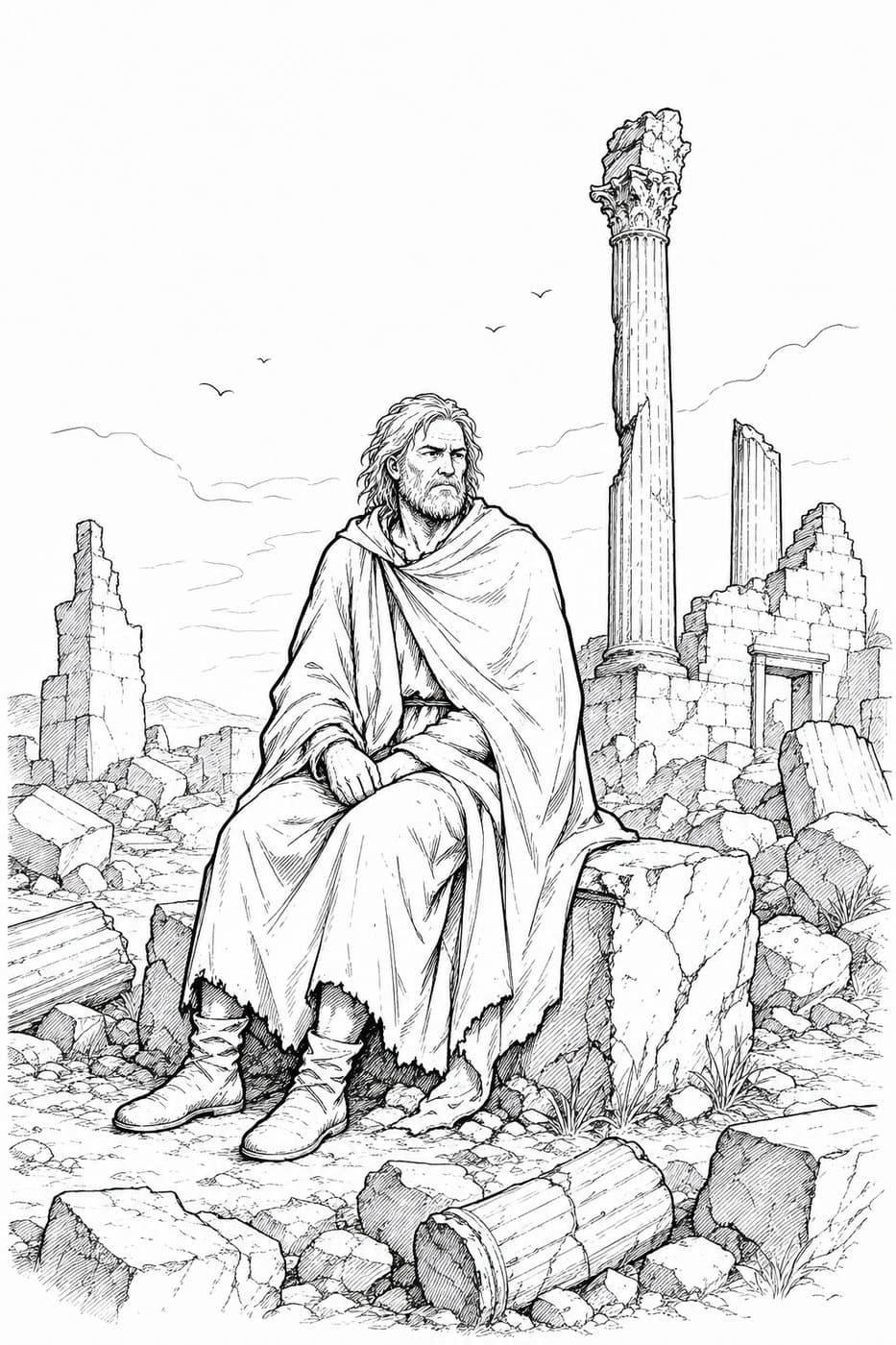
Chapter Book (6" × 9") · Black & White Illustrations
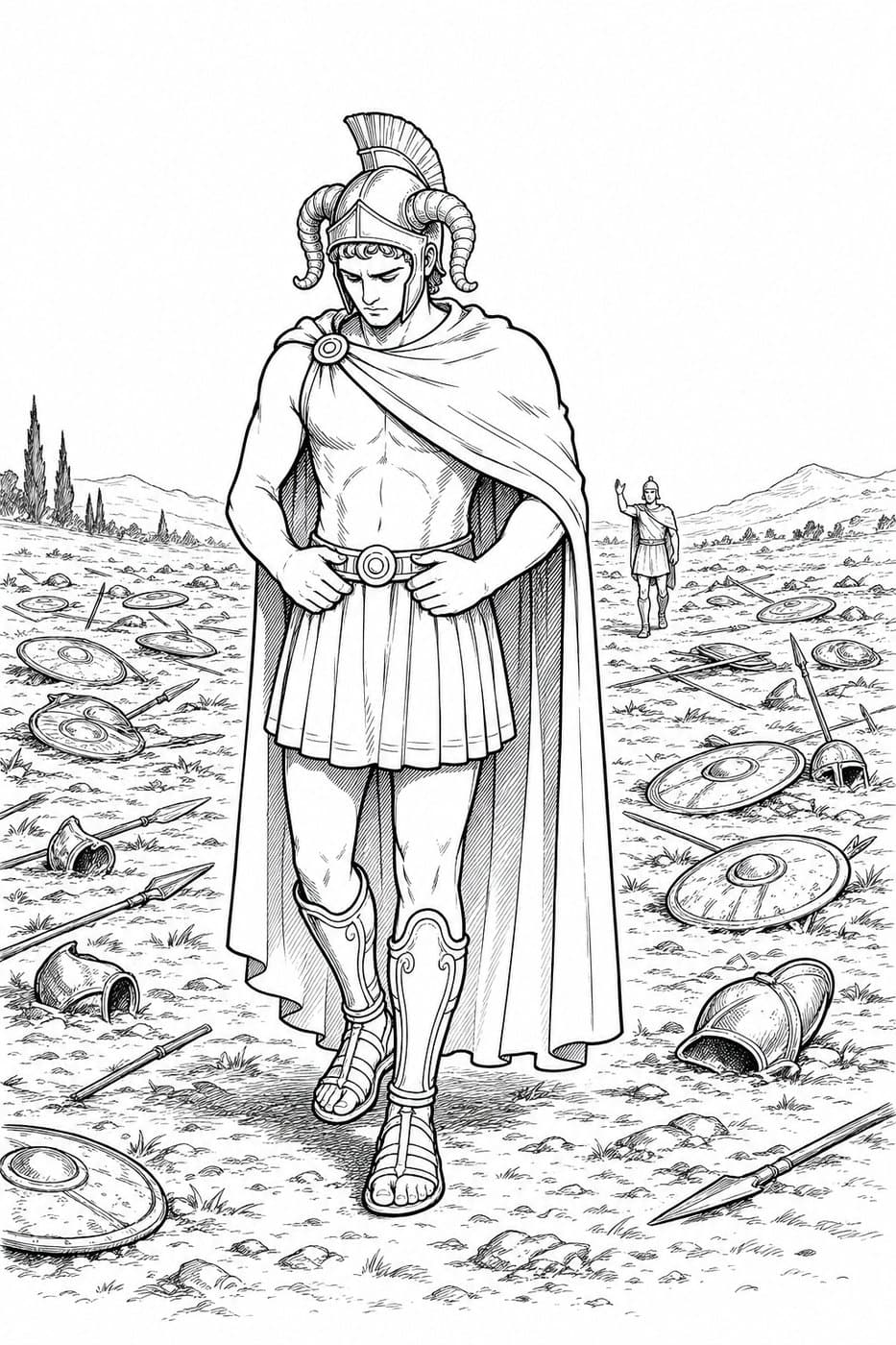
Two soldiers who almost never lost a battle, and still lost almost everything the winning was for. Pyrrhus beats mighty Rome with war elephants; Marius rises from a mud farm to save Rome from an invasion that had wiped out army after army sent against it. This chapter book tells both lives in full, the hard parts included, then sets the two men on the scale the way Plutarch did, and it is honest with your child about where the old sources disagree. Sixteen black-and-white vintage line illustrations.
Coming soon
Ages 10–14 · Independent
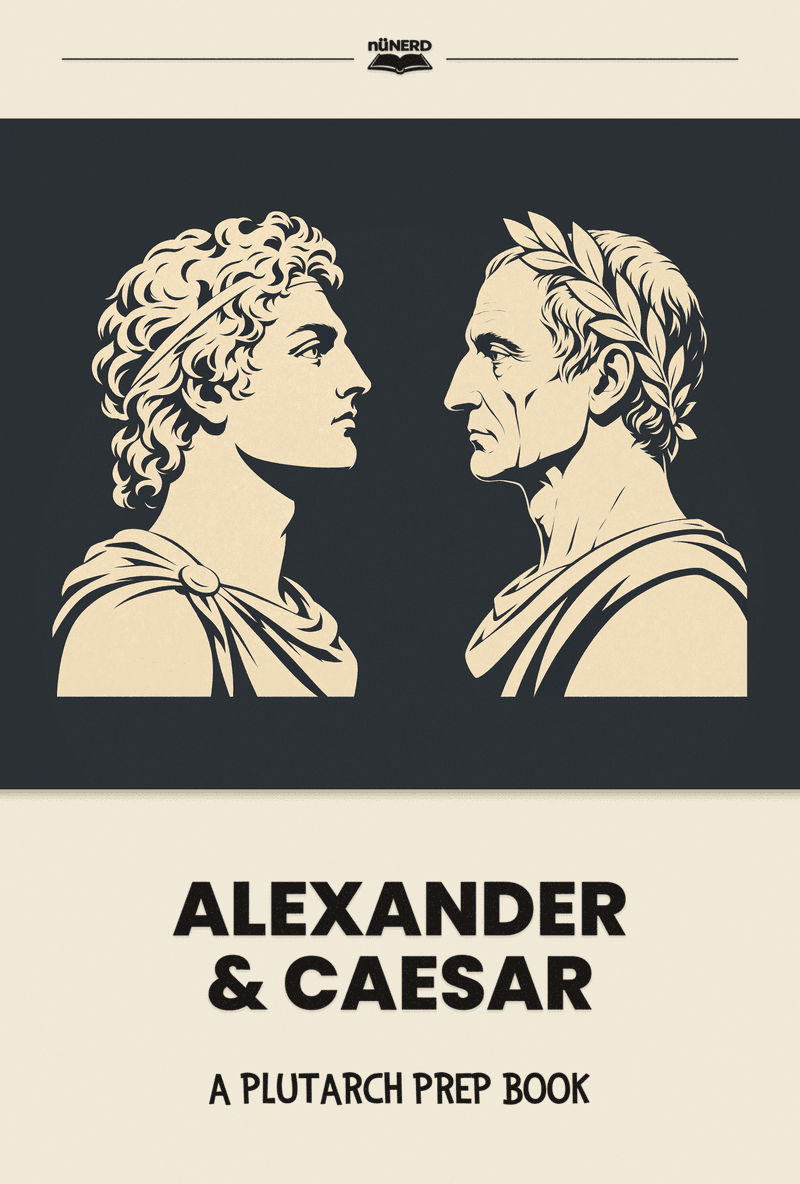
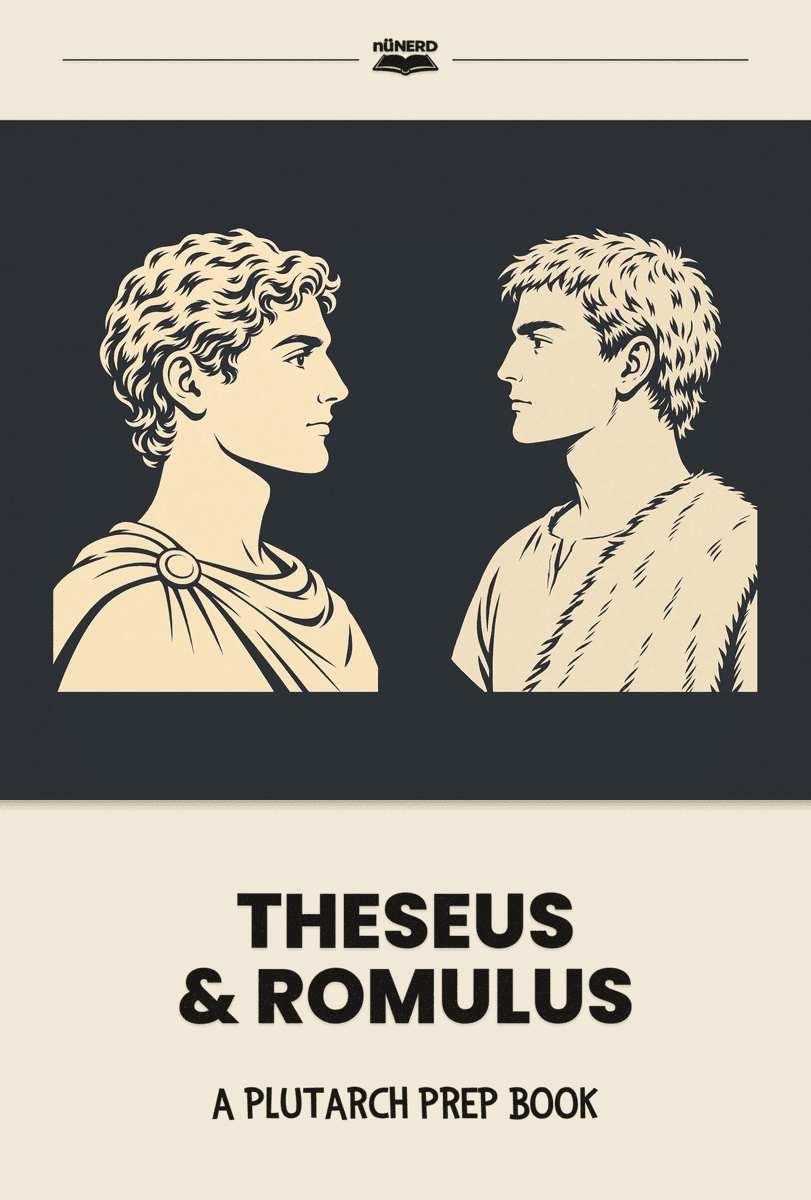
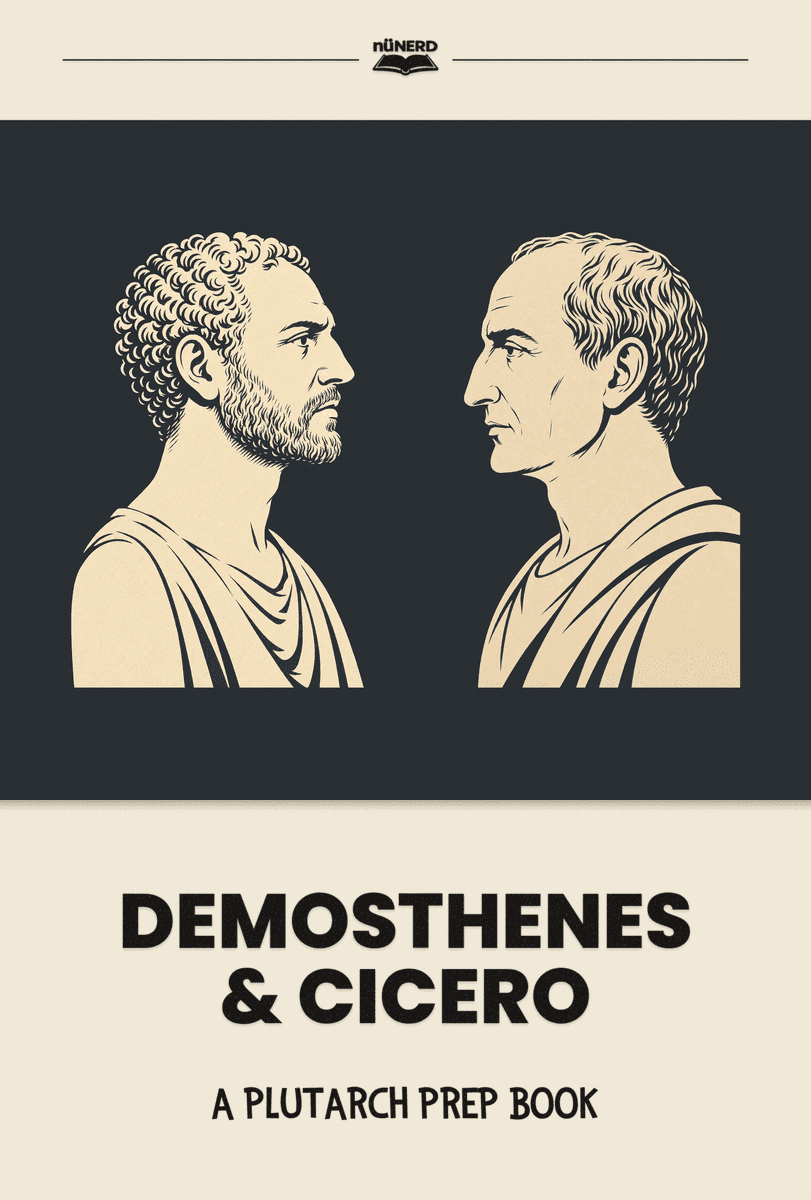
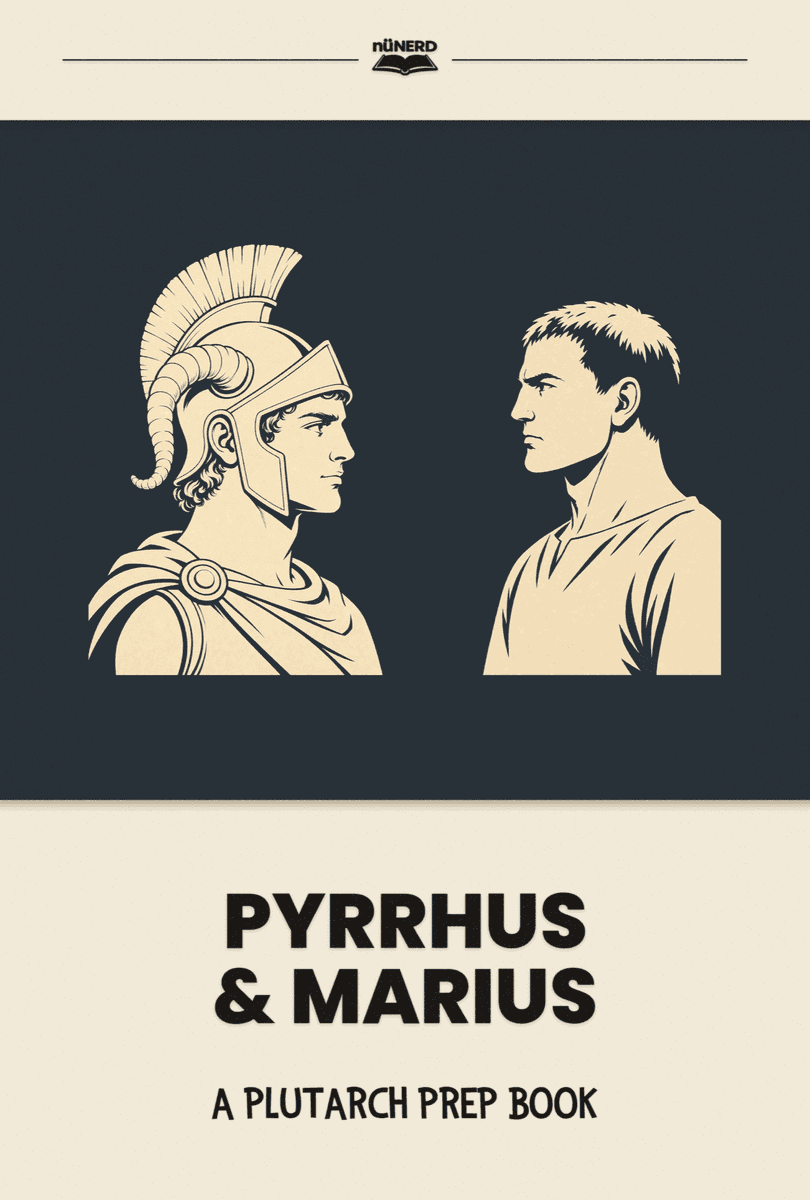
Pyrrhus & Marius: A Plutarch Prep Book
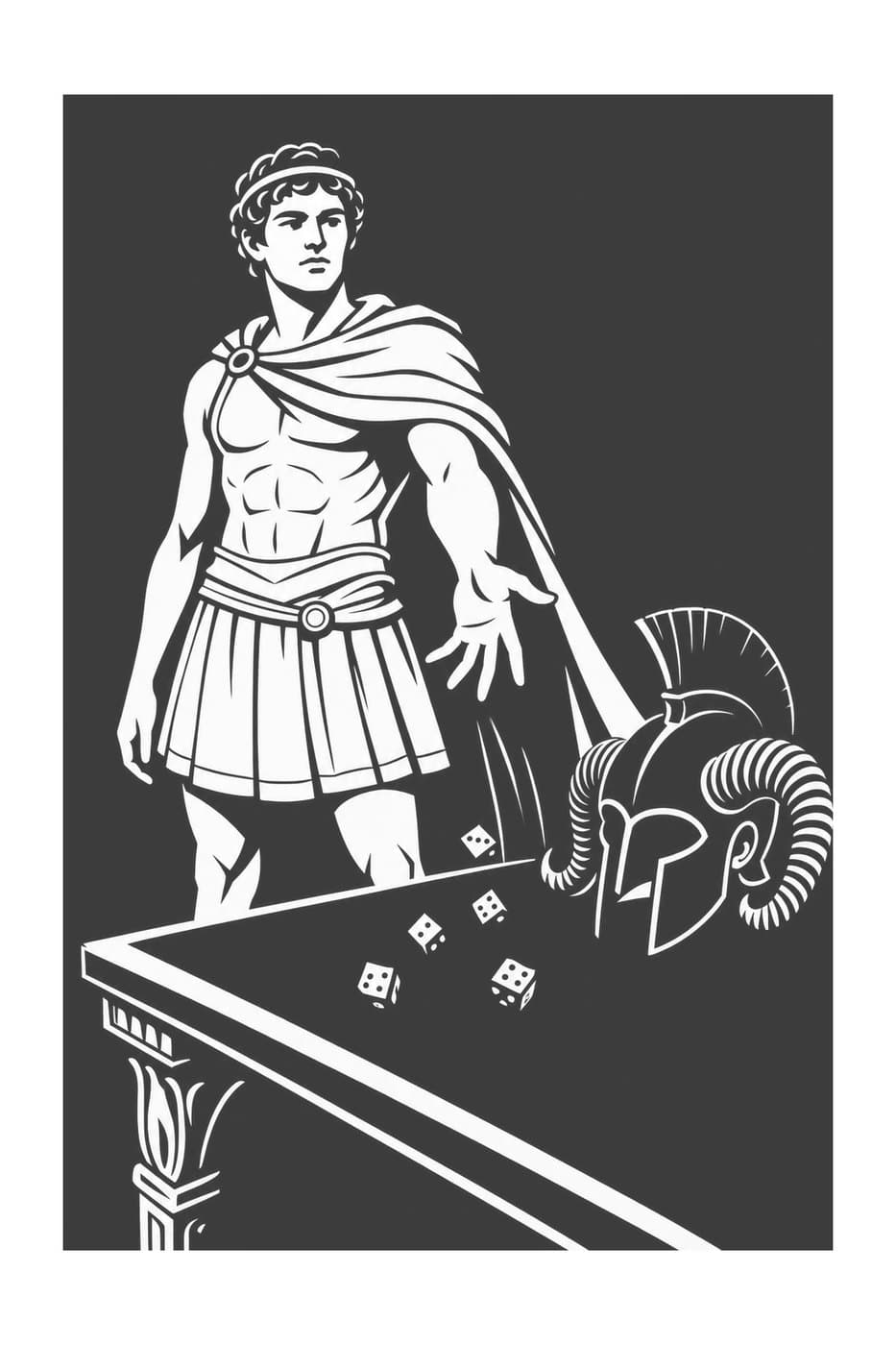
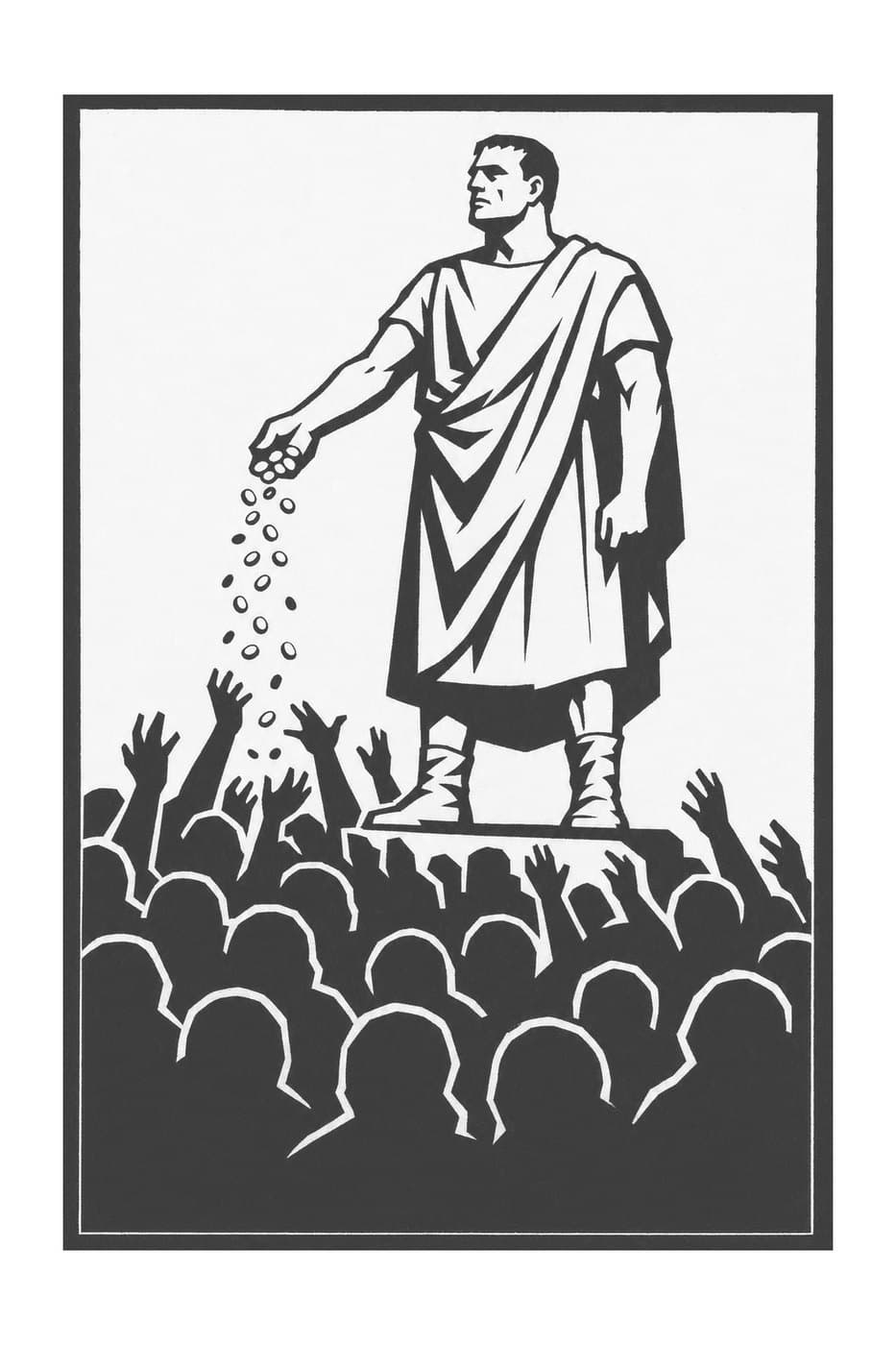
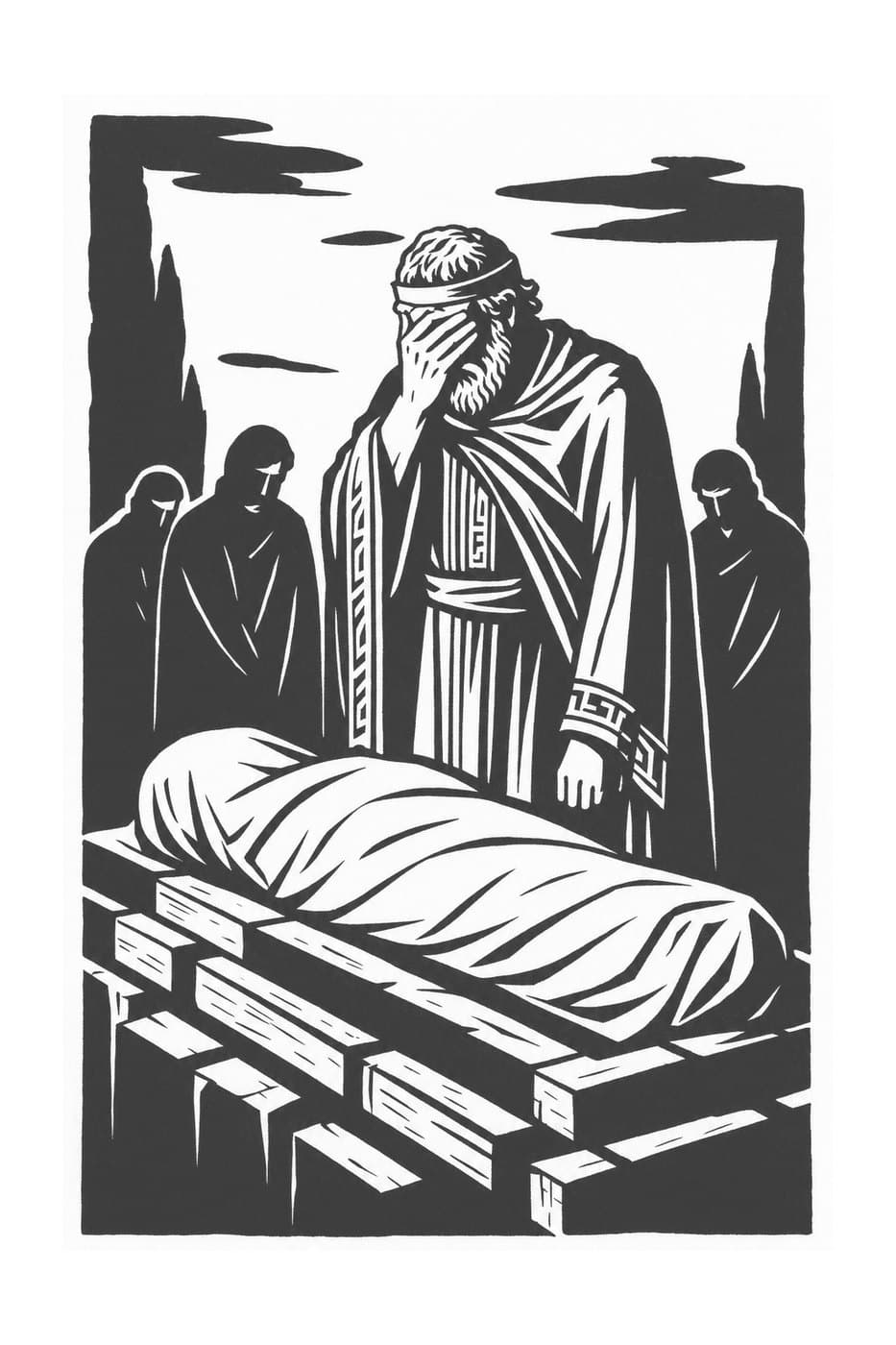
Prep Book (6" × 9") · Black & White Woodcut
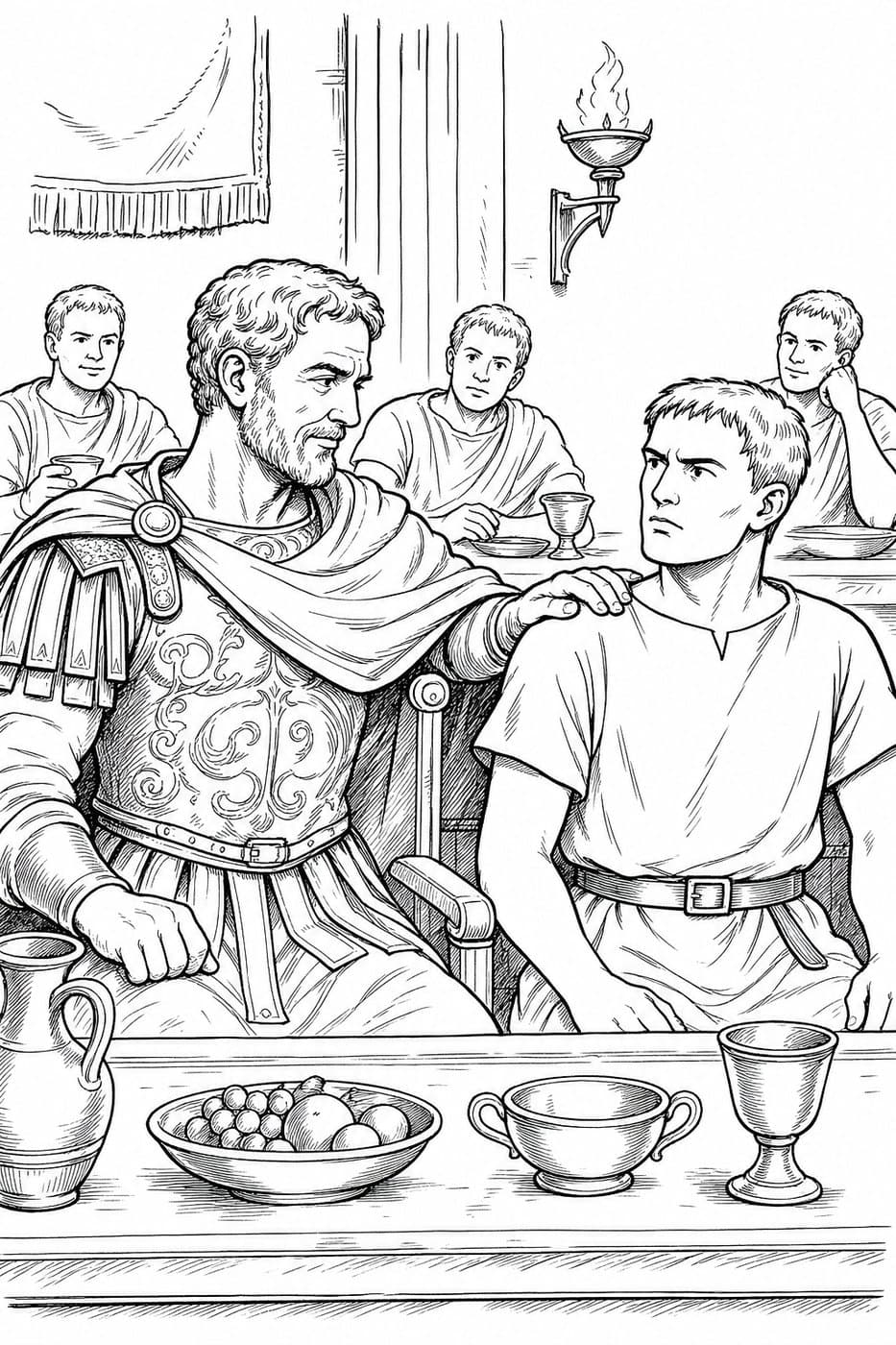
Hannibal called Pyrrhus the greatest soldier who ever lived, and Pyrrhus ended with nothing to show for it. Marius rose from a farm to save Rome, then terrorized it. This prep book does not retell the two lives scene by scene. It weighs them, question by question, the way Plutarch built the pair to be read: where each man's gift came from, what it could never do, what their victories truly cost, and why neither one could stop. Your reader reaches a verdict of their own, knowing that no verdict from Plutarch survives, so the last word is theirs. Fifteen black-and-white woodcut illustrations.
Coming soonFree resources
Read Pyrrhus & Marius free
Our books are built to get kids ready for the real thing. When they are, here is the real thing, free: the public-domain text, a volunteer-read audiobook, and background worth a parent’s time.
Background for parents
- Pyrrhus (World History Encyclopedia)
The king with costly victories, where the phrase "a Pyrrhic victory" comes from, and the background behind the Greek half of the older books.
- Gaius Marius (World History Encyclopedia)
The farm boy who saved Rome and then nearly unmade it, the background behind the Roman half of the chapter and prep books.
Go deeper
- Plutarch (World History Encyclopedia)
Why Plutarch pairs a Greek with a Roman and weighs them, the method the prep book teaches a reader to use.
- Study Guide for Plutarch's Life of Pyrrhus (AmblesideOnline)
A free Charlotte Mason study guide to the Greek half of the pair, with the full text and narration questions. AmblesideOnline has no Marius guide, so this covers Pyrrhus only.
Read Plutarch free (this pair's two Lives)
- Plutarch, Life of Pyrrhus (LacusCurtius)
The complete Life of the Greek king, the actual source behind the chapter and prep books, free in one sitting.
- Plutarch, Life of Caius Marius (Internet Classics Archive)
The complete Life of the Roman general, in the classic Dryden translation. Unlike most pairs, this one has no closing Comparison at its end, the very fact the prep book is built around.
Read or listen with your kids
- Our Young Folks' Plutarch, by Rosalie Kaufman (Baldwin Project, free text)
A children's retelling of Plutarch with its own Pyrrhus and Caius Marius chapters, gentle enough to read aloud.
- Our Young Folks' Plutarch (LibriVox, free audiobook)
The same children's retelling, read aloud, with Pyrrhus as chapter 27 and Caius Marius as chapter 39.
Read more
Why Plutarch Paired Pyrrhus with Marius
Plutarch matched a Greek king against a Roman farm boy because they are one warning told twice: two soldiers who could win almost any battle, never learned when to stop, and lost everything the winning was for. No final verdict on the pair survives, which leaves the judgment to the reader.
Read the post