August 17, 2026
How to Start Plutarch in Your Homeschool
The simplest way to start Plutarch in your homeschool is to begin with the Life of Publicola, read a few paragraphs at a time, after spending one evening getting the story into your own head first. Plutarch's Parallel Lives carries a reputation for being hard, the sentences are long, the names pile up, and most curricula wait until a child is nine or older. All of that is real, and none of it should stop you. The on-ramp is gentler than the reputation, and this guide walks the whole run-up: which life to read first, how to prepare yourself, which translation to reach for, and what a first term looks like when you sit down to actually do it.
Which Plutarch life should you start with?
Start with Publicola. Among Charlotte Mason homeschoolers it is the standard first life for a plain reason: it is short, the story moves, and it comes with beginner study notes that most of the harder lives don't have. AmblesideOnline, the free curriculum most CM families lean on, schedules Plutarch from Year 4 and points newcomers straight at its Publicola study guide, which breaks the life into about a dozen manageable lessons with notes and questions. If you'd rather start somewhere even lighter, Anne White's The Practical Plutarch builds a six-lesson study around the Life of Eumenes, another common "first Plutarch."
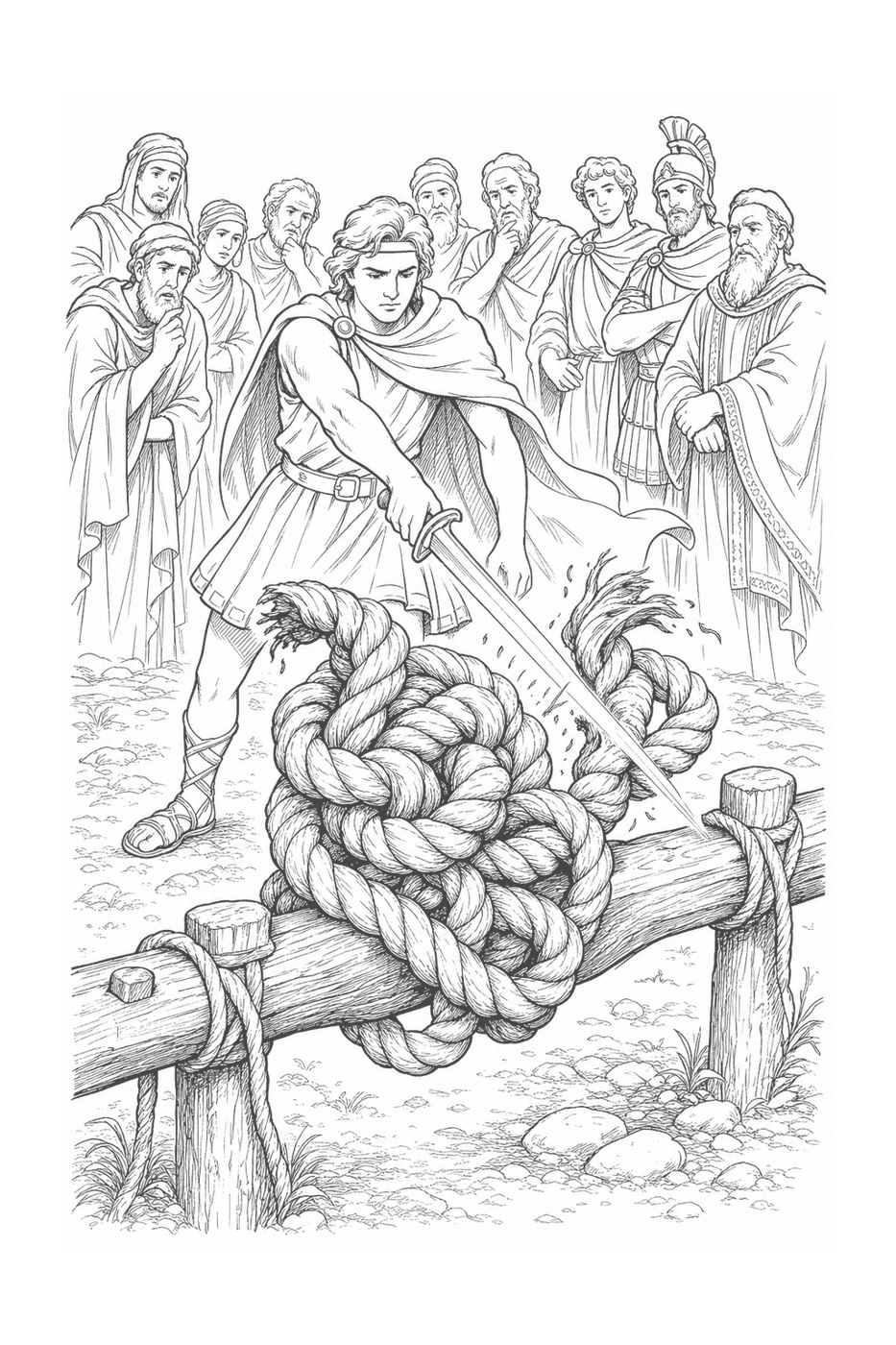
There is a second way to choose, and for a lot of families it works better: start with a name your child already half-knows. A kid who has heard of Alexander the Great or Julius Caesar walks into those lives already leaning in. Publicola is the gentle first step; Alexander and Caesar are the ones that hook. Either is a fine place to begin. The wrong move is to open the fattest life in the book, hit a wall of unfamiliar names, and decide Plutarch isn't for you.
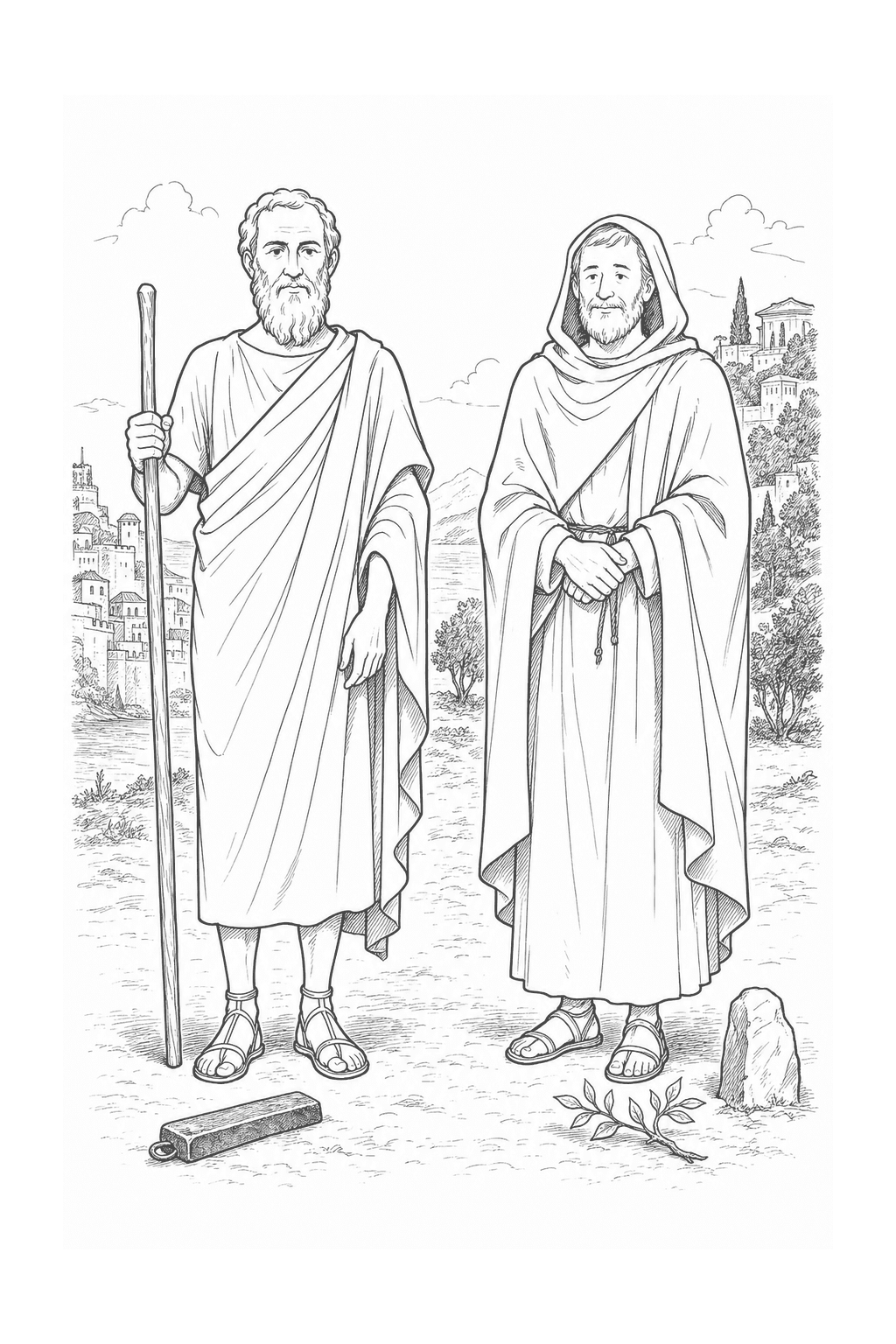
One nice accident worth knowing: Publicola is one half of a pair. Plutarch wrote the Lives two at a time, one Greek beside one Roman, and Publicola is matched with Solon, the great lawgiver of Athens. You don't have to read the pair together to start, but the pairing is the whole idea of the book, and it's the thing most children's versions quietly drop.
What age do you actually start Plutarch?
Around nine, if you follow the curricula, and much earlier, if you just want to read the stories. AmblesideOnline begins in Year 4, Memoria Press uses Famous Men of Rome in grades 4–5 to build background first, and classical programs like Veritas and Well-Trained Mind reach Plutarch himself in the middle-school or rhetoric years. That is the formal start, the point at which a student reads the real text and narrates it.
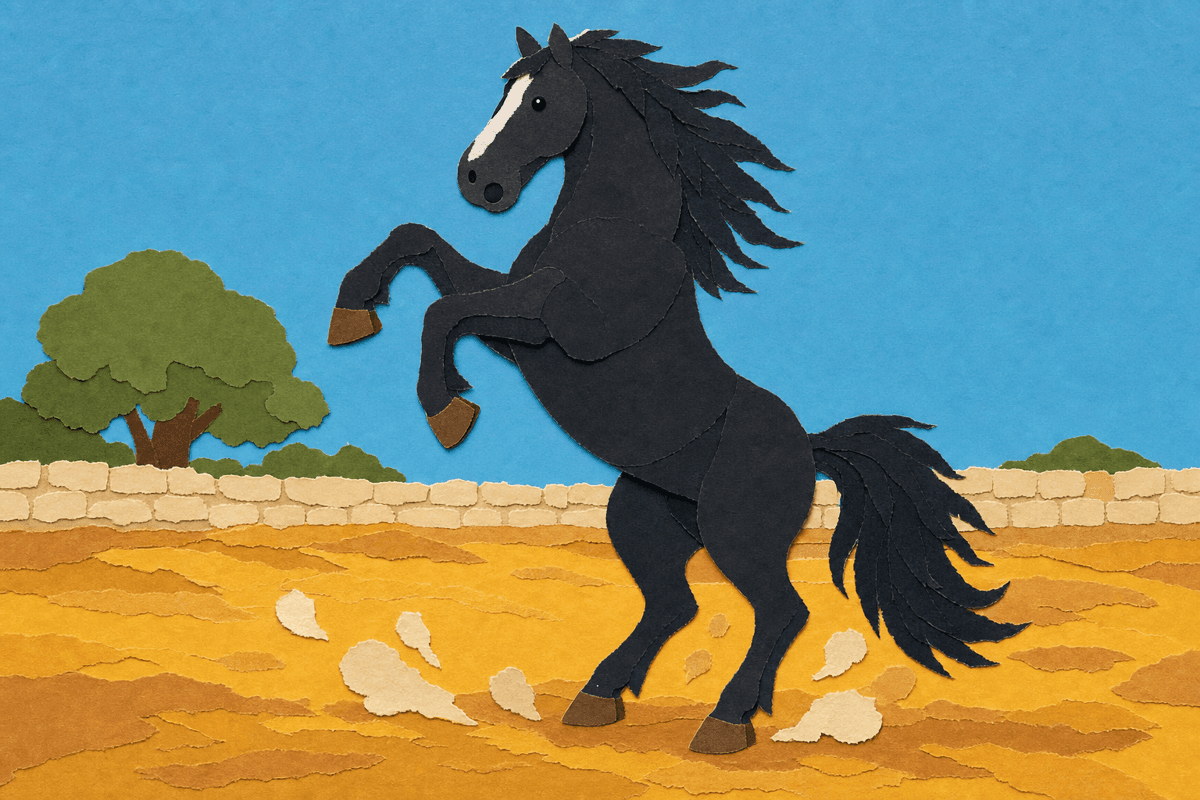
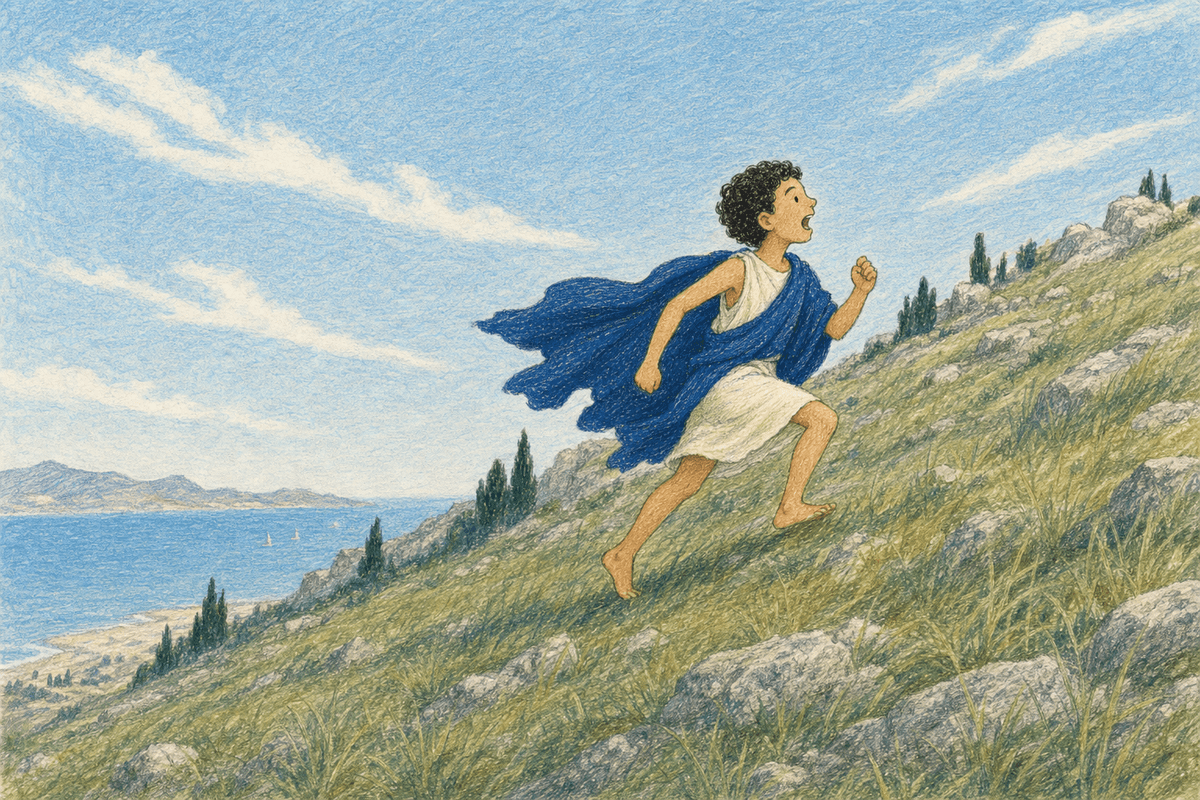
But Plutarch's stories are far older than any reading level, and they read aloud to a five-year-old just fine: a boy taming a wild horse, a young Caesar captured by pirates and joking with them about the ransom. Reading those aloud years early plants the names and the scenes, so that when the formal work begins, the names on the page are already familiar. We wrote a whole separate guide to that runway, how to read Plutarch with kids, age by age, if you want the by-age version.
Get yourself ready first (the step everyone skips)
Here is the part almost every experienced Plutarch parent will tell you, and almost every beginner skips: read the life yourself before you read it with your child. Not all of Plutarch, just the one life you're about to teach, once, ahead of time. The language is thick on a first pass and clearer on a second, so the reading you do alone is what makes the reading you do together land. You are not cramming for a test; you are getting the shape of the story into your head so you can read with expression and field the "wait, who is that?" questions.
You do not need to have read all of Plutarch, and you do not need a classics degree. A short retelling for grown-ups does the job: F. J. Gould's century-old Children's Plutarch is a warm, plain place to start, and so is listening to a Plutarch podcast episode on the life while you do dishes. The goal is modest: know the story well enough to tell it.
This is also part of what our own prep books are for. The ages 10–14 level in each Plutarch's Lives for Kids pair, the prep book, weighs the two lives question by question and teaches Plutarch's way of comparing directly, so it works as a primer for the parent as much as a book for the teen. You can read one in an evening and walk into the lesson knowing what the pair covers and where its ending lands, without opening the ancient text first.
Which translation of Plutarch is best?
For families, the answer is one of the older translations, gently edited, not a modern academic paperback. The two names you'll see are Thomas North (1579), the version Shakespeare himself read, full of rich, ringing language, and John Dryden (1683), which is easier on a modern ear. Many homeschoolers read a blend: Dryden for clarity, North for character. The revision most CM families actually use is the Dryden text edited by Arthur Hugh Clough, and AmblesideOnline's Plutarch study guides are built on gently-edited versions of exactly these, with confusing or inappropriate passages trimmed so you don't have to pre-screen every page.
Two cautions. First, some modern editions split the Greek and Roman lives into separate volumes and drop Plutarch's comparisons entirely, avoid those, because the comparison is the point. Second, for your own pre-reading the Modern Library Dryden is the usual grown-up recommendation, but it is the adult text, not a child's edition.
What does a first term of Plutarch look like?
Small and regular beats long and rare. The common rhythm is one short passage a week, or even a paragraph a day in a morning-time slot, working through a single life over a term of ten to twelve weeks. A lesson is simple: give a one-line overview of what's about to happen, write the hard proper names where your child can see them, read a passage aloud with your child following along, and stop two or three times to ask "tell me what happened." That retelling, narration, in CM language, is how the story becomes the child's own. Keep sessions to fifteen or twenty minutes and let a map of Greece or the Roman world sit nearby for the battles and journeys.
| Week | Roughly | What you do |
|---|---|---|
| 1 | Set the stage | Read the study-guide intro; find the life on a map; meet the main names |
| 2–10 | One passage a week | Read a passage aloud, narrate 2–3 times through it, add names to a running list |
| 11–12 | Look back | Retell the whole life; if you read its pair, ask which man your child admires more, and why |
The last question is where Plutarch stops being history and becomes what he was built to be, a way to weigh one life against another and judge character for yourself. You don't have to name it a "synkrisis." You just have to ask it.
Every topic, its own book at each reading level
History, philosophy, and classic literature for kids ages 0–14.
Free resources for getting ready
You can do all of this without spending a dollar. AmblesideOnline's Plutarch page is the hub: free study guides for dozens of lives, plus a short, encouraging Why Read Plutarch? essay worth reading before you start. Anne White's The Practical Plutarch and her individual guides are free to download. The full public-domain texts and free audiobooks live at LacusCurtius, Project Gutenberg, and LibriVox. Our Plutarch resources page gathers the main ones, with notes on which is which.
Can younger kids start Plutarch too?
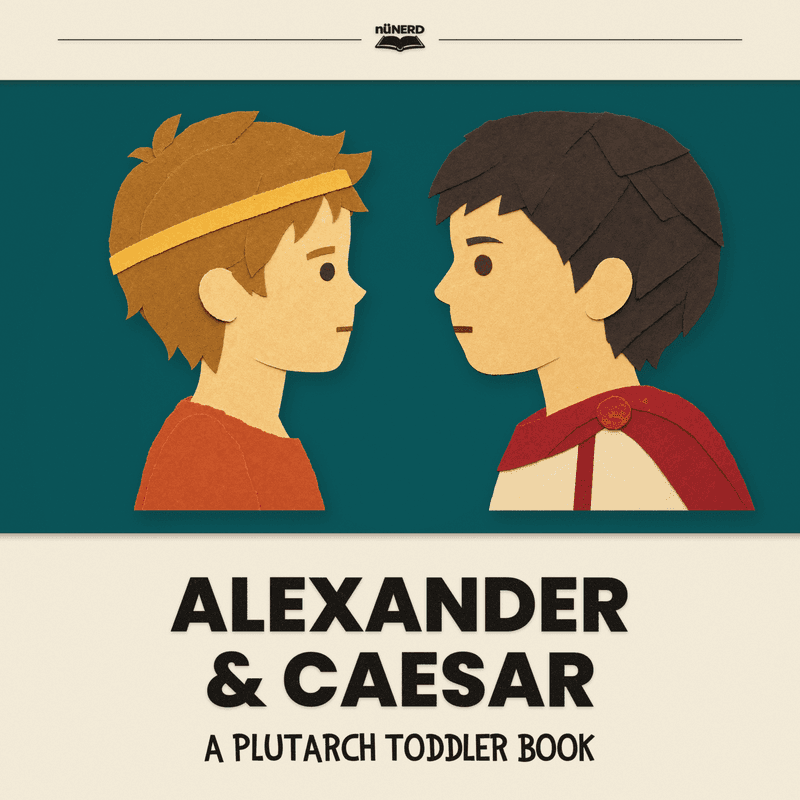
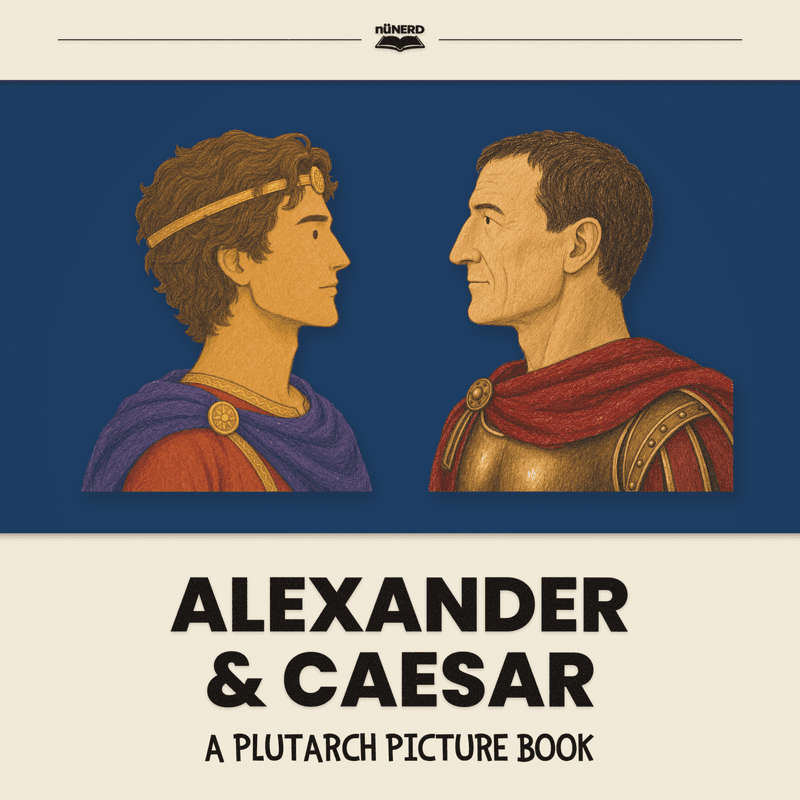
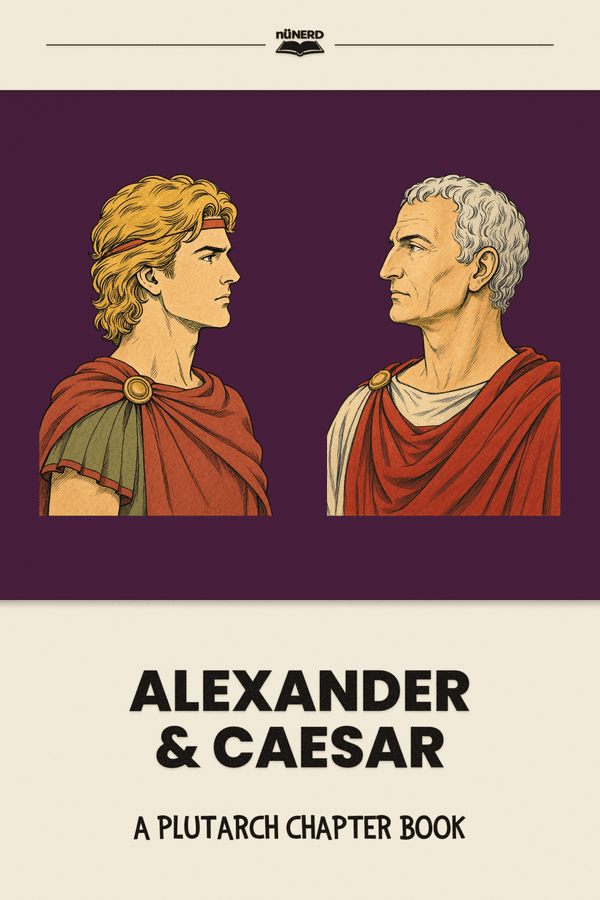
Yes, and it may be the best thing you do for the older kids' Plutarch years. When a child has met Alexander or Theseus as a five-year-old, the story, the name, the one unforgettable scene, the Year 4 reading isn't a cold start, it's a reunion. That is the whole reason we built Plutarch's Lives for Kids as its own book at every reading level rather than one text leveled up and down: a toddler book, a picture book, a chapter book, and a prep book for older readers, each pair carried across all of them, so a five-year-old and a twelve-year-old can meet the same two lives in the same week and talk about them at dinner.
Alexander & Caesar, two of the most famous conquerors in history, is the pair we built first:
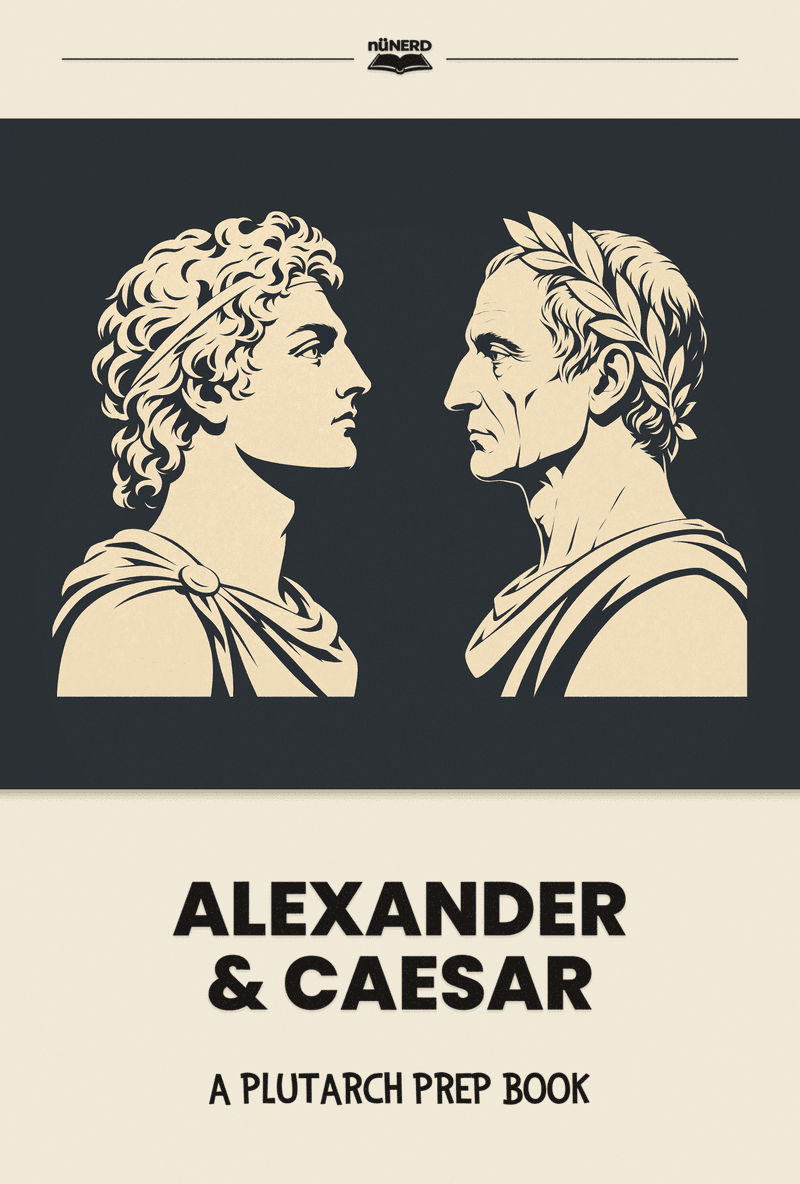
Wherever you start, and whatever you read from, the move that matters is the small one: open one life, read a little, and ask your child to tell it back. That's the whole method, and you can start this week.
Like the Plutarch pairs, our classic-literature books give each reading level its own book: Don Quixote and Beowulf each come as a toddler book, a picture book and a chapter book.
Frequently asked questions
Do I have to read both lives in a pair?
No. You can start with a single life and get everything Plutarch offers a beginner. Plutarch wrote in pairs and added a short comparison at the end, and reading the two together is the richest version, but that is the payoff, not the price of entry. Plenty of families read one life a term and come back for its partner later.
Is Plutarch appropriate for young kids?
Mostly, with a caveat: Plutarch wrote for adults, and some lives include battlefield violence, betrayal, and other mature moments. Most homeschoolers lean on study guides, like AmblesideOnline's free Plutarch guides, which break each life into weekly lessons and flag the rougher passages so you can decide what to skip; the guides note mature sections rather than stripping them out, so you stay in control of what your child hears. If you read straight from an unabridged translation, preview the life first, or read it aloud so you can skim past anything you would rather skip.
Plutarch or Famous Men of Rome, which comes first?
They do different jobs, and many families do Famous Men first. Famous Men of Rome (and of Greece) are short, plain retellings that build background, who these people are and when they lived, usually around grades 4–5. Plutarch is the real text, read a little later for character and citizenship rather than for history. Reading the Famous Men version of a figure first makes the Plutarch life easier when you get to it; you do not have to pick one forever.
Can I teach Plutarch to mixed ages, or in a co-op?
Yes, it may be the format Plutarch suits best. Because a lesson is read aloud and then narrated back, one reading can serve several ages at once: younger children catch the story, older ones weigh the character. That is the idea behind our own leveled pairs too, a five-year-old and a twelve-year-old can meet the same two lives the same week, each in a book built for how they read, and compare notes at dinner.