August 20, 2026
How to Teach Kids Philosophy, and the Books We Made for It
The best way to teach kids philosophy is to hand them tools instead of lectures, and to start with real thinkers rather than watered-down abstractions. nüNERD makes its philosophy books the same way at every level: Stoicism, Marcus Aurelius, and Machiavelli each come as their own book at each reading level, built from the source material. This is a parent's guide to teaching kids philosophy early, and to the specific books we made for it.
How do you teach philosophy to a child?
You give them the practice, not a sermon. Stoicism, for a young child, is one usable question, what is up to me, and what is not?, reached for when a tower falls or a plan breaks. That is a tool a four-year-old can actually use, and it is the same tool Marcus Aurelius used as a Roman emperor. Teaching philosophy to kids works when the idea is small enough to try and true enough to keep.
From the books
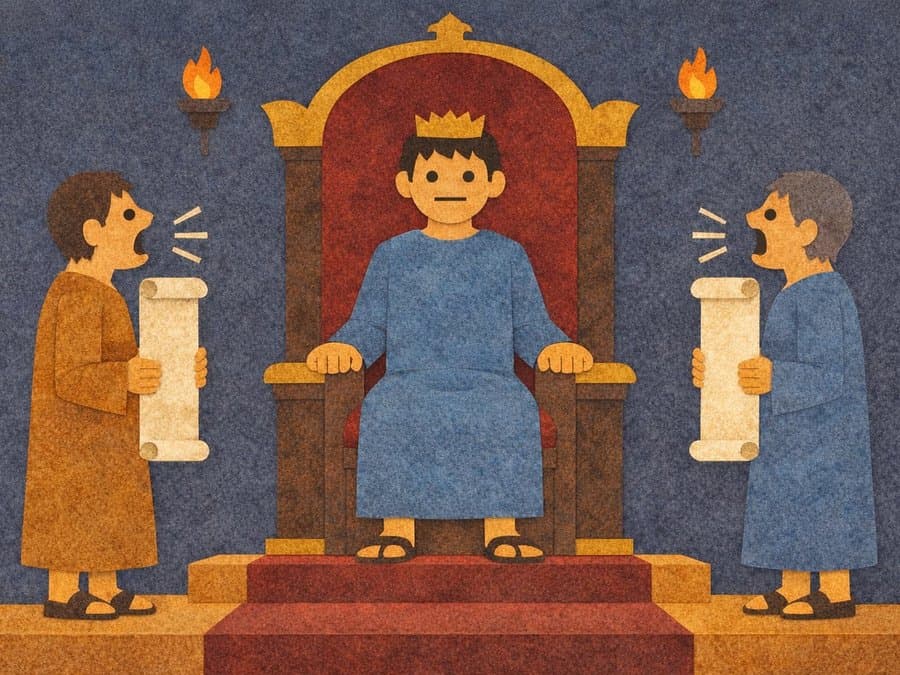
Stoicism · Toddler book, ages 0–4
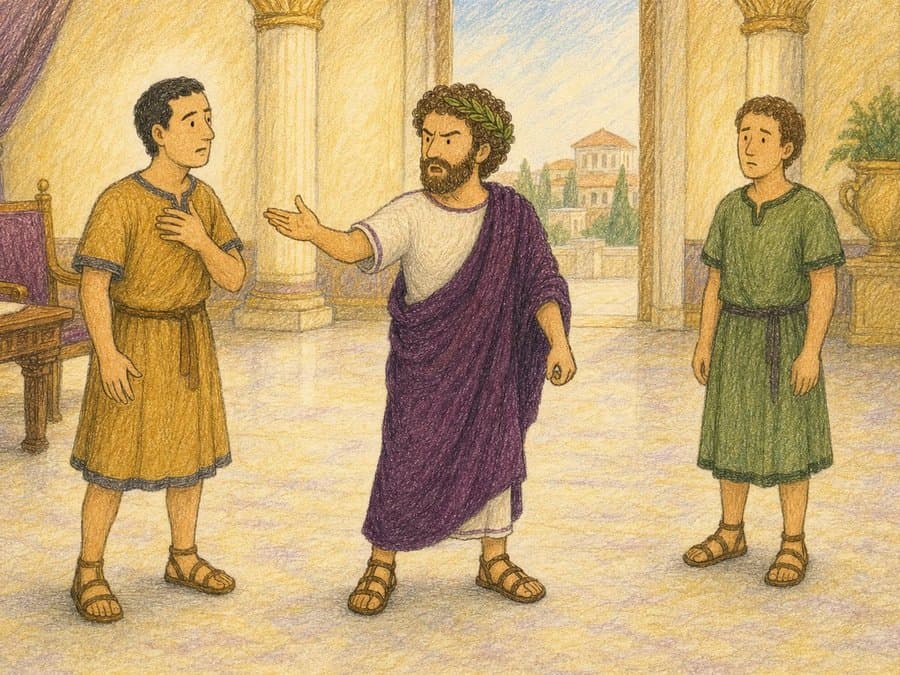
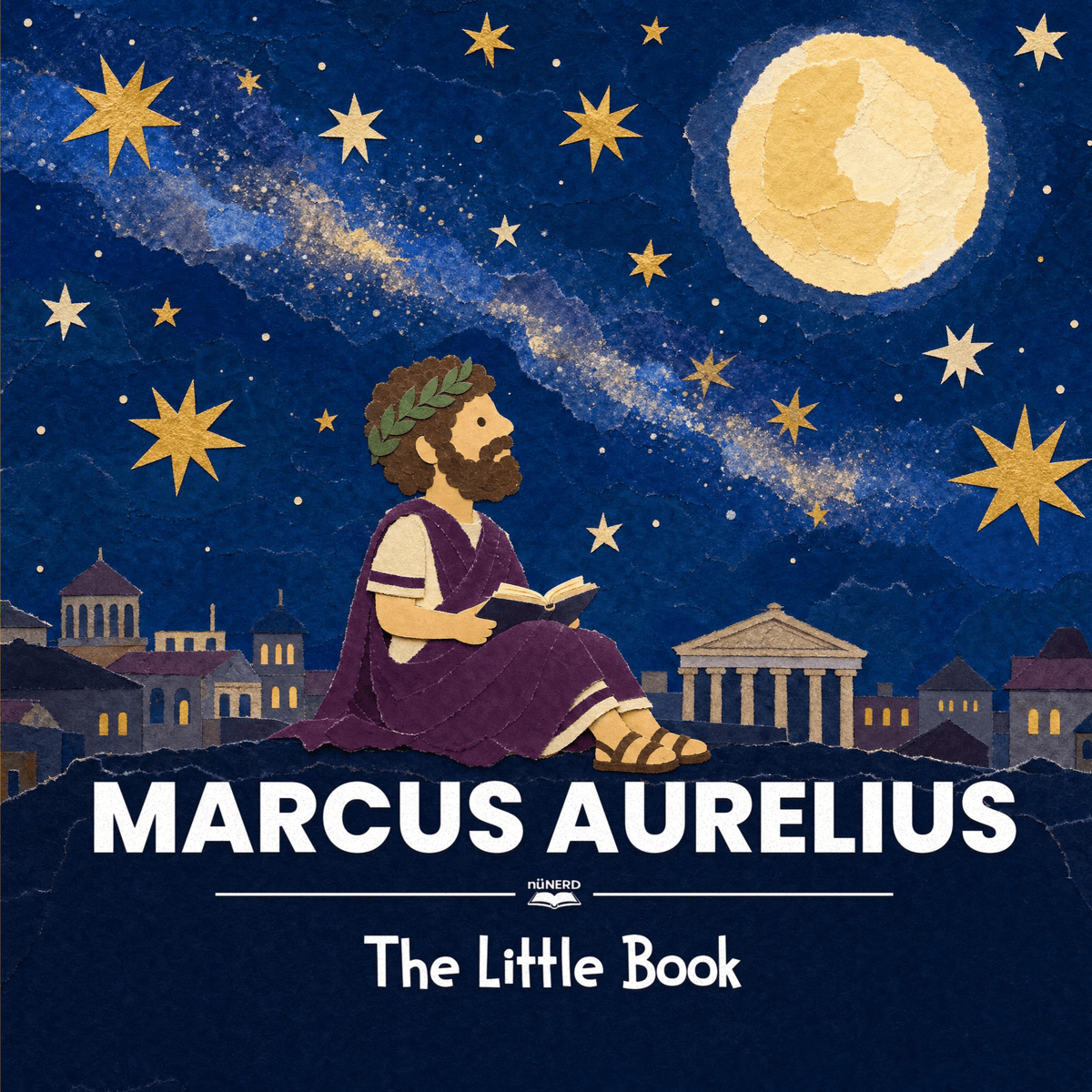
Marcus Aurelius · Picture book, ages 3–7
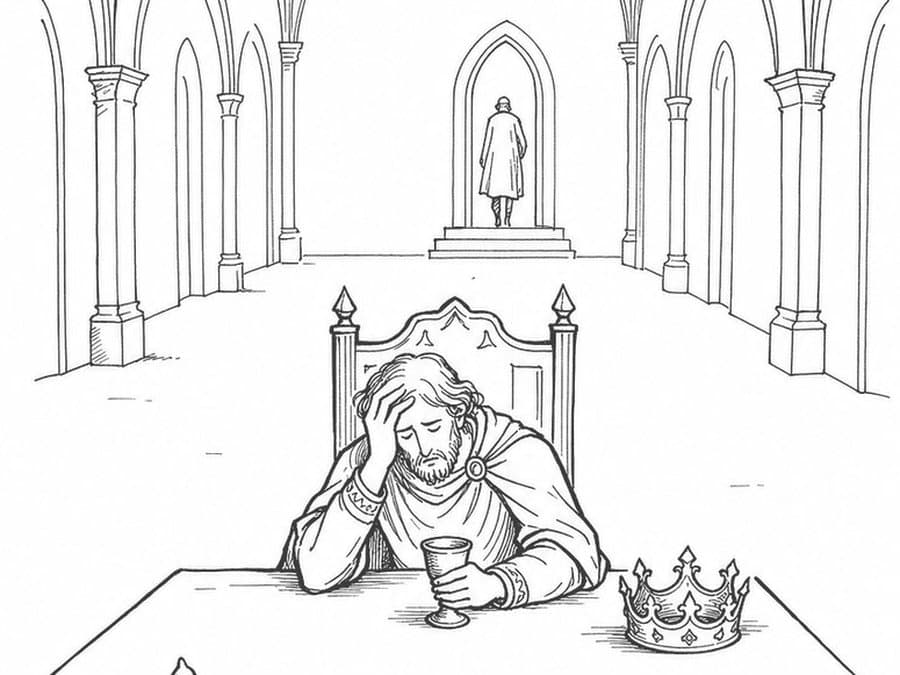
Machiavelli · Chapter book, ages 6–10
The best philosophy books for young kids
For the youngest philosophers, start with Stoicism and Marcus Aurelius. Stoicism, at the toddler and picture-book levels, is about steering a big feeling rather than suppressing it, a place to put the feeling and a next move to make. Marcus Aurelius, whose private notebook the Meditations became one of the most honest books ever written, turns into a gentle bedtime habit for the youngest: one honest look back at the day, then a clean start tomorrow.
Philosophy through history and power
Older kids are ready for philosophy with an edge. Machiavelli is where ethics meets power: what people actually do versus what they say they do. And Plutarch's Lives for Kids teaches moral philosophy the way the ancient world did, not as rules but as lives, one famous Greek weighed against one famous Roman, so a reader learns to judge character instead of memorizing verdicts.
Every topic, its own book at each reading level
History, philosophy, and classic literature for kids ages 0–14.
What age can you start teaching philosophy?
Far earlier than college, which is where most people first meet it. A two-year-old can hold the shape of an idea as a read-aloud. A five-year-old can use a concrete tool in the moment. A nine-year-old can meet the thinker and start asking why the book outlived its author. Stoicism, Marcus Aurelius, and Machiavelli run from ages 0 to 10, and the Plutarch pairs add a prep book for ages 10 to 14, so a household can grow into the ideas together rather than waiting for a course that may never come.
Why these books for classical and homeschool families
They fit a living-books, Charlotte Mason, or classical rotation because they are written from the sources with a point of view, not neutral summaries. Put one topic in front of every kid in the house and each gets a book made for how they think, then everyone can talk about the same idea at dinner. You can see the full catalog, with Amazon links for every reading level, on the books page.
Frequently asked questions
How do you teach philosophy to kids?
Teach it as tools, not lectures. Give a child one usable question, like the Stoic 'what is up to me, and what is not?', and let them try it when something goes wrong. Starting from real thinkers such as Marcus Aurelius, adapted to the child's age, works better than abstract definitions.
What are the best philosophy books for young kids?
Every topic starts with a toddler book. For the youngest, Stoicism becomes a place to put a big feeling, and Marcus Aurelius a gentle nightly habit. Machiavelli (ethics and power) and Plutarch's Lives (moral philosophy told as paired lives) save their harder questions for the older levels. nüNERD builds each as its own book at each reading level.
What is the best age to start teaching philosophy?
Younger than most curricula assume. A toddler can meet the shape of an idea as a read-aloud, a five-year-old can use a concrete tool, and a nine-year-old can meet the thinker. Building the habit early gives a child something adults often pay to learn later.
Are these good books for classical or Charlotte Mason homeschooling?
Yes. They are 'living books' in the Charlotte Mason sense, written from the sources with conviction and a point of view rather than as neutral summaries, and the shared-topic, multi-level design lets a whole family study the same idea at once.